
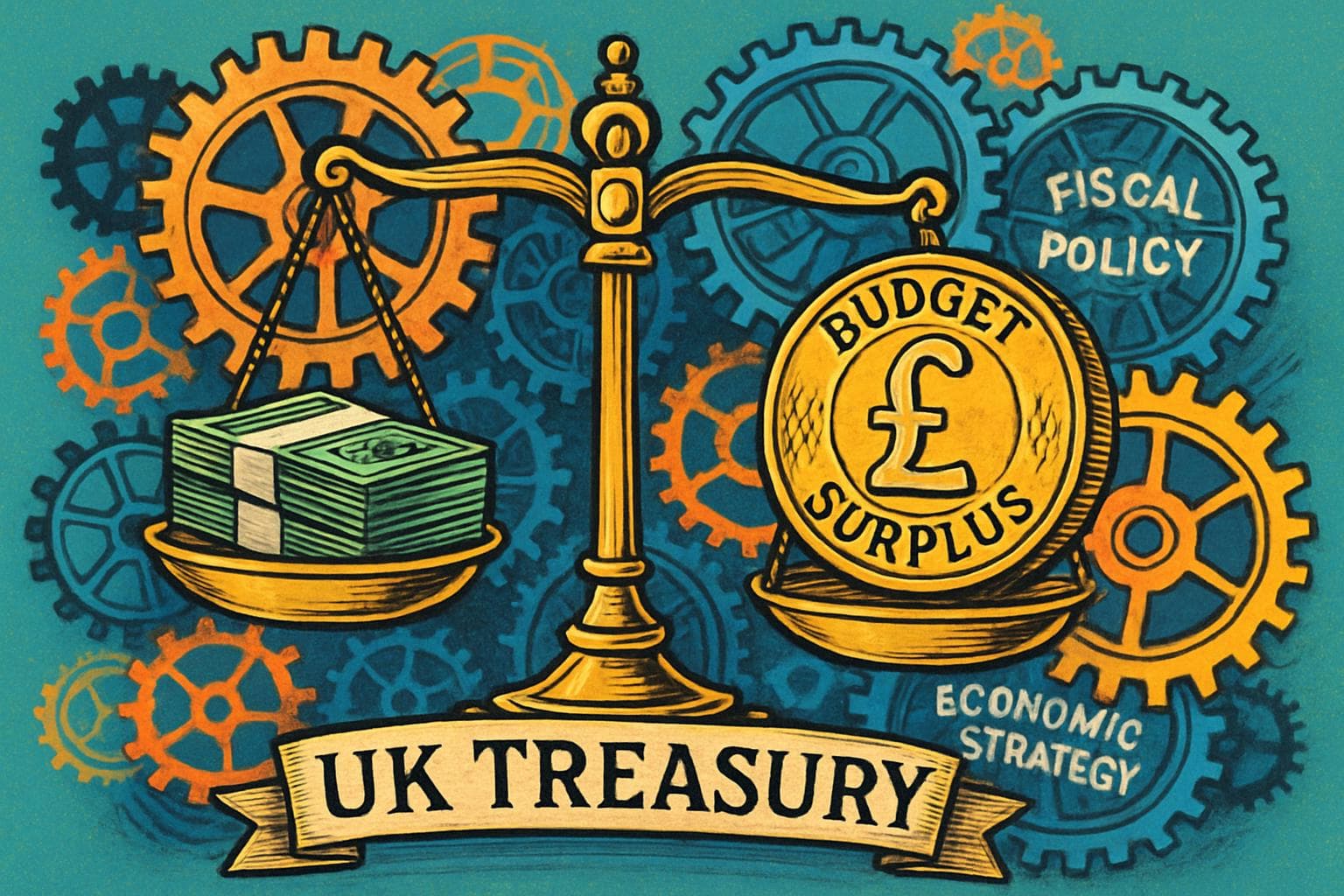
UK Achieves Record Budget Surplus Amid Calls for Fiscal Policy Reform
In This Article
HIGHLIGHTS
- The UK recorded a historic budget surplus of £30.4bn in January, driven by high tax receipts, marking the largest surplus since records began in 1993.
- The Institute for Fiscal Studies (IFS) criticized the UK's borrowing rules, suggesting a shift to a "fiscal traffic lights" system for better economic sustainability.
- January's surplus was significantly boosted by self-assessment and capital gains tax receipts, exceeding forecasts by the Office for Budget Responsibility.
- The Treasury aims to halve borrowing by 2030-31, with borrowing for 2026 forecasted to be the lowest since before the pandemic.
- Retail sales in January also exceeded expectations, with a 1.8% increase, contributing to a healthier economic outlook.
The United Kingdom has reported a record-breaking budget surplus of £30.4 billion in January, according to the Office for National Statistics (ONS). This unprecedented figure, the highest since records began in 1993, was largely driven by increased tax receipts, providing a significant boost to Chancellor Rachel Reeves ahead of her upcoming Spring Statement.
Surplus Driven by Tax Receipts
The surplus was primarily fueled by self-assessment and capital gains tax receipts, which exceeded expectations set by the Office for Budget Responsibility. January traditionally sees a surplus due to tax collection, but this year's figures were bolstered by individuals disposing of assets in anticipation of tax rate changes announced in the 2024 budget. The ONS noted that the surplus was £15.9 billion higher than the previous January, marking a sharp turnaround from December's borrowing figures.
Criticism of Borrowing Rules
Despite the positive financial news, the Institute for Fiscal Studies (IFS) has criticized the UK's current borrowing rules. The IFS argues that the existing framework, which focuses on maintaining borrowing below a specific threshold, leads to "dysfunctional policymaking." Ben Zaranko, an associate director at the IFS, suggested a shift to a "fiscal traffic lights" system, which would provide a broader set of fiscal indicators to better assess the government's financial position.
Economic Outlook and Future Plans
The Treasury has committed to reducing borrowing, with forecasts indicating that borrowing for 2026 will be the lowest since before the pandemic. Chief Secretary to the Treasury, James Murray, emphasized the government's plan to halve borrowing by 2030-31, allowing more funds to be allocated to essential services like policing, schools, and the NHS.
Retail Sales and Economic Health
In addition to the surplus, retail sales in January showed a robust 1.8% increase, surpassing expectations and contributing to a more optimistic economic outlook. This growth was driven by strong demand for sports supplements and jewelry, indicating a healthier start to the year for the UK economy.
WHAT THIS MIGHT MEAN
Looking ahead, the UK's fiscal policy and economic strategy will likely be pivotal topics in the political arena, especially as the next general election approaches. The IFS's call for a re-evaluation of borrowing rules may prompt a broader debate on fiscal sustainability and transparency. Meanwhile, the Treasury's commitment to reducing borrowing could face challenges if tax receipts do not continue to meet expectations. As the government navigates these fiscal dynamics, the balance between maintaining economic growth and ensuring sustainable public finances will remain a critical focus.
Related Articles

UK Government to Reform Asylum Seeker Support and Employment Policies

Breakthrough Drug Offers Hope for Children with Severe Epilepsy
Persistent Safety Concerns in Nottingham Maternity Services Amidst Calls for Systemic Reform
Nottingham Attacks Inquiry: Families Demand Accountability and Truth

Birmingham's Proactive Approach to Measles Outbreak Offers Lessons for North London

Trump Raises Import Tariffs to 15% After Supreme Court Setback
UK Achieves Record Budget Surplus Amid Calls for Fiscal Policy Reform
In This Article
 Daniel Rivera| Published
 HIGHLIGHTS
- The UK recorded a historic budget surplus of £30.4bn in January, driven by high tax receipts, marking the largest surplus since records began in 1993.
- The Institute for Fiscal Studies (IFS) criticized the UK's borrowing rules, suggesting a shift to a "fiscal traffic lights" system for better economic sustainability.
- January's surplus was significantly boosted by self-assessment and capital gains tax receipts, exceeding forecasts by the Office for Budget Responsibility.
- The Treasury aims to halve borrowing by 2030-31, with borrowing for 2026 forecasted to be the lowest since before the pandemic.
- Retail sales in January also exceeded expectations, with a 1.8% increase, contributing to a healthier economic outlook.
The United Kingdom has reported a record-breaking budget surplus of £30.4 billion in January, according to the Office for National Statistics (ONS). This unprecedented figure, the highest since records began in 1993, was largely driven by increased tax receipts, providing a significant boost to Chancellor Rachel Reeves ahead of her upcoming Spring Statement.
Surplus Driven by Tax Receipts
The surplus was primarily fueled by self-assessment and capital gains tax receipts, which exceeded expectations set by the Office for Budget Responsibility. January traditionally sees a surplus due to tax collection, but this year's figures were bolstered by individuals disposing of assets in anticipation of tax rate changes announced in the 2024 budget. The ONS noted that the surplus was £15.9 billion higher than the previous January, marking a sharp turnaround from December's borrowing figures.
Criticism of Borrowing Rules
Despite the positive financial news, the Institute for Fiscal Studies (IFS) has criticized the UK's current borrowing rules. The IFS argues that the existing framework, which focuses on maintaining borrowing below a specific threshold, leads to "dysfunctional policymaking." Ben Zaranko, an associate director at the IFS, suggested a shift to a "fiscal traffic lights" system, which would provide a broader set of fiscal indicators to better assess the government's financial position.
Economic Outlook and Future Plans
The Treasury has committed to reducing borrowing, with forecasts indicating that borrowing for 2026 will be the lowest since before the pandemic. Chief Secretary to the Treasury, James Murray, emphasized the government's plan to halve borrowing by 2030-31, allowing more funds to be allocated to essential services like policing, schools, and the NHS.
Retail Sales and Economic Health
In addition to the surplus, retail sales in January showed a robust 1.8% increase, surpassing expectations and contributing to a more optimistic economic outlook. This growth was driven by strong demand for sports supplements and jewelry, indicating a healthier start to the year for the UK economy.
WHAT THIS MIGHT MEAN
Looking ahead, the UK's fiscal policy and economic strategy will likely be pivotal topics in the political arena, especially as the next general election approaches. The IFS's call for a re-evaluation of borrowing rules may prompt a broader debate on fiscal sustainability and transparency. Meanwhile, the Treasury's commitment to reducing borrowing could face challenges if tax receipts do not continue to meet expectations. As the government navigates these fiscal dynamics, the balance between maintaining economic growth and ensuring sustainable public finances will remain a critical focus.
Related Articles
UK Government to Reform Asylum Seeker Support and Employment Policies
Breakthrough Drug Offers Hope for Children with Severe Epilepsy
Persistent Safety Concerns in Nottingham Maternity Services Amidst Calls for Systemic Reform
Nottingham Attacks Inquiry: Families Demand Accountability and Truth
Birmingham's Proactive Approach to Measles Outbreak Offers Lessons for North London
Trump Raises Import Tariffs to 15% After Supreme Court Setback