
Concerns Mount as Abusive Nursery Worker Faces Deportation to Poland

In This Article
HIGHLIGHTS
- Roksana Lecka, convicted of abusing 21 children, is set to be deported to Poland, sparking concerns among victims' families.
- Lecka was sentenced to eight years in prison but will not serve the full term due to the UK's early removal scheme for foreign offenders.
- Parents fear Lecka may harm more children in Poland, as Polish authorities are not obligated to enforce the remainder of her sentence.
- Lib Dem MP Munira Wilson and victims' families express frustration over the lack of justice and transparency in the deportation process.
- The UK government has informed Polish authorities of Lecka's convictions to ensure appropriate safeguarding measures.
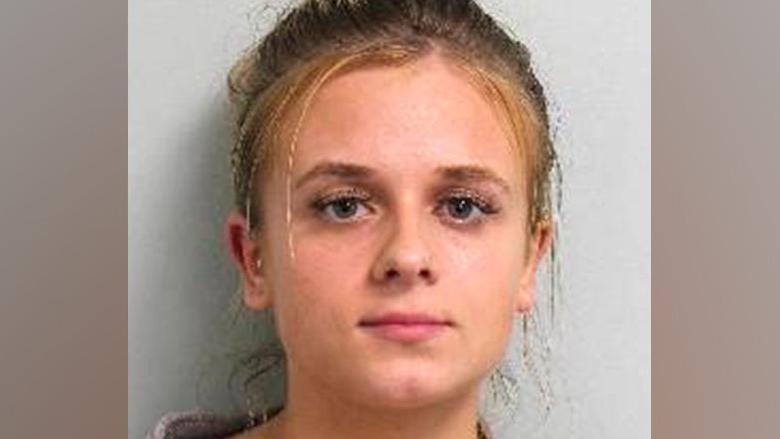
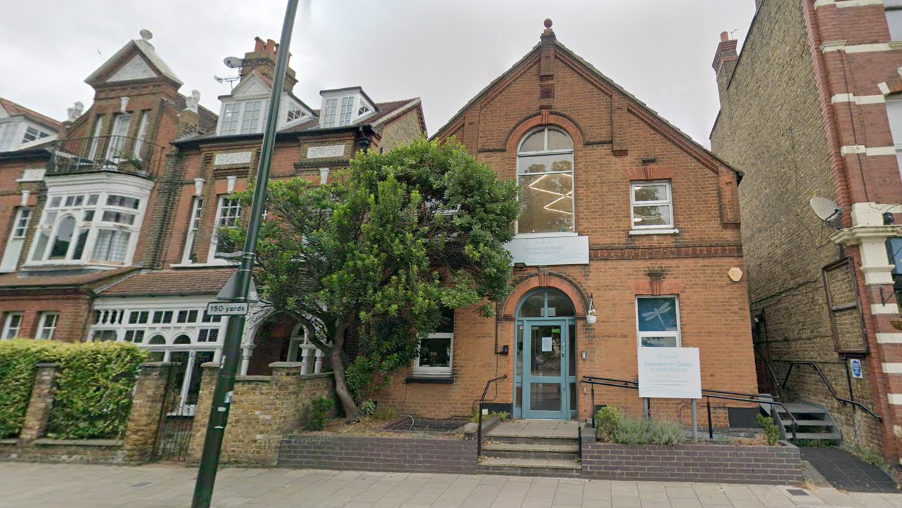
The impending deportation of Roksana Lecka, a nursery worker convicted of abusing 21 children, has ignited fears among victims' families that she may continue her abusive behavior in Poland. Lecka, a Polish national, was sentenced to eight years in prison last September after being found guilty of 21 counts of child cruelty at Kingston upon Thames Crown Court. However, under the UK's early removal scheme for foreign offenders, she is set to be deported on February 5, raising questions about the justice system's handling of such cases.
Deportation Sparks Outrage
Victims' families, including the father of a toddler abused by Lecka, have expressed their frustration and disappointment over the decision. "All the work that was done, the public money that was spent, the trauma of sitting through the trial, seeing all the evidence – now all of that seems a bit pointless," he told The Guardian. The early removal scheme allows foreign offenders to be deported without serving their full sentence in the UK, leaving the responsibility of further punishment to the receiving country.
Calls for Justice and Transparency
Lib Dem MP Munira Wilson has been vocal about the need for transparency and justice in this case. "Parents are horrified. They want justice to be done for their children," Wilson stated in the House of Commons. She emphasized the importance of clear communication in child abuse cases and has been in contact with the Home Office to address the concerns of the victims' families.
Safeguarding Measures in Poland
While the UK government has informed Polish authorities of Lecka's convictions, there is no legal requirement for her to serve the remainder of her sentence in Poland. This has led to fears that she may pose a risk to children in her home country. Victims minister Alex Davies-Jones expressed her sympathies to the victims and highlighted ongoing discussions with the Home Office to address the case's complexities.
WHAT THIS MIGHT MEAN
The deportation of Roksana Lecka under the early removal scheme raises significant questions about the balance between managing prison populations and ensuring justice for victims. If Polish authorities do not impose further restrictions or monitoring, there is a risk that Lecka could reoffend, potentially leading to international diplomatic discussions on handling such cases. The situation underscores the need for robust international cooperation and legal frameworks to ensure that justice is served across borders. As the UK government continues to navigate the complexities of foreign offender deportations, this case may prompt a reevaluation of policies to better protect victims and prevent future offenses.
Images from the Web
Related Articles
UK Government to Reform Asylum Seeker Support and Employment Policies

Police Federation Chief Arrested Amid Fraud Investigation

Diplomatic Tensions Rise as Trump Criticizes Starmer's Iran Policy

Canada and Australia Forge Strategic Partnership Amid Global Uncertainty

Middle East Conflict Drives UK Energy Prices to New Highs

UK Faces Dilemmas Amid Iran Conflict and China Spying Allegations
Concerns Mount as Abusive Nursery Worker Faces Deportation to Poland
In This Article
 Sofia Romano| Published
 HIGHLIGHTS
- Roksana Lecka, convicted of abusing 21 children, is set to be deported to Poland, sparking concerns among victims' families.
- Lecka was sentenced to eight years in prison but will not serve the full term due to the UK's early removal scheme for foreign offenders.
- Parents fear Lecka may harm more children in Poland, as Polish authorities are not obligated to enforce the remainder of her sentence.
- Lib Dem MP Munira Wilson and victims' families express frustration over the lack of justice and transparency in the deportation process.
- The UK government has informed Polish authorities of Lecka's convictions to ensure appropriate safeguarding measures.
The impending deportation of Roksana Lecka, a nursery worker convicted of abusing 21 children, has ignited fears among victims' families that she may continue her abusive behavior in Poland. Lecka, a Polish national, was sentenced to eight years in prison last September after being found guilty of 21 counts of child cruelty at Kingston upon Thames Crown Court. However, under the UK's early removal scheme for foreign offenders, she is set to be deported on February 5, raising questions about the justice system's handling of such cases.
Deportation Sparks Outrage
Victims' families, including the father of a toddler abused by Lecka, have expressed their frustration and disappointment over the decision. "All the work that was done, the public money that was spent, the trauma of sitting through the trial, seeing all the evidence – now all of that seems a bit pointless," he told The Guardian. The early removal scheme allows foreign offenders to be deported without serving their full sentence in the UK, leaving the responsibility of further punishment to the receiving country.
Calls for Justice and Transparency
Lib Dem MP Munira Wilson has been vocal about the need for transparency and justice in this case. "Parents are horrified. They want justice to be done for their children," Wilson stated in the House of Commons. She emphasized the importance of clear communication in child abuse cases and has been in contact with the Home Office to address the concerns of the victims' families.
Safeguarding Measures in Poland
While the UK government has informed Polish authorities of Lecka's convictions, there is no legal requirement for her to serve the remainder of her sentence in Poland. This has led to fears that she may pose a risk to children in her home country. Victims minister Alex Davies-Jones expressed her sympathies to the victims and highlighted ongoing discussions with the Home Office to address the case's complexities.
WHAT THIS MIGHT MEAN
The deportation of Roksana Lecka under the early removal scheme raises significant questions about the balance between managing prison populations and ensuring justice for victims. If Polish authorities do not impose further restrictions or monitoring, there is a risk that Lecka could reoffend, potentially leading to international diplomatic discussions on handling such cases. The situation underscores the need for robust international cooperation and legal frameworks to ensure that justice is served across borders. As the UK government continues to navigate the complexities of foreign offender deportations, this case may prompt a reevaluation of policies to better protect victims and prevent future offenses.
Images from the Web
Related Articles
UK Government to Reform Asylum Seeker Support and Employment Policies
Police Federation Chief Arrested Amid Fraud Investigation
Diplomatic Tensions Rise as Trump Criticizes Starmer's Iran Policy
Canada and Australia Forge Strategic Partnership Amid Global Uncertainty
Middle East Conflict Drives UK Energy Prices to New Highs
UK Faces Dilemmas Amid Iran Conflict and China Spying Allegations