
Afghan National's Guilty Plea in Child Rape Case Sparks Anti-Immigration Protests

In This Article
HIGHLIGHTS
- Ahmad Mulakhil, an Afghan national, pleaded guilty to raping a 12-year-old girl in Nuneaton on 22 July.
- Co-defendant Mohammad Kabir denied related charges and both are set for trial on 26 January.
- The case sparked anti-immigration protests in Nuneaton, with demonstrators voicing opposition to asylum seekers.
- Warwickshire Police faced criticism for not disclosing the defendants' immigration status, prompting a review of national guidelines.
- New guidance now encourages police to release race and nationality details in high-profile cases.
In a case that has ignited significant public unrest, Ahmad Mulakhil, an Afghan national, has admitted to the rape of a 12-year-old girl in Nuneaton, Warwickshire. The 23-year-old, who has no fixed abode, changed his plea to guilty at Warwick Crown Court, acknowledging the charge of raping a child under 13. The incident occurred on 22 July, and Mulakhil had initially denied the charge alongside other serious allegations, including abduction and multiple counts of sexual assault.
Co-Defendant and Legal Proceedings
Mulakhil's co-defendant, Mohammad Kabir, also 23 and of no fixed abode, has pleaded not guilty to charges including attempting to take a child and aiding and abetting rape. Both men, who required interpreters during the court proceedings, are scheduled to face trial on 26 January. Judge Kristina Montgomery KC has remanded them in custody, with a further hearing set for 12 December.
Public Reaction and Protests
The case has fueled anti-immigration sentiment in Nuneaton, leading to protests where demonstrators carried St George's Cross and Union flags, chanting slogans against asylum seekers. A smaller counter-protest by Stand Up to Racism highlighted the divisive nature of the incident. The protests underscored tensions surrounding immigration policies and the presence of asylum seekers in the UK.
Police and Political Response
The handling of the case by Warwickshire Police has come under scrutiny, particularly regarding the disclosure of the defendants' immigration status. George Finch, leader of Warwickshire County Council, accused the police of a "cover-up," a claim the police have denied, asserting adherence to national guidelines. In response to the controversy, the College of Policing, with support from then Home Secretary Yvette Cooper, revised its guidance, now advising police to disclose race and nationality in high-profile cases.
WHAT THIS MIGHT MEAN
As the trial date approaches, the case is likely to remain a focal point for discussions on immigration and asylum policies in the UK. The revised police guidelines may lead to increased transparency in future cases, potentially affecting public perception and trust in law enforcement. Politically, the case could influence ongoing debates about the treatment and integration of asylum seekers, with potential implications for future policy decisions. Legal experts suggest that the outcome of the trial could set a precedent for how similar cases are handled, both in the courtroom and in the public sphere.
Related Articles

High Court Rules Palestine Action Ban Unlawful, Government to Appeal

Merseyside Detective Dismissed for Paying Teen for Sex and Misconduct

British Couple's 10-Year Sentence in Iran Sparks Outcry

UK and Allies Accuse Russia of Killing Navalny with Dart Frog Toxin

Jimmy Lai's 20-Year Sentence Sparks Global Outcry Over Hong Kong's National Security Law
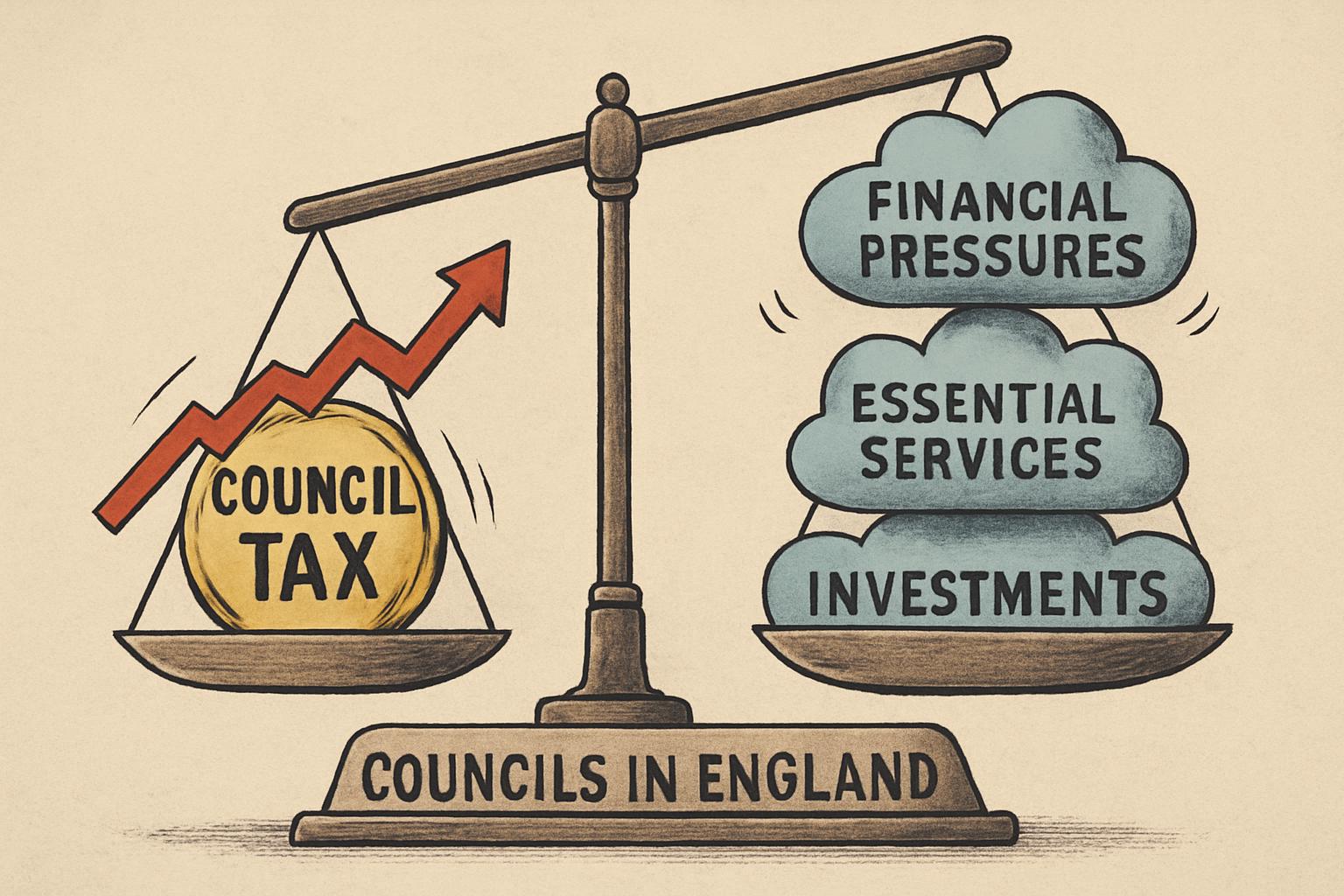
Council Tax Increases Across England: A Balancing Act Amid Financial Pressures
Afghan National's Guilty Plea in Child Rape Case Sparks Anti-Immigration Protests
In This Article
 Sofia Romano| Published
 HIGHLIGHTS
- Ahmad Mulakhil, an Afghan national, pleaded guilty to raping a 12-year-old girl in Nuneaton on 22 July.
- Co-defendant Mohammad Kabir denied related charges and both are set for trial on 26 January.
- The case sparked anti-immigration protests in Nuneaton, with demonstrators voicing opposition to asylum seekers.
- Warwickshire Police faced criticism for not disclosing the defendants' immigration status, prompting a review of national guidelines.
- New guidance now encourages police to release race and nationality details in high-profile cases.
In a case that has ignited significant public unrest, Ahmad Mulakhil, an Afghan national, has admitted to the rape of a 12-year-old girl in Nuneaton, Warwickshire. The 23-year-old, who has no fixed abode, changed his plea to guilty at Warwick Crown Court, acknowledging the charge of raping a child under 13. The incident occurred on 22 July, and Mulakhil had initially denied the charge alongside other serious allegations, including abduction and multiple counts of sexual assault.
Co-Defendant and Legal Proceedings
Mulakhil's co-defendant, Mohammad Kabir, also 23 and of no fixed abode, has pleaded not guilty to charges including attempting to take a child and aiding and abetting rape. Both men, who required interpreters during the court proceedings, are scheduled to face trial on 26 January. Judge Kristina Montgomery KC has remanded them in custody, with a further hearing set for 12 December.
Public Reaction and Protests
The case has fueled anti-immigration sentiment in Nuneaton, leading to protests where demonstrators carried St George's Cross and Union flags, chanting slogans against asylum seekers. A smaller counter-protest by Stand Up to Racism highlighted the divisive nature of the incident. The protests underscored tensions surrounding immigration policies and the presence of asylum seekers in the UK.
Police and Political Response
The handling of the case by Warwickshire Police has come under scrutiny, particularly regarding the disclosure of the defendants' immigration status. George Finch, leader of Warwickshire County Council, accused the police of a "cover-up," a claim the police have denied, asserting adherence to national guidelines. In response to the controversy, the College of Policing, with support from then Home Secretary Yvette Cooper, revised its guidance, now advising police to disclose race and nationality in high-profile cases.
WHAT THIS MIGHT MEAN
As the trial date approaches, the case is likely to remain a focal point for discussions on immigration and asylum policies in the UK. The revised police guidelines may lead to increased transparency in future cases, potentially affecting public perception and trust in law enforcement. Politically, the case could influence ongoing debates about the treatment and integration of asylum seekers, with potential implications for future policy decisions. Legal experts suggest that the outcome of the trial could set a precedent for how similar cases are handled, both in the courtroom and in the public sphere.
Related Articles
High Court Rules Palestine Action Ban Unlawful, Government to Appeal
Merseyside Detective Dismissed for Paying Teen for Sex and Misconduct
British Couple's 10-Year Sentence in Iran Sparks Outcry
UK and Allies Accuse Russia of Killing Navalny with Dart Frog Toxin
Jimmy Lai's 20-Year Sentence Sparks Global Outcry Over Hong Kong's National Security Law
Council Tax Increases Across England: A Balancing Act Amid Financial Pressures