
AI Tool Aeneas Revolutionizes Study of Ancient Roman Inscriptions
In This Article
HIGHLIGHTS
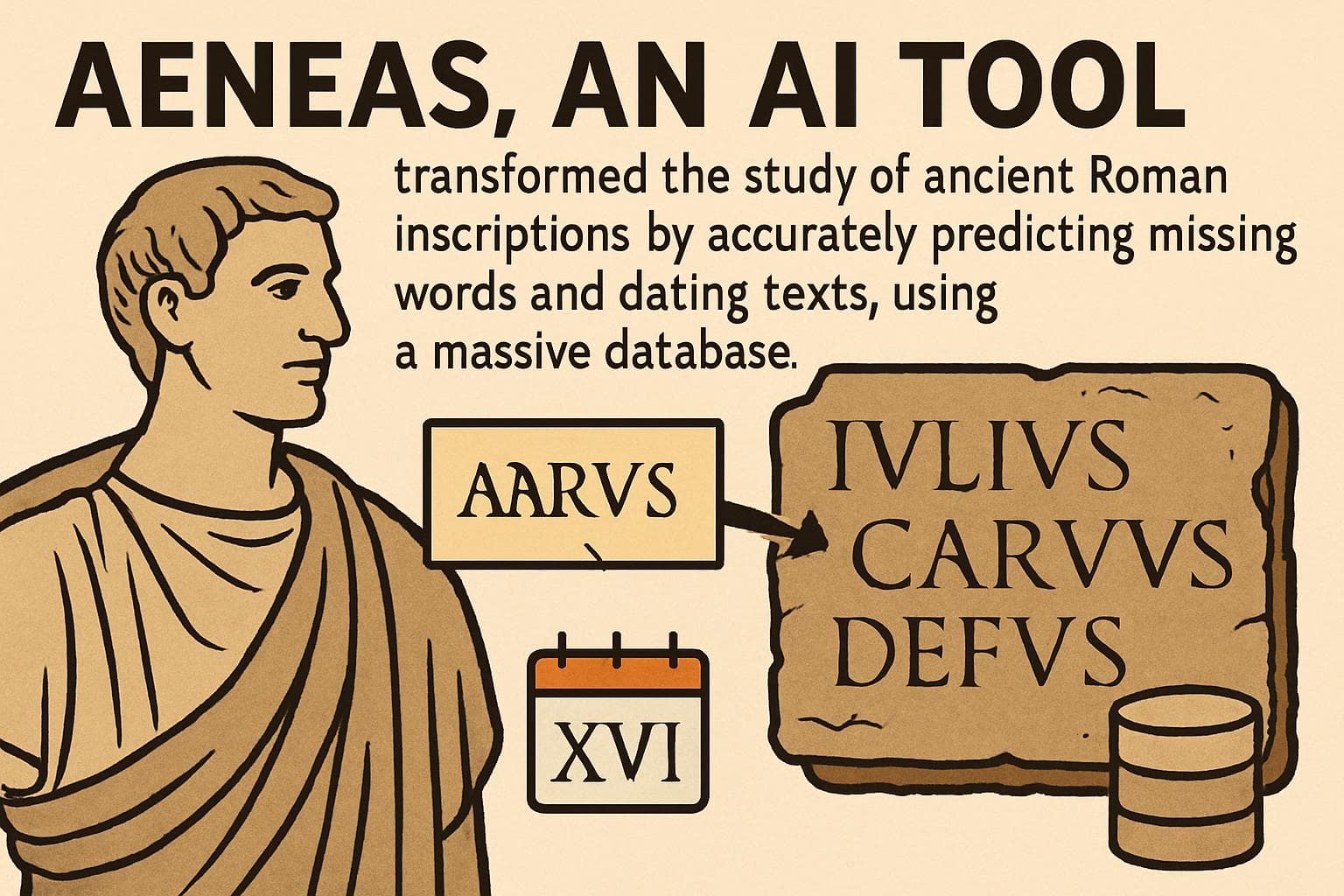
- Aeneas, an AI tool developed by Google DeepMind, aids historians in restoring ancient Roman inscriptions by predicting missing words and dating texts.
- The tool utilizes a database of nearly 200,000 inscriptions to provide historical context and fill gaps in fragmented texts.
- Historians like Prof Dame Mary Beard and Dr Thea Sommerschield see Aeneas as transformative, potentially accelerating historical research.
- Concerns exist about AI's accuracy, but Aeneas has shown promise in tests, such as dating the Res Gestae Divi Augusti inscription.
- The tool represents a significant advancement in the use of AI in archaeology, offering new insights into Roman history.
A groundbreaking artificial intelligence tool named Aeneas is set to transform the study of ancient Roman inscriptions, offering historians a powerful new method to fill in missing words and date texts with unprecedented accuracy. Developed by Google DeepMind in collaboration with historians, Aeneas leverages a vast database of nearly 200,000 inscriptions to assist scholars in piecing together fragmented historical records.
A New Era in Historical Research
The Aeneas AI tool, named after the mythical Trojan hero, has been hailed as a potential game-changer in the field of archaeology. By analyzing inscriptions from the 7th century BC to the 8th century AD, Aeneas can predict where and when these texts were created, offering suggestions for missing words. This capability is crucial for historians who have long relied on subjective judgment and traditional databases to interpret ancient texts.
Transformative Potential and Expert Endorsement
Esteemed historian Prof Dame Mary Beard of Cambridge University described Aeneas as "transformative," highlighting its ability to accelerate the process of historical discovery. Dr Thea Sommerschield, a co-developer of the tool, emphasized its role in helping historians interpret and restore fragmentary Latin texts. "Inscriptions are precious to historians because they offer first-hand evidence for ancient histories, languages, and societies," she noted.
Challenges and Concerns
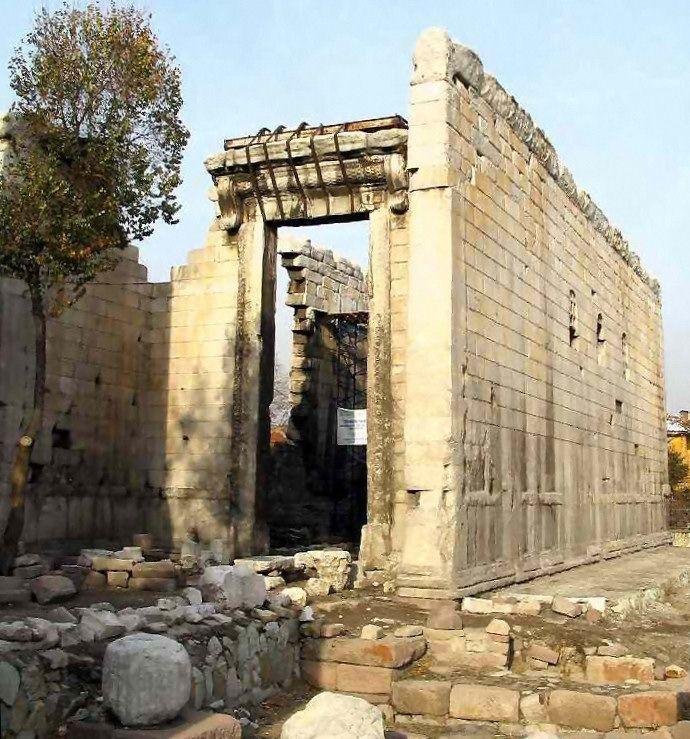
Despite its promise, the use of AI in archaeology is not without challenges. Concerns have been raised about the potential for AI to introduce errors in its analysis, potentially distorting historical understanding. However, initial tests of Aeneas have been promising. In one instance, the tool successfully dated the Res Gestae Divi Augusti, a monumental inscription detailing the achievements of the first Roman emperor, Augustus.
Aiding Historical Discovery
Aeneas represents a significant advancement in the application of AI to historical research. By automating the process of contextualizing inscriptions, the tool offers historians a powerful assistant in their quest to uncover the past. As Dr Yannis Assael, an AI specialist at Google DeepMind, explained, "What the historian can't do is assess these parallels in a matter of seconds across tens of thousands of inscriptions, and that is where AI can come in as an assistant."
WHAT THIS MIGHT MEAN
The introduction of Aeneas could significantly accelerate the pace of historical discoveries, potentially leading to a deeper understanding of Roman history and culture. As AI technology continues to evolve, its application in archaeology may expand, offering new insights into other ancient civilizations. However, the reliance on AI also necessitates careful oversight to ensure accuracy and prevent the distortion of historical narratives. As historians and technologists collaborate, the balance between human expertise and machine efficiency will be crucial in shaping the future of historical research.
Images from the Web

AI Tool Aeneas Revolutionizes Study of Ancient Roman Inscriptions
In This Article
 Sofia Romano| Published
 HIGHLIGHTS
- Aeneas, an AI tool developed by Google DeepMind, aids historians in restoring ancient Roman inscriptions by predicting missing words and dating texts.
- The tool utilizes a database of nearly 200,000 inscriptions to provide historical context and fill gaps in fragmented texts.
- Historians like Prof Dame Mary Beard and Dr Thea Sommerschield see Aeneas as transformative, potentially accelerating historical research.
- Concerns exist about AI's accuracy, but Aeneas has shown promise in tests, such as dating the Res Gestae Divi Augusti inscription.
- The tool represents a significant advancement in the use of AI in archaeology, offering new insights into Roman history.
A groundbreaking artificial intelligence tool named Aeneas is set to transform the study of ancient Roman inscriptions, offering historians a powerful new method to fill in missing words and date texts with unprecedented accuracy. Developed by Google DeepMind in collaboration with historians, Aeneas leverages a vast database of nearly 200,000 inscriptions to assist scholars in piecing together fragmented historical records.
A New Era in Historical Research
The Aeneas AI tool, named after the mythical Trojan hero, has been hailed as a potential game-changer in the field of archaeology. By analyzing inscriptions from the 7th century BC to the 8th century AD, Aeneas can predict where and when these texts were created, offering suggestions for missing words. This capability is crucial for historians who have long relied on subjective judgment and traditional databases to interpret ancient texts.
Transformative Potential and Expert Endorsement
Esteemed historian Prof Dame Mary Beard of Cambridge University described Aeneas as "transformative," highlighting its ability to accelerate the process of historical discovery. Dr Thea Sommerschield, a co-developer of the tool, emphasized its role in helping historians interpret and restore fragmentary Latin texts. "Inscriptions are precious to historians because they offer first-hand evidence for ancient histories, languages, and societies," she noted.
Challenges and Concerns
Despite its promise, the use of AI in archaeology is not without challenges. Concerns have been raised about the potential for AI to introduce errors in its analysis, potentially distorting historical understanding. However, initial tests of Aeneas have been promising. In one instance, the tool successfully dated the Res Gestae Divi Augusti, a monumental inscription detailing the achievements of the first Roman emperor, Augustus.
Aiding Historical Discovery
Aeneas represents a significant advancement in the application of AI to historical research. By automating the process of contextualizing inscriptions, the tool offers historians a powerful assistant in their quest to uncover the past. As Dr Yannis Assael, an AI specialist at Google DeepMind, explained, "What the historian can't do is assess these parallels in a matter of seconds across tens of thousands of inscriptions, and that is where AI can come in as an assistant."
WHAT THIS MIGHT MEAN
The introduction of Aeneas could significantly accelerate the pace of historical discoveries, potentially leading to a deeper understanding of Roman history and culture. As AI technology continues to evolve, its application in archaeology may expand, offering new insights into other ancient civilizations. However, the reliance on AI also necessitates careful oversight to ensure accuracy and prevent the distortion of historical narratives. As historians and technologists collaborate, the balance between human expertise and machine efficiency will be crucial in shaping the future of historical research.
Images from the Web