
Alton Towers Trials New Restrictions on Disability Passes Amid Rising Demand
In This Article
HIGHLIGHTS
- Alton Towers is trialing new restrictions on disability passes, affecting those with ADHD, autism, and anxiety during February half-term.
- The trial limits the ride access pass to those with "difficulty standing," "level access," or "urgent toilet needs."
- Critics argue the changes unfairly target individuals with hidden disabilities, sparking backlash from affected families.
- Merlin Entertainments will review the trial's impact before the main season opens in March, considering feedback from neurodiverse visitors.
- The changes also apply to Chessington World of Adventures and Windsor Legoland, with alternative support options offered.
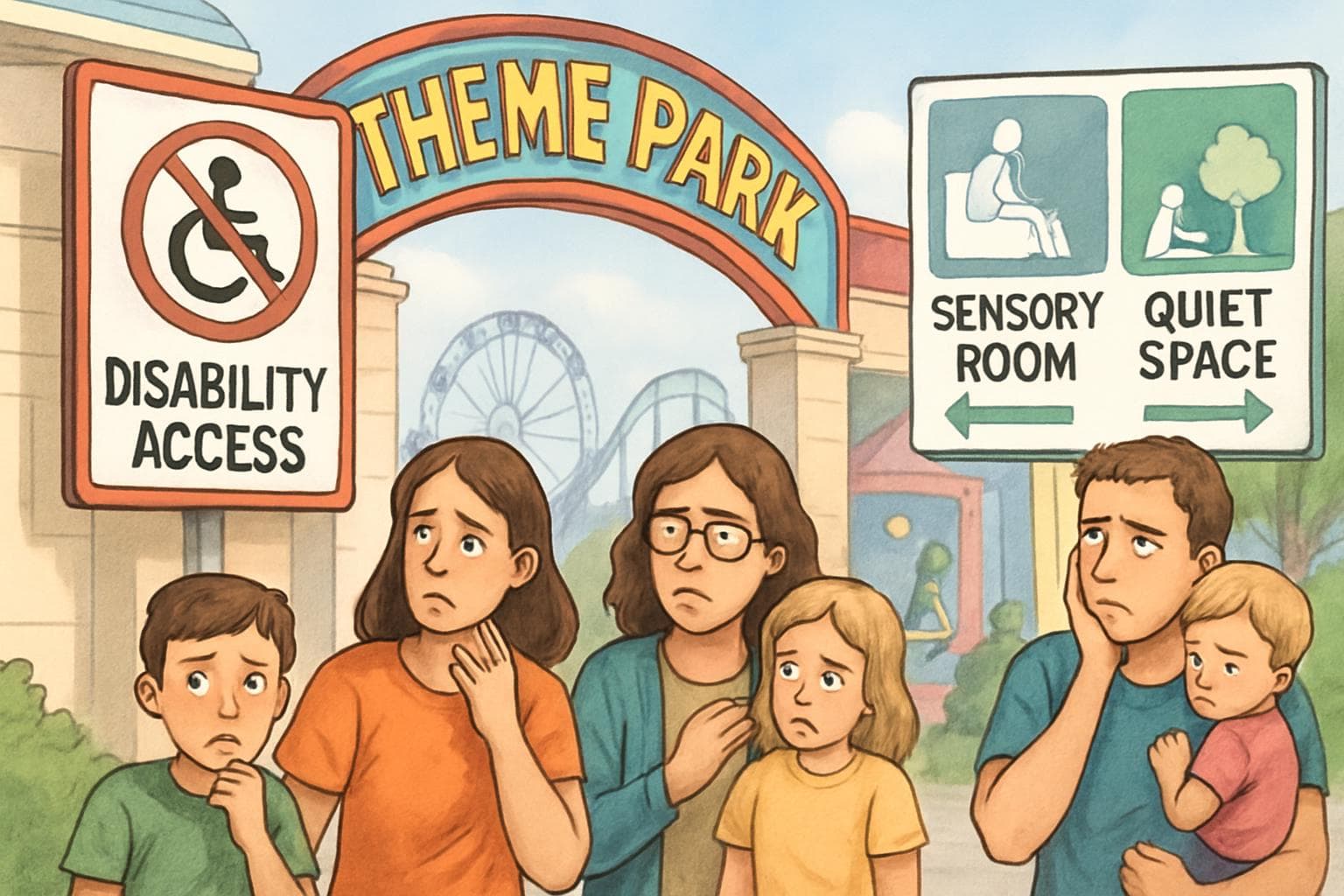
Alton Towers, one of the UK's premier theme parks, is implementing a trial that restricts access to its disability ride access passes for individuals with ADHD, autism, and anxiety during the February half-term. This decision by Merlin Entertainments, which operates Alton Towers along with other major attractions like Chessington World of Adventures and Windsor Legoland, has sparked significant controversy among families and advocacy groups.
New Eligibility Criteria
The ride access pass, traditionally available to those with "difficulty with crowds," will now be limited to visitors with "difficulty standing," "level access," or "urgent toilet needs." This change comes as a response to increased demand, which has reportedly led to longer wait times for disabled visitors. The trial aims to evaluate whether these adjustments can improve the experience for those with physical disabilities.
Backlash from Affected Families
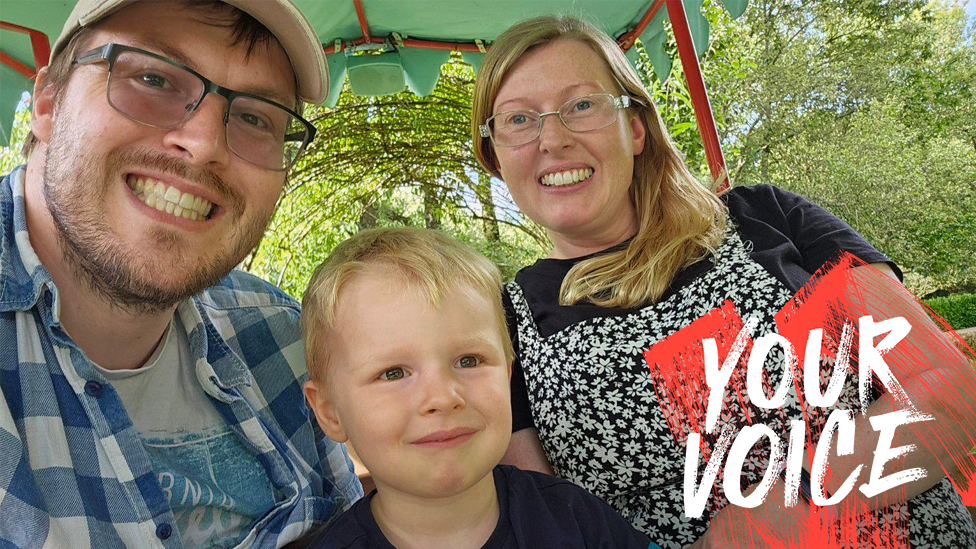
Families affected by the new restrictions have expressed frustration, arguing that the changes disproportionately impact those with hidden disabilities. Terri, a mother from Stoke-on-Trent, shared her concerns about her autistic son, Jasper, who may no longer be able to enjoy the park due to his inability to cope with long queues. Similarly, Emma Camp from Wolverhampton, who experiences anxiety in large crowds, voiced her disappointment, feeling excluded from the attractions she loves.
Response from Merlin Entertainments
Merlin Entertainments has acknowledged the concerns raised by neurodiverse visitors and their families. Rob Smith, the company's Chief Operating Officer, emphasized their commitment to supporting guests with mental health needs and stated that the feedback would be carefully considered. The company has also introduced alternative support measures, such as providing sensory rooms and quiet spaces, although some visitors find these options insufficient.
Looking Ahead
The trial will be reviewed after the February half-term, with Merlin Entertainments planning to assess its impact before the main season begins in March. Christine Flintoft-Smith from the National Autistic Society highlighted the importance of ongoing dialogue with Merlin to ensure that the parks remain inclusive and welcoming for all visitors. As the situation evolves, stakeholders will be watching closely to see how these changes affect the accessibility of theme parks for neurodiverse individuals.
WHAT THIS MIGHT MEAN
The outcome of this trial could set a precedent for how theme parks across the UK and beyond manage accessibility for neurodiverse visitors. If the changes prove effective in reducing wait times for those with physical disabilities, similar policies might be adopted elsewhere. However, if the backlash continues, Merlin Entertainments may need to reconsider their approach to ensure they are not alienating a significant portion of their customer base. Advocacy groups will likely continue to push for more inclusive solutions that accommodate all types of disabilities, potentially influencing future accessibility standards in the entertainment industry.
Images from the Web
Related Articles

Breakthrough Drug Offers Hope for Children with Severe Epilepsy

Trump Raises Import Tariffs to 15% After Supreme Court Setback

Arrest of Andrew Mountbatten-Windsor Captured in Iconic Photograph

UK Denies US Use of Military Bases for Potential Iran Strikes Amid Chagos Islands Dispute
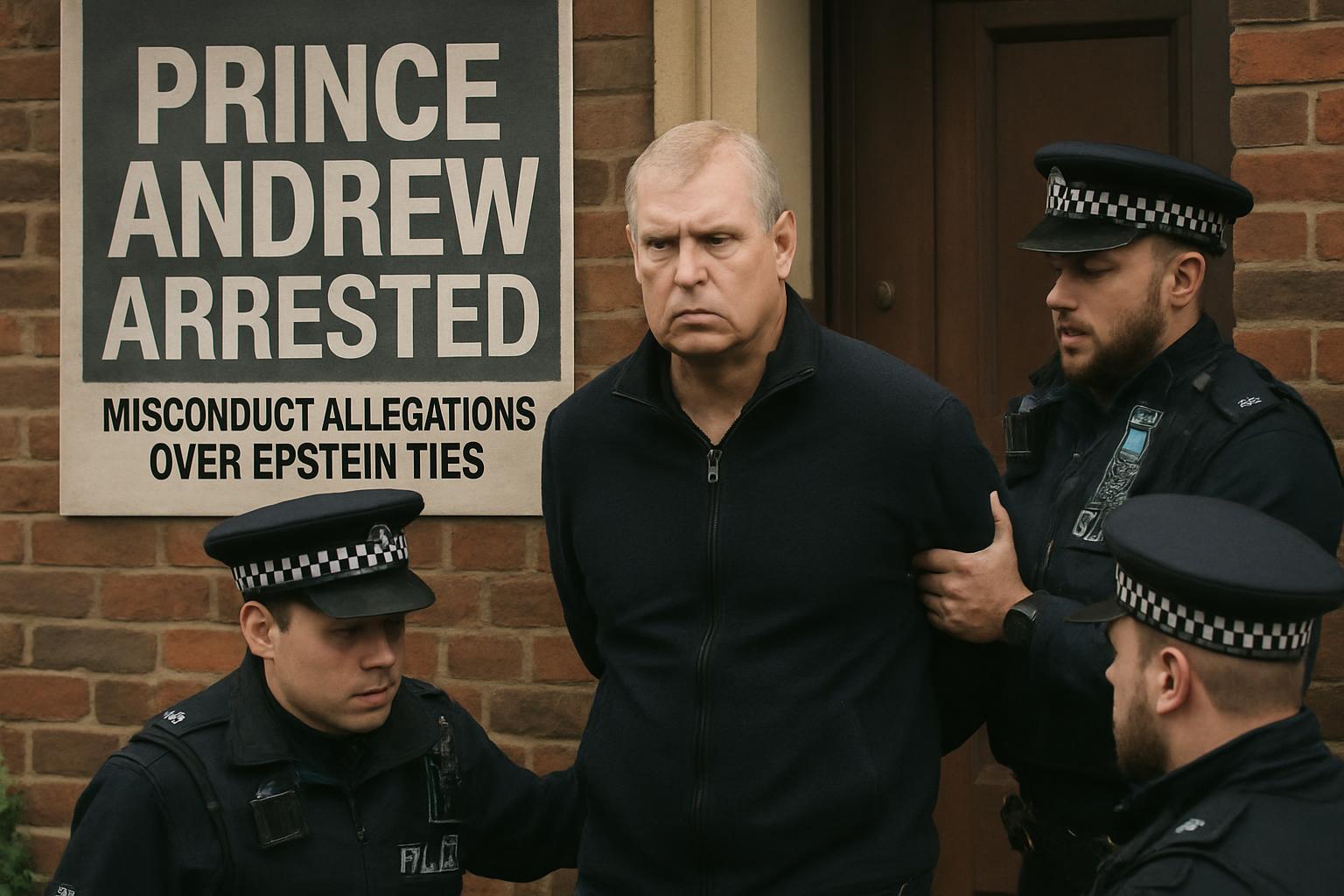
Andrew Mountbatten-Windsor Arrested Amid Misconduct Allegations
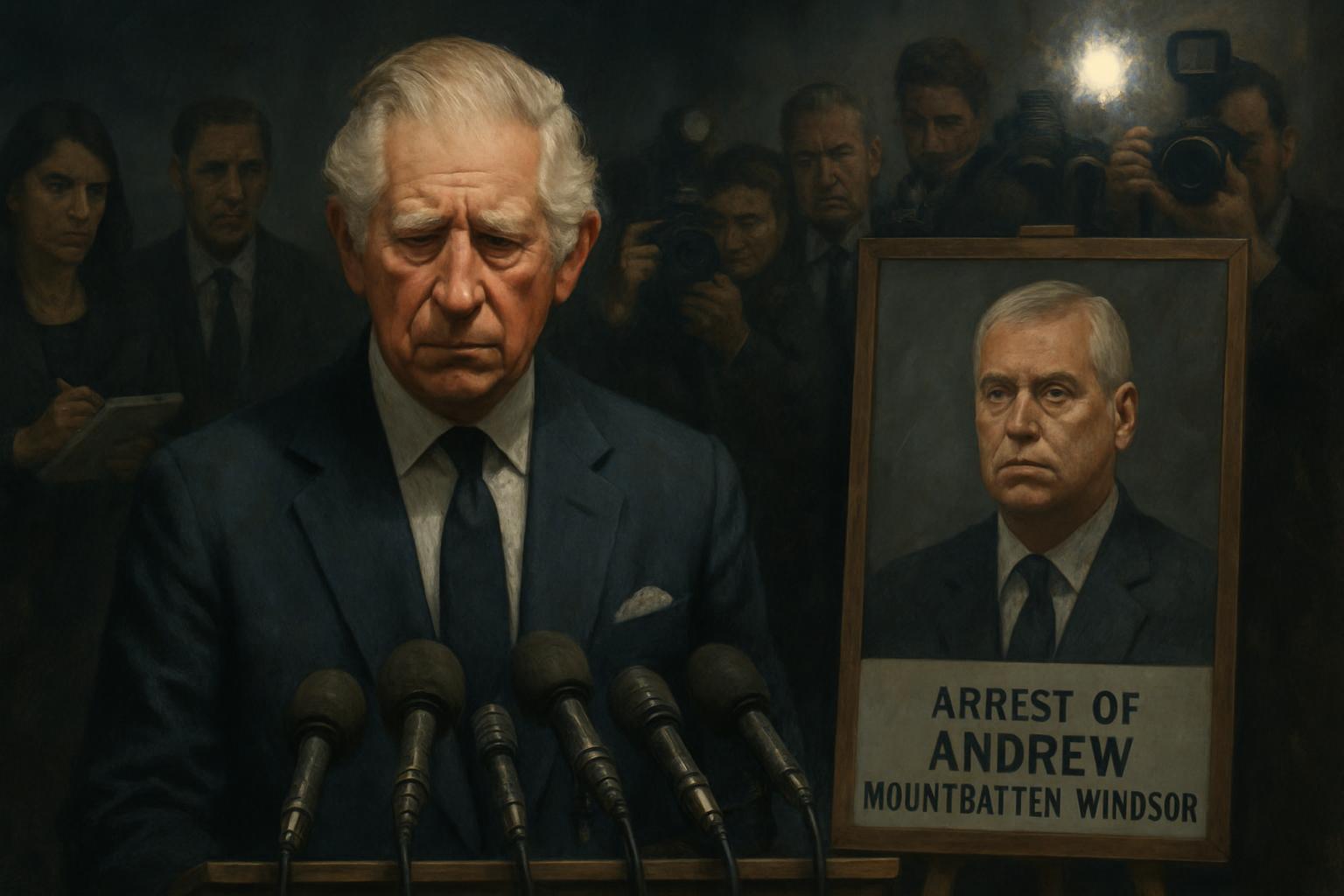
Andrew Mountbatten-Windsor's Arrest Sparks International Calls for Justice
Alton Towers Trials New Restrictions on Disability Passes Amid Rising Demand
In This Article
 Leila Hassan| Published
 HIGHLIGHTS
- Alton Towers is trialing new restrictions on disability passes, affecting those with ADHD, autism, and anxiety during February half-term.
- The trial limits the ride access pass to those with "difficulty standing," "level access," or "urgent toilet needs."
- Critics argue the changes unfairly target individuals with hidden disabilities, sparking backlash from affected families.
- Merlin Entertainments will review the trial's impact before the main season opens in March, considering feedback from neurodiverse visitors.
- The changes also apply to Chessington World of Adventures and Windsor Legoland, with alternative support options offered.
Alton Towers, one of the UK's premier theme parks, is implementing a trial that restricts access to its disability ride access passes for individuals with ADHD, autism, and anxiety during the February half-term. This decision by Merlin Entertainments, which operates Alton Towers along with other major attractions like Chessington World of Adventures and Windsor Legoland, has sparked significant controversy among families and advocacy groups.
New Eligibility Criteria
The ride access pass, traditionally available to those with "difficulty with crowds," will now be limited to visitors with "difficulty standing," "level access," or "urgent toilet needs." This change comes as a response to increased demand, which has reportedly led to longer wait times for disabled visitors. The trial aims to evaluate whether these adjustments can improve the experience for those with physical disabilities.
Backlash from Affected Families
Families affected by the new restrictions have expressed frustration, arguing that the changes disproportionately impact those with hidden disabilities. Terri, a mother from Stoke-on-Trent, shared her concerns about her autistic son, Jasper, who may no longer be able to enjoy the park due to his inability to cope with long queues. Similarly, Emma Camp from Wolverhampton, who experiences anxiety in large crowds, voiced her disappointment, feeling excluded from the attractions she loves.
Response from Merlin Entertainments
Merlin Entertainments has acknowledged the concerns raised by neurodiverse visitors and their families. Rob Smith, the company's Chief Operating Officer, emphasized their commitment to supporting guests with mental health needs and stated that the feedback would be carefully considered. The company has also introduced alternative support measures, such as providing sensory rooms and quiet spaces, although some visitors find these options insufficient.
Looking Ahead
The trial will be reviewed after the February half-term, with Merlin Entertainments planning to assess its impact before the main season begins in March. Christine Flintoft-Smith from the National Autistic Society highlighted the importance of ongoing dialogue with Merlin to ensure that the parks remain inclusive and welcoming for all visitors. As the situation evolves, stakeholders will be watching closely to see how these changes affect the accessibility of theme parks for neurodiverse individuals.
WHAT THIS MIGHT MEAN
The outcome of this trial could set a precedent for how theme parks across the UK and beyond manage accessibility for neurodiverse visitors. If the changes prove effective in reducing wait times for those with physical disabilities, similar policies might be adopted elsewhere. However, if the backlash continues, Merlin Entertainments may need to reconsider their approach to ensure they are not alienating a significant portion of their customer base. Advocacy groups will likely continue to push for more inclusive solutions that accommodate all types of disabilities, potentially influencing future accessibility standards in the entertainment industry.
Images from the Web
Related Articles
Breakthrough Drug Offers Hope for Children with Severe Epilepsy
Trump Raises Import Tariffs to 15% After Supreme Court Setback
Arrest of Andrew Mountbatten-Windsor Captured in Iconic Photograph
UK Denies US Use of Military Bases for Potential Iran Strikes Amid Chagos Islands Dispute
Andrew Mountbatten-Windsor Arrested Amid Misconduct Allegations
Andrew Mountbatten-Windsor's Arrest Sparks International Calls for Justice