
Asbestos Concerns Prompt School Closures in Australia and New Zealand
In This Article
HIGHLIGHTS
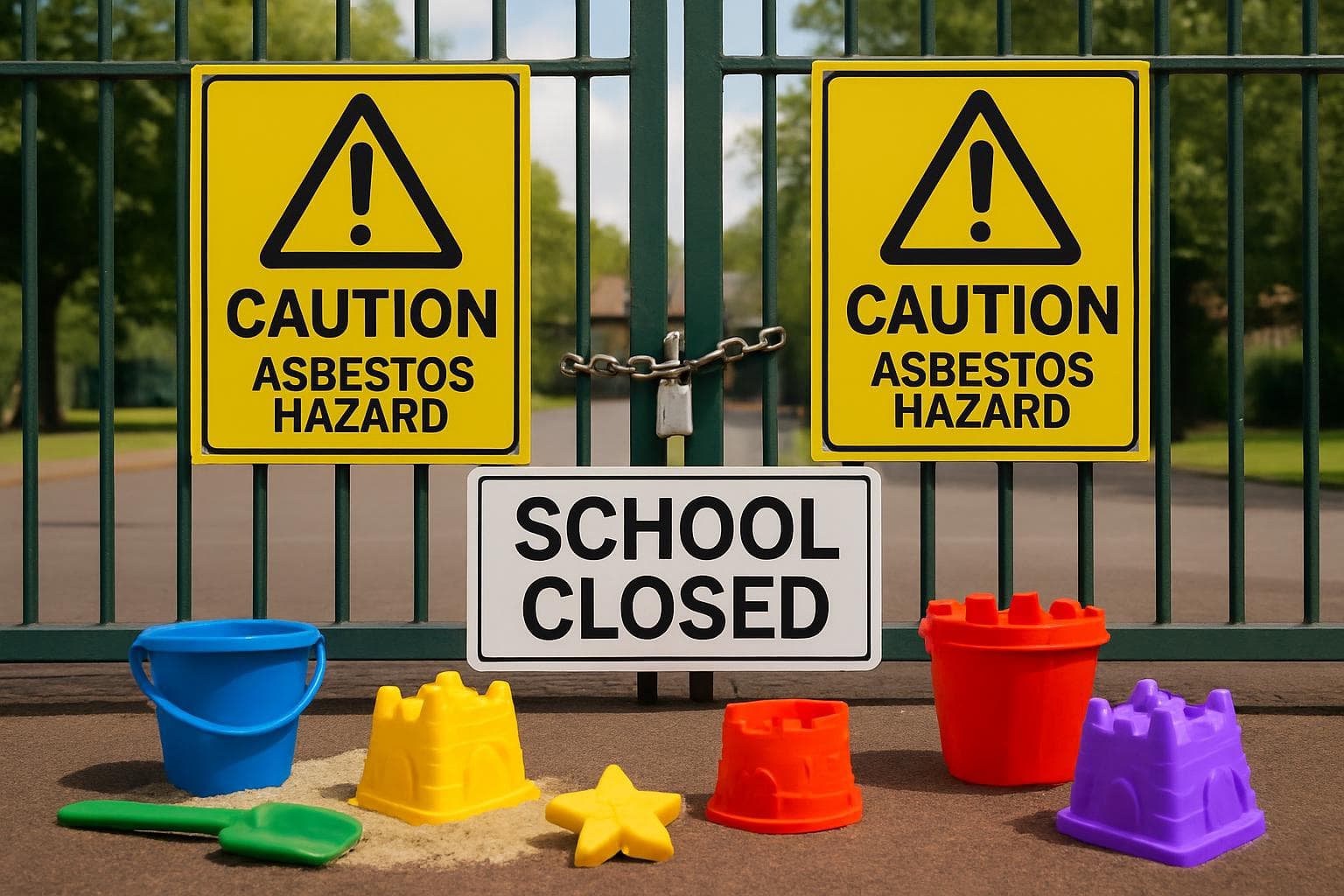
- Nearly 70 schools in the Australian Capital Territory (ACT) closed due to asbestos concerns in play sand.
- Kmart and Target issued a recall for sand products after asbestos traces were found, with the ACCC stating a low risk of airborne asbestos.
- Inspections and air testing are ongoing, with some schools reopening partially or fully.
- New Zealand also saw school closures, with over 150 schools seeking guidance on asbestos-contaminated sand.
- The ACT government emphasizes eliminating risks, despite the low likelihood of asbestos inhalation.
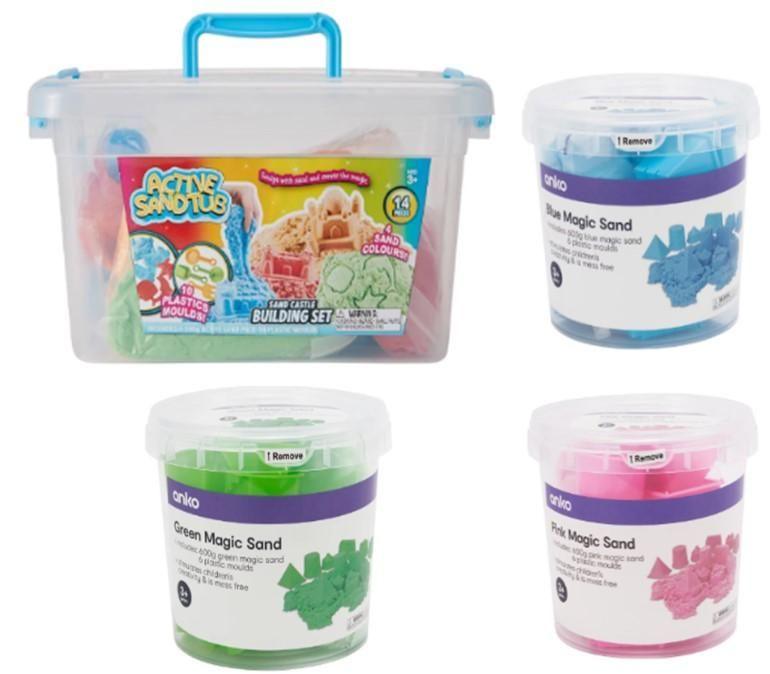
A significant number of schools in the Australian Capital Territory (ACT) and New Zealand have temporarily closed following the discovery of asbestos in children's play sand. The closures come after Kmart and Target recalled several sand products, including the Active Sandtub 14-piece Sand Castle Building Set and Magic Sand tubs, due to asbestos contamination.
Widespread School Closures
In the ACT, 69 schools were shut down on Monday as a precautionary measure after asbestos was detected in some samples of colored play sand. The Australian Competition & Consumer Commission (ACCC) noted that while the risk of airborne asbestos is low, the potential health hazards necessitated immediate action. ACT Education Minister Yvette Berry confirmed that air testing at the schools has so far returned negative results for airborne asbestos.
The situation mirrors developments in New Zealand, where multiple schools have also closed. The Ministry for Business, Innovation and Employment confirmed a recall of similar sand products, with over 150 schools and early childhood centers seeking advice on handling the issue.
Government and Community Response
The ACT government has been proactive in addressing the potential health risks, with State Emergency Service volunteers and school staff conducting thorough inspections over the weekend. Minister Berry emphasized the importance of eliminating risks "as much as reasonably practicable," despite the minimal likelihood of asbestos inhalation.
In New Zealand, schools like Clearview Primary in Rolleston have opted for temporary closures to conduct professional asbestos testing. The Ministry of Education has advised parents to contact Healthline for any health concerns related to asbestos exposure.
Ongoing Inspections and Precautions
As inspections continue, the ACT education department announced that 42 schools would reopen on Tuesday, though some will only partially accommodate students due to ongoing regulatory operations. The ACCC has advised consumers to cease using the recalled products immediately and follow safe disposal methods.
WHAT THIS MIGHT MEAN
The immediate focus for both Australian and New Zealand authorities is to ensure the safety of educational environments through comprehensive testing and risk mitigation. As inspections progress, more schools are expected to reopen, albeit with heightened safety protocols. The situation underscores the critical importance of stringent product safety regulations and the need for rapid response mechanisms in educational settings.
Looking ahead, the incident may prompt a review of import and safety standards for children's products, potentially leading to stricter regulations and oversight. Public health experts may also advocate for increased awareness and education on asbestos risks, ensuring that similar incidents are swiftly identified and managed in the future.
Images from the Web
Related Articles

Canada and Australia Forge Strategic Partnership Amid Global Uncertainty
Christchurch Shooter Seeks to Overturn Guilty Plea Amid Claims of Harsh Prison Conditions
Protests in Minneapolis Intensify Over ICE Shooting of ICU Nurse
New Zealand Transitions from Rescue to Recovery After Devastating Landslide
Tragedy in New Zealand: Landslides Claim Lives and Leave Several Missing
Record Rainfall Triggers Deadly Landslides in New Zealand's Bay of Plenty
Asbestos Concerns Prompt School Closures in Australia and New Zealand
In This Article
 Aya Nakamura| Published
 HIGHLIGHTS
- Nearly 70 schools in the Australian Capital Territory (ACT) closed due to asbestos concerns in play sand.
- Kmart and Target issued a recall for sand products after asbestos traces were found, with the ACCC stating a low risk of airborne asbestos.
- Inspections and air testing are ongoing, with some schools reopening partially or fully.
- New Zealand also saw school closures, with over 150 schools seeking guidance on asbestos-contaminated sand.
- The ACT government emphasizes eliminating risks, despite the low likelihood of asbestos inhalation.
A significant number of schools in the Australian Capital Territory (ACT) and New Zealand have temporarily closed following the discovery of asbestos in children's play sand. The closures come after Kmart and Target recalled several sand products, including the Active Sandtub 14-piece Sand Castle Building Set and Magic Sand tubs, due to asbestos contamination.
Widespread School Closures
In the ACT, 69 schools were shut down on Monday as a precautionary measure after asbestos was detected in some samples of colored play sand. The Australian Competition & Consumer Commission (ACCC) noted that while the risk of airborne asbestos is low, the potential health hazards necessitated immediate action. ACT Education Minister Yvette Berry confirmed that air testing at the schools has so far returned negative results for airborne asbestos.
The situation mirrors developments in New Zealand, where multiple schools have also closed. The Ministry for Business, Innovation and Employment confirmed a recall of similar sand products, with over 150 schools and early childhood centers seeking advice on handling the issue.
Government and Community Response
The ACT government has been proactive in addressing the potential health risks, with State Emergency Service volunteers and school staff conducting thorough inspections over the weekend. Minister Berry emphasized the importance of eliminating risks "as much as reasonably practicable," despite the minimal likelihood of asbestos inhalation.
In New Zealand, schools like Clearview Primary in Rolleston have opted for temporary closures to conduct professional asbestos testing. The Ministry of Education has advised parents to contact Healthline for any health concerns related to asbestos exposure.
Ongoing Inspections and Precautions
As inspections continue, the ACT education department announced that 42 schools would reopen on Tuesday, though some will only partially accommodate students due to ongoing regulatory operations. The ACCC has advised consumers to cease using the recalled products immediately and follow safe disposal methods.
WHAT THIS MIGHT MEAN
The immediate focus for both Australian and New Zealand authorities is to ensure the safety of educational environments through comprehensive testing and risk mitigation. As inspections progress, more schools are expected to reopen, albeit with heightened safety protocols. The situation underscores the critical importance of stringent product safety regulations and the need for rapid response mechanisms in educational settings.
Looking ahead, the incident may prompt a review of import and safety standards for children's products, potentially leading to stricter regulations and oversight. Public health experts may also advocate for increased awareness and education on asbestos risks, ensuring that similar incidents are swiftly identified and managed in the future.
Images from the Web
Related Articles
Canada and Australia Forge Strategic Partnership Amid Global Uncertainty
Christchurch Shooter Seeks to Overturn Guilty Plea Amid Claims of Harsh Prison Conditions
Protests in Minneapolis Intensify Over ICE Shooting of ICU Nurse
New Zealand Transitions from Rescue to Recovery After Devastating Landslide
Tragedy in New Zealand: Landslides Claim Lives and Leave Several Missing
Record Rainfall Triggers Deadly Landslides in New Zealand's Bay of Plenty