
Christchurch Shooter Seeks to Overturn Guilty Plea Amid Claims of Harsh Prison Conditions
In This Article
HIGHLIGHTS
- Brenton Tarrant, the Christchurch shooter, is appealing to withdraw his guilty plea, citing harsh prison conditions affecting his mental health.
- Tarrant, who killed 51 people in the 2019 mosque attacks, was sentenced to life without parole in August 2020.
- The appeal hearing in Wellington will determine if his plea withdrawal is valid, potentially leading to a new trial.
- Victims' families, including Aya al-Umari, are attending the hearing via delayed broadcast, expressing concerns over reopening trauma.
- The court's decision on the plea withdrawal will be released at a later date, with a separate hearing for the sentence appeal if needed.
Brenton Tarrant, the Australian white supremacist responsible for the deadliest mass shooting in New Zealand's history, is seeking to overturn his guilty plea for the 2019 Christchurch mosque attacks. Tarrant, who admitted to killing 51 Muslim worshippers and attempting to murder 40 others, is arguing that his plea was made under duress due to "torturous and inhumane" prison conditions that impaired his mental health.
Tarrant, 35, was sentenced to life imprisonment without the possibility of parole in August 2020, becoming the first individual in New Zealand to receive such a sentence under current laws. However, in 2022, he filed an appeal to withdraw his guilty plea and contest his sentence, claiming that solitary confinement and limited access to reading materials contributed to his mental deterioration.
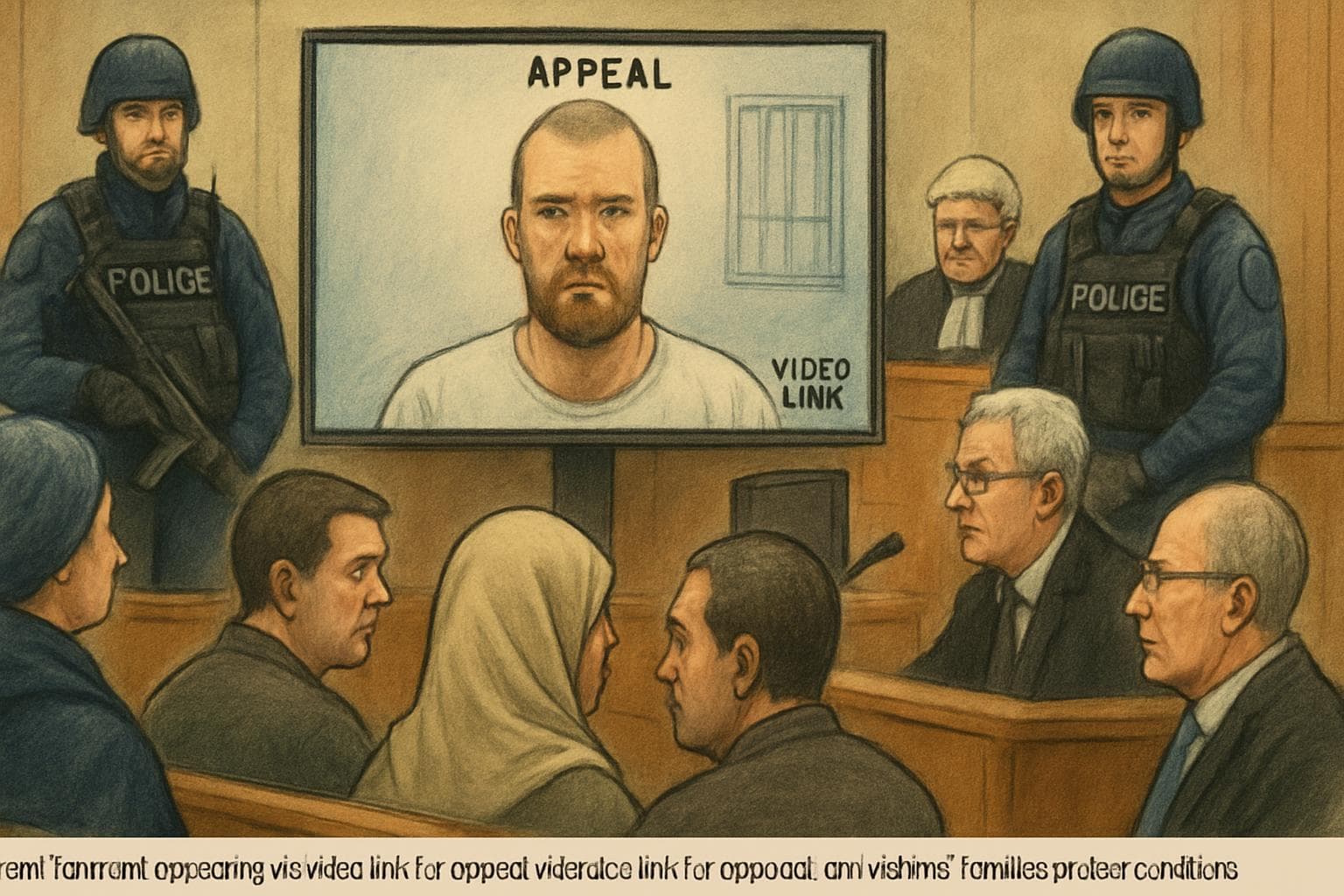
The week-long hearing at New Zealand's Court of Appeal in Wellington is examining whether Tarrant's mental state at the time of his plea was compromised. Appearing via video link, Tarrant stated that he experienced "nervous exhaustion" and felt compelled to plead guilty due to his prison conditions. Crown lawyer Barnaby Hawes challenged this assertion, suggesting that Tarrant had other legal options available, such as delaying his trial on mental health grounds.
Victims' families, including Aya al-Umari, whose brother Hussein was killed in the attack, are following the proceedings through a delayed broadcast. Al-Umari expressed her determination not to let Tarrant's appeal reopen old wounds, stating, "He just wants his limelight and to be relevant again."
Security measures have been heightened for the hearing, with limited public access and provisions for victims to view the proceedings remotely. The court's decision on whether Tarrant can withdraw his plea will be announced at a later date. Should the plea be vacated, the case will return to the high court for a potential trial on all charges. If not, a separate hearing will address his sentence appeal later this year.
WHAT THIS MIGHT MEAN
The outcome of Brenton Tarrant's appeal could have significant legal and emotional implications. If the court allows the withdrawal of his guilty plea, it may lead to a high-profile trial, potentially reigniting public and media attention on the tragic events of 2019. This could further impact the victims' families, who have already endured considerable trauma.
Conversely, if the appeal is denied, it would reaffirm the original sentencing and potentially bring a sense of closure to those affected. Legal experts suggest that the case could set a precedent for how appeals based on prison conditions are handled in New Zealand, influencing future cases involving claims of mental health deterioration due to incarceration.
Related Articles

Fabergé Pendant Recovered After Alleged Theft in Auckland Jewelry Store
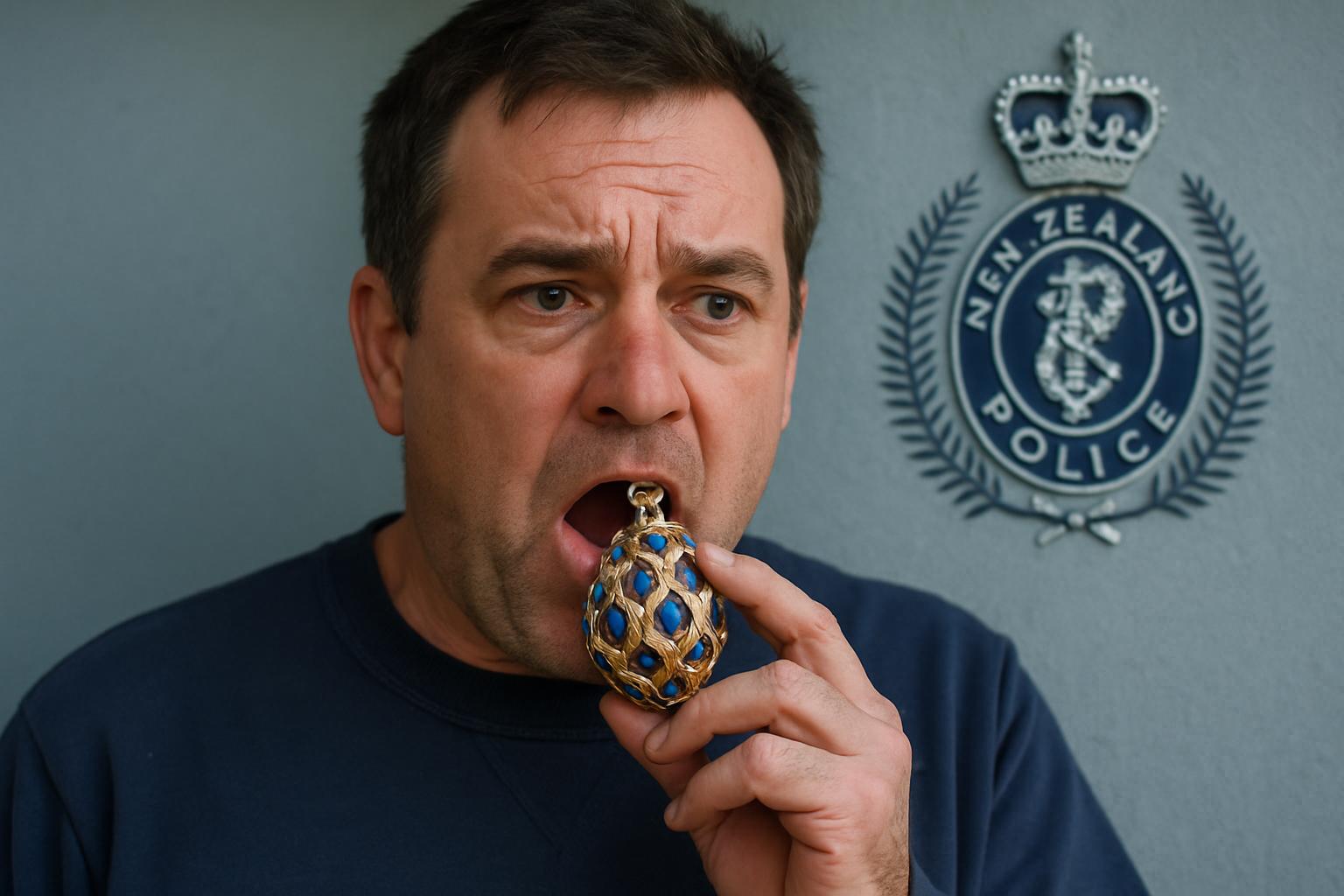
New Zealand Man Charged with Theft After Allegedly Swallowing Fabergé Egg Pendant
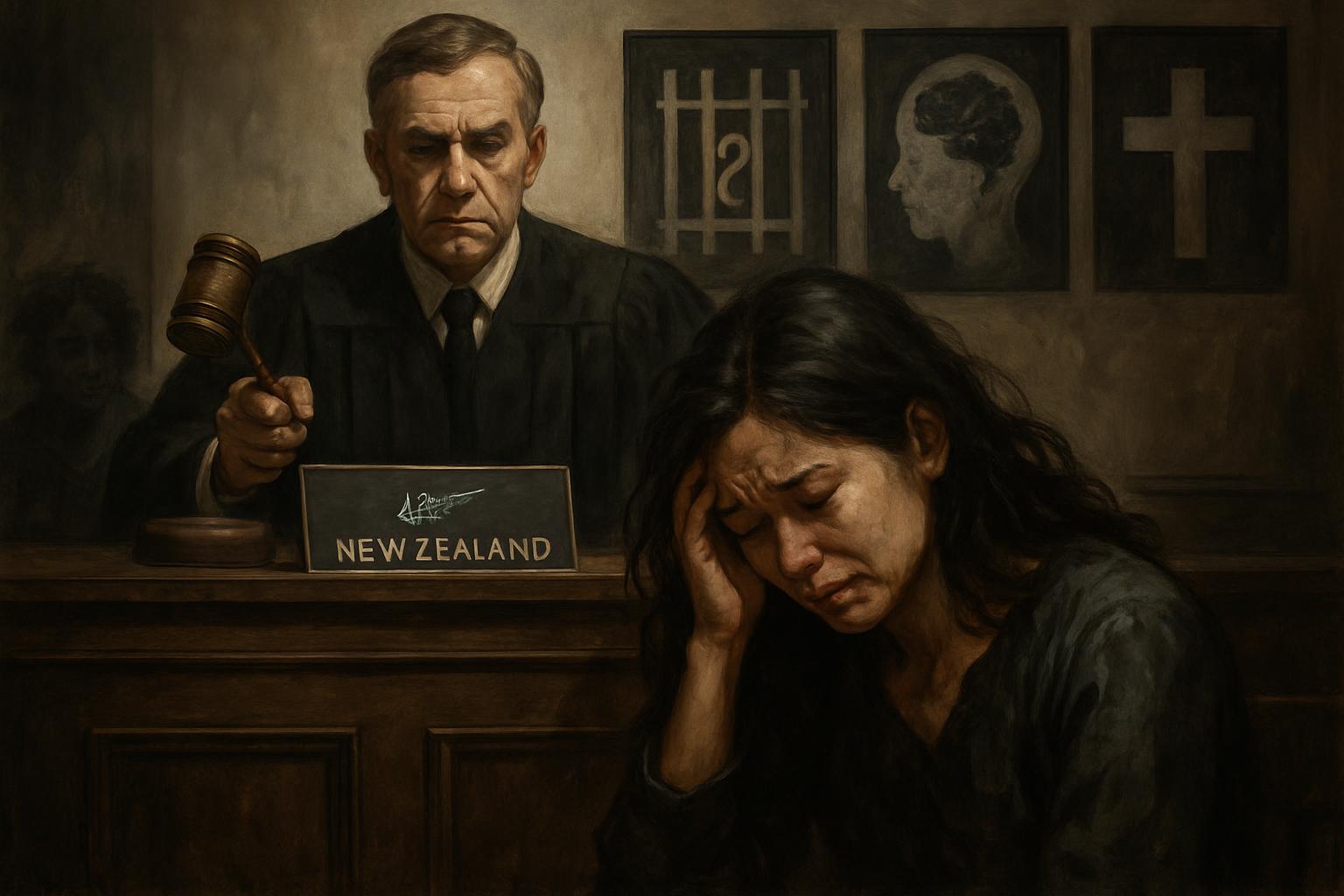
New Zealand Mother Sentenced to Life for 'Suitcase Murders'

Roblox Introduces Age Verification to Enhance Child Safety Amid Legal Scrutiny

Canada and Australia Forge Strategic Partnership Amid Global Uncertainty

Storm Chandra Aftermath: Flood Alerts and Weather Warnings Persist Across South-West England
Christchurch Shooter Seeks to Overturn Guilty Plea Amid Claims of Harsh Prison Conditions
In This Article
 Sofia Romano| Published
 HIGHLIGHTS
- Brenton Tarrant, the Christchurch shooter, is appealing to withdraw his guilty plea, citing harsh prison conditions affecting his mental health.
- Tarrant, who killed 51 people in the 2019 mosque attacks, was sentenced to life without parole in August 2020.
- The appeal hearing in Wellington will determine if his plea withdrawal is valid, potentially leading to a new trial.
- Victims' families, including Aya al-Umari, are attending the hearing via delayed broadcast, expressing concerns over reopening trauma.
- The court's decision on the plea withdrawal will be released at a later date, with a separate hearing for the sentence appeal if needed.
Brenton Tarrant, the Australian white supremacist responsible for the deadliest mass shooting in New Zealand's history, is seeking to overturn his guilty plea for the 2019 Christchurch mosque attacks. Tarrant, who admitted to killing 51 Muslim worshippers and attempting to murder 40 others, is arguing that his plea was made under duress due to "torturous and inhumane" prison conditions that impaired his mental health.
Tarrant, 35, was sentenced to life imprisonment without the possibility of parole in August 2020, becoming the first individual in New Zealand to receive such a sentence under current laws. However, in 2022, he filed an appeal to withdraw his guilty plea and contest his sentence, claiming that solitary confinement and limited access to reading materials contributed to his mental deterioration.
The week-long hearing at New Zealand's Court of Appeal in Wellington is examining whether Tarrant's mental state at the time of his plea was compromised. Appearing via video link, Tarrant stated that he experienced "nervous exhaustion" and felt compelled to plead guilty due to his prison conditions. Crown lawyer Barnaby Hawes challenged this assertion, suggesting that Tarrant had other legal options available, such as delaying his trial on mental health grounds.
Victims' families, including Aya al-Umari, whose brother Hussein was killed in the attack, are following the proceedings through a delayed broadcast. Al-Umari expressed her determination not to let Tarrant's appeal reopen old wounds, stating, "He just wants his limelight and to be relevant again."
Security measures have been heightened for the hearing, with limited public access and provisions for victims to view the proceedings remotely. The court's decision on whether Tarrant can withdraw his plea will be announced at a later date. Should the plea be vacated, the case will return to the high court for a potential trial on all charges. If not, a separate hearing will address his sentence appeal later this year.
WHAT THIS MIGHT MEAN
The outcome of Brenton Tarrant's appeal could have significant legal and emotional implications. If the court allows the withdrawal of his guilty plea, it may lead to a high-profile trial, potentially reigniting public and media attention on the tragic events of 2019. This could further impact the victims' families, who have already endured considerable trauma.
Conversely, if the appeal is denied, it would reaffirm the original sentencing and potentially bring a sense of closure to those affected. Legal experts suggest that the case could set a precedent for how appeals based on prison conditions are handled in New Zealand, influencing future cases involving claims of mental health deterioration due to incarceration.
Related Articles
Fabergé Pendant Recovered After Alleged Theft in Auckland Jewelry Store
New Zealand Man Charged with Theft After Allegedly Swallowing Fabergé Egg Pendant
New Zealand Mother Sentenced to Life for 'Suitcase Murders'
Roblox Introduces Age Verification to Enhance Child Safety Amid Legal Scrutiny
Canada and Australia Forge Strategic Partnership Amid Global Uncertainty
Storm Chandra Aftermath: Flood Alerts and Weather Warnings Persist Across South-West England