
New Zealand Mother Sentenced to Life for 'Suitcase Murders'
In This Article
HIGHLIGHTS
- Hakyung Lee was sentenced to life imprisonment for the murder of her two children, with a minimum of 17 years before parole eligibility.
- The children's bodies were discovered in 2022 in an Auckland storage unit, four years after their deaths.
- Lee's defense argued she was suffering from severe mental health issues following her husband's death in 2017.
- The court acknowledged Lee's mental health struggles but deemed her actions calculated, rejecting the insanity defense.
- The case has deeply affected both Lee's and her late husband's families, leaving lasting emotional scars.
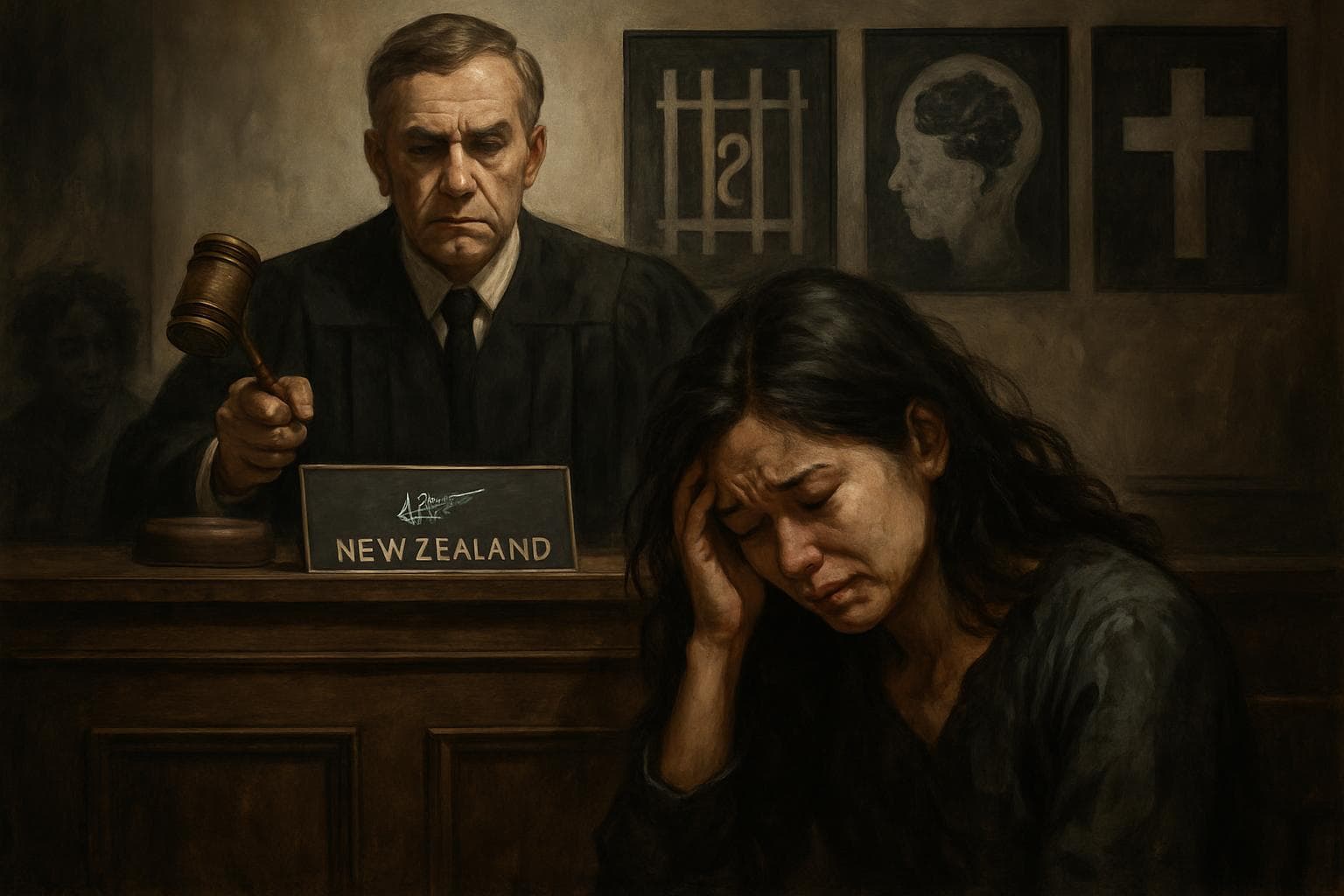
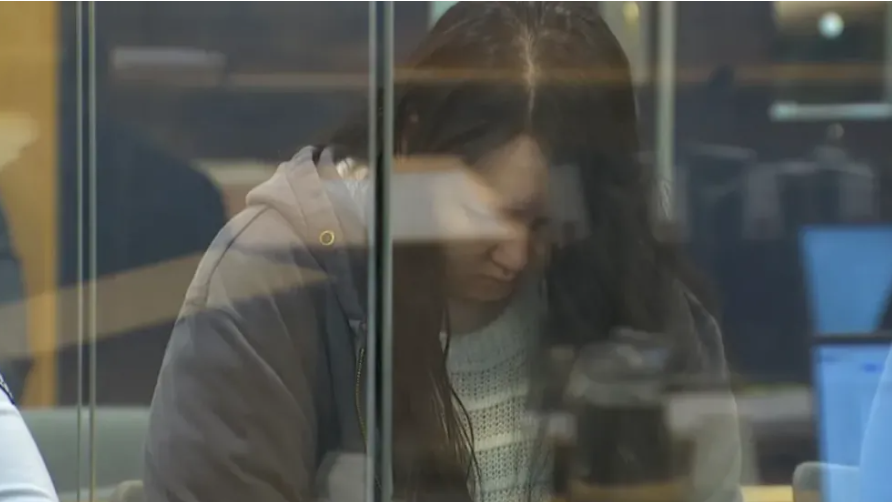
In a case that has gripped New Zealand, Hakyung Lee has been sentenced to life imprisonment for the murder of her two young children, whose bodies were found in suitcases in an Auckland storage unit. The High Court ruled that Lee, 45, must serve at least 17 years before she is eligible for parole.
Discovery and Arrest
The tragic discovery was made in 2022 when a family purchased the contents of an abandoned storage unit at auction, uncovering the remains of eight-year-old Yuna Jo and six-year-old Minu Jo. The children had been killed in 2018, shortly after the death of their father, Ian Jo, from cancer. Lee, originally from South Korea, had fled New Zealand and was living under a new identity when she was arrested in South Korea in September 2022 and extradited back to face trial.
Mental Health and Legal Proceedings
During the trial, Lee's defense argued that she was suffering from severe depression and a prolonged grief reaction following her husband's death. A forensic psychiatrist testified that Lee believed she was acting in her children's best interests. However, the prosecution contended that Lee's actions were deliberate, pointing to her efforts to conceal the bodies and flee the country. High Court Judge Geoffrey Venning acknowledged Lee's mental health issues but concluded that her actions were calculated, rejecting the insanity defense.
Family Impact
The case has left deep emotional scars on both Lee's and Ian Jo's families. In a poignant statement read in court, Lee's mother, Choon Ja Lee, expressed regret for not seeking help for her daughter and questioned why Lee did not take her own life alone. Jimmy Jo, Ian's brother, shared the ongoing pain of the tragedy, stating, "This is an ongoing sentence from which I can never be paroled."
Court's Decision
Judge Venning ordered that Lee be treated as a "special patient" during her imprisonment due to her mental health condition. He noted that Lee's inability to cope with her husband's illness and death may have contributed to her actions, but emphasized the vulnerability of the children and the calculated nature of the crime.
WHAT THIS MIGHT MEAN
The sentencing of Hakyung Lee closes a chapter on a case that has shocked New Zealand, but it leaves open questions about the intersection of mental health and criminal responsibility. Legal experts may continue to debate the adequacy of mental health defenses in cases involving severe emotional distress. The case also highlights the need for better mental health support systems, particularly for those experiencing profound grief and depression. As Lee begins her life sentence, her treatment as a "special patient" may set a precedent for how similar cases are handled in the future, balancing the need for justice with compassion for mental health struggles.
Images from the Web
Related Articles

High Court Upholds Met Police's Freemasons Disclosure Policy

High Court Rules Palestine Action Ban Unlawful, Government to Appeal
Christchurch Shooter Seeks to Overturn Guilty Plea Amid Claims of Harsh Prison Conditions
University of Sussex Challenges Record Fine Over Free Speech Allegations
Noel Clarke Arrested Over 2007 Attempted Rape Allegation

US Investigator Admits to Privacy Breaches for UK Tabloids in High-Profile Legal Case
New Zealand Mother Sentenced to Life for 'Suitcase Murders'
In This Article
 Sofia Romano| Published
 HIGHLIGHTS
- Hakyung Lee was sentenced to life imprisonment for the murder of her two children, with a minimum of 17 years before parole eligibility.
- The children's bodies were discovered in 2022 in an Auckland storage unit, four years after their deaths.
- Lee's defense argued she was suffering from severe mental health issues following her husband's death in 2017.
- The court acknowledged Lee's mental health struggles but deemed her actions calculated, rejecting the insanity defense.
- The case has deeply affected both Lee's and her late husband's families, leaving lasting emotional scars.
In a case that has gripped New Zealand, Hakyung Lee has been sentenced to life imprisonment for the murder of her two young children, whose bodies were found in suitcases in an Auckland storage unit. The High Court ruled that Lee, 45, must serve at least 17 years before she is eligible for parole.
Discovery and Arrest
The tragic discovery was made in 2022 when a family purchased the contents of an abandoned storage unit at auction, uncovering the remains of eight-year-old Yuna Jo and six-year-old Minu Jo. The children had been killed in 2018, shortly after the death of their father, Ian Jo, from cancer. Lee, originally from South Korea, had fled New Zealand and was living under a new identity when she was arrested in South Korea in September 2022 and extradited back to face trial.
Mental Health and Legal Proceedings
During the trial, Lee's defense argued that she was suffering from severe depression and a prolonged grief reaction following her husband's death. A forensic psychiatrist testified that Lee believed she was acting in her children's best interests. However, the prosecution contended that Lee's actions were deliberate, pointing to her efforts to conceal the bodies and flee the country. High Court Judge Geoffrey Venning acknowledged Lee's mental health issues but concluded that her actions were calculated, rejecting the insanity defense.
Family Impact
The case has left deep emotional scars on both Lee's and Ian Jo's families. In a poignant statement read in court, Lee's mother, Choon Ja Lee, expressed regret for not seeking help for her daughter and questioned why Lee did not take her own life alone. Jimmy Jo, Ian's brother, shared the ongoing pain of the tragedy, stating, "This is an ongoing sentence from which I can never be paroled."
Court's Decision
Judge Venning ordered that Lee be treated as a "special patient" during her imprisonment due to her mental health condition. He noted that Lee's inability to cope with her husband's illness and death may have contributed to her actions, but emphasized the vulnerability of the children and the calculated nature of the crime.
WHAT THIS MIGHT MEAN
The sentencing of Hakyung Lee closes a chapter on a case that has shocked New Zealand, but it leaves open questions about the intersection of mental health and criminal responsibility. Legal experts may continue to debate the adequacy of mental health defenses in cases involving severe emotional distress. The case also highlights the need for better mental health support systems, particularly for those experiencing profound grief and depression. As Lee begins her life sentence, her treatment as a "special patient" may set a precedent for how similar cases are handled in the future, balancing the need for justice with compassion for mental health struggles.
Images from the Web
Related Articles
High Court Upholds Met Police's Freemasons Disclosure Policy
High Court Rules Palestine Action Ban Unlawful, Government to Appeal
Christchurch Shooter Seeks to Overturn Guilty Plea Amid Claims of Harsh Prison Conditions
University of Sussex Challenges Record Fine Over Free Speech Allegations
Noel Clarke Arrested Over 2007 Attempted Rape Allegation
US Investigator Admits to Privacy Breaches for UK Tabloids in High-Profile Legal Case