
BBC Licence Fee to Increase Amidst Funding Model Review
In This Article
HIGHLIGHTS
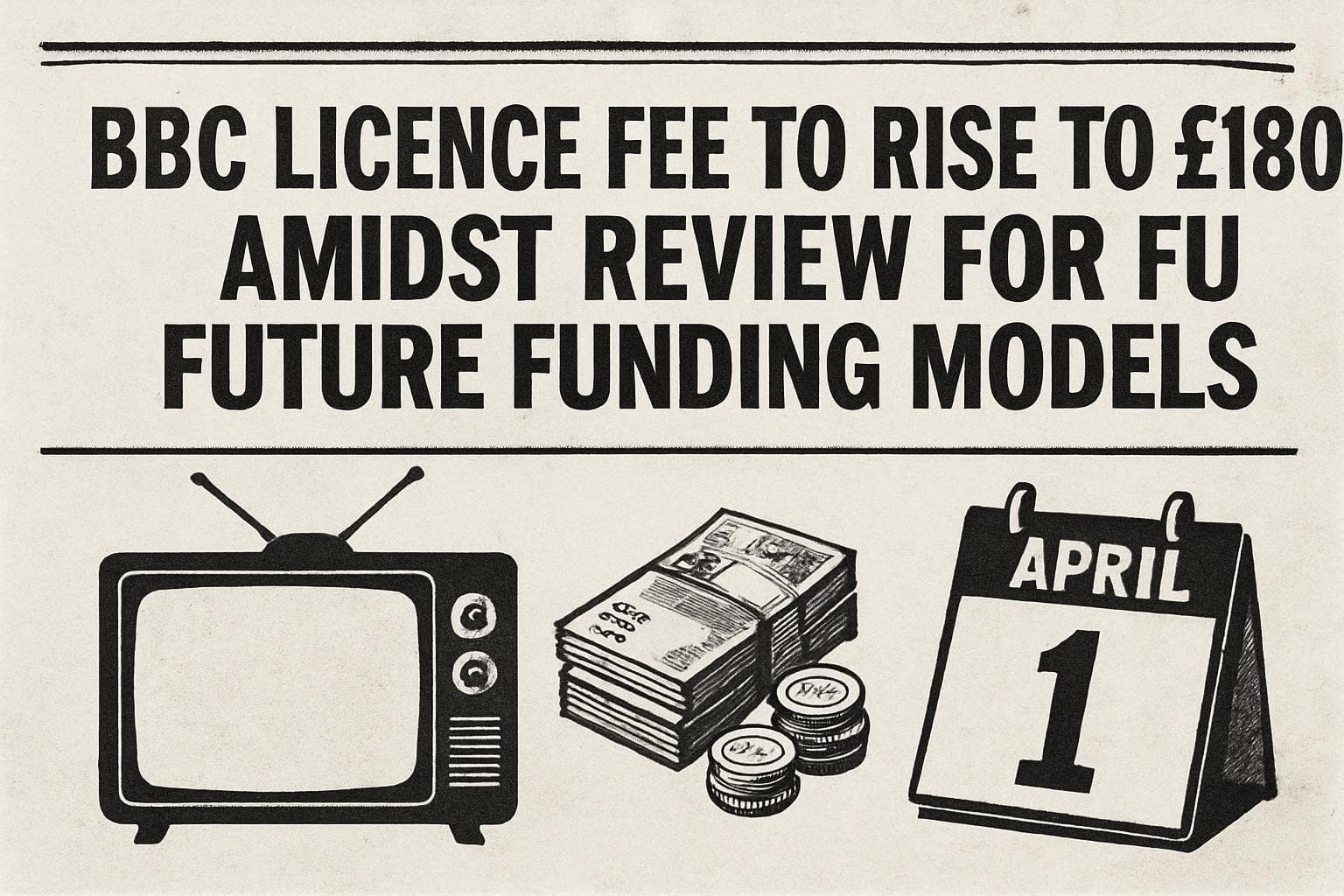
- The TV licence fee will increase by £5.50 to £180 from 1 April, aligning with inflation rates.
- The fee supports BBC services and will continue to rise with inflation until 2027, as per the 2022 agreement.
- The UK government is exploring future funding models for the BBC, including subscription and advertising options.
- Free licences remain for over-75s on pension credit, with reduced fees for care home residents and blind individuals.
- A public consultation is underway regarding the BBC's funding and its Royal Charter renewal in 2027.
The UK government has announced that the TV licence fee will rise by £5.50 to £180 starting 1 April, in accordance with inflation adjustments. This increase is part of a pre-established agreement from 2022, which mandates that the fee will continue to rise with inflation until 2027. The licence fee is a crucial funding source for the BBC, enabling it to deliver a wide range of services, including trusted news and original programming.
Funding Model Under Review
As the licence fee remains the primary funding mechanism for the BBC, the Department for Culture, Media and Sport (DCMS) has emphasized the need for a sustainable, fair, and affordable model. The government is currently conducting a public consultation to explore potential alternatives to the existing system. Options under consideration include a subscription model or an advertising-based approach, which could replace the flat fee structure.
Support for Vulnerable Groups
To alleviate financial pressures on households, the government has committed to maintaining free licences for over-75s on pension credit, along with reduced fees for care home residents and blind individuals. Additionally, a simple payment plan will be available to help spread the cost of the licence fee through smaller instalments.
Future of the BBC
The ongoing consultation is part of a broader discussion about the BBC's future, as its Royal Charter is set for renewal in 2027. A BBC spokesperson highlighted the importance of the licence fee in providing financial stability, supporting the UK's creative industries, and ensuring the delivery of high-quality content. The spokesperson also expressed a desire for reforms that would allow the BBC to remain independent and sustainably funded for the long term.
WHAT THIS MIGHT MEAN
The outcome of the public consultation could significantly reshape the BBC's funding model, potentially moving away from the traditional licence fee. If a subscription or advertising model is adopted, it may alter how audiences access BBC content and how the corporation operates financially. Experts suggest that any changes will need to balance financial sustainability with accessibility, ensuring that the BBC continues to serve diverse audiences across the UK. As the Royal Charter renewal approaches, the government and the BBC will need to navigate these complex discussions to secure the broadcaster's future.
Related Articles
Prince Andrew's Ties to Epstein Under Scrutiny Amid Calls for Inquiry
Government Criticized for Mishandling Maccabi Tel Aviv Fan Ban
Prince Andrew's Arrest Intensifies Scrutiny on Royal Succession and Prince William's Future Role

UK Defence Faces Scrutiny Amid Ajax Armoured Vehicle Delays and Soldier Safety Concerns

Government Announces £4 Billion Overhaul of SEND Support in England

UK Government's SEND Reforms: A Critical Turning Point for Special Education
BBC Licence Fee to Increase Amidst Funding Model Review
In This Article
 Ethan Brooks| Published
 HIGHLIGHTS
- The TV licence fee will increase by £5.50 to £180 from 1 April, aligning with inflation rates.
- The fee supports BBC services and will continue to rise with inflation until 2027, as per the 2022 agreement.
- The UK government is exploring future funding models for the BBC, including subscription and advertising options.
- Free licences remain for over-75s on pension credit, with reduced fees for care home residents and blind individuals.
- A public consultation is underway regarding the BBC's funding and its Royal Charter renewal in 2027.
The UK government has announced that the TV licence fee will rise by £5.50 to £180 starting 1 April, in accordance with inflation adjustments. This increase is part of a pre-established agreement from 2022, which mandates that the fee will continue to rise with inflation until 2027. The licence fee is a crucial funding source for the BBC, enabling it to deliver a wide range of services, including trusted news and original programming.
Funding Model Under Review
As the licence fee remains the primary funding mechanism for the BBC, the Department for Culture, Media and Sport (DCMS) has emphasized the need for a sustainable, fair, and affordable model. The government is currently conducting a public consultation to explore potential alternatives to the existing system. Options under consideration include a subscription model or an advertising-based approach, which could replace the flat fee structure.
Support for Vulnerable Groups
To alleviate financial pressures on households, the government has committed to maintaining free licences for over-75s on pension credit, along with reduced fees for care home residents and blind individuals. Additionally, a simple payment plan will be available to help spread the cost of the licence fee through smaller instalments.
Future of the BBC
The ongoing consultation is part of a broader discussion about the BBC's future, as its Royal Charter is set for renewal in 2027. A BBC spokesperson highlighted the importance of the licence fee in providing financial stability, supporting the UK's creative industries, and ensuring the delivery of high-quality content. The spokesperson also expressed a desire for reforms that would allow the BBC to remain independent and sustainably funded for the long term.
WHAT THIS MIGHT MEAN
The outcome of the public consultation could significantly reshape the BBC's funding model, potentially moving away from the traditional licence fee. If a subscription or advertising model is adopted, it may alter how audiences access BBC content and how the corporation operates financially. Experts suggest that any changes will need to balance financial sustainability with accessibility, ensuring that the BBC continues to serve diverse audiences across the UK. As the Royal Charter renewal approaches, the government and the BBC will need to navigate these complex discussions to secure the broadcaster's future.
Related Articles
Prince Andrew's Ties to Epstein Under Scrutiny Amid Calls for Inquiry
Government Criticized for Mishandling Maccabi Tel Aviv Fan Ban
Prince Andrew's Arrest Intensifies Scrutiny on Royal Succession and Prince William's Future Role
UK Defence Faces Scrutiny Amid Ajax Armoured Vehicle Delays and Soldier Safety Concerns
Government Announces £4 Billion Overhaul of SEND Support in England
UK Government's SEND Reforms: A Critical Turning Point for Special Education