
Berlin Blackout Exposes Vulnerabilities in German Infrastructure

In This Article
HIGHLIGHTS
- Berlin experienced its longest post-war blackout, affecting 45,000 households and critical infrastructure.
- The Vulkangruppe, a left-wing militant group, claimed responsibility for the sabotage targeting fossil fuel dependency.
- Federal prosecutors are investigating the attack, highlighting vulnerabilities in Germany's energy infrastructure.
- The power outage sparked public outcry and calls for improved civil protection and disaster relief measures.
- Emergency services and the army were mobilized to assist affected residents and restore power.
Berlin has been grappling with its longest power outage since World War II, as electricity was finally restored to the last affected homes after a five-day blackout. The outage, which plunged 45,000 households and numerous businesses into darkness, was the result of a suspected arson attack by the far-left militant group Vulkangruppe. The group claimed the attack was a protest against Germany's reliance on fossil fuels.
Impact on Residents and Services
The blackout, which began on Saturday, severely disrupted daily life in Berlin's south-western districts, including Steglitz-Zehlendorf. Schools, hospitals, and care homes were among the affected facilities, with emergency generators providing limited relief. Residents like Lena and Reinhold shared their struggles, relying on battery-powered radios and camping stoves to cope with the cold and lack of power. The Red Cross and the army were deployed to distribute essentials and assist with repairs.
Investigation and Response
Federal prosecutors have taken over the investigation into the Vulkangruppe, whose actions have raised serious concerns about Germany's energy security. Despite footprints left in the snow, investigators have limited leads. The attack has prompted widespread public anger and demands for answers on how such a critical infrastructure could be so vulnerable. Berlin's mayor, Kai Wegner, and energy senator, Franziska Giffey, faced public scrutiny as they visited affected areas, acknowledging the need for enhanced civil protection measures.
Public Reaction and Future Measures
The incident has sparked a debate on Germany's preparedness for sabotage attacks, with calls for increased investment in disaster relief and infrastructure security. The Red Cross emphasized the urgency of bolstering domestic civil protection, as volunteers distributed supplies to those in need. The attack has also reignited discussions on Germany's energy policies and the balance between fossil fuel dependency and renewable energy sources.
WHAT THIS MIGHT MEAN
The recent sabotage attack in Berlin underscores the urgent need for Germany to reassess its energy infrastructure and security measures. As federal prosecutors continue their investigation, the incident may lead to stricter regulations and increased funding for civil protection and disaster preparedness. Politically, the attack could influence Germany's energy policy, potentially accelerating the transition to renewable energy sources. Experts suggest that addressing these vulnerabilities is crucial to preventing future disruptions and ensuring the resilience of Europe's largest economy.
Related Articles
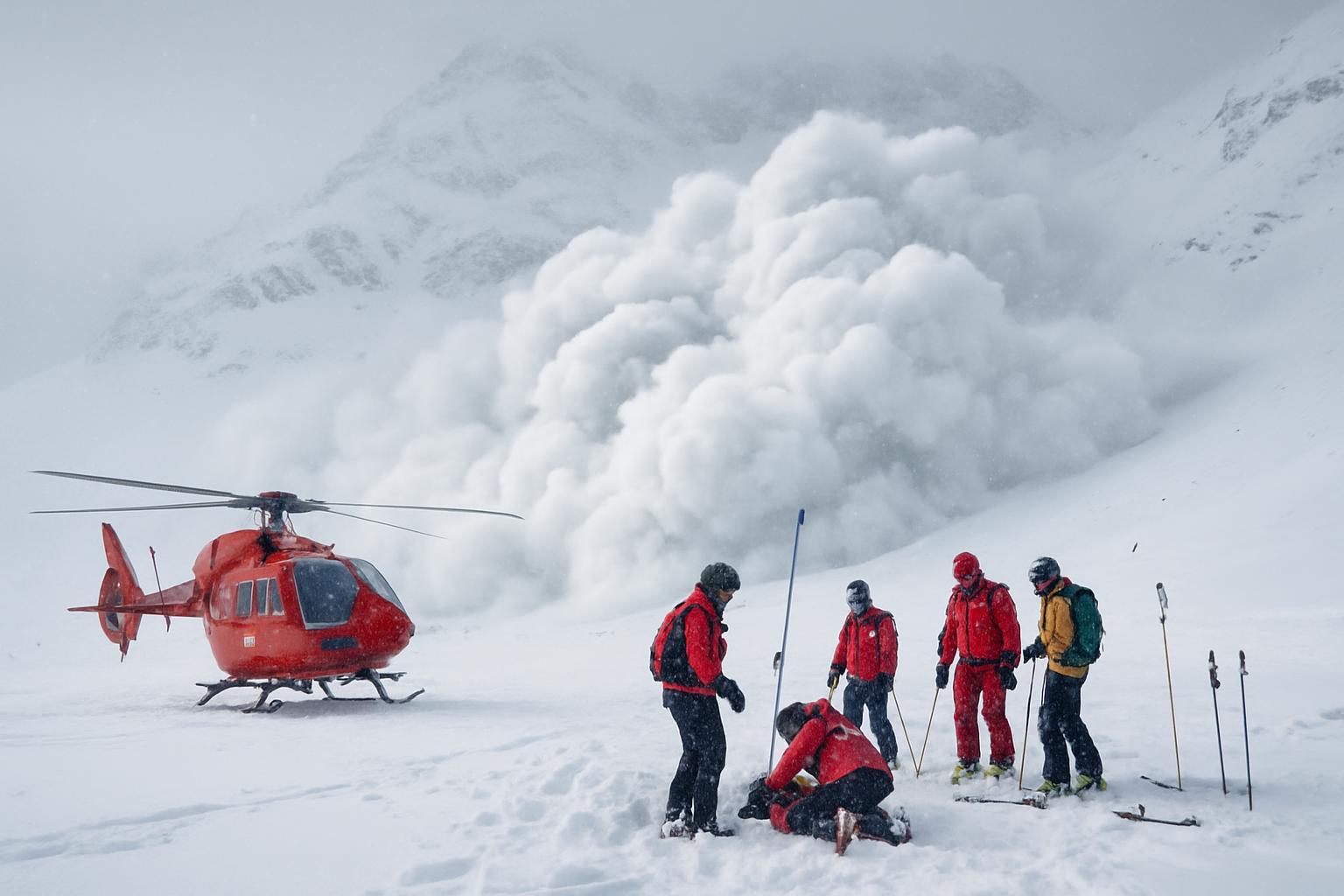
Avalanches Claim Five Lives in Austrian Alps Amid Severe Weather Conditions

Global Counsel Enters Administration Amid Epstein Link Fallout

Global Counsel Faces Collapse Amidst Epstein Scandal Fallout

Trump's Board of Peace Pledges $7 Billion for Gaza Amidst International Skepticism

NHS Faces Joint Surgery Delays Amid Bone Cement Shortage

New UK Entry Rules for Dual Nationals Spark Outcry
Berlin Blackout Exposes Vulnerabilities in German Infrastructure
In This Article
 Leila Hassan| Published
 HIGHLIGHTS
- Berlin experienced its longest post-war blackout, affecting 45,000 households and critical infrastructure.
- The Vulkangruppe, a left-wing militant group, claimed responsibility for the sabotage targeting fossil fuel dependency.
- Federal prosecutors are investigating the attack, highlighting vulnerabilities in Germany's energy infrastructure.
- The power outage sparked public outcry and calls for improved civil protection and disaster relief measures.
- Emergency services and the army were mobilized to assist affected residents and restore power.
Berlin has been grappling with its longest power outage since World War II, as electricity was finally restored to the last affected homes after a five-day blackout. The outage, which plunged 45,000 households and numerous businesses into darkness, was the result of a suspected arson attack by the far-left militant group Vulkangruppe. The group claimed the attack was a protest against Germany's reliance on fossil fuels.
Impact on Residents and Services
The blackout, which began on Saturday, severely disrupted daily life in Berlin's south-western districts, including Steglitz-Zehlendorf. Schools, hospitals, and care homes were among the affected facilities, with emergency generators providing limited relief. Residents like Lena and Reinhold shared their struggles, relying on battery-powered radios and camping stoves to cope with the cold and lack of power. The Red Cross and the army were deployed to distribute essentials and assist with repairs.
Investigation and Response
Federal prosecutors have taken over the investigation into the Vulkangruppe, whose actions have raised serious concerns about Germany's energy security. Despite footprints left in the snow, investigators have limited leads. The attack has prompted widespread public anger and demands for answers on how such a critical infrastructure could be so vulnerable. Berlin's mayor, Kai Wegner, and energy senator, Franziska Giffey, faced public scrutiny as they visited affected areas, acknowledging the need for enhanced civil protection measures.
Public Reaction and Future Measures
The incident has sparked a debate on Germany's preparedness for sabotage attacks, with calls for increased investment in disaster relief and infrastructure security. The Red Cross emphasized the urgency of bolstering domestic civil protection, as volunteers distributed supplies to those in need. The attack has also reignited discussions on Germany's energy policies and the balance between fossil fuel dependency and renewable energy sources.
WHAT THIS MIGHT MEAN
The recent sabotage attack in Berlin underscores the urgent need for Germany to reassess its energy infrastructure and security measures. As federal prosecutors continue their investigation, the incident may lead to stricter regulations and increased funding for civil protection and disaster preparedness. Politically, the attack could influence Germany's energy policy, potentially accelerating the transition to renewable energy sources. Experts suggest that addressing these vulnerabilities is crucial to preventing future disruptions and ensuring the resilience of Europe's largest economy.
Related Articles
Avalanches Claim Five Lives in Austrian Alps Amid Severe Weather Conditions
Global Counsel Enters Administration Amid Epstein Link Fallout
Global Counsel Faces Collapse Amidst Epstein Scandal Fallout
Trump's Board of Peace Pledges $7 Billion for Gaza Amidst International Skepticism
NHS Faces Joint Surgery Delays Amid Bone Cement Shortage
New UK Entry Rules for Dual Nationals Spark Outcry