
Blair's Designer Discounts Sparked Concerns Over Public Perception and Ministerial Code
In This Article
HIGHLIGHTS
- Tony and Cherie Blair received substantial discounts on designer clothing, raising concerns about public perception and ministerial code compliance.
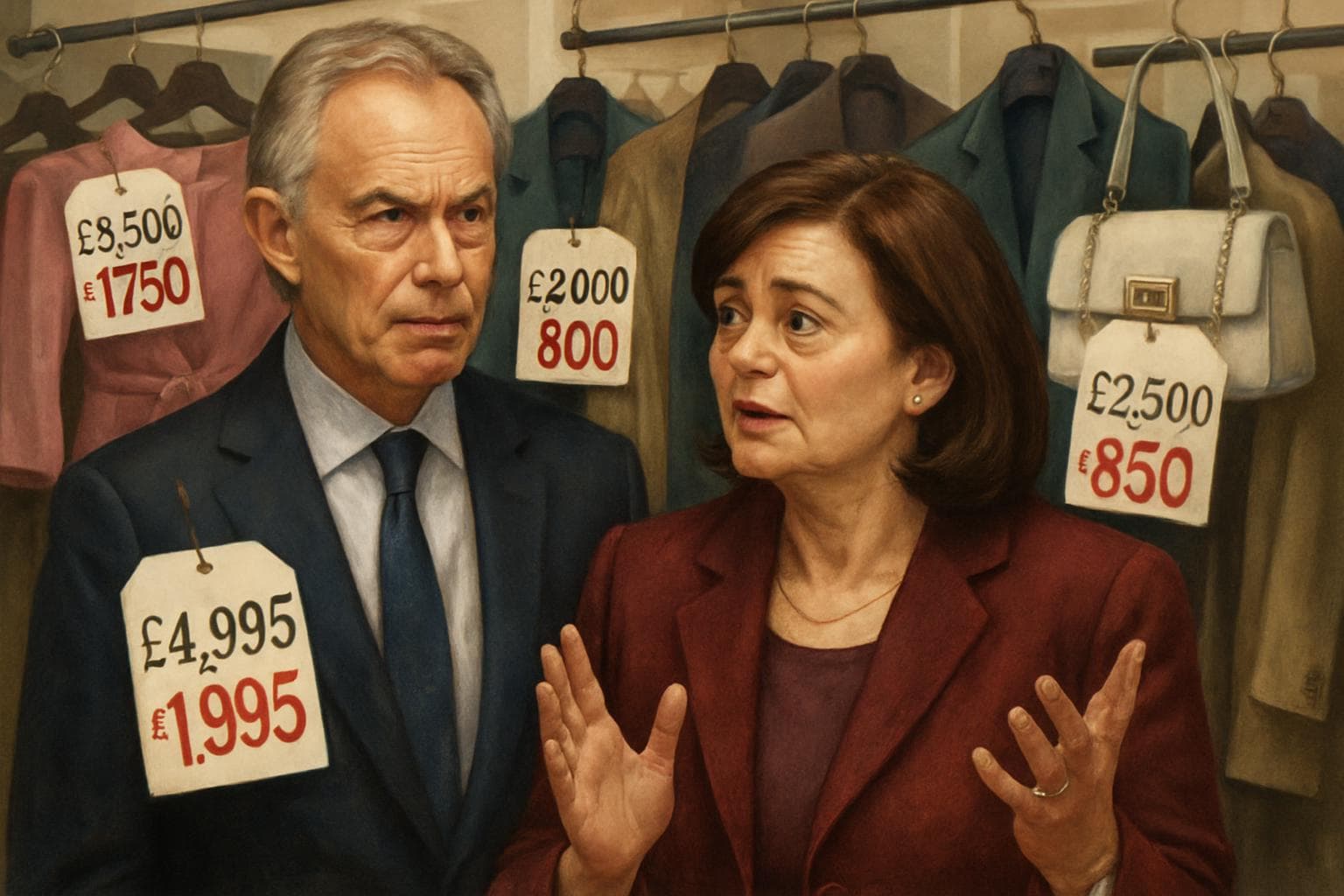
- Between July 2001 and December 2002, Cherie Blair purchased clothes worth over £75,000 but paid only £31,000, benefiting from discounts negotiated by Carole Caplin.
- Downing Street officials advised the Blairs to repay part of the discounts to avoid scrutiny, with specific amounts suggested for repayment to designers like Paul Smith and Nicole Farhi.
- The discounts, which were as high as 60%, were arranged by Caplin, who was both a fitness adviser to Tony Blair and a style adviser to Cherie Blair.
- Newly released documents from the National Archives reveal the internal discussions and concerns about the optics of these discounts during Blair's tenure as Prime Minister.
Newly released documents from the National Archives have shed light on the substantial discounts on designer clothing received by former UK Prime Minister Tony Blair and his wife, Cherie, during his time in office. The revelations have sparked discussions about public perception and compliance with the ministerial code.
Discounts and Concerns
Between July 2001 and December 2002, Cherie Blair acquired designer clothing worth over £75,000, paying only £31,000 after discounts. These discounts, negotiated by Carole Caplin, a fitness adviser to Tony Blair and style adviser to Cherie, included significant reductions from high-end designers such as Nicole Farhi, Burberry, and Paul Smith. The discounts, which reached up to 60%, raised concerns among Downing Street officials about the potential need for disclosure under the new ministerial code.
Advisory and Recommendations
In February 2003, Clare Sumner, then No 10 private secretary, expressed concerns about the public perception of these discounts, noting the large amounts involved. She recommended that the Blairs repay part of the discounts to avoid scrutiny. Specific amounts were suggested for repayment, including £1,116 to Paul Smith and £6,532 to Nicole Farhi, to ensure compliance and maintain a defensible position if questioned by the press.
Internal Discussions and Actions
The documents reveal that Tony Blair himself was involved in the discussions, with notes indicating his intention to address the issue. Cherie Blair was advised to obtain written confirmation from designers that the discounts were standard practice for individuals with personal shoppers. The aim was to satisfy the cabinet secretary, Sir Andrew Turnbull, that no preferential treatment was given.
Public Perception and Ministerial Code
The discounts, which dated back to before Blair's premiership, were a source of concern for Downing Street officials, who were wary of the optics and potential backlash. While the Blairs could argue that other public figures received similar treatment, the scale of the discounts made it challenging to justify under the ministerial code.
WHAT THIS MIGHT MEAN
The release of these documents could reignite debates about transparency and ethical standards for public officials. If further scrutiny arises, it may prompt discussions on revising the ministerial code to address similar situations more explicitly. Experts suggest that the Blairs' case highlights the need for clearer guidelines on the acceptance of gifts and discounts by public figures to maintain public trust. As the political landscape evolves, such historical cases may influence future policy decisions regarding transparency and accountability in public office.
Related Articles
Leadership Crisis Deepens as Key Aides Resign from Starmer's Team
Diplomatic Tensions Rise as Trump Criticizes Starmer's Iran Policy
Starmer Condemns Reform UK's Plan to Repeal Equality Act as Un-British
Jim Ratcliffe Faces Backlash Over Controversial Immigration Remarks
Keir Starmer Faces Pressure Over Appointments and Calls for Cultural Change
Keir Starmer Faces Leadership Crisis Amid Calls for Resignation
Blair's Designer Discounts Sparked Concerns Over Public Perception and Ministerial Code
In This Article
 Aya Nakamura| Published
 HIGHLIGHTS
- Tony and Cherie Blair received substantial discounts on designer clothing, raising concerns about public perception and ministerial code compliance.
- Between July 2001 and December 2002, Cherie Blair purchased clothes worth over £75,000 but paid only £31,000, benefiting from discounts negotiated by Carole Caplin.
- Downing Street officials advised the Blairs to repay part of the discounts to avoid scrutiny, with specific amounts suggested for repayment to designers like Paul Smith and Nicole Farhi.
- The discounts, which were as high as 60%, were arranged by Caplin, who was both a fitness adviser to Tony Blair and a style adviser to Cherie Blair.
- Newly released documents from the National Archives reveal the internal discussions and concerns about the optics of these discounts during Blair's tenure as Prime Minister.
Newly released documents from the National Archives have shed light on the substantial discounts on designer clothing received by former UK Prime Minister Tony Blair and his wife, Cherie, during his time in office. The revelations have sparked discussions about public perception and compliance with the ministerial code.
Discounts and Concerns
Between July 2001 and December 2002, Cherie Blair acquired designer clothing worth over £75,000, paying only £31,000 after discounts. These discounts, negotiated by Carole Caplin, a fitness adviser to Tony Blair and style adviser to Cherie, included significant reductions from high-end designers such as Nicole Farhi, Burberry, and Paul Smith. The discounts, which reached up to 60%, raised concerns among Downing Street officials about the potential need for disclosure under the new ministerial code.
Advisory and Recommendations
In February 2003, Clare Sumner, then No 10 private secretary, expressed concerns about the public perception of these discounts, noting the large amounts involved. She recommended that the Blairs repay part of the discounts to avoid scrutiny. Specific amounts were suggested for repayment, including £1,116 to Paul Smith and £6,532 to Nicole Farhi, to ensure compliance and maintain a defensible position if questioned by the press.
Internal Discussions and Actions
The documents reveal that Tony Blair himself was involved in the discussions, with notes indicating his intention to address the issue. Cherie Blair was advised to obtain written confirmation from designers that the discounts were standard practice for individuals with personal shoppers. The aim was to satisfy the cabinet secretary, Sir Andrew Turnbull, that no preferential treatment was given.
Public Perception and Ministerial Code
The discounts, which dated back to before Blair's premiership, were a source of concern for Downing Street officials, who were wary of the optics and potential backlash. While the Blairs could argue that other public figures received similar treatment, the scale of the discounts made it challenging to justify under the ministerial code.
WHAT THIS MIGHT MEAN
The release of these documents could reignite debates about transparency and ethical standards for public officials. If further scrutiny arises, it may prompt discussions on revising the ministerial code to address similar situations more explicitly. Experts suggest that the Blairs' case highlights the need for clearer guidelines on the acceptance of gifts and discounts by public figures to maintain public trust. As the political landscape evolves, such historical cases may influence future policy decisions regarding transparency and accountability in public office.
Related Articles
Leadership Crisis Deepens as Key Aides Resign from Starmer's Team
Diplomatic Tensions Rise as Trump Criticizes Starmer's Iran Policy
Starmer Condemns Reform UK's Plan to Repeal Equality Act as Un-British
Jim Ratcliffe Faces Backlash Over Controversial Immigration Remarks
Keir Starmer Faces Pressure Over Appointments and Calls for Cultural Change
Keir Starmer Faces Leadership Crisis Amid Calls for Resignation