
Starmer Condemns Reform UK's Plan to Repeal Equality Act as Un-British
In This Article
HIGHLIGHTS
- Prime Minister Keir Starmer criticized Reform UK's plan to repeal the Equality Act, calling it "shocking" and contrary to British values.
- Reform UK's Suella Braverman, a former Conservative, supports scrapping the Equality Act, citing issues with diversity and inclusion.
- The Equality Act, passed in 2010, provides legal protections against discrimination based on gender, race, and other characteristics.
- Starmer emphasized the importance of these protections, stating they are fundamental to British identity and equality.
- Reform UK leader Nigel Farage aims to remove the concept of "protected characteristics" while maintaining workplace protections.
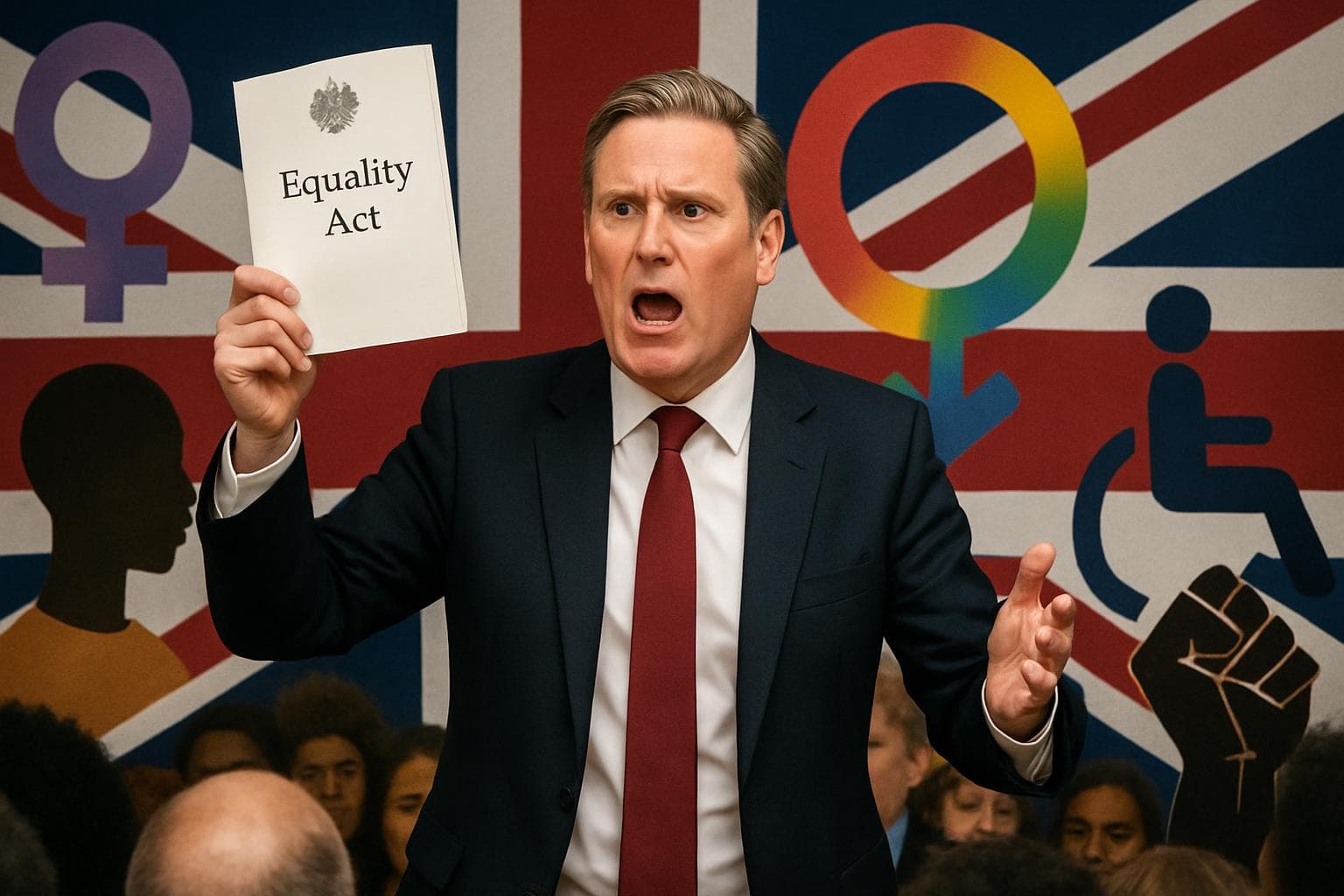
Prime Minister Keir Starmer has strongly criticized Reform UK's proposal to repeal the Equality Act, describing the move as "shocking" and fundamentally un-British. In a BBC Breakfast interview, Starmer emphasized that the legislation, which has been in place since 2010, is central to British values, providing essential protections against discrimination based on gender, race, and other characteristics.
Reform UK's Controversial Proposal
The proposal to dismantle the Equality Act was reiterated by Suella Braverman, who recently joined Reform UK after serving as a Conservative home secretary. Braverman argued that the country is being "ripped apart by diversity, equality, and inclusion," and pledged to abolish the law if Reform UK gains power. However, she did not specify what would replace these protections.
Reform UK leader Nigel Farage has previously stated that the party's intention is to eliminate the "divisive notion of protected characteristics" while still safeguarding individuals in the workplace. This stance has sparked significant debate, with critics arguing it undermines decades of progress in gender equality and anti-discrimination efforts.
Starmer's Defense of Equality Protections
Starmer, in his remarks, underscored the importance of the Equality Act, noting that it embodies core British values of tolerance, compassion, and diversity. He expressed concern that repealing the act would regress the country to a time when women and minorities were not treated equally. "I shudder to think what women think of anyone who wants to rip up that proposition," Starmer stated.
The prime minister also addressed broader issues of misogyny in politics, acknowledging that it is a pervasive problem across all parties. He called for collective action to address and eradicate such attitudes.
Broader Implications and Reactions
The debate over the Equality Act comes amid other political controversies, including allegations of a "Boy's Club" culture within Downing Street and calls for Andrew Mountbatten-Windsor to cooperate with authorities regarding the Jeffrey Epstein scandal. Starmer reiterated the principle that no one is above the law and urged anyone with relevant information to come forward.
WHAT THIS MIGHT MEAN
The proposal to repeal the Equality Act by Reform UK could lead to significant political and social ramifications. If pursued, it may ignite widespread public debate and mobilize advocacy groups to defend existing protections. Politically, this move could polarize voters, potentially affecting Reform UK's standing in future elections.
Legal experts warn that dismantling the Equality Act without a clear alternative could leave vulnerable groups without essential protections, leading to increased discrimination cases. The controversy may also prompt other political parties to reinforce their commitment to equality and anti-discrimination measures, shaping future legislative agendas.
As the debate unfolds, the focus will likely remain on how British society defines its core values of equality and diversity, with potential implications for the country's legal and cultural landscape.
Images from the Web

Related Articles

Reform UK Aims to Reshape Welsh Politics with New Manifesto

Diplomatic Tensions Rise as Trump Criticizes Starmer's Iran Policy

Prince Andrew's Arrest Intensifies Scrutiny on Royal Succession and Prince William's Future Role
MPs Weigh Inquiry into Andrew Mountbatten-Windsor's Trade Envoy Role Amid Arrest

Arrest of Andrew Mountbatten-Windsor Sparks Unprecedented Crisis for British Monarchy

UK Faces Dilemmas Amid Iran Conflict and China Spying Allegations
Starmer Condemns Reform UK's Plan to Repeal Equality Act as Un-British
In This Article
 Ethan Brooks| Published
 HIGHLIGHTS
- Prime Minister Keir Starmer criticized Reform UK's plan to repeal the Equality Act, calling it "shocking" and contrary to British values.
- Reform UK's Suella Braverman, a former Conservative, supports scrapping the Equality Act, citing issues with diversity and inclusion.
- The Equality Act, passed in 2010, provides legal protections against discrimination based on gender, race, and other characteristics.
- Starmer emphasized the importance of these protections, stating they are fundamental to British identity and equality.
- Reform UK leader Nigel Farage aims to remove the concept of "protected characteristics" while maintaining workplace protections.
Prime Minister Keir Starmer has strongly criticized Reform UK's proposal to repeal the Equality Act, describing the move as "shocking" and fundamentally un-British. In a BBC Breakfast interview, Starmer emphasized that the legislation, which has been in place since 2010, is central to British values, providing essential protections against discrimination based on gender, race, and other characteristics.
Reform UK's Controversial Proposal
The proposal to dismantle the Equality Act was reiterated by Suella Braverman, who recently joined Reform UK after serving as a Conservative home secretary. Braverman argued that the country is being "ripped apart by diversity, equality, and inclusion," and pledged to abolish the law if Reform UK gains power. However, she did not specify what would replace these protections.
Reform UK leader Nigel Farage has previously stated that the party's intention is to eliminate the "divisive notion of protected characteristics" while still safeguarding individuals in the workplace. This stance has sparked significant debate, with critics arguing it undermines decades of progress in gender equality and anti-discrimination efforts.
Starmer's Defense of Equality Protections
Starmer, in his remarks, underscored the importance of the Equality Act, noting that it embodies core British values of tolerance, compassion, and diversity. He expressed concern that repealing the act would regress the country to a time when women and minorities were not treated equally. "I shudder to think what women think of anyone who wants to rip up that proposition," Starmer stated.
The prime minister also addressed broader issues of misogyny in politics, acknowledging that it is a pervasive problem across all parties. He called for collective action to address and eradicate such attitudes.
Broader Implications and Reactions
The debate over the Equality Act comes amid other political controversies, including allegations of a "Boy's Club" culture within Downing Street and calls for Andrew Mountbatten-Windsor to cooperate with authorities regarding the Jeffrey Epstein scandal. Starmer reiterated the principle that no one is above the law and urged anyone with relevant information to come forward.
WHAT THIS MIGHT MEAN
The proposal to repeal the Equality Act by Reform UK could lead to significant political and social ramifications. If pursued, it may ignite widespread public debate and mobilize advocacy groups to defend existing protections. Politically, this move could polarize voters, potentially affecting Reform UK's standing in future elections.
Legal experts warn that dismantling the Equality Act without a clear alternative could leave vulnerable groups without essential protections, leading to increased discrimination cases. The controversy may also prompt other political parties to reinforce their commitment to equality and anti-discrimination measures, shaping future legislative agendas.
As the debate unfolds, the focus will likely remain on how British society defines its core values of equality and diversity, with potential implications for the country's legal and cultural landscape.
Images from the Web
Related Articles
Reform UK Aims to Reshape Welsh Politics with New Manifesto
Diplomatic Tensions Rise as Trump Criticizes Starmer's Iran Policy
Prince Andrew's Arrest Intensifies Scrutiny on Royal Succession and Prince William's Future Role
MPs Weigh Inquiry into Andrew Mountbatten-Windsor's Trade Envoy Role Amid Arrest
Arrest of Andrew Mountbatten-Windsor Sparks Unprecedented Crisis for British Monarchy
UK Faces Dilemmas Amid Iran Conflict and China Spying Allegations