
UK Government Considers Removing Andrew Mountbatten-Windsor from Royal Succession Amid Arrest
In This Article
HIGHLIGHTS
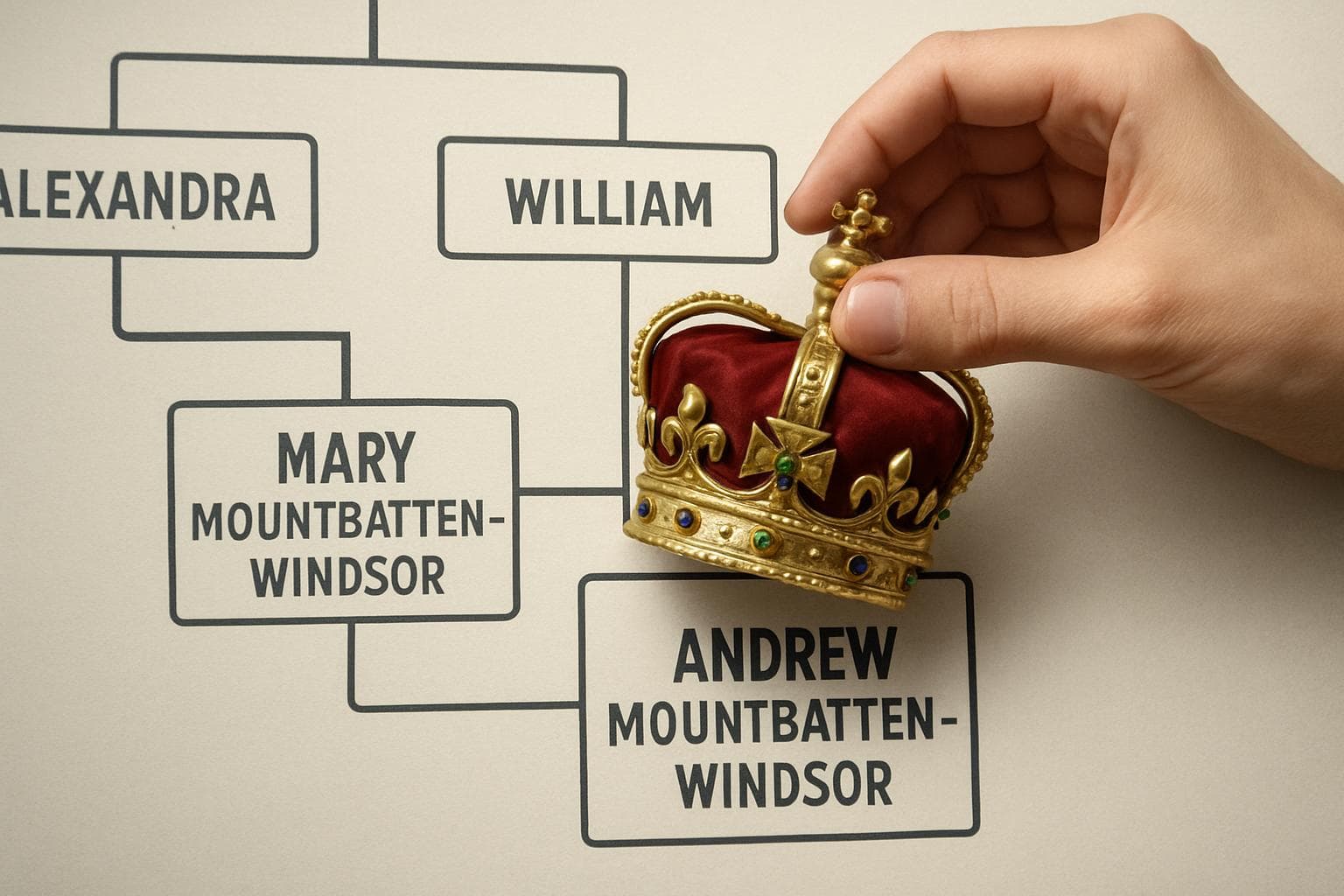
- The UK government is considering legislation to remove Andrew Mountbatten-Windsor from the royal line of succession.
- Andrew was arrested on suspicion of misconduct in public office, linked to his ties with Jeffrey Epstein.
- US lawmakers are calling for Andrew to testify in the US, emphasizing accountability for Epstein's associates.
- The proposed legislation requires approval from the UK Parliament and Commonwealth countries.
- The arrest has sparked debates on the monarchy's future and potential political implications.
The UK government is contemplating legislative measures to remove Andrew Mountbatten-Windsor from the royal line of succession following his arrest on suspicion of misconduct in public office. This move, supported by Defence Minister Luke Pollard, aims to prevent Andrew from ever ascending to the throne, regardless of the ongoing police investigation's outcome.
Royal Succession Under Scrutiny
Andrew, the brother of King Charles III, remains eighth in line to the throne despite relinquishing his royal titles last October due to his connections with the late financier and convicted sex offender Jeffrey Epstein. The proposed legislation, which would require an act of Parliament and the approval of Commonwealth countries, seeks to address concerns about Andrew's potential role as a counsellor of state.
International Calls for Accountability
Across the Atlantic, US lawmakers are urging Andrew to testify about his ties to Epstein. Congressman Suhas Subramanyam emphasized the need for accountability, stating, "Even princes are not above the law." The arrest has been described as a "huge breakthrough" by Subramanyam, who, along with other lawmakers, has been instrumental in pushing for the release of Epstein-related files.
Political and Public Reactions
The arrest has reignited discussions about the monarchy's future, with some politicians advocating for Andrew's removal from the line of succession. While the Liberal Democrats and SNP support legislative action, others, including Labour MPs, remain cautious, emphasizing the need for due process. Meanwhile, Australian Prime Minister Anthony Albanese ruled out a republic referendum, despite describing the arrest as an "extraordinary fall from grace."
WHAT THIS MIGHT MEAN
The potential removal of Andrew Mountbatten-Windsor from the royal line of succession could have significant implications for the monarchy. If the legislation proceeds, it may set a precedent for addressing controversies involving royal family members. Additionally, the arrest could lead to increased scrutiny of other individuals linked to Epstein, potentially resulting in further legal actions. As the investigation unfolds, the monarchy's response and the public's reaction will be crucial in shaping the institution's future.
Images from the Web

Related Articles
Prince Andrew's Arrest Intensifies Scrutiny on Royal Succession and Prince William's Future Role
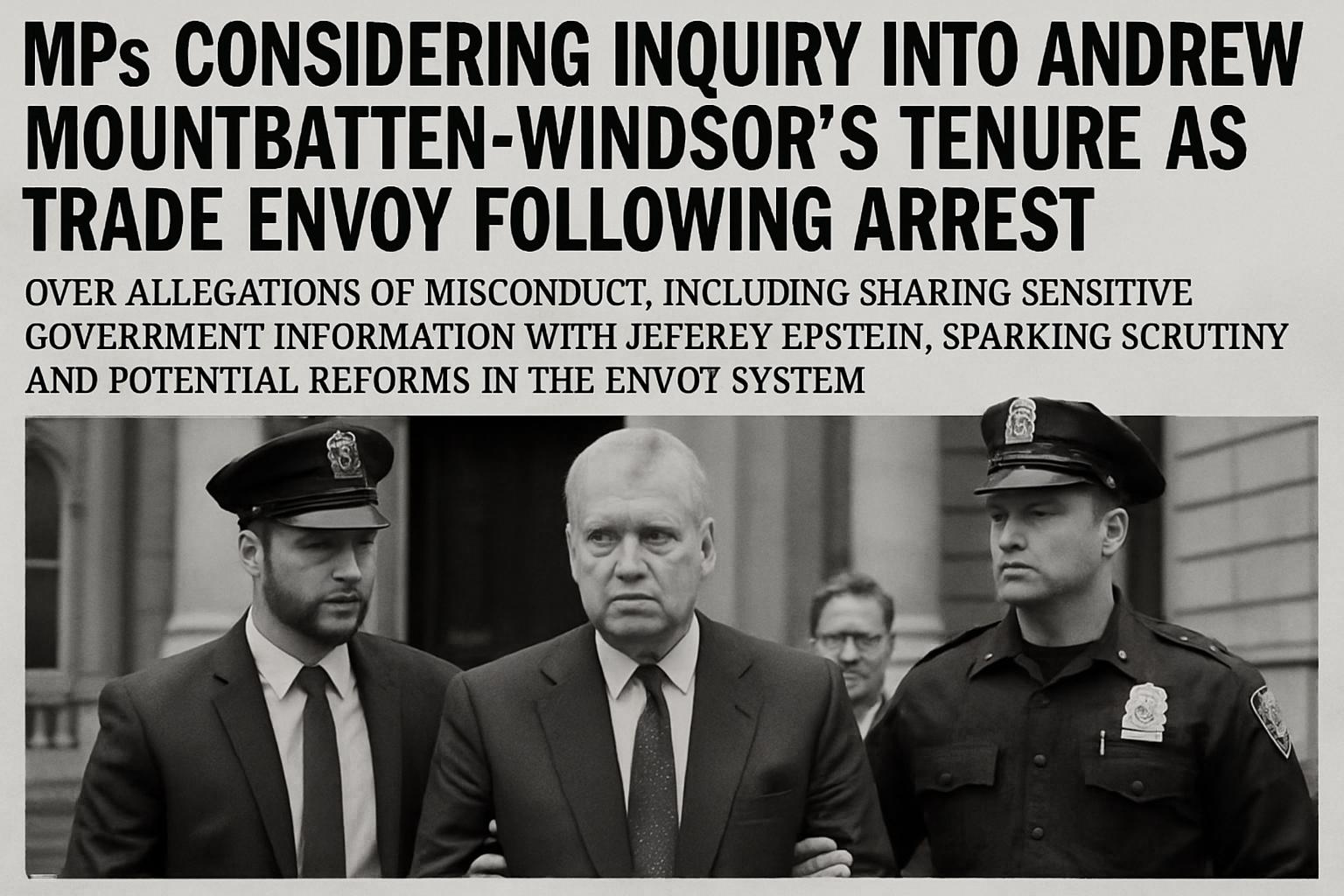
MPs Weigh Inquiry into Andrew Mountbatten-Windsor's Trade Envoy Role Amid Arrest
Arrest of Andrew Mountbatten-Windsor Sparks Unprecedented Crisis for British Monarchy
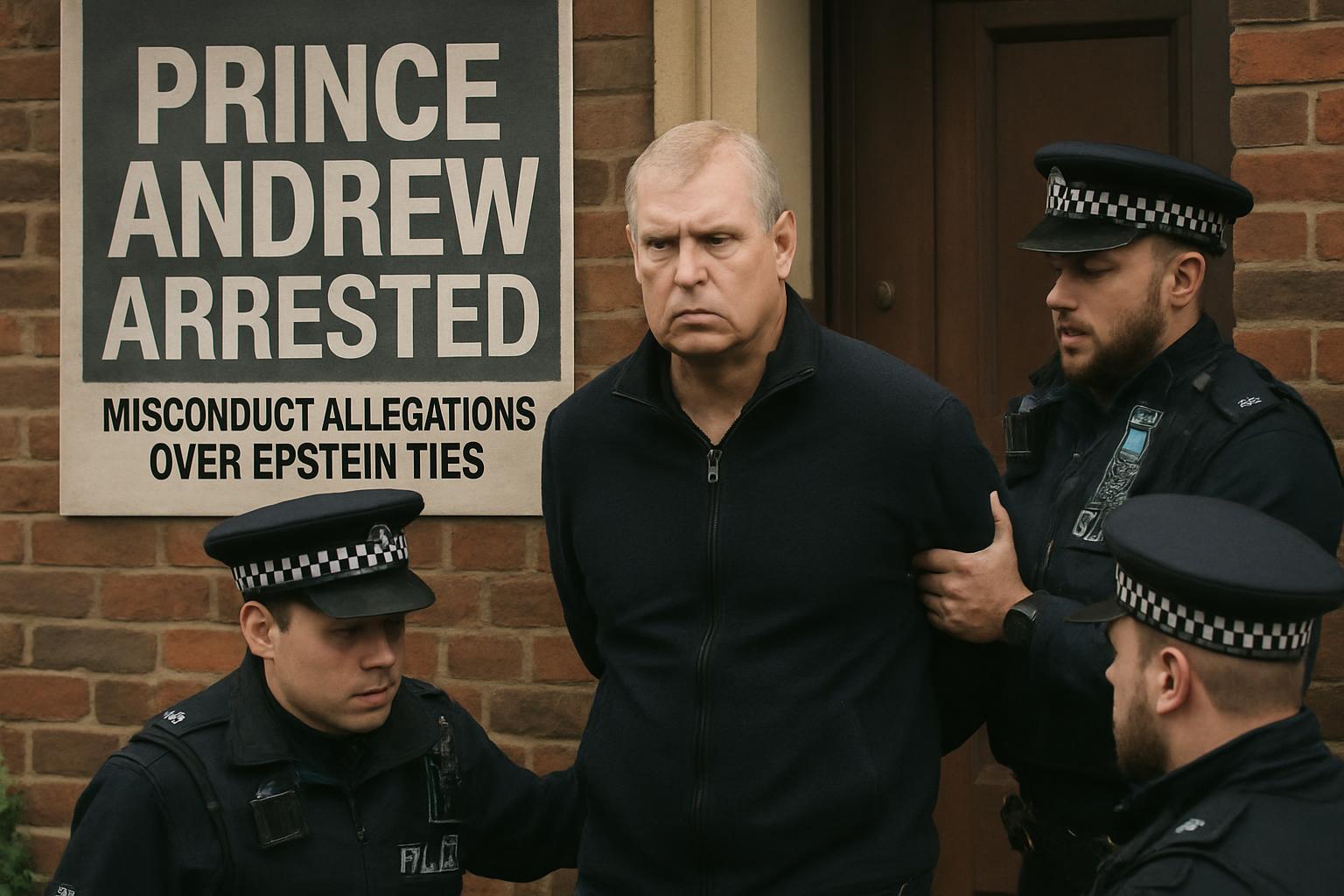
Andrew Mountbatten-Windsor Arrested Amid Misconduct Allegations
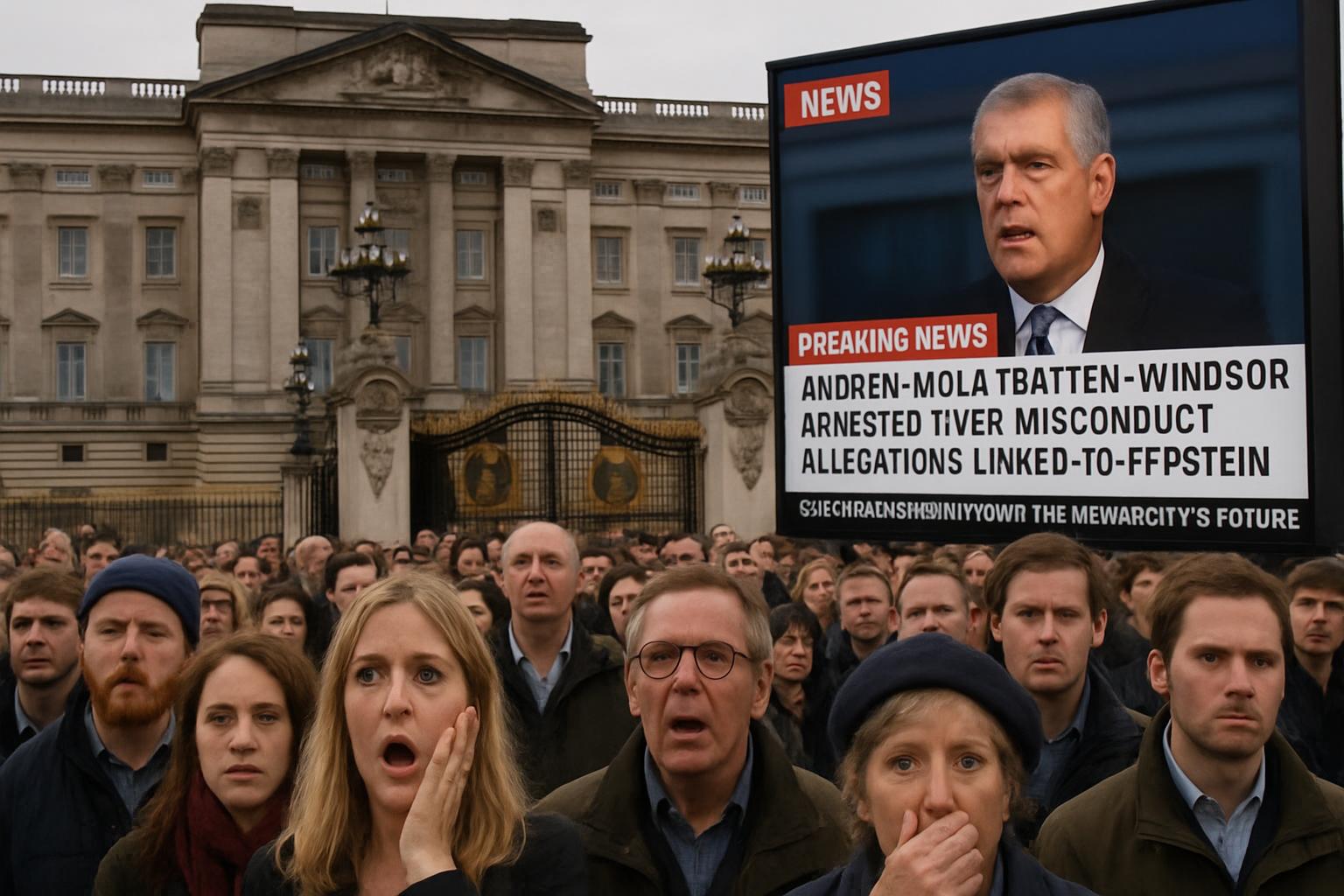
Prince Andrew's Arrest Raises Questions About Royal Succession and Monarchy's Future
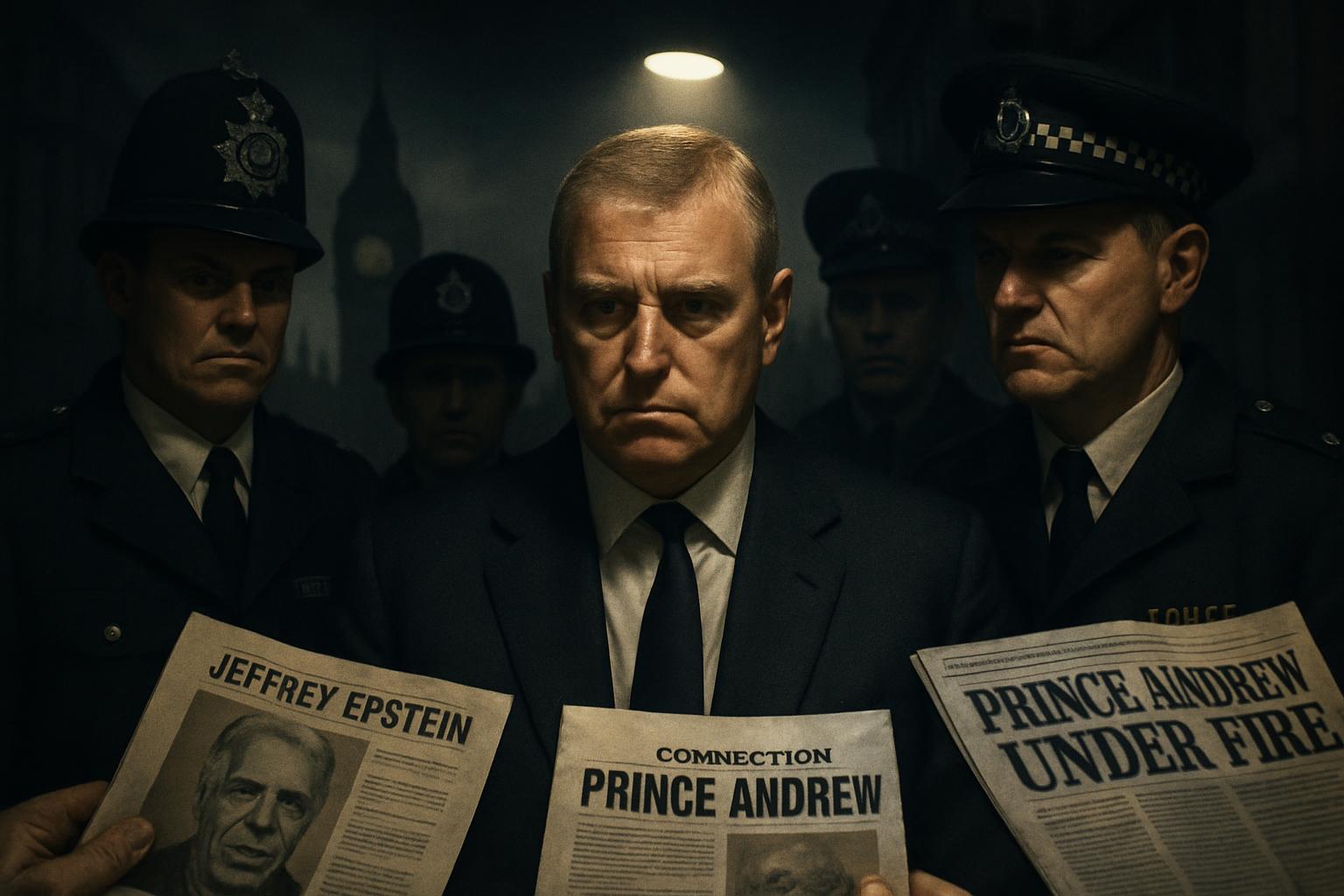
Prince Andrew's Ties to Epstein Under Scrutiny Amid Calls for Inquiry
UK Government Considers Removing Andrew Mountbatten-Windsor from Royal Succession Amid Arrest
In This Article
 Ethan Brooks| Published
 HIGHLIGHTS
- The UK government is considering legislation to remove Andrew Mountbatten-Windsor from the royal line of succession.
- Andrew was arrested on suspicion of misconduct in public office, linked to his ties with Jeffrey Epstein.
- US lawmakers are calling for Andrew to testify in the US, emphasizing accountability for Epstein's associates.
- The proposed legislation requires approval from the UK Parliament and Commonwealth countries.
- The arrest has sparked debates on the monarchy's future and potential political implications.
The UK government is contemplating legislative measures to remove Andrew Mountbatten-Windsor from the royal line of succession following his arrest on suspicion of misconduct in public office. This move, supported by Defence Minister Luke Pollard, aims to prevent Andrew from ever ascending to the throne, regardless of the ongoing police investigation's outcome.
Royal Succession Under Scrutiny
Andrew, the brother of King Charles III, remains eighth in line to the throne despite relinquishing his royal titles last October due to his connections with the late financier and convicted sex offender Jeffrey Epstein. The proposed legislation, which would require an act of Parliament and the approval of Commonwealth countries, seeks to address concerns about Andrew's potential role as a counsellor of state.
International Calls for Accountability
Across the Atlantic, US lawmakers are urging Andrew to testify about his ties to Epstein. Congressman Suhas Subramanyam emphasized the need for accountability, stating, "Even princes are not above the law." The arrest has been described as a "huge breakthrough" by Subramanyam, who, along with other lawmakers, has been instrumental in pushing for the release of Epstein-related files.
Political and Public Reactions
The arrest has reignited discussions about the monarchy's future, with some politicians advocating for Andrew's removal from the line of succession. While the Liberal Democrats and SNP support legislative action, others, including Labour MPs, remain cautious, emphasizing the need for due process. Meanwhile, Australian Prime Minister Anthony Albanese ruled out a republic referendum, despite describing the arrest as an "extraordinary fall from grace."
WHAT THIS MIGHT MEAN
The potential removal of Andrew Mountbatten-Windsor from the royal line of succession could have significant implications for the monarchy. If the legislation proceeds, it may set a precedent for addressing controversies involving royal family members. Additionally, the arrest could lead to increased scrutiny of other individuals linked to Epstein, potentially resulting in further legal actions. As the investigation unfolds, the monarchy's response and the public's reaction will be crucial in shaping the institution's future.
Images from the Web
Related Articles
Prince Andrew's Arrest Intensifies Scrutiny on Royal Succession and Prince William's Future Role
MPs Weigh Inquiry into Andrew Mountbatten-Windsor's Trade Envoy Role Amid Arrest
Arrest of Andrew Mountbatten-Windsor Sparks Unprecedented Crisis for British Monarchy
Andrew Mountbatten-Windsor Arrested Amid Misconduct Allegations
Prince Andrew's Arrest Raises Questions About Royal Succession and Monarchy's Future
Prince Andrew's Ties to Epstein Under Scrutiny Amid Calls for Inquiry