
Prince Andrew's Arrest Raises Questions About Royal Succession and Monarchy's Future
In This Article
HIGHLIGHTS
- Andrew Mountbatten-Windsor was arrested on suspicion of misconduct in public office, linked to the Jeffrey Epstein investigation.
- The arrest has sparked calls for Andrew to be removed from the line of succession, where he is currently eighth.
- The King has expressed "deepest concern" and pledged full cooperation with authorities, distancing the monarchy from Andrew's actions.
- Former protection officers have been urged to share any relevant information with investigators.
- Andrew was released after being held for over 10 hours and is under investigation, though no charges have been filed.
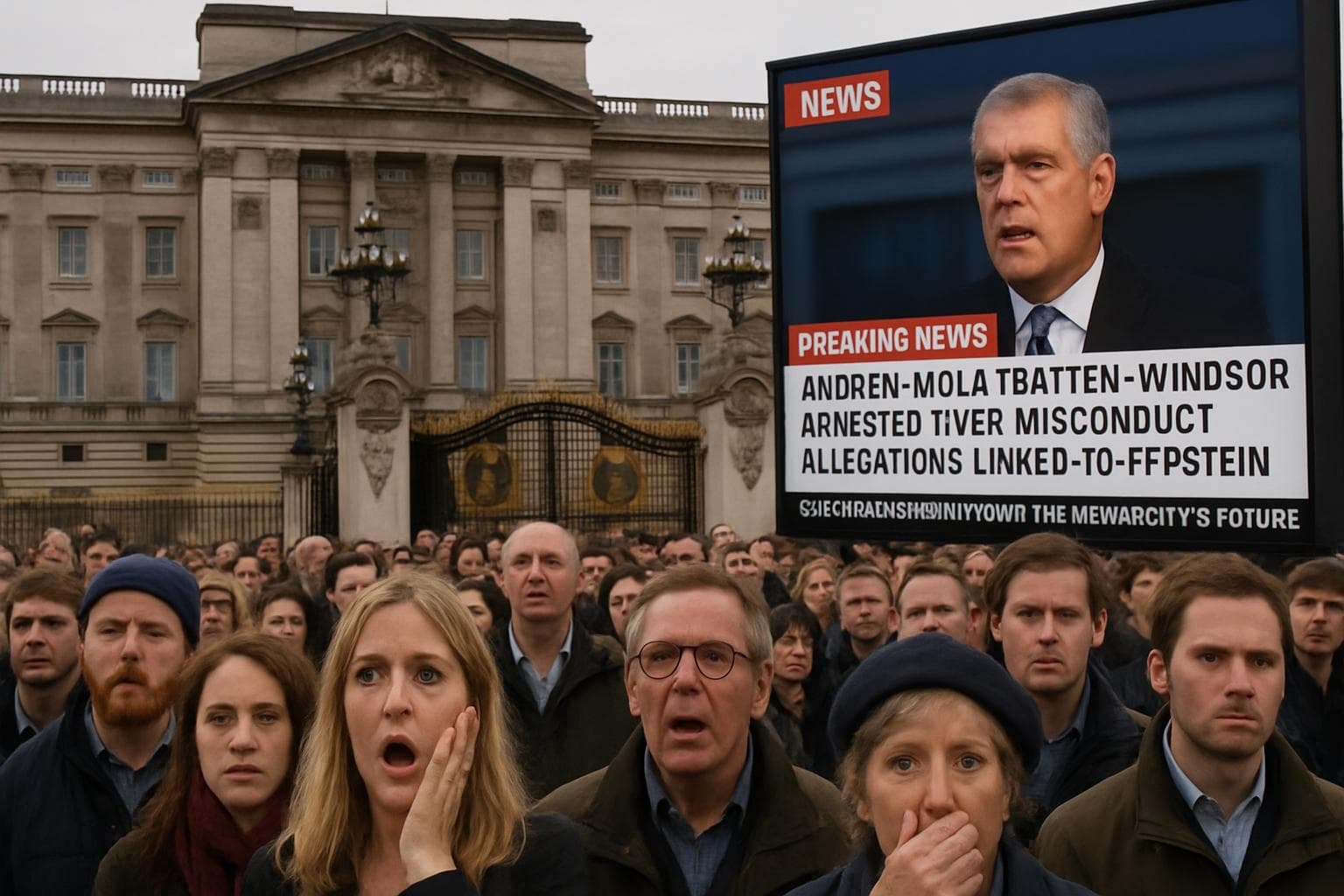
The arrest of Andrew Mountbatten-Windsor, formerly known as Prince Andrew, has sent shockwaves through the British monarchy, raising questions about the future of the royal family and its public image. Arrested on suspicion of misconduct in public office, Andrew's alleged involvement with the late financier Jeffrey Epstein has reignited scrutiny of his past associations and actions.
Royal Family Under Scrutiny
Andrew was taken into custody from his residence on the Sandringham estate, where he was photographed and fingerprinted. The arrest follows allegations that he shared confidential material with Epstein, a convicted sex offender. Although Andrew has denied any wrongdoing, the incident has intensified calls for his removal from the line of succession, where he currently stands eighth.
Monarchy's Response
In response to the arrest, the King issued a statement expressing "deepest concern" and assured full cooperation with the investigation. The statement notably omitted any familial ties, emphasizing the monarchy's commitment to transparency and accountability. Jonathan Dimbleby, a biographer of the King, highlighted the importance of distinguishing between the royal family as individuals and the institution of the monarchy itself.
Investigative Developments
The Metropolitan Police have urged Andrew's former protection officers to come forward with any information that might aid the investigation. Authorities are also collaborating with U.S. counterparts to examine whether London airports were used in human trafficking activities linked to Epstein. Despite the gravity of the situation, Andrew has not been charged and was released after more than 10 hours of questioning.
Public and Political Reactions
The arrest has prompted a global media frenzy, with images of Andrew leaving the police station making headlines worldwide. Political figures, including some MPs, have suggested that Andrew should voluntarily step down from the line of succession. Meanwhile, Australian Prime Minister Anthony Albanese described the arrest as an "extraordinary fall from grace" but dismissed the notion of it triggering a republican referendum in Australia.
WHAT THIS MIGHT MEAN
The arrest of Andrew Mountbatten-Windsor could have lasting implications for the British monarchy. If charges are eventually filed, it may lead to further distancing of the royal family from Andrew, potentially affecting public perception of the monarchy. Legal experts suggest that the investigation could uncover more details about Andrew's connections to Epstein, which might influence parliamentary discussions on his succession rights.
Politically, the situation could reignite debates about the relevance and future of the monarchy, particularly in Commonwealth countries like Australia. As the investigation unfolds, the monarchy's ability to maintain its public image while addressing internal challenges will be crucial in navigating this crisis.
Related Articles
Prince Andrew's Arrest Intensifies Scrutiny on Royal Succession and Prince William's Future Role
Arrest of Andrew Mountbatten-Windsor Captured in Iconic Photograph
Canada and Australia Forge Strategic Partnership Amid Global Uncertainty
Labour MP's Husband Arrested in UK-China Espionage Probe
Canada Calls for De-escalation Amid US-Israel Strikes on Iran
Nottingham Attacks Inquiry: Families Demand Accountability and Truth
Prince Andrew's Arrest Raises Questions About Royal Succession and Monarchy's Future
In This Article
 Sofia Romano| Published
 HIGHLIGHTS
- Andrew Mountbatten-Windsor was arrested on suspicion of misconduct in public office, linked to the Jeffrey Epstein investigation.
- The arrest has sparked calls for Andrew to be removed from the line of succession, where he is currently eighth.
- The King has expressed "deepest concern" and pledged full cooperation with authorities, distancing the monarchy from Andrew's actions.
- Former protection officers have been urged to share any relevant information with investigators.
- Andrew was released after being held for over 10 hours and is under investigation, though no charges have been filed.
The arrest of Andrew Mountbatten-Windsor, formerly known as Prince Andrew, has sent shockwaves through the British monarchy, raising questions about the future of the royal family and its public image. Arrested on suspicion of misconduct in public office, Andrew's alleged involvement with the late financier Jeffrey Epstein has reignited scrutiny of his past associations and actions.
Royal Family Under Scrutiny
Andrew was taken into custody from his residence on the Sandringham estate, where he was photographed and fingerprinted. The arrest follows allegations that he shared confidential material with Epstein, a convicted sex offender. Although Andrew has denied any wrongdoing, the incident has intensified calls for his removal from the line of succession, where he currently stands eighth.
Monarchy's Response
In response to the arrest, the King issued a statement expressing "deepest concern" and assured full cooperation with the investigation. The statement notably omitted any familial ties, emphasizing the monarchy's commitment to transparency and accountability. Jonathan Dimbleby, a biographer of the King, highlighted the importance of distinguishing between the royal family as individuals and the institution of the monarchy itself.
Investigative Developments
The Metropolitan Police have urged Andrew's former protection officers to come forward with any information that might aid the investigation. Authorities are also collaborating with U.S. counterparts to examine whether London airports were used in human trafficking activities linked to Epstein. Despite the gravity of the situation, Andrew has not been charged and was released after more than 10 hours of questioning.
Public and Political Reactions
The arrest has prompted a global media frenzy, with images of Andrew leaving the police station making headlines worldwide. Political figures, including some MPs, have suggested that Andrew should voluntarily step down from the line of succession. Meanwhile, Australian Prime Minister Anthony Albanese described the arrest as an "extraordinary fall from grace" but dismissed the notion of it triggering a republican referendum in Australia.
WHAT THIS MIGHT MEAN
The arrest of Andrew Mountbatten-Windsor could have lasting implications for the British monarchy. If charges are eventually filed, it may lead to further distancing of the royal family from Andrew, potentially affecting public perception of the monarchy. Legal experts suggest that the investigation could uncover more details about Andrew's connections to Epstein, which might influence parliamentary discussions on his succession rights.
Politically, the situation could reignite debates about the relevance and future of the monarchy, particularly in Commonwealth countries like Australia. As the investigation unfolds, the monarchy's ability to maintain its public image while addressing internal challenges will be crucial in navigating this crisis.
Related Articles
Prince Andrew's Arrest Intensifies Scrutiny on Royal Succession and Prince William's Future Role
Arrest of Andrew Mountbatten-Windsor Captured in Iconic Photograph
Canada and Australia Forge Strategic Partnership Amid Global Uncertainty
Labour MP's Husband Arrested in UK-China Espionage Probe
Canada Calls for De-escalation Amid US-Israel Strikes on Iran
Nottingham Attacks Inquiry: Families Demand Accountability and Truth