
Brigitte Bardot: A Cinematic Icon and Animal Rights Pioneer

In This Article
HIGHLIGHTS
- Brigitte Bardot, a French cinema icon, passed away at 91, leaving a legacy of redefining female sexuality on screen.
- Bardot's breakout role in "And God Created Woman" launched her to international stardom, making her a symbol of 1950s cinematic allure.
- Beyond acting, Bardot became a passionate animal rights activist, founding the Brigitte Bardot Foundation in 1973.
- Her style, including the Bardot top and choucroute hairstyle, influenced global fashion trends.
- Bardot's later years were marred by controversy due to her inflammatory remarks, impacting her public image.
Brigitte Bardot, the legendary French actress who captivated audiences with her groundbreaking roles and distinctive style, has died at the age of 91. Known for her transformative impact on cinema and fashion, Bardot's life was a tapestry of glamour, controversy, and advocacy.
Rise to Stardom
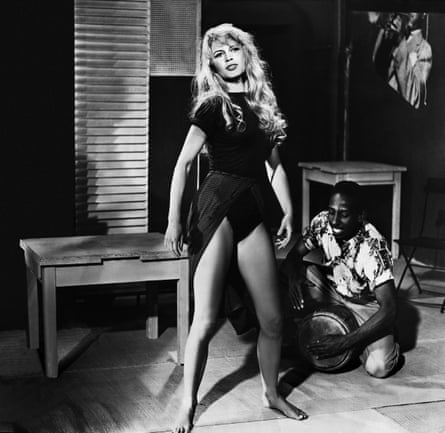
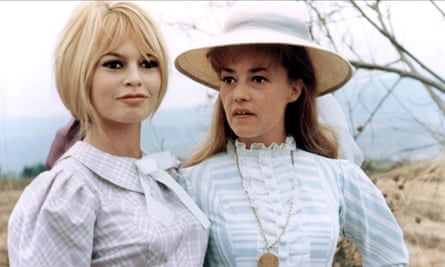
Born in Paris in 1934, Bardot trained as a ballerina before her striking beauty caught the attention of filmmakers. At 18, she married director Roger Vadim, who cast her in the 1956 film "And God Created Woman." This role catapulted Bardot to international fame, establishing her as a symbol of the new, sexually liberated woman. Her performances in films such as "The Truth," "Contempt," and "Viva Maria!" showcased her versatility and cemented her status as a cinematic trailblazer.
A Style Icon
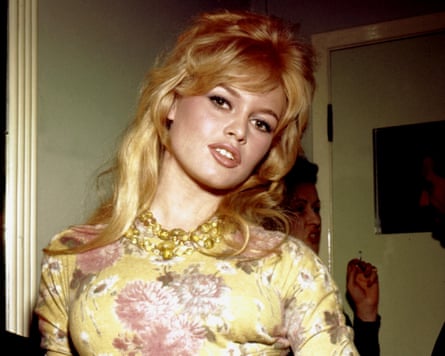
Bardot's influence extended beyond the silver screen. Her signature off-the-shoulder tops and the "choucroute" hairstyle became fashion staples, embodying the bohemian spirit of postwar France. Her penchant for leopard print and gingham dresses further solidified her as a style icon, with her looks inspiring fashion trends worldwide.
Transition to Activism
In 1973, at the height of her career, Bardot retired from acting to focus on animal rights. She founded the Brigitte Bardot Foundation, campaigning against seal hunting and animal testing. This shift from screen siren to activist surprised many but underscored her commitment to living authentically.
Controversial Later Years
Despite her contributions to cinema and activism, Bardot's later years were marked by controversy. She faced legal repercussions for making homophobic slurs and inciting racial hatred, which tarnished her public image. Nonetheless, her legacy as a pioneer of both cinematic allure and animal rights remains indelible.
WHAT THIS MIGHT MEAN
As the world reflects on Brigitte Bardot's multifaceted legacy, her impact on cinema and fashion will likely continue to be celebrated. Her pioneering roles and distinctive style have left an indelible mark on popular culture. However, her controversial remarks in later years may complicate her legacy, prompting discussions on the balance between personal beliefs and public influence.
Looking ahead, Bardot's contributions to animal rights may inspire future generations of activists. Her foundation's ongoing work could see renewed interest and support, ensuring that her passion for animal welfare endures. As society grapples with the complexities of her legacy, Bardot's life story serves as a reminder of the enduring power of cinema and the potential for personal transformation.
Images from the Web
Related Articles
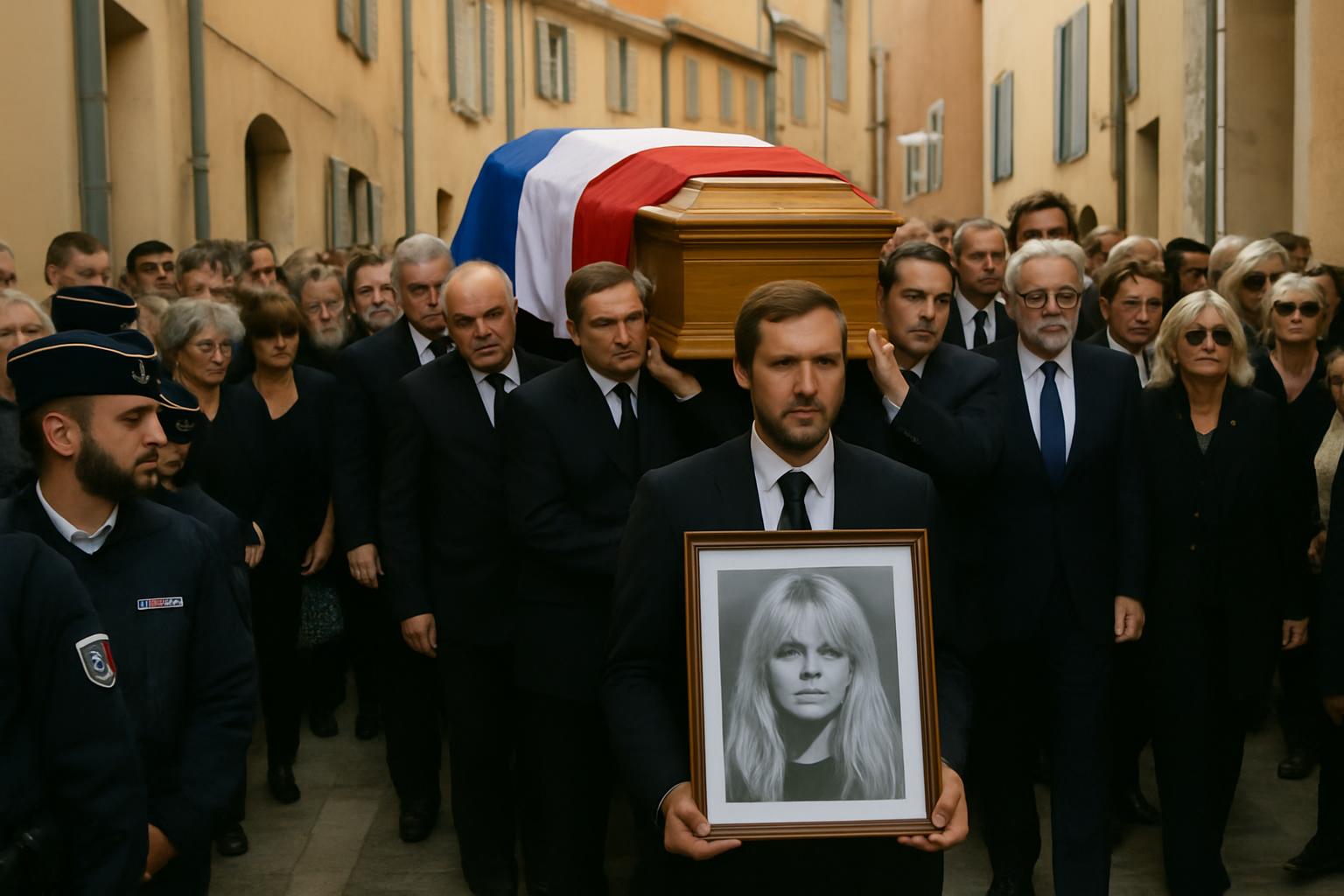
Brigitte Bardot Honored in Saint-Tropez Funeral Amidst Mixed Legacy
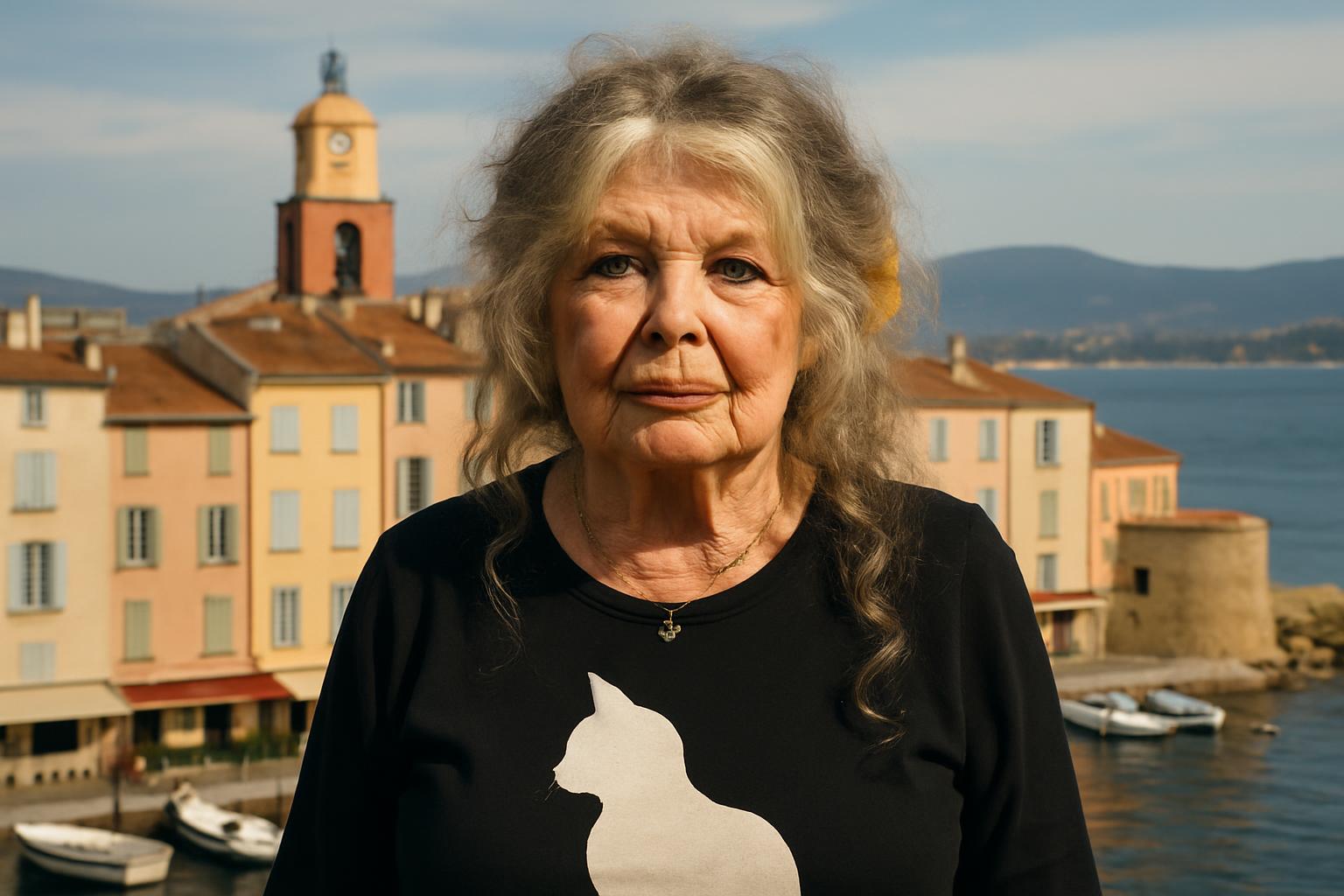
Brigitte Bardot: French Cinema Icon and Controversial Activist Dies at 91

Valentino Garavani: Fashion World Bids Farewell to the Last Emperor of Italian Couture
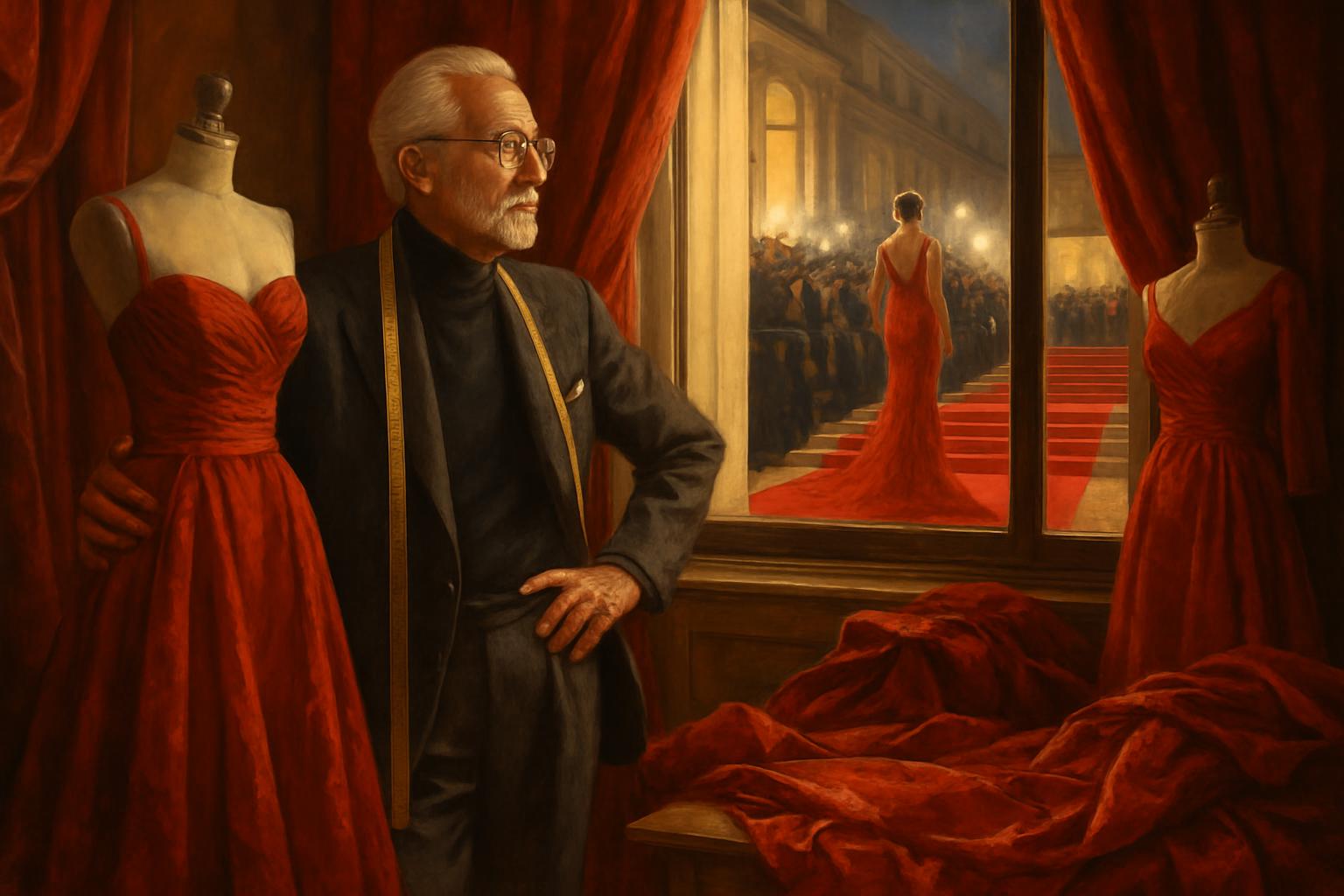
Valentino Garavani: A Legacy of Italian Glamour and Elegance

Louvre Museum Faces Challenges Amid Water Leak and Ticket Fraud Investigation

French and UK Authorities Intensify Investigations into Elon Musk's X and Grok AI
Brigitte Bardot: A Cinematic Icon and Animal Rights Pioneer
In This Article
 Aya Nakamura| Published
 HIGHLIGHTS
- Brigitte Bardot, a French cinema icon, passed away at 91, leaving a legacy of redefining female sexuality on screen.
- Bardot's breakout role in "And God Created Woman" launched her to international stardom, making her a symbol of 1950s cinematic allure.
- Beyond acting, Bardot became a passionate animal rights activist, founding the Brigitte Bardot Foundation in 1973.
- Her style, including the Bardot top and choucroute hairstyle, influenced global fashion trends.
- Bardot's later years were marred by controversy due to her inflammatory remarks, impacting her public image.
Brigitte Bardot, the legendary French actress who captivated audiences with her groundbreaking roles and distinctive style, has died at the age of 91. Known for her transformative impact on cinema and fashion, Bardot's life was a tapestry of glamour, controversy, and advocacy.
Rise to Stardom
Born in Paris in 1934, Bardot trained as a ballerina before her striking beauty caught the attention of filmmakers. At 18, she married director Roger Vadim, who cast her in the 1956 film "And God Created Woman." This role catapulted Bardot to international fame, establishing her as a symbol of the new, sexually liberated woman. Her performances in films such as "The Truth," "Contempt," and "Viva Maria!" showcased her versatility and cemented her status as a cinematic trailblazer.
A Style Icon
Bardot's influence extended beyond the silver screen. Her signature off-the-shoulder tops and the "choucroute" hairstyle became fashion staples, embodying the bohemian spirit of postwar France. Her penchant for leopard print and gingham dresses further solidified her as a style icon, with her looks inspiring fashion trends worldwide.
Transition to Activism
In 1973, at the height of her career, Bardot retired from acting to focus on animal rights. She founded the Brigitte Bardot Foundation, campaigning against seal hunting and animal testing. This shift from screen siren to activist surprised many but underscored her commitment to living authentically.
Controversial Later Years
Despite her contributions to cinema and activism, Bardot's later years were marked by controversy. She faced legal repercussions for making homophobic slurs and inciting racial hatred, which tarnished her public image. Nonetheless, her legacy as a pioneer of both cinematic allure and animal rights remains indelible.
WHAT THIS MIGHT MEAN
As the world reflects on Brigitte Bardot's multifaceted legacy, her impact on cinema and fashion will likely continue to be celebrated. Her pioneering roles and distinctive style have left an indelible mark on popular culture. However, her controversial remarks in later years may complicate her legacy, prompting discussions on the balance between personal beliefs and public influence.
Looking ahead, Bardot's contributions to animal rights may inspire future generations of activists. Her foundation's ongoing work could see renewed interest and support, ensuring that her passion for animal welfare endures. As society grapples with the complexities of her legacy, Bardot's life story serves as a reminder of the enduring power of cinema and the potential for personal transformation.
Images from the Web
Related Articles
Brigitte Bardot Honored in Saint-Tropez Funeral Amidst Mixed Legacy
Brigitte Bardot: French Cinema Icon and Controversial Activist Dies at 91
Valentino Garavani: Fashion World Bids Farewell to the Last Emperor of Italian Couture
Valentino Garavani: A Legacy of Italian Glamour and Elegance
Louvre Museum Faces Challenges Amid Water Leak and Ticket Fraud Investigation
French and UK Authorities Intensify Investigations into Elon Musk's X and Grok AI