
Remains of British Explorer Found in Antarctic Glacier After 66 Years
In This Article
HIGHLIGHTS
- The remains of Dennis "Tink" Bell, who died in an Antarctic accident in 1959, were discovered in a melting glacier by a Polish expedition in January.
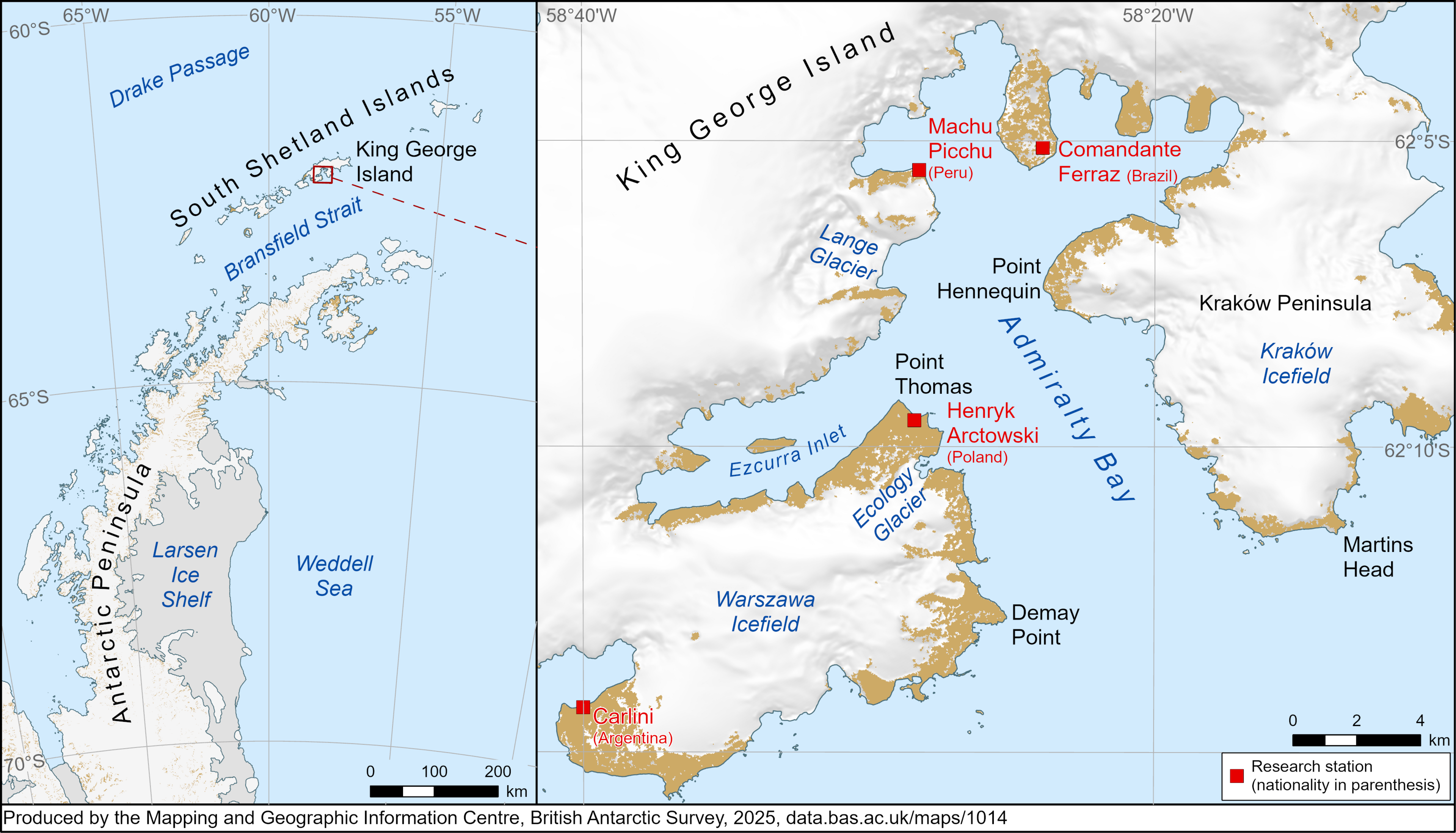
- Bell, a meteorologist with the Falkland Islands Dependencies Survey, fell into a crevasse while working at Admiralty Bay on King George Island.
- DNA testing at King’s College London confirmed the identity of the remains, bringing closure to Bell's family after 66 years.
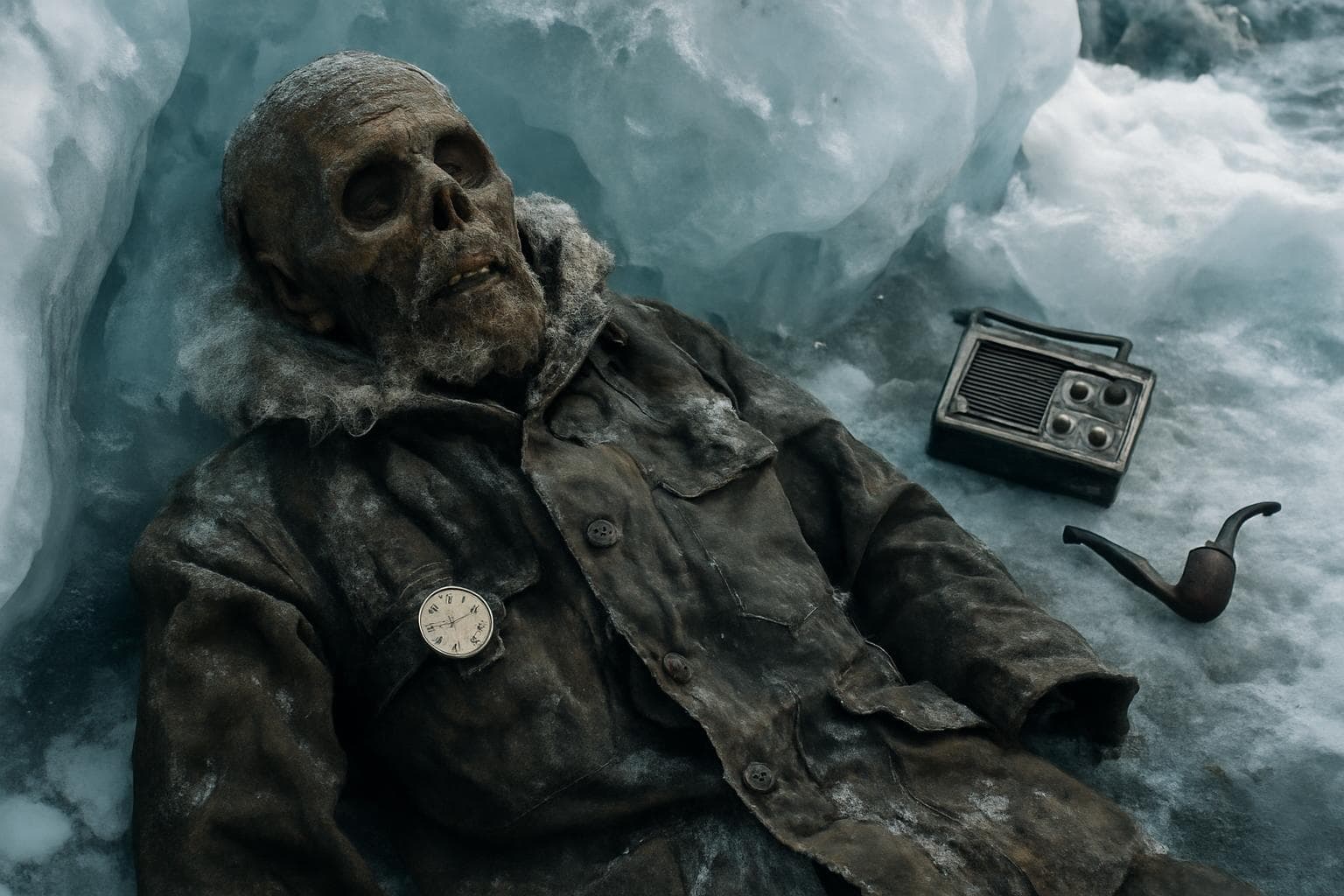
- Personal effects, including a wristwatch and radio equipment, were found alongside Bell's remains, highlighting the harsh conditions of early Antarctic exploration.
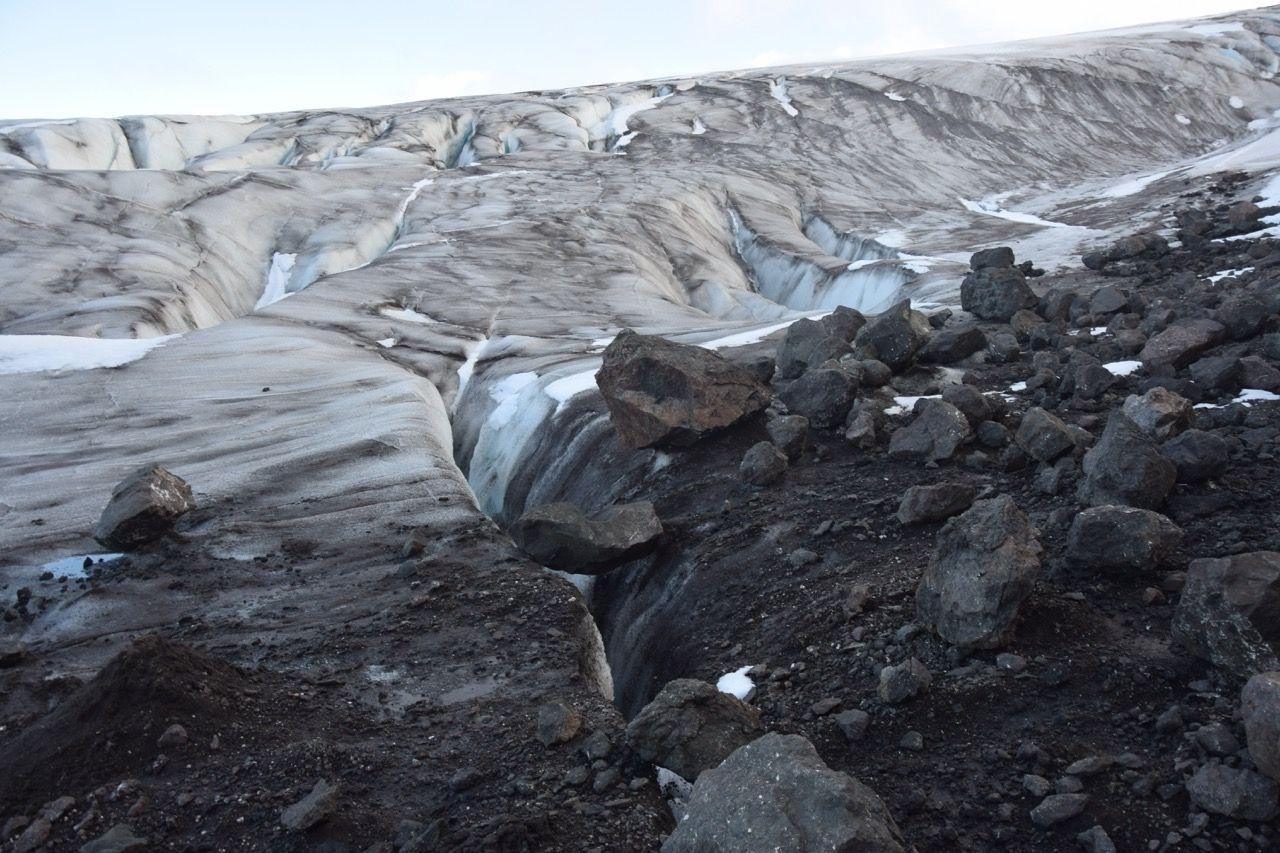
- The discovery underscores the ongoing impact of climate change on polar regions, as melting glaciers reveal historical artifacts and remains.
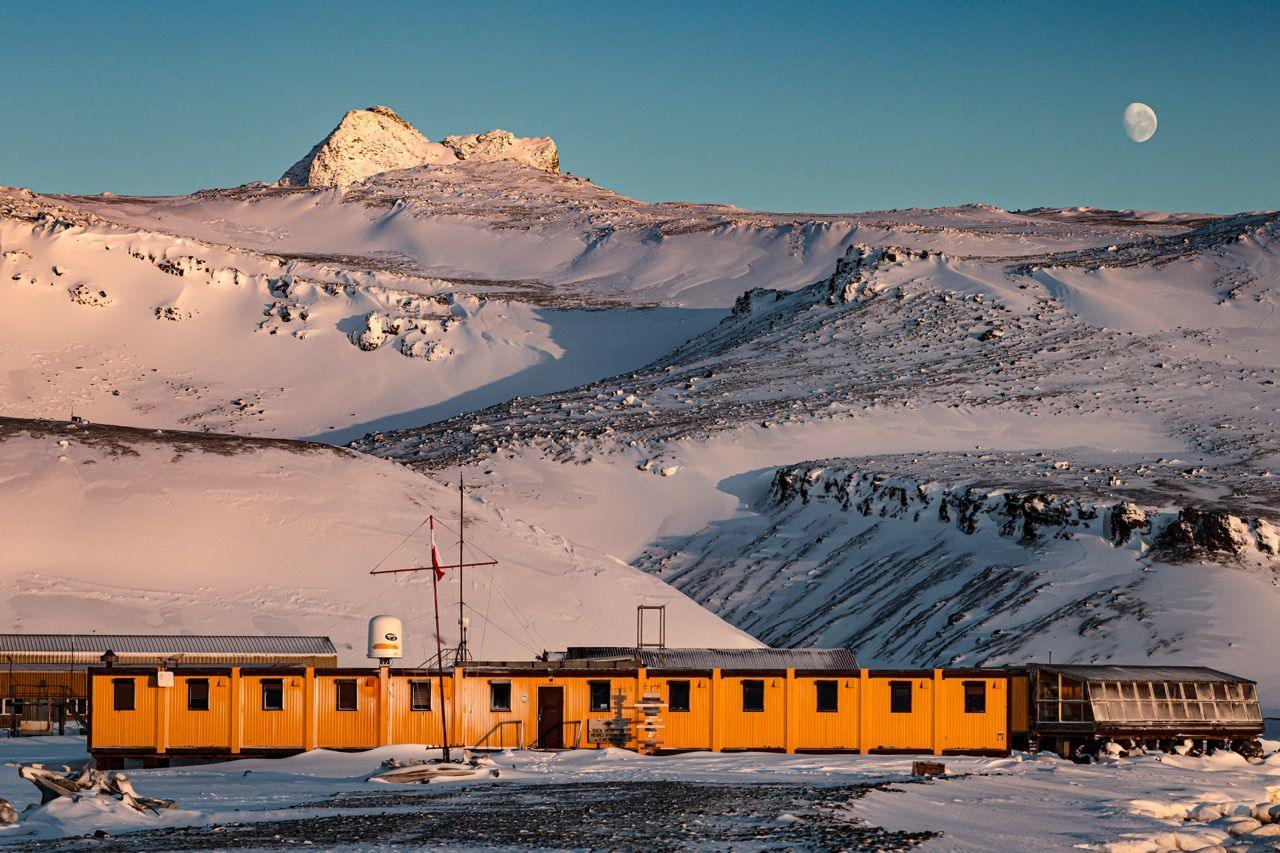
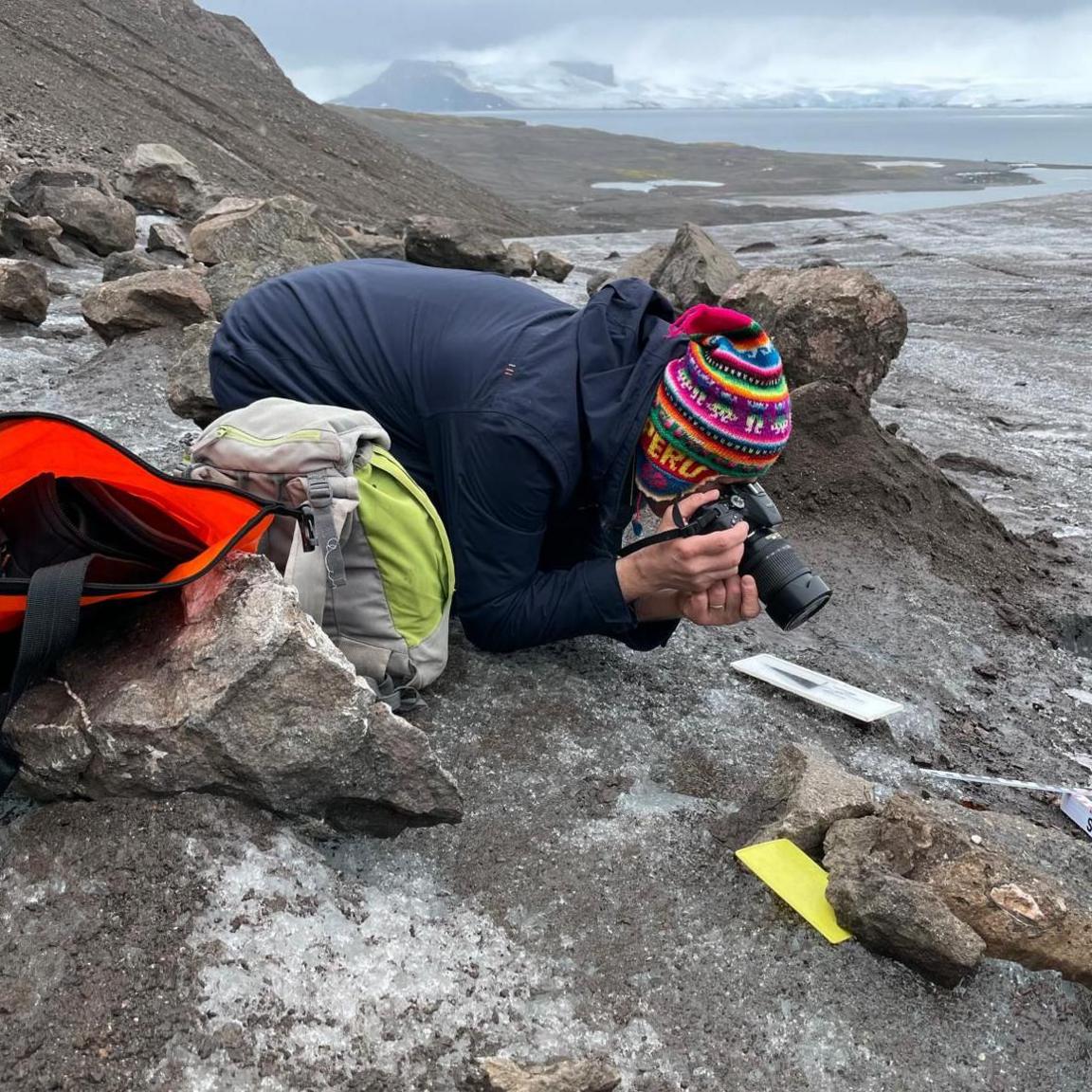
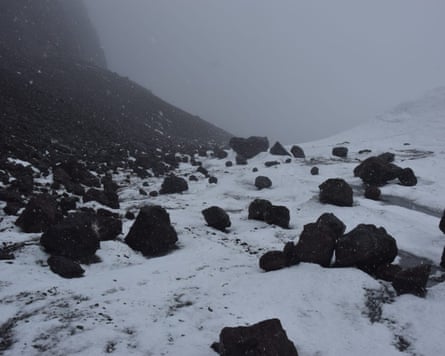
The remains of Dennis "Tink" Bell, a British explorer who perished in Antarctica in 1959, have been discovered in a melting glacier, shedding light on the harsh realities faced by early polar researchers. The discovery was made in January by a Polish Antarctic expedition, which found Bell's bones alongside personal items such as a wristwatch, a radio, and a pipe.
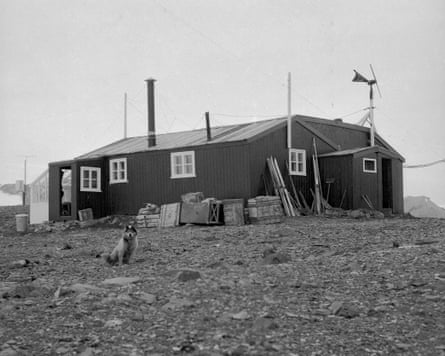
Bell, a meteorologist with the Falkland Islands Dependencies Survey (now the British Antarctic Survey), tragically fell into a crevasse at the age of 25 while conducting geological work at Admiralty Bay on King George Island. His body was not recovered until this year, when the melting glacier revealed his remains.
DNA testing conducted at King’s College London confirmed the identity of the remains, providing closure to Bell's family after more than six decades. "When my sister Valerie and I were notified that our brother Dennis had been found after 66 years, we were shocked and amazed," said David Bell, Dennis's brother, who now resides in Australia.
The discovery of Bell's remains, along with over 200 personal effects, highlights the enduring legacy of early Antarctic exploration. Professor Dame Jane Francis, director of the British Antarctic Survey, remarked, "Dennis was one of the many brave personnel who contributed to the early science and exploration of Antarctica under extraordinarily harsh conditions."
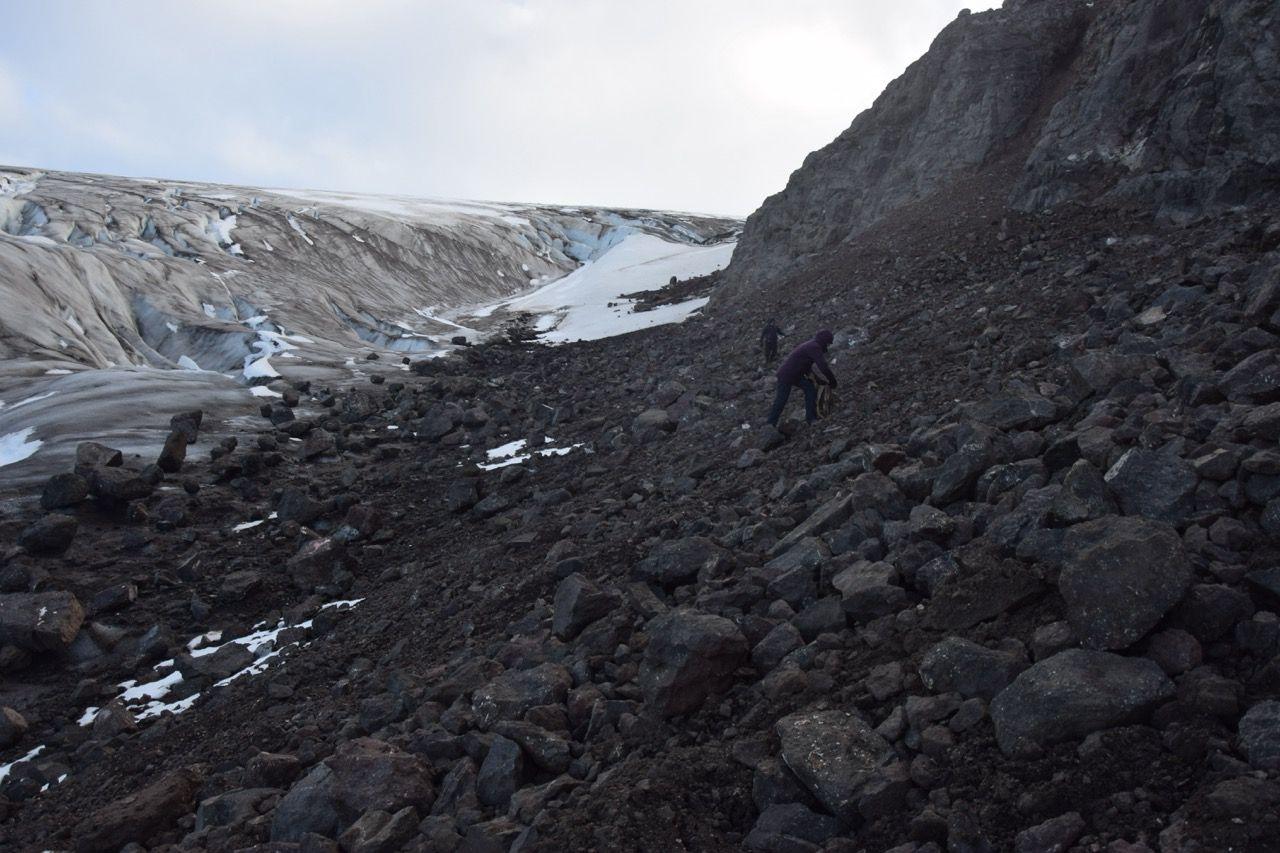
Bell's tragic accident occurred while he and a colleague, Jeff Stokes, were navigating a crevassed area of the Ecology Glacier. Despite initial attempts to rescue him, deteriorating weather conditions thwarted further efforts. "There was no way he could have survived," recalled meteorologist Ken Gibson, who was part of the rescue team.
WHAT THIS MIGHT MEAN
The discovery of Dennis Bell's remains serves as a poignant reminder of the dangers faced by early Antarctic explorers and the ongoing impact of climate change on polar regions. As glaciers continue to melt, more historical artifacts and remains may surface, offering new insights into the history of polar exploration.
The British Antarctic Survey and other research organizations may use this opportunity to further study the effects of climate change on the Antarctic environment. Additionally, Bell's story could inspire renewed interest in the history of polar exploration, highlighting the bravery and dedication of those who ventured into the unknown.
As Bell's family contemplates how to honor his memory, the broader scientific community may reflect on the importance of preserving the legacy of early explorers and the lessons they offer for future generations.
Images from the Web







Related Articles

Anna Murdoch-Mann: Influential Figure in Media and Philanthropy Dies at 81

Prince Andrew's Arrest Raises Questions About Royal Succession and Monarchy's Future

New UK Entry Rules for Dual Nationals Spark Outcry

Angus Taylor Challenges Sussan Ley for Leadership of Australia's Liberal Party

Canada and Australia Forge Strategic Partnership Amid Global Uncertainty

Canada Calls for De-escalation Amid US-Israel Strikes on Iran
Remains of British Explorer Found in Antarctic Glacier After 66 Years
In This Article
 Ethan Brooks| Published
 HIGHLIGHTS
- The remains of Dennis "Tink" Bell, who died in an Antarctic accident in 1959, were discovered in a melting glacier by a Polish expedition in January.
- Bell, a meteorologist with the Falkland Islands Dependencies Survey, fell into a crevasse while working at Admiralty Bay on King George Island.
- DNA testing at King’s College London confirmed the identity of the remains, bringing closure to Bell's family after 66 years.
- Personal effects, including a wristwatch and radio equipment, were found alongside Bell's remains, highlighting the harsh conditions of early Antarctic exploration.
- The discovery underscores the ongoing impact of climate change on polar regions, as melting glaciers reveal historical artifacts and remains.
The remains of Dennis "Tink" Bell, a British explorer who perished in Antarctica in 1959, have been discovered in a melting glacier, shedding light on the harsh realities faced by early polar researchers. The discovery was made in January by a Polish Antarctic expedition, which found Bell's bones alongside personal items such as a wristwatch, a radio, and a pipe.
Bell, a meteorologist with the Falkland Islands Dependencies Survey (now the British Antarctic Survey), tragically fell into a crevasse at the age of 25 while conducting geological work at Admiralty Bay on King George Island. His body was not recovered until this year, when the melting glacier revealed his remains.
DNA testing conducted at King’s College London confirmed the identity of the remains, providing closure to Bell's family after more than six decades. "When my sister Valerie and I were notified that our brother Dennis had been found after 66 years, we were shocked and amazed," said David Bell, Dennis's brother, who now resides in Australia.
The discovery of Bell's remains, along with over 200 personal effects, highlights the enduring legacy of early Antarctic exploration. Professor Dame Jane Francis, director of the British Antarctic Survey, remarked, "Dennis was one of the many brave personnel who contributed to the early science and exploration of Antarctica under extraordinarily harsh conditions."
Bell's tragic accident occurred while he and a colleague, Jeff Stokes, were navigating a crevassed area of the Ecology Glacier. Despite initial attempts to rescue him, deteriorating weather conditions thwarted further efforts. "There was no way he could have survived," recalled meteorologist Ken Gibson, who was part of the rescue team.
WHAT THIS MIGHT MEAN
The discovery of Dennis Bell's remains serves as a poignant reminder of the dangers faced by early Antarctic explorers and the ongoing impact of climate change on polar regions. As glaciers continue to melt, more historical artifacts and remains may surface, offering new insights into the history of polar exploration.
The British Antarctic Survey and other research organizations may use this opportunity to further study the effects of climate change on the Antarctic environment. Additionally, Bell's story could inspire renewed interest in the history of polar exploration, highlighting the bravery and dedication of those who ventured into the unknown.
As Bell's family contemplates how to honor his memory, the broader scientific community may reflect on the importance of preserving the legacy of early explorers and the lessons they offer for future generations.
Images from the Web
Related Articles
Anna Murdoch-Mann: Influential Figure in Media and Philanthropy Dies at 81
Prince Andrew's Arrest Raises Questions About Royal Succession and Monarchy's Future
New UK Entry Rules for Dual Nationals Spark Outcry
Angus Taylor Challenges Sussan Ley for Leadership of Australia's Liberal Party
Canada and Australia Forge Strategic Partnership Amid Global Uncertainty
Canada Calls for De-escalation Amid US-Israel Strikes on Iran