
Bryan Kohberger Pleads Guilty to Idaho Student Murders, Avoids Death Penalty
In This Article
HIGHLIGHTS
- Bryan Kohberger, a former criminology student, pleaded guilty to the murder of four University of Idaho students to avoid the death penalty.
- The plea deal means Kohberger will face life imprisonment without the possibility of parole, with formal sentencing set for 23 July.
- The murders, which occurred in November 2022, shocked the small community of Moscow, Idaho, and sparked a nationwide manhunt.
- The plea agreement has divided the victims' families, with some expressing disappointment and others finding closure.
- Kohberger's motive remains unclear, and the murder weapon has not been recovered, leaving some questions unanswered.
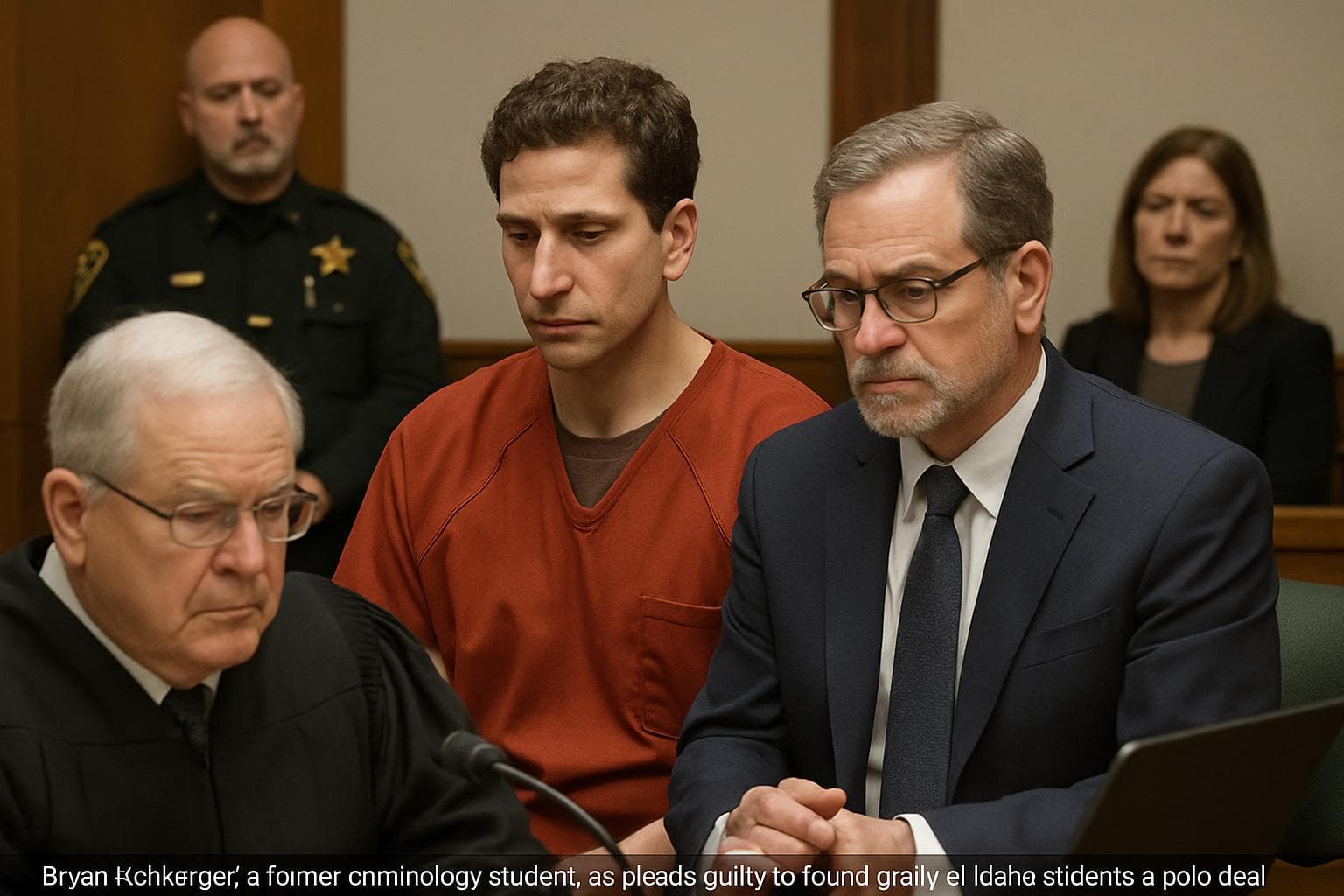
In a case that captured national attention, Bryan Kohberger, a former criminology student, has pleaded guilty to the brutal murders of four University of Idaho students. The plea deal, reached to avoid the death penalty, will see Kohberger spend the rest of his life in prison. The sentencing is scheduled for 23 July.
The Murders and Arrest
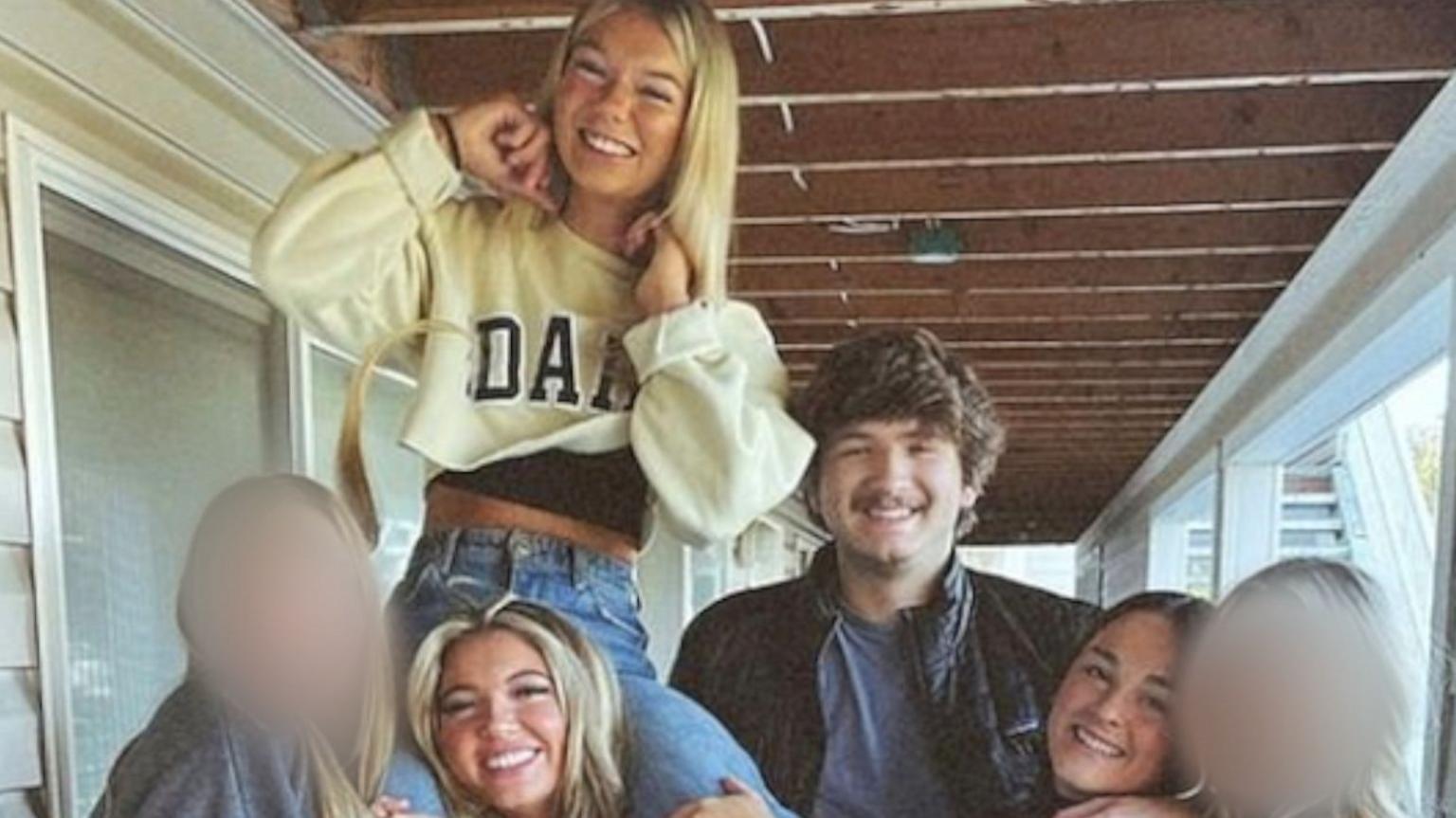
The tragic events unfolded in November 2022 in the small college town of Moscow, Idaho, when Kaylee Goncalves, Ethan Chapin, Xana Kernodle, and Madison Mogen were found stabbed to death in their off-campus home. The crime shocked the community, which had not seen a homicide in five years, and led to a nationwide manhunt. Kohberger, who was studying at nearby Washington State University, was arrested weeks later in Pennsylvania.
Legal Proceedings and Plea Deal
During a hearing on Wednesday, Judge Steven Hippler outlined the plea agreement, which includes Kohberger's waiver of the right to appeal or seek leniency. Kohberger admitted to the murders and a count of burglary, which carries a maximum sentence of 10 years. The plea deal has sparked mixed reactions among the victims' families. While some, like Kaylee Goncalves' father, expressed disappointment, others, such as Madison Mogen's family, supported the agreement, citing closure.
Unanswered Questions
Despite the guilty plea, many questions remain unanswered. Prosecutors revealed that Kohberger had planned the attack, purchasing a knife online months before the murders. However, the murder weapon has not been found, and no motive has been established. The absence of a clear motive and the fact that two roommates survived the attack have left lingering mysteries.
Community Impact and Investigation
The case has had a profound impact on the Moscow community and the University of Idaho. The investigation involved extensive efforts, including the use of genetic genealogy and cellphone data to track Kohberger's movements. Surveillance footage also played a crucial role in identifying him as a suspect.
WHAT THIS MIGHT MEAN
As the legal proceedings conclude, the focus may shift to understanding the psychological and social factors that led to such a heinous crime. Experts might explore Kohberger's background in criminology and whether it influenced his actions. The case also raises questions about the effectiveness of plea deals in delivering justice and closure to victims' families.
The community of Moscow will likely continue to grapple with the aftermath of the murders, seeking healing and security. The case may prompt discussions on campus safety and the role of mental health support in preventing such tragedies. As the sentencing date approaches, the legal system's handling of high-profile cases will remain under scrutiny, influencing future legal strategies and public perception.
Images from the Web

Related Articles
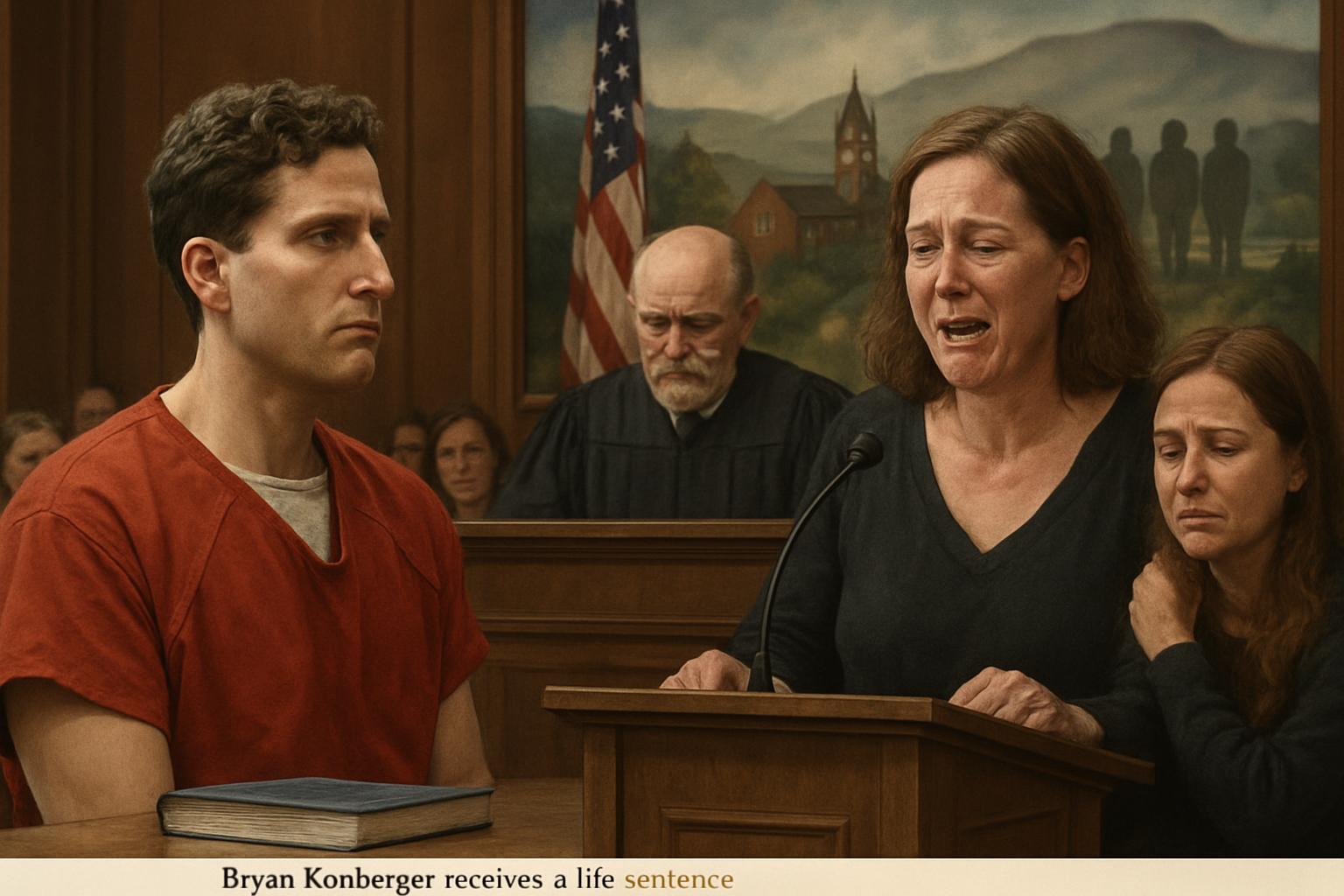
Bryan Kohberger Sentenced to Life for Idaho College Murders
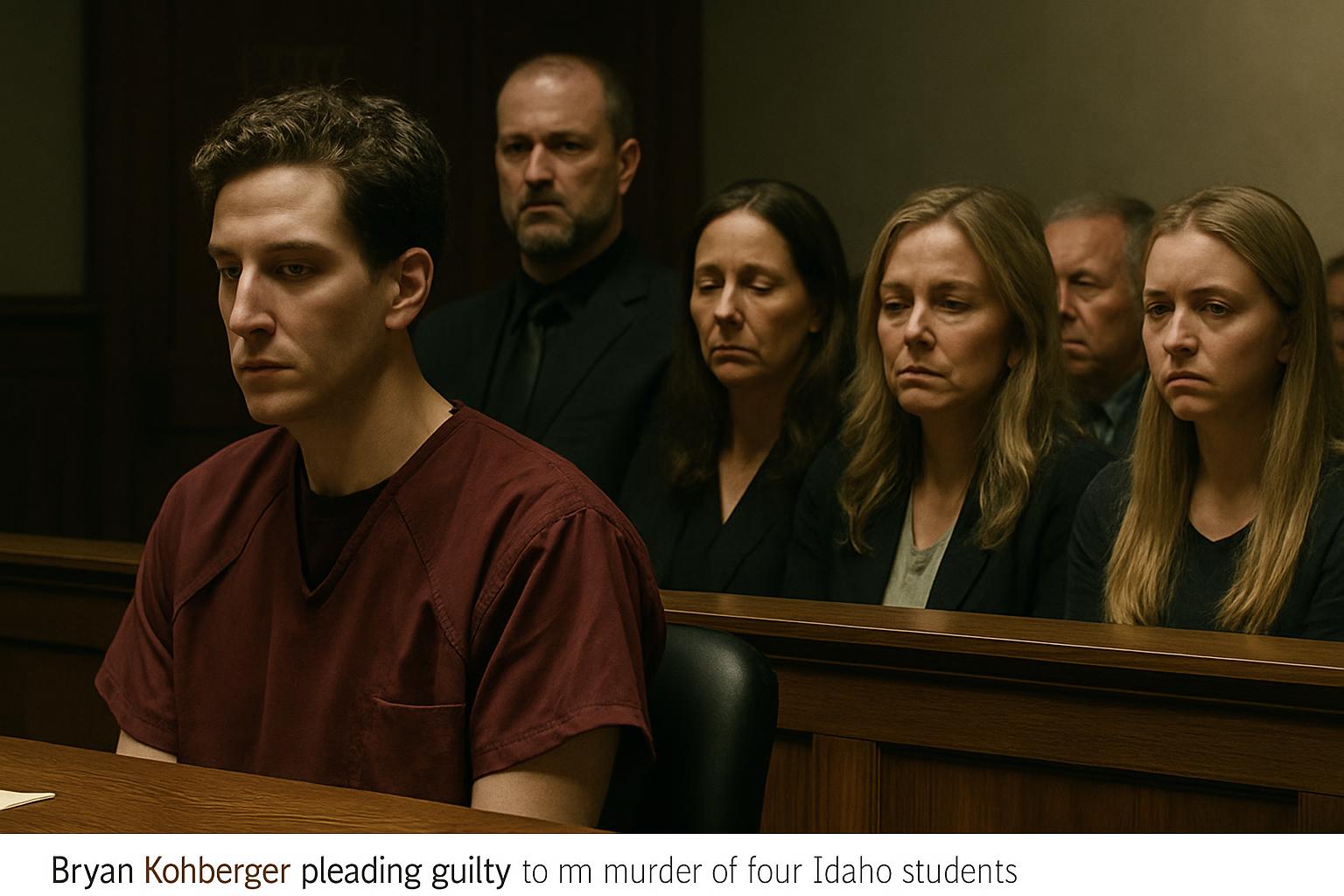
Bryan Kohberger to Plead Guilty in Idaho Student Murders, Avoiding Death Penalty

Legal Battle Over Evidence in Luigi Mangione's High-Profile Murder Case

Luigi Mangione's Legal Battle Over Evidence in High-Profile Murder Case

US Courts Halt Deportation of Man Wrongfully Imprisoned for Over 40 Years
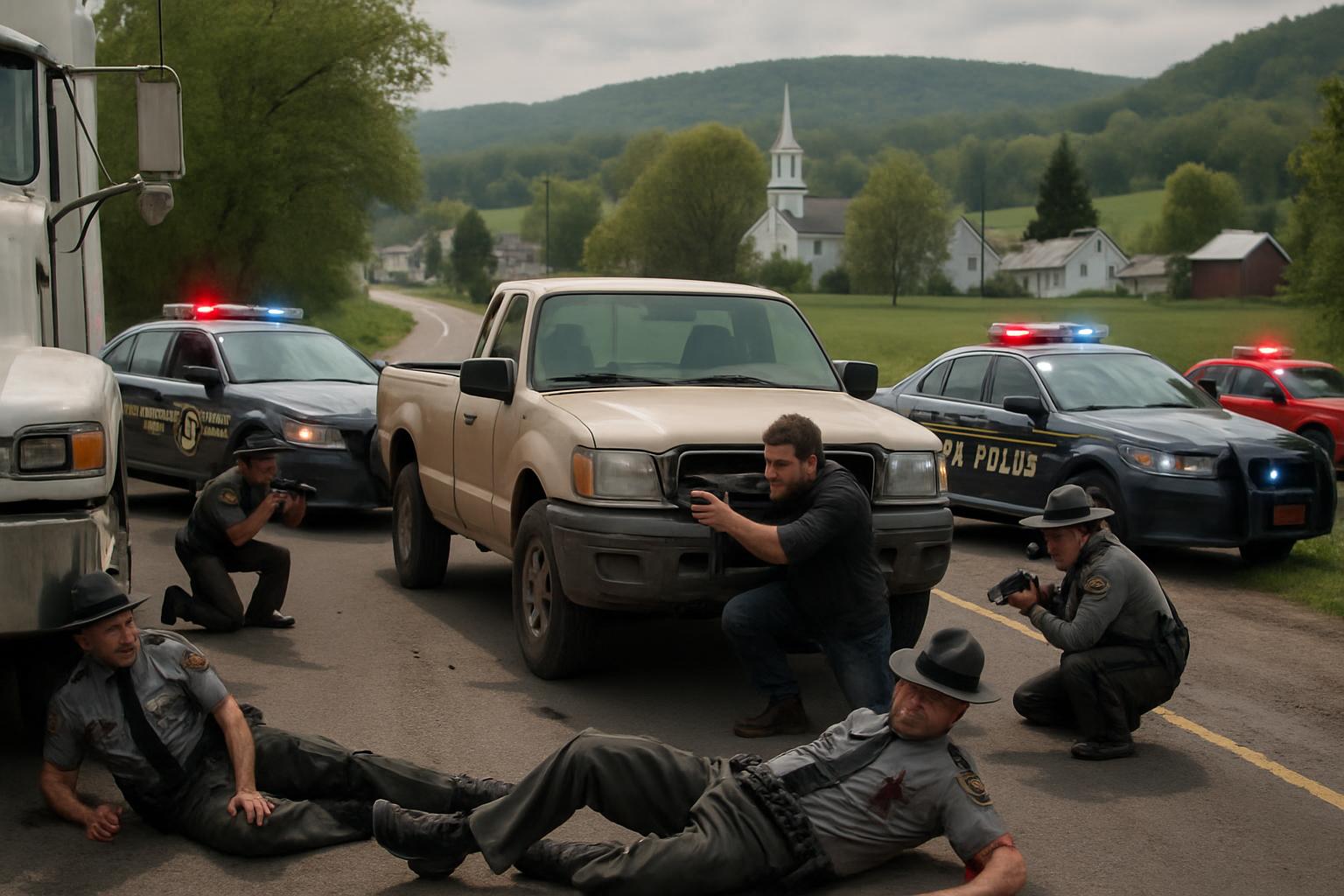
Pennsylvania Shooting Leaves Two Troopers Injured, Suspect Killed in Violent Ambush
Bryan Kohberger Pleads Guilty to Idaho Student Murders, Avoids Death Penalty
In This Article
 Sofia Romano| Published
 HIGHLIGHTS
- Bryan Kohberger, a former criminology student, pleaded guilty to the murder of four University of Idaho students to avoid the death penalty.
- The plea deal means Kohberger will face life imprisonment without the possibility of parole, with formal sentencing set for 23 July.
- The murders, which occurred in November 2022, shocked the small community of Moscow, Idaho, and sparked a nationwide manhunt.
- The plea agreement has divided the victims' families, with some expressing disappointment and others finding closure.
- Kohberger's motive remains unclear, and the murder weapon has not been recovered, leaving some questions unanswered.
In a case that captured national attention, Bryan Kohberger, a former criminology student, has pleaded guilty to the brutal murders of four University of Idaho students. The plea deal, reached to avoid the death penalty, will see Kohberger spend the rest of his life in prison. The sentencing is scheduled for 23 July.
The Murders and Arrest
The tragic events unfolded in November 2022 in the small college town of Moscow, Idaho, when Kaylee Goncalves, Ethan Chapin, Xana Kernodle, and Madison Mogen were found stabbed to death in their off-campus home. The crime shocked the community, which had not seen a homicide in five years, and led to a nationwide manhunt. Kohberger, who was studying at nearby Washington State University, was arrested weeks later in Pennsylvania.
Legal Proceedings and Plea Deal
During a hearing on Wednesday, Judge Steven Hippler outlined the plea agreement, which includes Kohberger's waiver of the right to appeal or seek leniency. Kohberger admitted to the murders and a count of burglary, which carries a maximum sentence of 10 years. The plea deal has sparked mixed reactions among the victims' families. While some, like Kaylee Goncalves' father, expressed disappointment, others, such as Madison Mogen's family, supported the agreement, citing closure.
Unanswered Questions
Despite the guilty plea, many questions remain unanswered. Prosecutors revealed that Kohberger had planned the attack, purchasing a knife online months before the murders. However, the murder weapon has not been found, and no motive has been established. The absence of a clear motive and the fact that two roommates survived the attack have left lingering mysteries.
Community Impact and Investigation
The case has had a profound impact on the Moscow community and the University of Idaho. The investigation involved extensive efforts, including the use of genetic genealogy and cellphone data to track Kohberger's movements. Surveillance footage also played a crucial role in identifying him as a suspect.
WHAT THIS MIGHT MEAN
As the legal proceedings conclude, the focus may shift to understanding the psychological and social factors that led to such a heinous crime. Experts might explore Kohberger's background in criminology and whether it influenced his actions. The case also raises questions about the effectiveness of plea deals in delivering justice and closure to victims' families.
The community of Moscow will likely continue to grapple with the aftermath of the murders, seeking healing and security. The case may prompt discussions on campus safety and the role of mental health support in preventing such tragedies. As the sentencing date approaches, the legal system's handling of high-profile cases will remain under scrutiny, influencing future legal strategies and public perception.
Images from the Web
Related Articles
Bryan Kohberger Sentenced to Life for Idaho College Murders
Bryan Kohberger to Plead Guilty in Idaho Student Murders, Avoiding Death Penalty
Legal Battle Over Evidence in Luigi Mangione's High-Profile Murder Case
Luigi Mangione's Legal Battle Over Evidence in High-Profile Murder Case
US Courts Halt Deportation of Man Wrongfully Imprisoned for Over 40 Years
Pennsylvania Shooting Leaves Two Troopers Injured, Suspect Killed in Violent Ambush