
Bryan Kohberger Sentenced to Life for Idaho College Murders
In This Article
HIGHLIGHTS
- Bryan Kohberger received four consecutive life sentences for the November 2022 murders of four Idaho college students.
- Kohberger, a former criminology student, pleaded guilty to avoid the death penalty, leaving families with unanswered questions.
- The case, which shocked the small town of Moscow, Idaho, was solved using DNA evidence and surveillance footage.
- Victim impact statements highlighted the emotional toll on families, with some expressing forgiveness and others anger.
- Kohberger was also sentenced to 10 years for burglary and fined $270,000 in penalties.
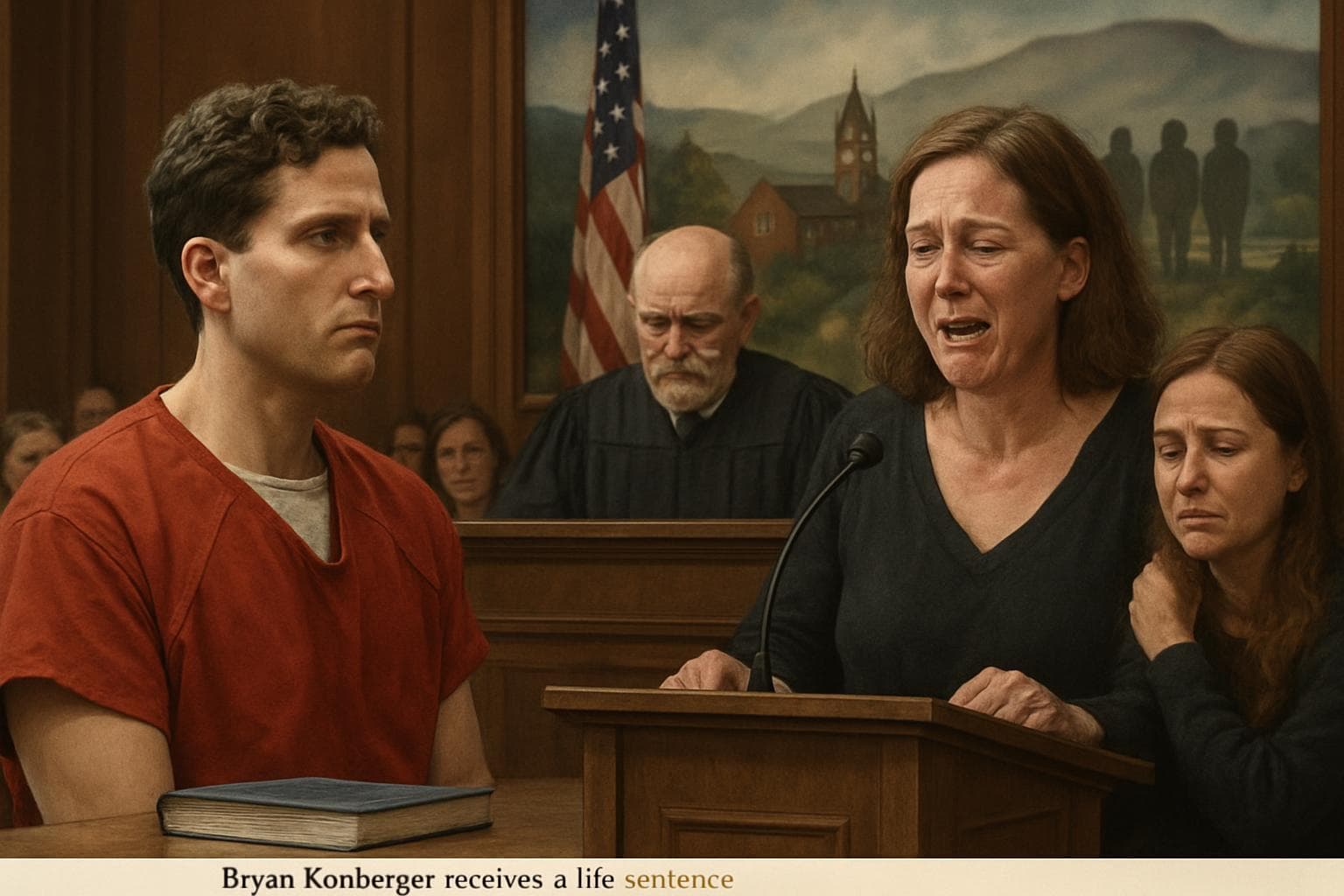
Bryan Kohberger, a former criminology student, has been sentenced to four consecutive life terms for the brutal murders of four University of Idaho students in November 2022. The sentencing, which took place on Wednesday, marks the end of a case that gripped the small college town of Moscow and drew national attention.
A Crime That Shocked a Community
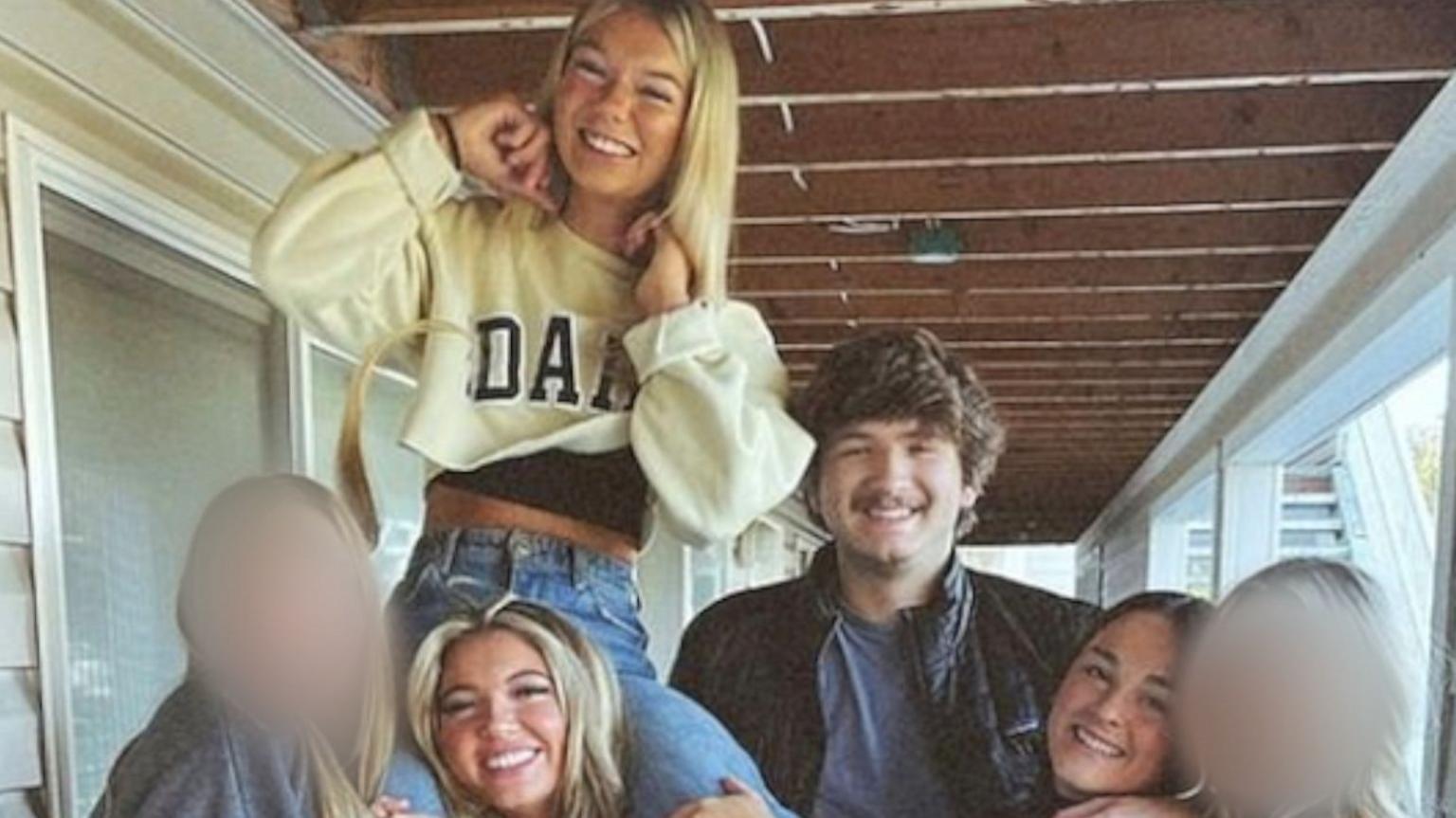
The murders of Kaylee Goncalves, Ethan Chapin, Xana Kernodle, and Madison Mogen left the community in shock and fear. Kohberger, who was pursuing graduate studies at Washington State University, entered the students' off-campus home and committed the heinous act without any apparent personal connection to the victims. The crime scene was discovered on the morning of November 13, 2022, and it took authorities over six weeks to identify Kohberger as the suspect.
The Investigation and Arrest
Investigators faced initial challenges due to the lack of immediate suspects. However, a breakthrough came when a knife sheath with a trace of male DNA was found at the scene. This, combined with surveillance footage of Kohberger's white Hyundai Elantra and phone records placing him near the crime scene, led to his arrest on December 30, 2022, at his family home in Pennsylvania. Kohberger's plea deal spared him the death penalty, a decision that left some family members of the victims feeling conflicted.
Emotional Courtroom Testimonies
During the sentencing, family members of the victims delivered powerful impact statements, sharing their grief and anger. Kristi Goncalves, mother of Kaylee, expressed her disappointment that Kohberger would not face the death penalty, stating, "The state is showing BK mercy by removing the death penalty. BK did not show Kaylee ANY mercy." Meanwhile, Xana Kernodle's aunt offered forgiveness, expressing a desire for answers from Kohberger.
Legal Consequences
In addition to the life sentences for murder, Kohberger received a 10-year sentence for burglary and was fined $270,000 in civil penalties. Judge Steven Hippler, who presided over the case, described Kohberger's actions as making him "the worst of the worst."
WHAT THIS MIGHT MEAN
The conclusion of Bryan Kohberger's trial brings a sense of closure to the families of the victims, yet many questions remain unanswered, particularly regarding his motive. The plea deal, while sparing Kohberger from the death penalty, leaves the public and the families with lingering doubts and a desire for more information.
Legally, the case highlights the effectiveness of modern investigative techniques, such as genetic genealogy, in solving complex cases. Politically, it may reignite debates over the death penalty and its application in cases involving heinous crimes.
As the community of Moscow, Idaho, continues to heal, the case serves as a somber reminder of the impact of violent crime on small towns and the enduring quest for justice and understanding.
Images from the Web
Related Articles

Russian Drone Strike on Ukrainian Train Sparks Outrage Amid Ongoing Conflict

Geneva Peace Talks Between Russia and Ukraine End Without Breakthrough

Geneva Talks See 'Meaningful Progress' Amid Tensions Over Ukraine-Russia Conflict
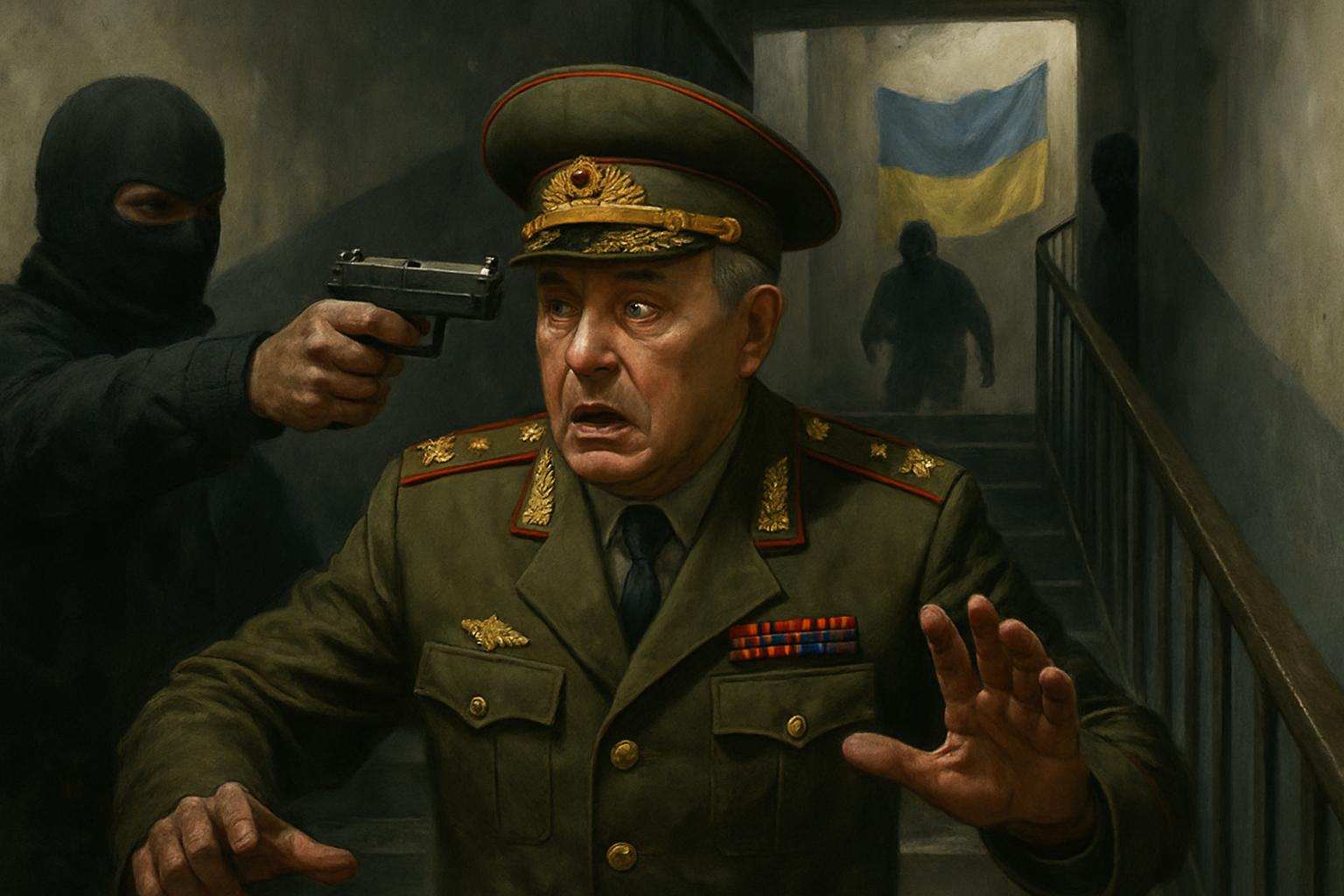
Russian General's Shooting Sparks Diplomatic Tensions Amid Accusations

Ukraine and Russia Conduct Prisoner Exchange Amid Stalled Peace Talks

New START Treaty Expiry Sparks Fears of Renewed Nuclear Arms Race
Bryan Kohberger Sentenced to Life for Idaho College Murders
In This Article
 Sofia Romano| Published
 HIGHLIGHTS
- Bryan Kohberger received four consecutive life sentences for the November 2022 murders of four Idaho college students.
- Kohberger, a former criminology student, pleaded guilty to avoid the death penalty, leaving families with unanswered questions.
- The case, which shocked the small town of Moscow, Idaho, was solved using DNA evidence and surveillance footage.
- Victim impact statements highlighted the emotional toll on families, with some expressing forgiveness and others anger.
- Kohberger was also sentenced to 10 years for burglary and fined $270,000 in penalties.
Bryan Kohberger, a former criminology student, has been sentenced to four consecutive life terms for the brutal murders of four University of Idaho students in November 2022. The sentencing, which took place on Wednesday, marks the end of a case that gripped the small college town of Moscow and drew national attention.
A Crime That Shocked a Community
The murders of Kaylee Goncalves, Ethan Chapin, Xana Kernodle, and Madison Mogen left the community in shock and fear. Kohberger, who was pursuing graduate studies at Washington State University, entered the students' off-campus home and committed the heinous act without any apparent personal connection to the victims. The crime scene was discovered on the morning of November 13, 2022, and it took authorities over six weeks to identify Kohberger as the suspect.
The Investigation and Arrest
Investigators faced initial challenges due to the lack of immediate suspects. However, a breakthrough came when a knife sheath with a trace of male DNA was found at the scene. This, combined with surveillance footage of Kohberger's white Hyundai Elantra and phone records placing him near the crime scene, led to his arrest on December 30, 2022, at his family home in Pennsylvania. Kohberger's plea deal spared him the death penalty, a decision that left some family members of the victims feeling conflicted.
Emotional Courtroom Testimonies
During the sentencing, family members of the victims delivered powerful impact statements, sharing their grief and anger. Kristi Goncalves, mother of Kaylee, expressed her disappointment that Kohberger would not face the death penalty, stating, "The state is showing BK mercy by removing the death penalty. BK did not show Kaylee ANY mercy." Meanwhile, Xana Kernodle's aunt offered forgiveness, expressing a desire for answers from Kohberger.
Legal Consequences
In addition to the life sentences for murder, Kohberger received a 10-year sentence for burglary and was fined $270,000 in civil penalties. Judge Steven Hippler, who presided over the case, described Kohberger's actions as making him "the worst of the worst."
WHAT THIS MIGHT MEAN
The conclusion of Bryan Kohberger's trial brings a sense of closure to the families of the victims, yet many questions remain unanswered, particularly regarding his motive. The plea deal, while sparing Kohberger from the death penalty, leaves the public and the families with lingering doubts and a desire for more information.
Legally, the case highlights the effectiveness of modern investigative techniques, such as genetic genealogy, in solving complex cases. Politically, it may reignite debates over the death penalty and its application in cases involving heinous crimes.
As the community of Moscow, Idaho, continues to heal, the case serves as a somber reminder of the impact of violent crime on small towns and the enduring quest for justice and understanding.
Images from the Web
Related Articles
Russian Drone Strike on Ukrainian Train Sparks Outrage Amid Ongoing Conflict
Geneva Peace Talks Between Russia and Ukraine End Without Breakthrough
Geneva Talks See 'Meaningful Progress' Amid Tensions Over Ukraine-Russia Conflict
Russian General's Shooting Sparks Diplomatic Tensions Amid Accusations
Ukraine and Russia Conduct Prisoner Exchange Amid Stalled Peace Talks
New START Treaty Expiry Sparks Fears of Renewed Nuclear Arms Race