
Ukraine and Russia Conduct Prisoner Exchange Amid Stalled Peace Talks
In This Article
HIGHLIGHTS
- Ukraine and Russia exchanged 314 prisoners, marking the first swap in months amid US-brokered peace talks in Abu Dhabi.
- The negotiations, involving senior delegations, ended without a breakthrough, with territorial concessions and security guarantees as major sticking points.
- Ukrainian President Volodymyr Zelensky described the talks as "not easy" but emphasized the need for constructive dialogue.
- Russia demands Ukraine cede the entire Donbas region, while Kyiv seeks robust security guarantees from Western allies.
- US envoy Steve Witkoff noted the talks were productive but highlighted that significant work remains to achieve peace.
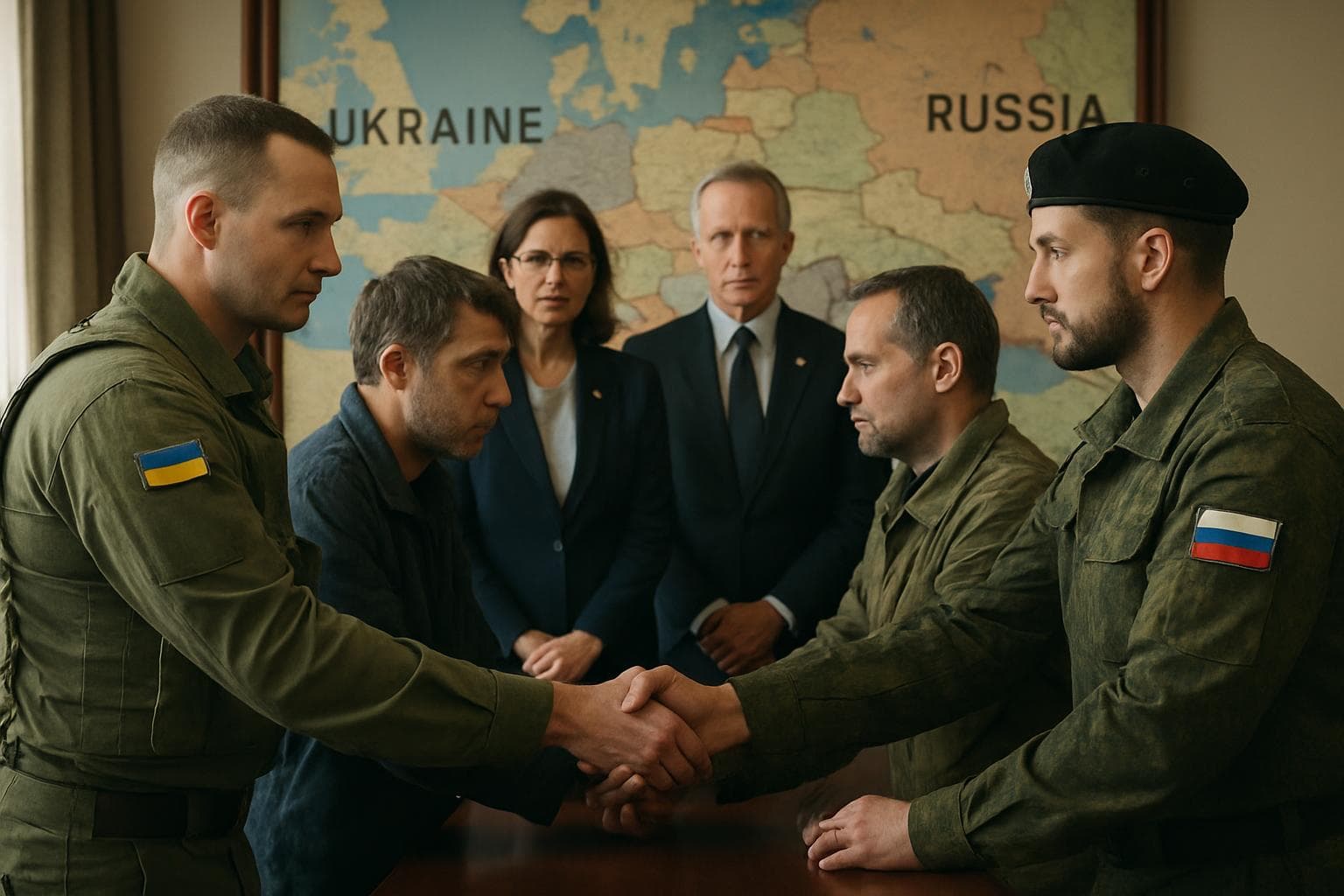
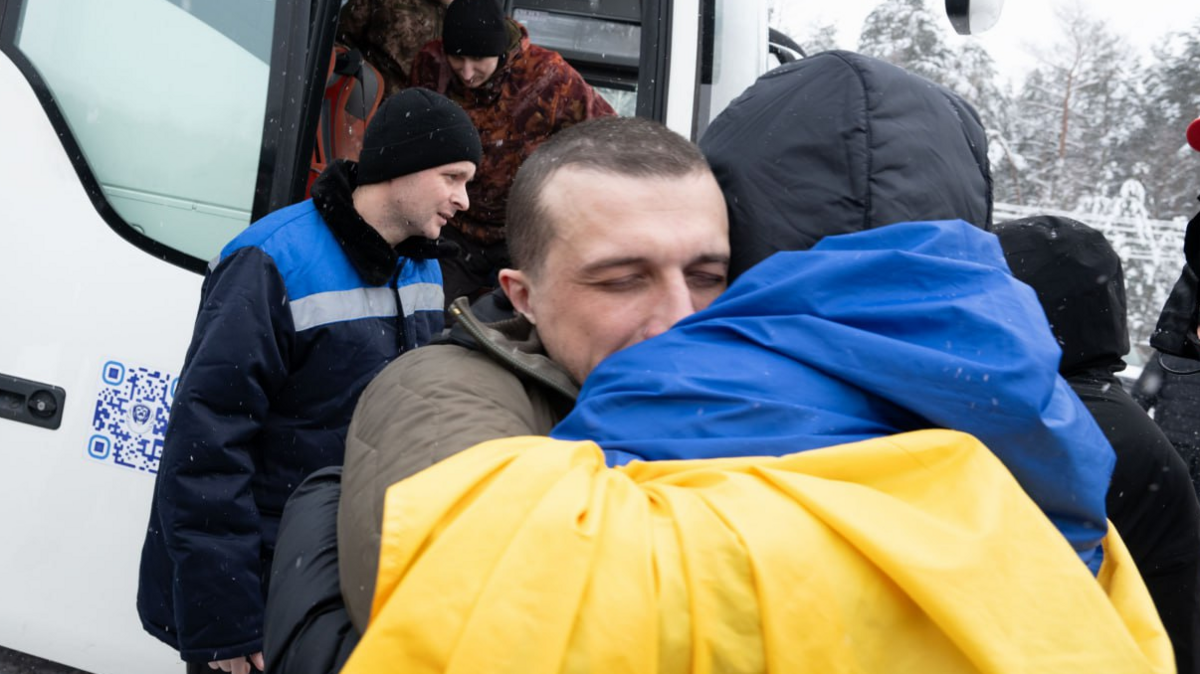
In a rare moment of cooperation, Ukraine and Russia have exchanged 314 prisoners following two days of US-brokered peace talks in Abu Dhabi. The swap, involving 157 Ukrainians and 157 Russian soldiers, is the first in several months and comes amid ongoing efforts to negotiate an end to the nearly four-year conflict.
Diplomatic Efforts in Abu Dhabi
The talks, led by US special envoy Steve Witkoff and President Donald Trump's son-in-law Jared Kushner, marked the most substantive engagement between Kyiv and Moscow in recent months. Despite the exchange, the negotiations concluded without a breakthrough, with territorial concessions and security guarantees remaining contentious issues.
Ukrainian President Volodymyr Zelensky acknowledged the challenges, describing the discussions as "not easy" but necessary for a fair resolution to Russian aggression. Zelensky emphasized the importance of constructive dialogue, expressing a commitment to bringing all Ukrainians home.
Sticking Points: Territory and Security
A central issue in the talks is Russia's demand for Ukraine to cede the entire eastern Donbas region, a condition Kyiv has rejected. Ukrainian officials argue for a ceasefire along the current frontline, while Russia insists on maximalist territorial demands. Additionally, Ukraine seeks robust security guarantees from European allies and the US, a point of contention with Moscow.
The US-led negotiations, which included senior military and intelligence officials from both sides, aimed to revive diplomatic efforts nearly four years into the war. However, the prospects for a viable peace settlement remain uncertain, with Moscow continuing to press its demands.
Humanitarian Impact and Continued Conflict
As talks continue, the humanitarian toll of the conflict remains severe. Russian forces have targeted Ukraine's energy infrastructure, causing widespread blackouts amid freezing temperatures. Zelensky criticized these attacks, urging Western governments to denounce Russia's actions and increase pressure on Moscow.
Despite the challenges, both sides have expressed a willingness to continue negotiations. Russia's representative, Kirill Dmitriev, noted progress and "forward movement" in discussions, while US Secretary of State Marco Rubio emphasized the need for commitment to the peace process.
WHAT THIS MIGHT MEAN
The continuation of peace talks between Ukraine and Russia, facilitated by the US, suggests a tentative revival of diplomatic efforts. However, the path to a lasting resolution remains fraught with challenges. The key issues of territorial concessions and security guarantees are likely to dominate future discussions, with both sides needing to make significant compromises.
The humanitarian impact of the conflict, exacerbated by Russia's attacks on Ukraine's energy infrastructure, underscores the urgency of reaching a settlement. As negotiations proceed, the international community's role in exerting pressure on Moscow and supporting Ukraine's security needs will be crucial.
Ultimately, the success of these talks will depend on the willingness of both parties to engage in meaningful dialogue and make concessions. The involvement of senior delegations and the exchange of prisoners are positive steps, but achieving a comprehensive peace agreement will require sustained diplomatic efforts and international support.
Images from the Web
Related Articles
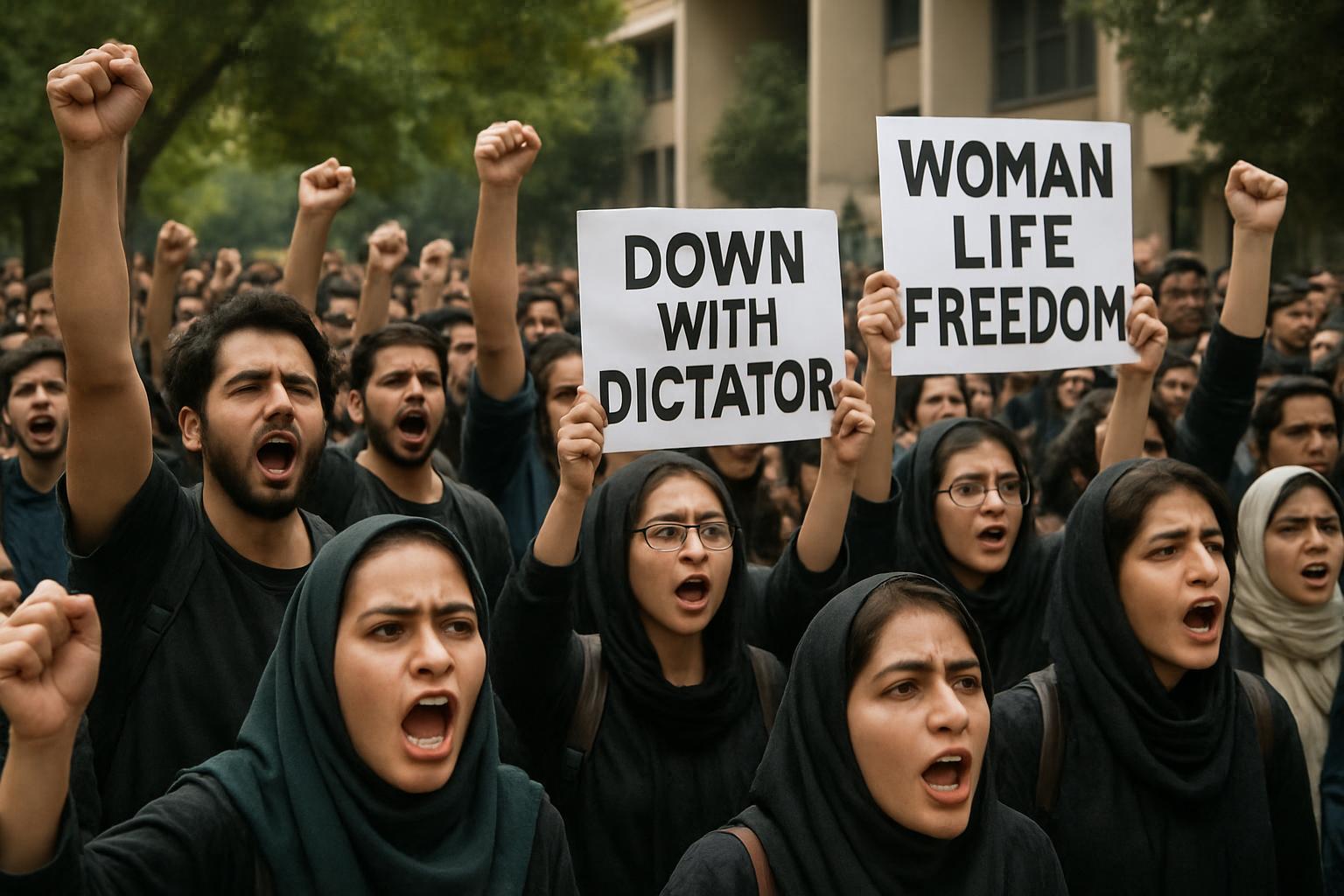
Iranian Students Lead Major Protests Amid Rising US-Iran Tensions

US-Iran Tensions Escalate Amid Renewed Nuclear Talks and Protests
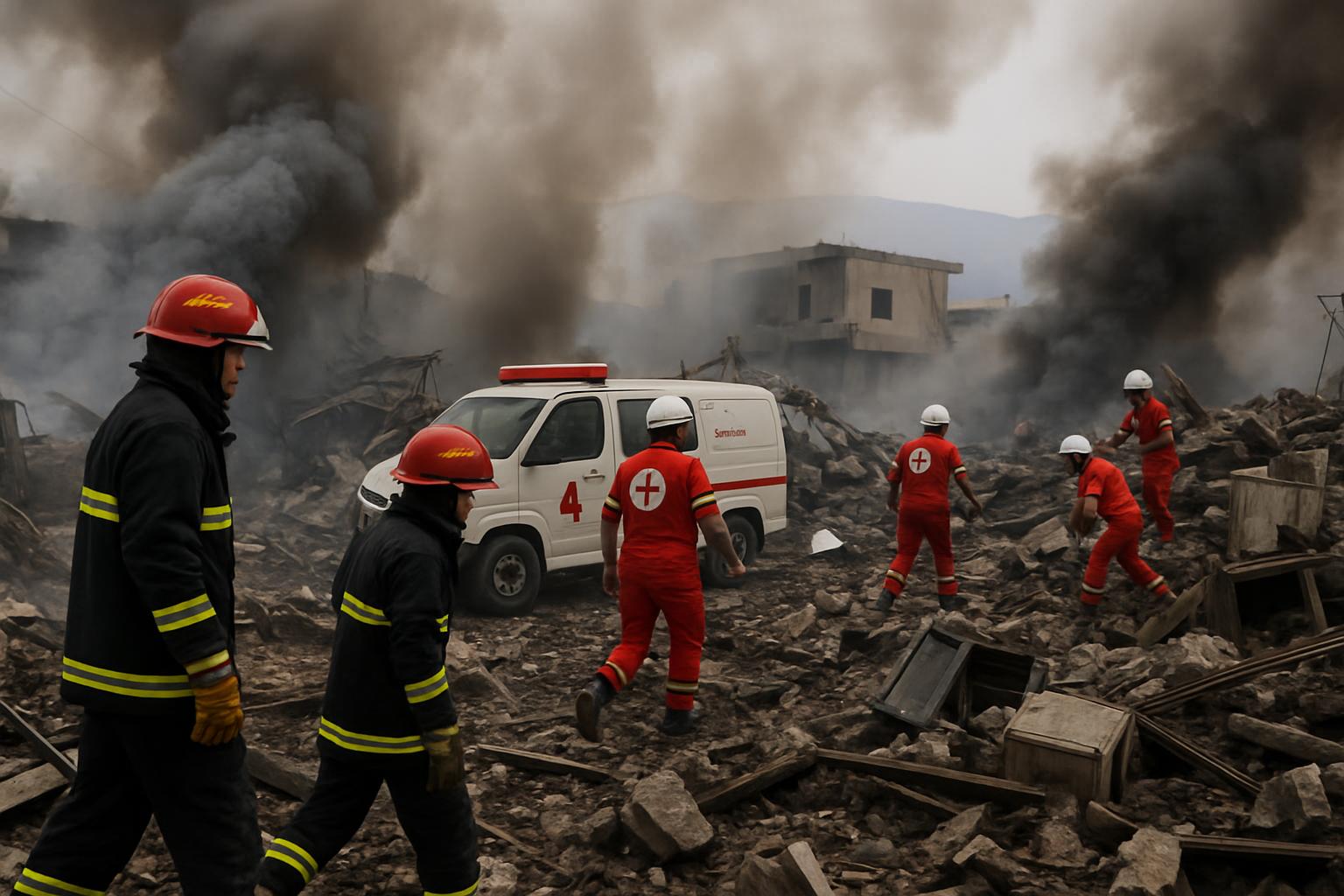
Israeli Airstrikes in Lebanon's Bekaa Valley Leave 10 Dead Amid Rising Tensions
Russian LNG Tanker Sinks in Mediterranean Amid Accusations of Ukrainian Drone Attack
Russia-Ukraine Conflict: Four Years of Unyielding Struggle and Human Resilience
China Sets Lowest GDP Growth Target in Decades Amid Economic Challenges
Ukraine and Russia Conduct Prisoner Exchange Amid Stalled Peace Talks
In This Article
 James Okoro| Published
 HIGHLIGHTS
- Ukraine and Russia exchanged 314 prisoners, marking the first swap in months amid US-brokered peace talks in Abu Dhabi.
- The negotiations, involving senior delegations, ended without a breakthrough, with territorial concessions and security guarantees as major sticking points.
- Ukrainian President Volodymyr Zelensky described the talks as "not easy" but emphasized the need for constructive dialogue.
- Russia demands Ukraine cede the entire Donbas region, while Kyiv seeks robust security guarantees from Western allies.
- US envoy Steve Witkoff noted the talks were productive but highlighted that significant work remains to achieve peace.
In a rare moment of cooperation, Ukraine and Russia have exchanged 314 prisoners following two days of US-brokered peace talks in Abu Dhabi. The swap, involving 157 Ukrainians and 157 Russian soldiers, is the first in several months and comes amid ongoing efforts to negotiate an end to the nearly four-year conflict.
Diplomatic Efforts in Abu Dhabi
The talks, led by US special envoy Steve Witkoff and President Donald Trump's son-in-law Jared Kushner, marked the most substantive engagement between Kyiv and Moscow in recent months. Despite the exchange, the negotiations concluded without a breakthrough, with territorial concessions and security guarantees remaining contentious issues.
Ukrainian President Volodymyr Zelensky acknowledged the challenges, describing the discussions as "not easy" but necessary for a fair resolution to Russian aggression. Zelensky emphasized the importance of constructive dialogue, expressing a commitment to bringing all Ukrainians home.
Sticking Points: Territory and Security
A central issue in the talks is Russia's demand for Ukraine to cede the entire eastern Donbas region, a condition Kyiv has rejected. Ukrainian officials argue for a ceasefire along the current frontline, while Russia insists on maximalist territorial demands. Additionally, Ukraine seeks robust security guarantees from European allies and the US, a point of contention with Moscow.
The US-led negotiations, which included senior military and intelligence officials from both sides, aimed to revive diplomatic efforts nearly four years into the war. However, the prospects for a viable peace settlement remain uncertain, with Moscow continuing to press its demands.
Humanitarian Impact and Continued Conflict
As talks continue, the humanitarian toll of the conflict remains severe. Russian forces have targeted Ukraine's energy infrastructure, causing widespread blackouts amid freezing temperatures. Zelensky criticized these attacks, urging Western governments to denounce Russia's actions and increase pressure on Moscow.
Despite the challenges, both sides have expressed a willingness to continue negotiations. Russia's representative, Kirill Dmitriev, noted progress and "forward movement" in discussions, while US Secretary of State Marco Rubio emphasized the need for commitment to the peace process.
WHAT THIS MIGHT MEAN
The continuation of peace talks between Ukraine and Russia, facilitated by the US, suggests a tentative revival of diplomatic efforts. However, the path to a lasting resolution remains fraught with challenges. The key issues of territorial concessions and security guarantees are likely to dominate future discussions, with both sides needing to make significant compromises.
The humanitarian impact of the conflict, exacerbated by Russia's attacks on Ukraine's energy infrastructure, underscores the urgency of reaching a settlement. As negotiations proceed, the international community's role in exerting pressure on Moscow and supporting Ukraine's security needs will be crucial.
Ultimately, the success of these talks will depend on the willingness of both parties to engage in meaningful dialogue and make concessions. The involvement of senior delegations and the exchange of prisoners are positive steps, but achieving a comprehensive peace agreement will require sustained diplomatic efforts and international support.
Images from the Web
Related Articles
Iranian Students Lead Major Protests Amid Rising US-Iran Tensions
US-Iran Tensions Escalate Amid Renewed Nuclear Talks and Protests
Israeli Airstrikes in Lebanon's Bekaa Valley Leave 10 Dead Amid Rising Tensions
Russian LNG Tanker Sinks in Mediterranean Amid Accusations of Ukrainian Drone Attack
Russia-Ukraine Conflict: Four Years of Unyielding Struggle and Human Resilience
China Sets Lowest GDP Growth Target in Decades Amid Economic Challenges