
Geneva Talks See 'Meaningful Progress' Amid Tensions Over Ukraine-Russia Conflict
In This Article
HIGHLIGHTS
- US envoy Steve Witkoff reported "meaningful progress" in Geneva talks between Ukraine and Russia, though hopes for a breakthrough remain low.
- Ukrainian President Zelensky criticized Donald Trump for exerting "unfair" pressure on Ukraine to compromise in negotiations.
- Russia continues to demand Ukrainian territory, while Ukraine insists on security guarantees from the West before any settlement.
- Ukrainian drones have targeted several Russian facilities, including oil refineries and a chemicals plant, as part of ongoing military actions.
- The Geneva talks, mediated by US officials, are the third round of negotiations, occurring just before the fourth anniversary of Russia's full-scale invasion.
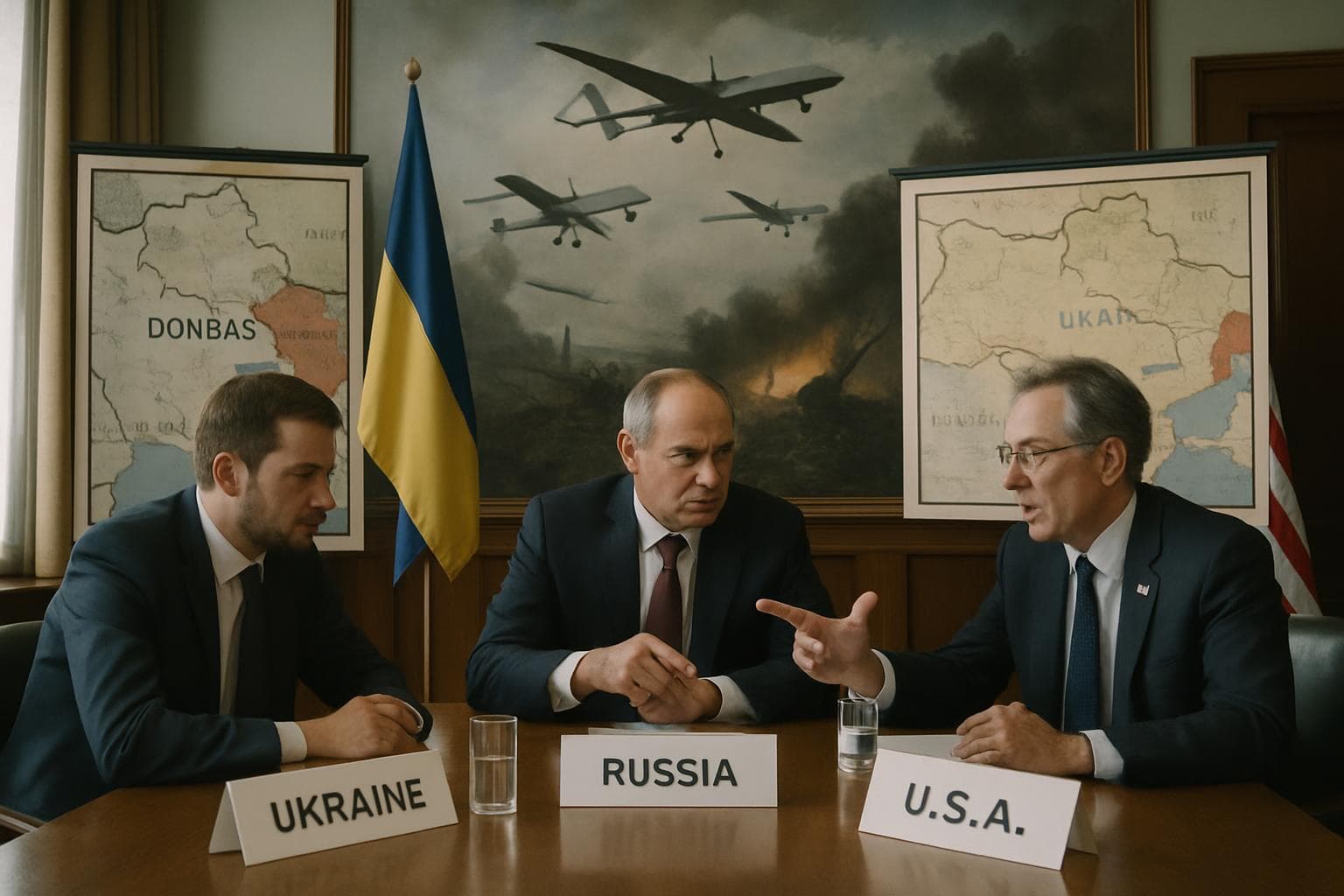
As negotiations between Ukraine and Russia entered their second day in Geneva, US special envoy Steve Witkoff announced that "meaningful progress" had been made. Despite this optimistic note, the likelihood of a significant breakthrough remains uncertain. Ukrainian President Volodymyr Zelensky has expressed frustration over what he perceives as undue pressure from US President Donald Trump, who has repeatedly urged Ukraine to make concessions.
US Mediation and Diplomatic Strains
The Geneva talks, mediated by Witkoff and Jared Kushner, are part of ongoing efforts to resolve the nearly four-year-old conflict. However, Zelensky criticized Trump's approach, stating it was "not fair" to expect Ukraine to compromise without similar demands on Russia. The Kremlin continues to insist on territorial gains, particularly in the eastern Donbas region, which Ukraine has firmly rejected.
Military Actions and Security Concerns
The conflict's military dimension remains active, with Ukraine's air force reporting that Russia launched 126 drones overnight, of which 100 were intercepted. Meanwhile, Ukrainian drones have targeted Russian facilities, including oil refineries and a chemicals plant, highlighting the ongoing hostilities. These actions underscore the complex security landscape that any peace agreement must address.
Negotiation Dynamics and Future Prospects
The Geneva discussions, described as "tense" by Russian sources, are the third round of trilateral negotiations. They occur just before the fourth anniversary of Moscow's full-scale invasion of Ukraine. Ukrainian negotiator Rustem Umerov noted that the talks focused on "practical issues and the mechanics of possible solutions," though details remain sparse.
WHAT THIS MIGHT MEAN
The outcome of the Geneva talks could significantly impact the trajectory of the Ukraine-Russia conflict. Should the negotiations yield a viable framework for peace, it may pave the way for further diplomatic engagement. However, if the talks falter, the conflict could escalate, with both sides potentially intensifying military actions. Experts suggest that the US's role as a mediator will be crucial in balancing the demands of both parties and ensuring that any agreement addresses the core security concerns of Ukraine. The international community will be closely watching the developments, as the implications extend beyond regional stability to global geopolitical dynamics.
Related Articles
US-Iran Tensions Escalate Amid Renewed Nuclear Talks and Protests
Russian LNG Tanker Sinks in Mediterranean Amid Accusations of Ukrainian Drone Attack
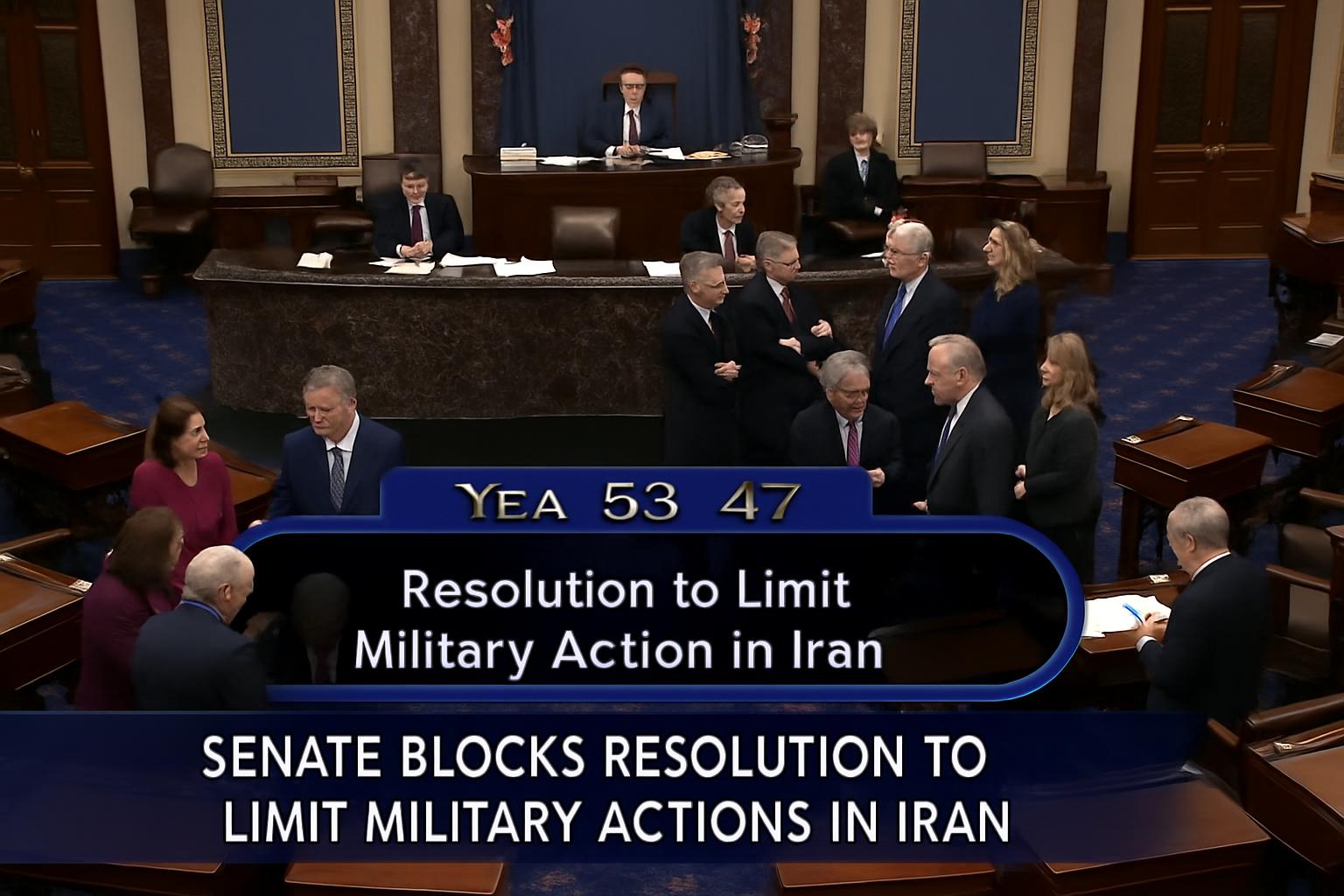
Senate Blocks Resolution to Limit Trump's Military Actions in Iran
Spain's Sánchez Stands Firm Against Trump's Trade Threat Over Iran Stance
Greenland Politely Declines Trump's Hospital Ship Offer Amid Healthcare Debate
Russia-Ukraine Conflict: Four Years of Unyielding Struggle and Human Resilience
Geneva Talks See 'Meaningful Progress' Amid Tensions Over Ukraine-Russia Conflict
In This Article
 Ethan Brooks| Published
 HIGHLIGHTS
- US envoy Steve Witkoff reported "meaningful progress" in Geneva talks between Ukraine and Russia, though hopes for a breakthrough remain low.
- Ukrainian President Zelensky criticized Donald Trump for exerting "unfair" pressure on Ukraine to compromise in negotiations.
- Russia continues to demand Ukrainian territory, while Ukraine insists on security guarantees from the West before any settlement.
- Ukrainian drones have targeted several Russian facilities, including oil refineries and a chemicals plant, as part of ongoing military actions.
- The Geneva talks, mediated by US officials, are the third round of negotiations, occurring just before the fourth anniversary of Russia's full-scale invasion.
As negotiations between Ukraine and Russia entered their second day in Geneva, US special envoy Steve Witkoff announced that "meaningful progress" had been made. Despite this optimistic note, the likelihood of a significant breakthrough remains uncertain. Ukrainian President Volodymyr Zelensky has expressed frustration over what he perceives as undue pressure from US President Donald Trump, who has repeatedly urged Ukraine to make concessions.
US Mediation and Diplomatic Strains
The Geneva talks, mediated by Witkoff and Jared Kushner, are part of ongoing efforts to resolve the nearly four-year-old conflict. However, Zelensky criticized Trump's approach, stating it was "not fair" to expect Ukraine to compromise without similar demands on Russia. The Kremlin continues to insist on territorial gains, particularly in the eastern Donbas region, which Ukraine has firmly rejected.
Military Actions and Security Concerns
The conflict's military dimension remains active, with Ukraine's air force reporting that Russia launched 126 drones overnight, of which 100 were intercepted. Meanwhile, Ukrainian drones have targeted Russian facilities, including oil refineries and a chemicals plant, highlighting the ongoing hostilities. These actions underscore the complex security landscape that any peace agreement must address.
Negotiation Dynamics and Future Prospects
The Geneva discussions, described as "tense" by Russian sources, are the third round of trilateral negotiations. They occur just before the fourth anniversary of Moscow's full-scale invasion of Ukraine. Ukrainian negotiator Rustem Umerov noted that the talks focused on "practical issues and the mechanics of possible solutions," though details remain sparse.
WHAT THIS MIGHT MEAN
The outcome of the Geneva talks could significantly impact the trajectory of the Ukraine-Russia conflict. Should the negotiations yield a viable framework for peace, it may pave the way for further diplomatic engagement. However, if the talks falter, the conflict could escalate, with both sides potentially intensifying military actions. Experts suggest that the US's role as a mediator will be crucial in balancing the demands of both parties and ensuring that any agreement addresses the core security concerns of Ukraine. The international community will be closely watching the developments, as the implications extend beyond regional stability to global geopolitical dynamics.
Related Articles
US-Iran Tensions Escalate Amid Renewed Nuclear Talks and Protests
Russian LNG Tanker Sinks in Mediterranean Amid Accusations of Ukrainian Drone Attack
Senate Blocks Resolution to Limit Trump's Military Actions in Iran
Spain's Sánchez Stands Firm Against Trump's Trade Threat Over Iran Stance
Greenland Politely Declines Trump's Hospital Ship Offer Amid Healthcare Debate
Russia-Ukraine Conflict: Four Years of Unyielding Struggle and Human Resilience