
Russian LNG Tanker Sinks in Mediterranean Amid Accusations of Ukrainian Drone Attack
In This Article
HIGHLIGHTS
- A Russian LNG tanker, Arctic Metagaz, sank in the Mediterranean after explosions and a fire, with Russia blaming Ukrainian naval drones.
- All 30 crew members were rescued safely by Malta's armed forces after the incident, which occurred 150 miles off the Libyan coast.
- Russia's Vladimir Putin labeled the event a "terrorist attack" and criticized the European Union for alleged complicity.
- Ukraine has not officially commented on the incident, though previous attacks on Russian vessels have been linked to Ukrainian drones.
- The incident raises concerns about the impact on global energy markets, as Russia considers redirecting its gas supplies away from Europe.
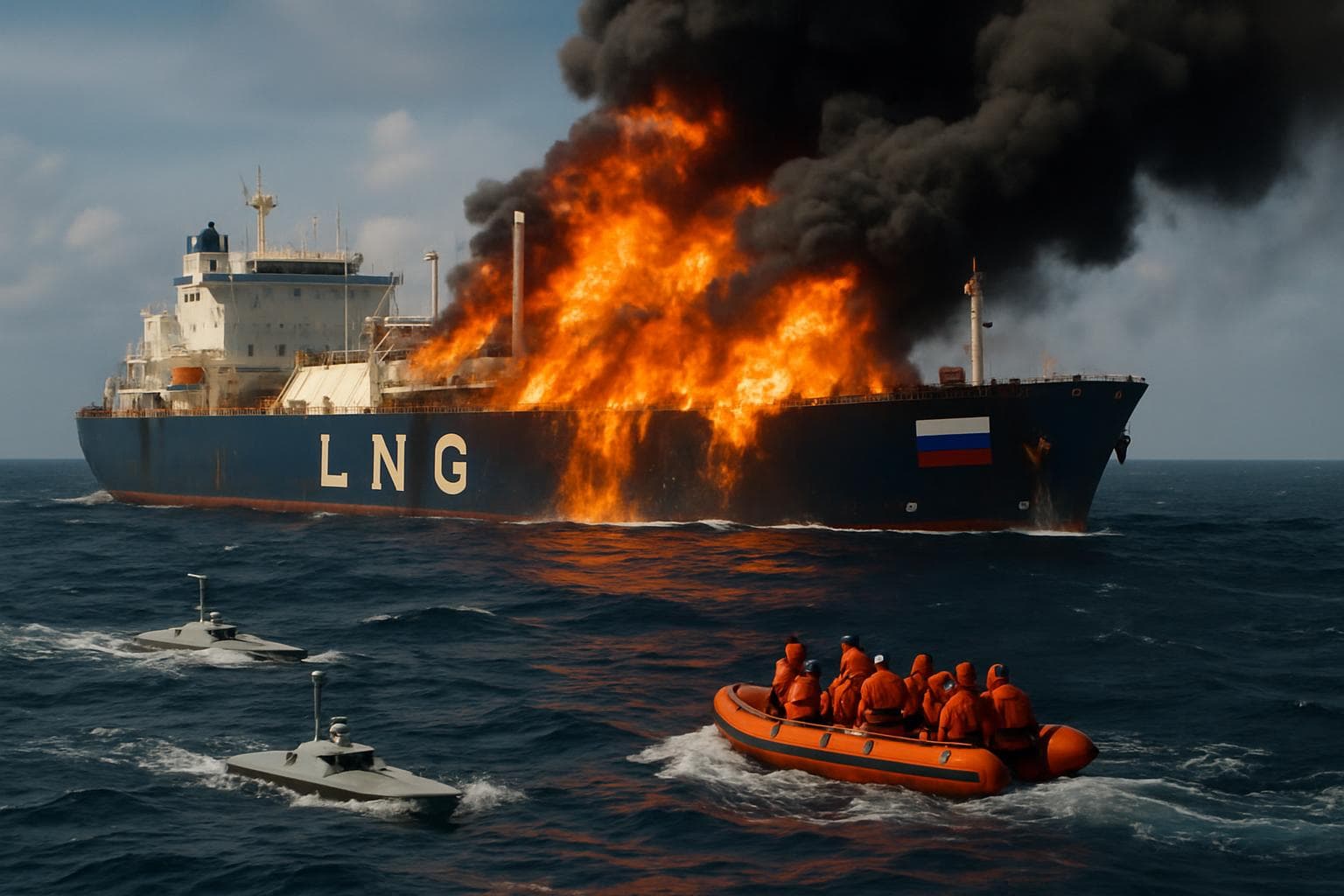
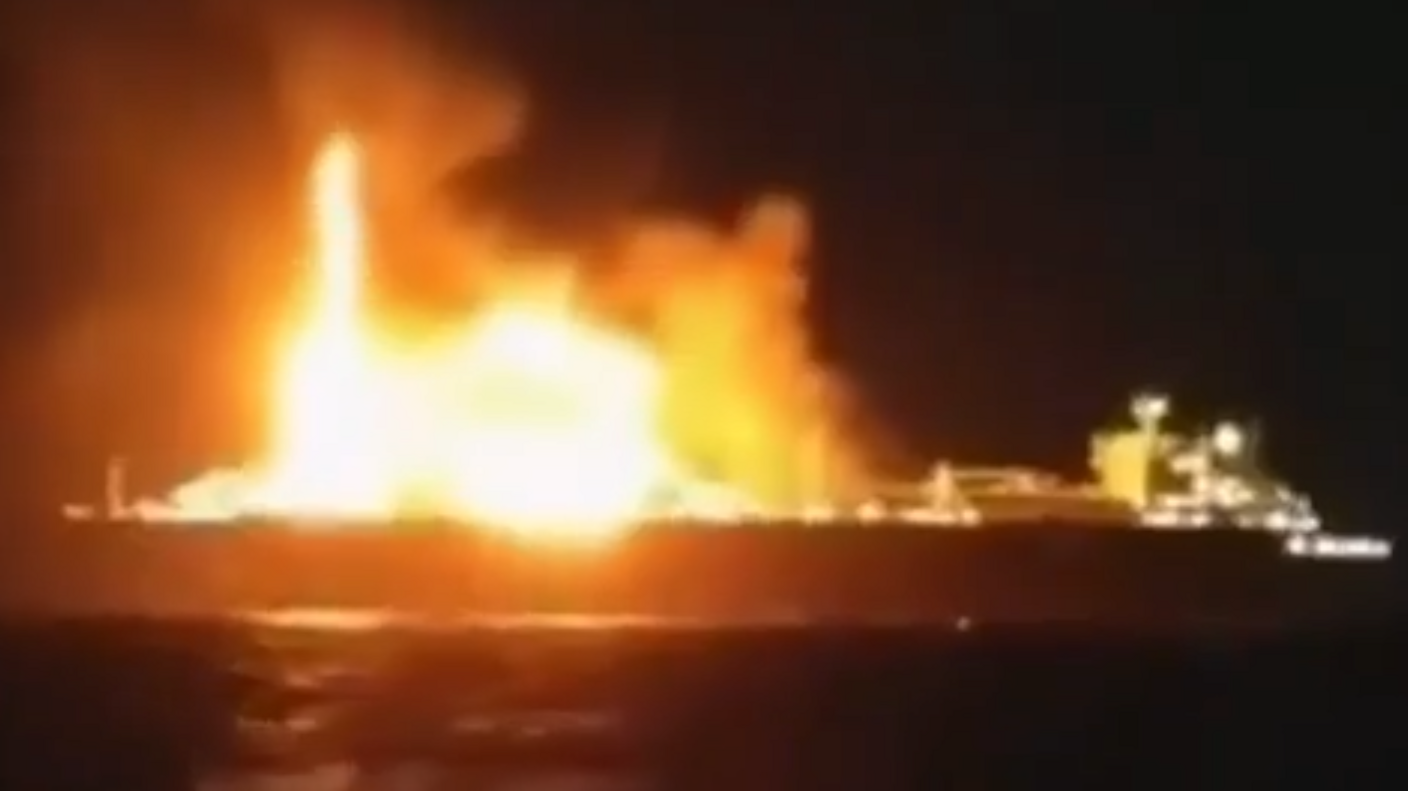
A Russian liquefied natural gas (LNG) tanker, the Arctic Metagaz, sank in the Mediterranean Sea following explosions and a fire, with Russia accusing Ukraine of orchestrating the attack using naval drones. The incident occurred on Tuesday, approximately 150 miles off the Libyan coast, as reported by Libyan port officials. The tanker, carrying 61,000 tonnes of LNG, was en route from Murmansk, Russia, to Port Said, Egypt, when it was allegedly targeted.
Rescue Operation and Crew Safety
Despite the severity of the incident, all 30 crew members aboard the Arctic Metagaz were rescued unharmed. Malta's armed forces conducted the rescue operation, finding the crew in a lifeboat. The tanker, part of Russia's so-called shadow fleet, has been subject to international sanctions due to its role in transporting oil and gas amidst Western restrictions.
Accusations and Denials
Russian President Vladimir Putin condemned the incident as a "terrorist attack" and suggested that the European Union was complicit. Russia's transport ministry claimed the attack was executed by Ukrainian drones launched from the Libyan coast, though no concrete evidence was provided. Ukraine's state security service has refrained from commenting, maintaining silence on the matter.
Impact on Global Energy Markets
The sinking of the Arctic Metagaz has potential implications for global energy markets. Putin hinted at the possibility of redirecting Russian gas supplies away from Europe, citing the incident as exacerbating tensions in energy markets. This development comes amid ongoing geopolitical tensions and a backdrop of international sanctions aimed at curbing Russia's energy revenues.
WHAT THIS MIGHT MEAN
The sinking of the Arctic Metagaz could further strain relations between Russia and Ukraine, potentially escalating military tensions in the region. If Russia follows through on its suggestion to redirect gas supplies, European energy markets may face increased volatility, prompting a search for alternative sources. Additionally, the incident may lead to heightened security measures for maritime routes in the Mediterranean, impacting global shipping and trade. As the situation unfolds, international diplomatic efforts may intensify to address the broader implications for regional stability and energy security.
Images from the Web
Related Articles

Russia-Ukraine Conflict: Four Years of Unyielding Struggle and Human Resilience

UK and Allies Accuse Russia of Killing Navalny with Dart Frog Toxin

Kenyan Nationals Recruited for Russia-Ukraine War Amid Allegations of Human Trafficking
France Releases Russian 'Shadow Fleet' Tanker Amid Rising Tensions

Geneva Peace Talks: Russia and Ukraine Seek Resolution Amid Ongoing Conflict
Geneva Peace Talks Between Russia and Ukraine End Without Breakthrough
Russian LNG Tanker Sinks in Mediterranean Amid Accusations of Ukrainian Drone Attack
In This Article
 Ethan Brooks| Published
 HIGHLIGHTS
- A Russian LNG tanker, Arctic Metagaz, sank in the Mediterranean after explosions and a fire, with Russia blaming Ukrainian naval drones.
- All 30 crew members were rescued safely by Malta's armed forces after the incident, which occurred 150 miles off the Libyan coast.
- Russia's Vladimir Putin labeled the event a "terrorist attack" and criticized the European Union for alleged complicity.
- Ukraine has not officially commented on the incident, though previous attacks on Russian vessels have been linked to Ukrainian drones.
- The incident raises concerns about the impact on global energy markets, as Russia considers redirecting its gas supplies away from Europe.
A Russian liquefied natural gas (LNG) tanker, the Arctic Metagaz, sank in the Mediterranean Sea following explosions and a fire, with Russia accusing Ukraine of orchestrating the attack using naval drones. The incident occurred on Tuesday, approximately 150 miles off the Libyan coast, as reported by Libyan port officials. The tanker, carrying 61,000 tonnes of LNG, was en route from Murmansk, Russia, to Port Said, Egypt, when it was allegedly targeted.
Rescue Operation and Crew Safety
Despite the severity of the incident, all 30 crew members aboard the Arctic Metagaz were rescued unharmed. Malta's armed forces conducted the rescue operation, finding the crew in a lifeboat. The tanker, part of Russia's so-called shadow fleet, has been subject to international sanctions due to its role in transporting oil and gas amidst Western restrictions.
Accusations and Denials
Russian President Vladimir Putin condemned the incident as a "terrorist attack" and suggested that the European Union was complicit. Russia's transport ministry claimed the attack was executed by Ukrainian drones launched from the Libyan coast, though no concrete evidence was provided. Ukraine's state security service has refrained from commenting, maintaining silence on the matter.
Impact on Global Energy Markets
The sinking of the Arctic Metagaz has potential implications for global energy markets. Putin hinted at the possibility of redirecting Russian gas supplies away from Europe, citing the incident as exacerbating tensions in energy markets. This development comes amid ongoing geopolitical tensions and a backdrop of international sanctions aimed at curbing Russia's energy revenues.
WHAT THIS MIGHT MEAN
The sinking of the Arctic Metagaz could further strain relations between Russia and Ukraine, potentially escalating military tensions in the region. If Russia follows through on its suggestion to redirect gas supplies, European energy markets may face increased volatility, prompting a search for alternative sources. Additionally, the incident may lead to heightened security measures for maritime routes in the Mediterranean, impacting global shipping and trade. As the situation unfolds, international diplomatic efforts may intensify to address the broader implications for regional stability and energy security.
Images from the Web
Related Articles
Russia-Ukraine Conflict: Four Years of Unyielding Struggle and Human Resilience
UK and Allies Accuse Russia of Killing Navalny with Dart Frog Toxin
Kenyan Nationals Recruited for Russia-Ukraine War Amid Allegations of Human Trafficking
France Releases Russian 'Shadow Fleet' Tanker Amid Rising Tensions
Geneva Peace Talks: Russia and Ukraine Seek Resolution Amid Ongoing Conflict
Geneva Peace Talks Between Russia and Ukraine End Without Breakthrough