
Geneva Peace Talks: Russia and Ukraine Seek Resolution Amid Ongoing Conflict
In This Article
HIGHLIGHTS
- Russia and Ukraine have commenced a third round of US-brokered peace talks in Geneva, with low expectations for a breakthrough.
- The talks coincide with the fourth anniversary of Russia's full-scale invasion of Ukraine, amid ongoing Russian military strikes.
- Ukrainian President Zelensky emphasizes the need for robust Western security guarantees before any settlement.
- The negotiations involve high-level officials, including Trump's envoys and Putin's aide, focusing on territorial and security issues.
- Despite diplomatic efforts, Russia continues to demand Ukrainian territory, which Ukraine firmly rejects.
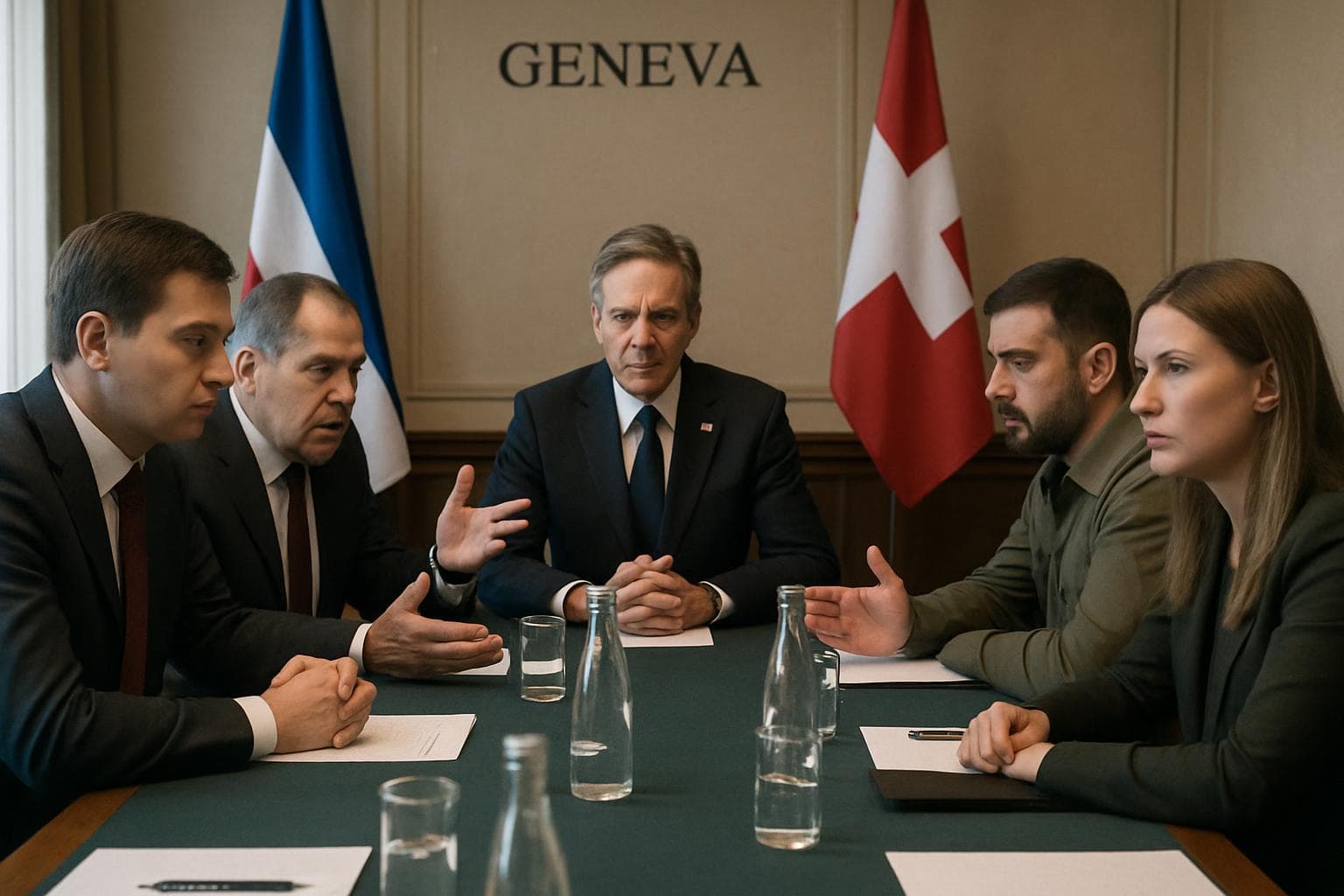
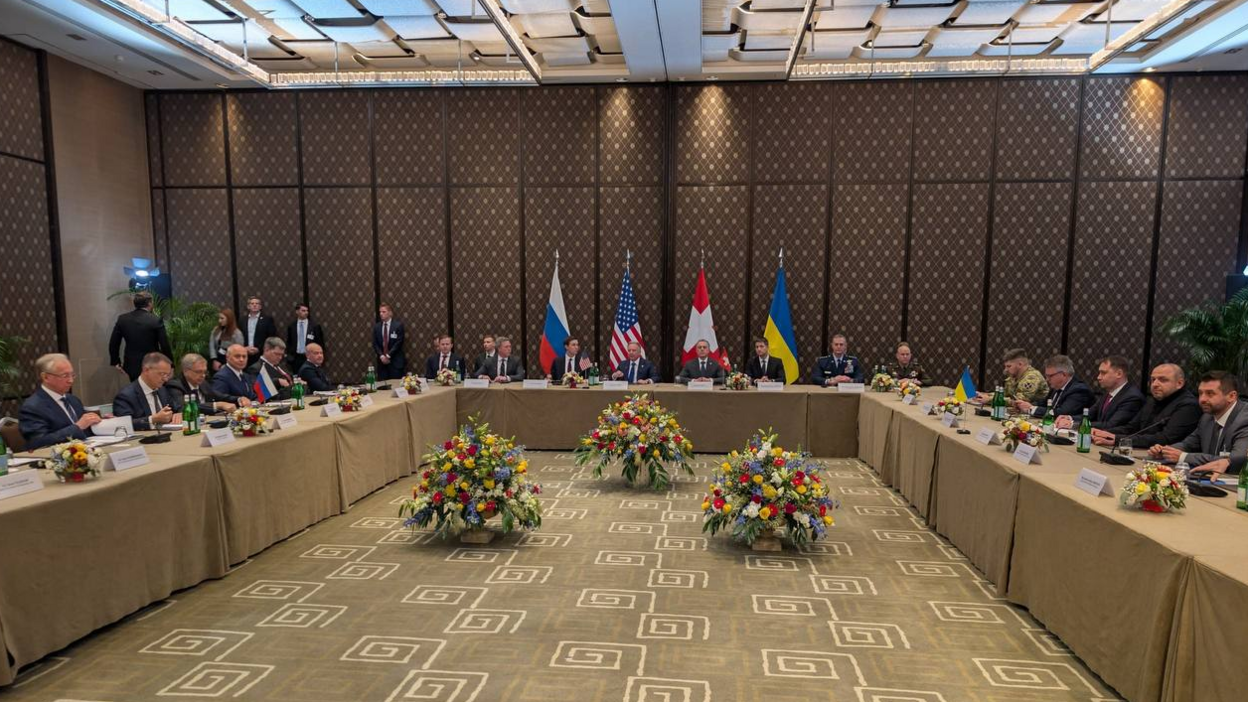
In a renewed attempt to resolve the ongoing conflict, Russian and Ukrainian delegations have begun a third round of peace talks in Geneva, mediated by the United States. The discussions, which started on Tuesday, come just days before the fourth anniversary of Russia's full-scale invasion of Ukraine. Despite the diplomatic efforts, hopes for a significant breakthrough remain low as Russia maintains its demands for Ukrainian territory.
Ongoing Conflict and Diplomatic Efforts
The Geneva negotiations, brokered by the Trump administration, follow earlier rounds held in Abu Dhabi and Istanbul. The talks are being led by high-profile figures, including Trump's special envoy Steve Witkoff and Jared Kushner, alongside Vladimir Medinsky, a key adviser to Russian President Vladimir Putin. Ukrainian negotiator Rustem Umerov stated that the discussions focused on practical solutions, although tensions remain high.
Military Strikes and Territorial Disputes
As the talks commenced, Russia launched a large-scale aerial attack on Ukraine, targeting 12 regions with drones and missiles, resulting in casualties and infrastructure damage. Ukrainian President Volodymyr Zelensky reiterated Ukraine's stance against ceding any territory, particularly in the eastern Donbas region, a key demand from Moscow. Zelensky emphasized the need for strong Western security guarantees before any agreement can be reached.
International Mediation and Political Dynamics
The choice of Geneva as the venue marks the first time these talks are held on European soil, a decision influenced by Washington. The US continues to play a pivotal role in mediating the discussions, with Trump's administration urging swift progress. However, skepticism remains about Russia's commitment to a genuine resolution, as highlighted by US Secretary of State Marco Rubio.
WHAT THIS MIGHT MEAN
The outcome of the Geneva talks remains uncertain, with both sides entrenched in their positions. If the negotiations fail to yield progress, the conflict could continue to escalate, further straining international relations and impacting global security. Experts suggest that without significant concessions or guarantees, a diplomatic resolution may remain elusive. The involvement of high-level US mediators indicates a strong international interest in resolving the conflict, but the path to peace will likely require sustained diplomatic efforts and compromise from both parties.
Images from the Web
Related Articles
US-Iran Tensions Escalate Amid Renewed Nuclear Talks and Protests
Russian LNG Tanker Sinks in Mediterranean Amid Accusations of Ukrainian Drone Attack
Senate Blocks Resolution to Limit Trump's Military Actions in Iran
Iran Postpones Khamenei Funeral Amid Escalating US-Israeli Strikes
Russia-Ukraine Conflict: Four Years of Unyielding Struggle and Human Resilience
Iranian Students Lead Major Protests Amid Rising US-Iran Tensions
Geneva Peace Talks: Russia and Ukraine Seek Resolution Amid Ongoing Conflict
In This Article
 Ethan Brooks| Published
 HIGHLIGHTS
- Russia and Ukraine have commenced a third round of US-brokered peace talks in Geneva, with low expectations for a breakthrough.
- The talks coincide with the fourth anniversary of Russia's full-scale invasion of Ukraine, amid ongoing Russian military strikes.
- Ukrainian President Zelensky emphasizes the need for robust Western security guarantees before any settlement.
- The negotiations involve high-level officials, including Trump's envoys and Putin's aide, focusing on territorial and security issues.
- Despite diplomatic efforts, Russia continues to demand Ukrainian territory, which Ukraine firmly rejects.
In a renewed attempt to resolve the ongoing conflict, Russian and Ukrainian delegations have begun a third round of peace talks in Geneva, mediated by the United States. The discussions, which started on Tuesday, come just days before the fourth anniversary of Russia's full-scale invasion of Ukraine. Despite the diplomatic efforts, hopes for a significant breakthrough remain low as Russia maintains its demands for Ukrainian territory.
Ongoing Conflict and Diplomatic Efforts
The Geneva negotiations, brokered by the Trump administration, follow earlier rounds held in Abu Dhabi and Istanbul. The talks are being led by high-profile figures, including Trump's special envoy Steve Witkoff and Jared Kushner, alongside Vladimir Medinsky, a key adviser to Russian President Vladimir Putin. Ukrainian negotiator Rustem Umerov stated that the discussions focused on practical solutions, although tensions remain high.
Military Strikes and Territorial Disputes
As the talks commenced, Russia launched a large-scale aerial attack on Ukraine, targeting 12 regions with drones and missiles, resulting in casualties and infrastructure damage. Ukrainian President Volodymyr Zelensky reiterated Ukraine's stance against ceding any territory, particularly in the eastern Donbas region, a key demand from Moscow. Zelensky emphasized the need for strong Western security guarantees before any agreement can be reached.
International Mediation and Political Dynamics
The choice of Geneva as the venue marks the first time these talks are held on European soil, a decision influenced by Washington. The US continues to play a pivotal role in mediating the discussions, with Trump's administration urging swift progress. However, skepticism remains about Russia's commitment to a genuine resolution, as highlighted by US Secretary of State Marco Rubio.
WHAT THIS MIGHT MEAN
The outcome of the Geneva talks remains uncertain, with both sides entrenched in their positions. If the negotiations fail to yield progress, the conflict could continue to escalate, further straining international relations and impacting global security. Experts suggest that without significant concessions or guarantees, a diplomatic resolution may remain elusive. The involvement of high-level US mediators indicates a strong international interest in resolving the conflict, but the path to peace will likely require sustained diplomatic efforts and compromise from both parties.
Images from the Web
Related Articles
US-Iran Tensions Escalate Amid Renewed Nuclear Talks and Protests
Russian LNG Tanker Sinks in Mediterranean Amid Accusations of Ukrainian Drone Attack
Senate Blocks Resolution to Limit Trump's Military Actions in Iran
Iran Postpones Khamenei Funeral Amid Escalating US-Israeli Strikes
Russia-Ukraine Conflict: Four Years of Unyielding Struggle and Human Resilience
Iranian Students Lead Major Protests Amid Rising US-Iran Tensions