
Geneva Peace Talks Between Russia and Ukraine End Without Breakthrough
In This Article
HIGHLIGHTS
- The recent US-mediated peace talks in Geneva between Russia and Ukraine ended without a major breakthrough, with both sides acknowledging the discussions were "difficult."
- Key unresolved issues include the status of Russian-occupied territories in eastern Ukraine and the future of the Zaporizhzhia nuclear power plant.
- Ukrainian President Volodymyr Zelenskyy accused Russia of "dragging out" the negotiations, while Kremlin negotiator Vladimir Medinsky described the talks as "businesslike."
- Despite some progress on military issues, such as ceasefire monitoring, significant differences remain, particularly over Russia's demand for control of the Donbas region.
- US President Donald Trump has expressed impatience with the deadlock, urging Ukraine to compromise, a stance Zelenskyy has rejected as "unfair."
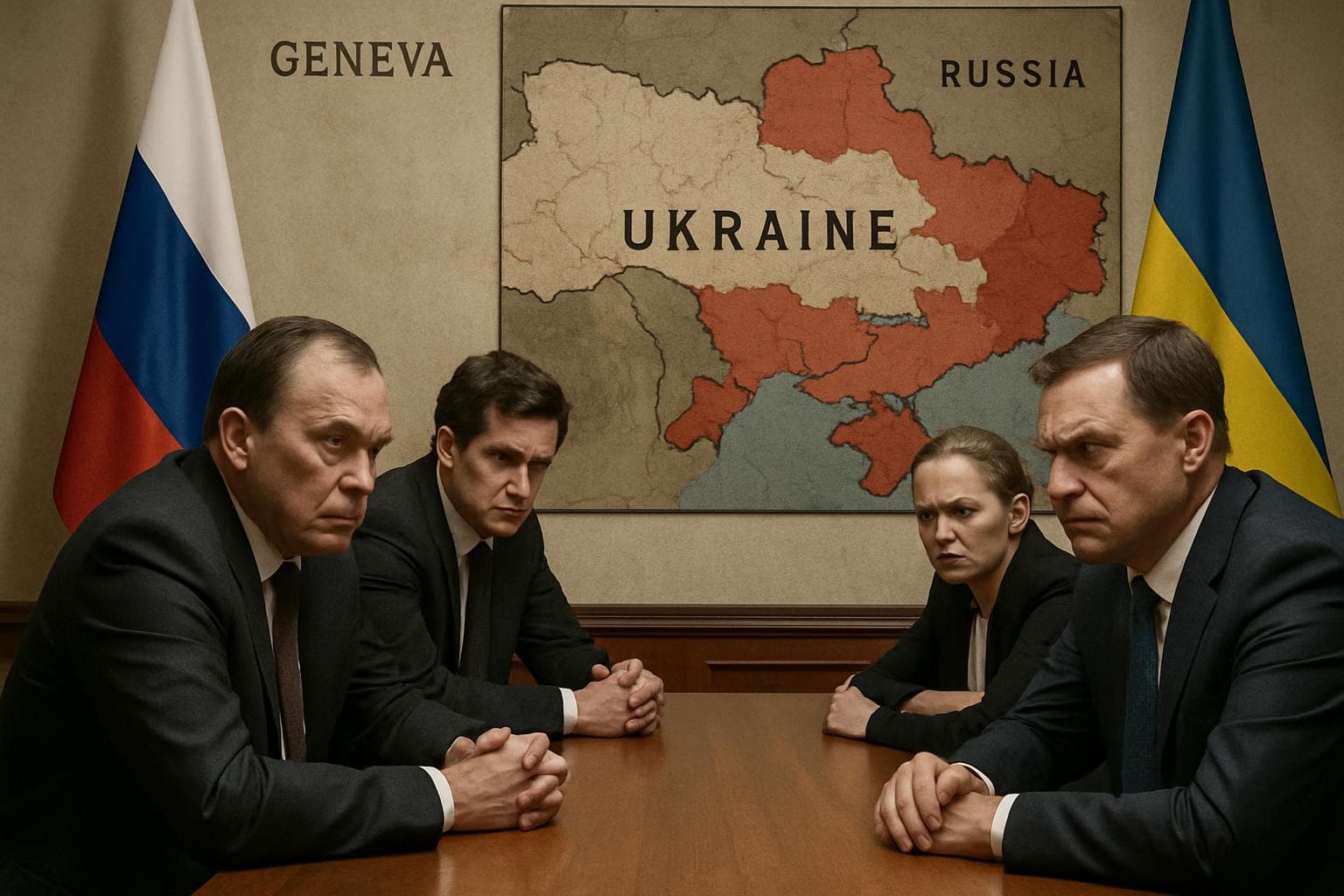
The latest round of US-mediated peace talks between Russia and Ukraine concluded in Geneva without a significant breakthrough, as both nations remain entrenched in their positions over key territorial disputes. The discussions, which took place over two days, highlighted the ongoing challenges in resolving a conflict that has persisted for nearly five years.
Stalled Negotiations and Key Issues
Ukrainian President Volodymyr Zelenskyy expressed dissatisfaction with the outcome, accusing Moscow of "trying to drag out" the process. The talks, which were described as "difficult" by both sides, failed to resolve critical issues such as the status of Russian-occupied territories in eastern Ukraine and the future of the Zaporizhzhia nuclear power plant, which remains under Russian control.
Despite some progress on military matters, including ceasefire monitoring, the fundamental disagreement over Russia's demand for full control of the Donbas region remains a significant barrier. Zelenskyy has consistently rejected any territorial concessions, emphasizing that such compromises would be unacceptable to the Ukrainian public.
US Involvement and International Pressure
The US, under President Donald Trump's administration, has been actively mediating the talks, with Trump himself expressing impatience over the lack of progress. He has urged Ukraine to come to the negotiating table quickly, a sentiment Zelenskyy has dismissed as "unfair," arguing that Ukraine should not be pressured into compromising its sovereignty.
Kremlin negotiator Vladimir Medinsky, known for his conservative stance, described the talks as "businesslike" and indicated that further discussions are planned. However, the path to a peace deal remains fraught with challenges, as both sides continue to hold firm on their demands.
WHAT THIS MIGHT MEAN
The failure to achieve a breakthrough in the Geneva talks underscores the complexity of the Russia-Ukraine conflict and the difficulty in reaching a mutually acceptable resolution. As the war approaches its fifth year, the potential for further escalation remains a concern, particularly if diplomatic efforts continue to stall.
Moving forward, the international community, including the US and European allies, may need to intensify diplomatic pressure on both Moscow and Kyiv to find common ground. The involvement of other global powers could also play a crucial role in facilitating dialogue and ensuring that any agreement includes robust security guarantees for Ukraine.
Ultimately, the success of future negotiations will depend on the willingness of both Russia and Ukraine to make concessions and prioritize peace over territorial ambitions. Until then, the conflict remains a significant geopolitical challenge with far-reaching implications for regional stability and international relations.
Related Articles
Russian LNG Tanker Sinks in Mediterranean Amid Accusations of Ukrainian Drone Attack
US and Israel Intensify Military Campaign as Iran's Capabilities Dwindle
Intensified US-Israel Strikes on Iran Spark Global Outcry
Senate Blocks Resolution to Limit Trump's Military Actions in Iran

UK-Iran Tensions: Starmer Defends Cautious Approach Amid Trump Criticism
Spain's Sánchez Stands Firm Against Trump's Trade Threat Over Iran Stance
Geneva Peace Talks Between Russia and Ukraine End Without Breakthrough
In This Article
 Ethan Brooks| Published
 HIGHLIGHTS
- The recent US-mediated peace talks in Geneva between Russia and Ukraine ended without a major breakthrough, with both sides acknowledging the discussions were "difficult."
- Key unresolved issues include the status of Russian-occupied territories in eastern Ukraine and the future of the Zaporizhzhia nuclear power plant.
- Ukrainian President Volodymyr Zelenskyy accused Russia of "dragging out" the negotiations, while Kremlin negotiator Vladimir Medinsky described the talks as "businesslike."
- Despite some progress on military issues, such as ceasefire monitoring, significant differences remain, particularly over Russia's demand for control of the Donbas region.
- US President Donald Trump has expressed impatience with the deadlock, urging Ukraine to compromise, a stance Zelenskyy has rejected as "unfair."
The latest round of US-mediated peace talks between Russia and Ukraine concluded in Geneva without a significant breakthrough, as both nations remain entrenched in their positions over key territorial disputes. The discussions, which took place over two days, highlighted the ongoing challenges in resolving a conflict that has persisted for nearly five years.
Stalled Negotiations and Key Issues
Ukrainian President Volodymyr Zelenskyy expressed dissatisfaction with the outcome, accusing Moscow of "trying to drag out" the process. The talks, which were described as "difficult" by both sides, failed to resolve critical issues such as the status of Russian-occupied territories in eastern Ukraine and the future of the Zaporizhzhia nuclear power plant, which remains under Russian control.
Despite some progress on military matters, including ceasefire monitoring, the fundamental disagreement over Russia's demand for full control of the Donbas region remains a significant barrier. Zelenskyy has consistently rejected any territorial concessions, emphasizing that such compromises would be unacceptable to the Ukrainian public.
US Involvement and International Pressure
The US, under President Donald Trump's administration, has been actively mediating the talks, with Trump himself expressing impatience over the lack of progress. He has urged Ukraine to come to the negotiating table quickly, a sentiment Zelenskyy has dismissed as "unfair," arguing that Ukraine should not be pressured into compromising its sovereignty.
Kremlin negotiator Vladimir Medinsky, known for his conservative stance, described the talks as "businesslike" and indicated that further discussions are planned. However, the path to a peace deal remains fraught with challenges, as both sides continue to hold firm on their demands.
WHAT THIS MIGHT MEAN
The failure to achieve a breakthrough in the Geneva talks underscores the complexity of the Russia-Ukraine conflict and the difficulty in reaching a mutually acceptable resolution. As the war approaches its fifth year, the potential for further escalation remains a concern, particularly if diplomatic efforts continue to stall.
Moving forward, the international community, including the US and European allies, may need to intensify diplomatic pressure on both Moscow and Kyiv to find common ground. The involvement of other global powers could also play a crucial role in facilitating dialogue and ensuring that any agreement includes robust security guarantees for Ukraine.
Ultimately, the success of future negotiations will depend on the willingness of both Russia and Ukraine to make concessions and prioritize peace over territorial ambitions. Until then, the conflict remains a significant geopolitical challenge with far-reaching implications for regional stability and international relations.
Related Articles
Russian LNG Tanker Sinks in Mediterranean Amid Accusations of Ukrainian Drone Attack
US and Israel Intensify Military Campaign as Iran's Capabilities Dwindle
Intensified US-Israel Strikes on Iran Spark Global Outcry
Senate Blocks Resolution to Limit Trump's Military Actions in Iran
UK-Iran Tensions: Starmer Defends Cautious Approach Amid Trump Criticism
Spain's Sánchez Stands Firm Against Trump's Trade Threat Over Iran Stance