
France Releases Russian 'Shadow Fleet' Tanker Amid Rising Tensions
In This Article
HIGHLIGHTS
- France released the Russian-linked tanker "Grinch" after its owner paid a fine of several million euros.
- The tanker was part of Russia's "shadow fleet," used to evade Western sanctions on oil exports.
- Russia's navy may be deployed to protect its vessels from European seizures, raising tensions.
- The European Commission plans to adopt a new round of sanctions against Russia by February 24.
- Ukraine has successfully repatriated 2,000 children abducted by Russia, according to President Zelenskyy.
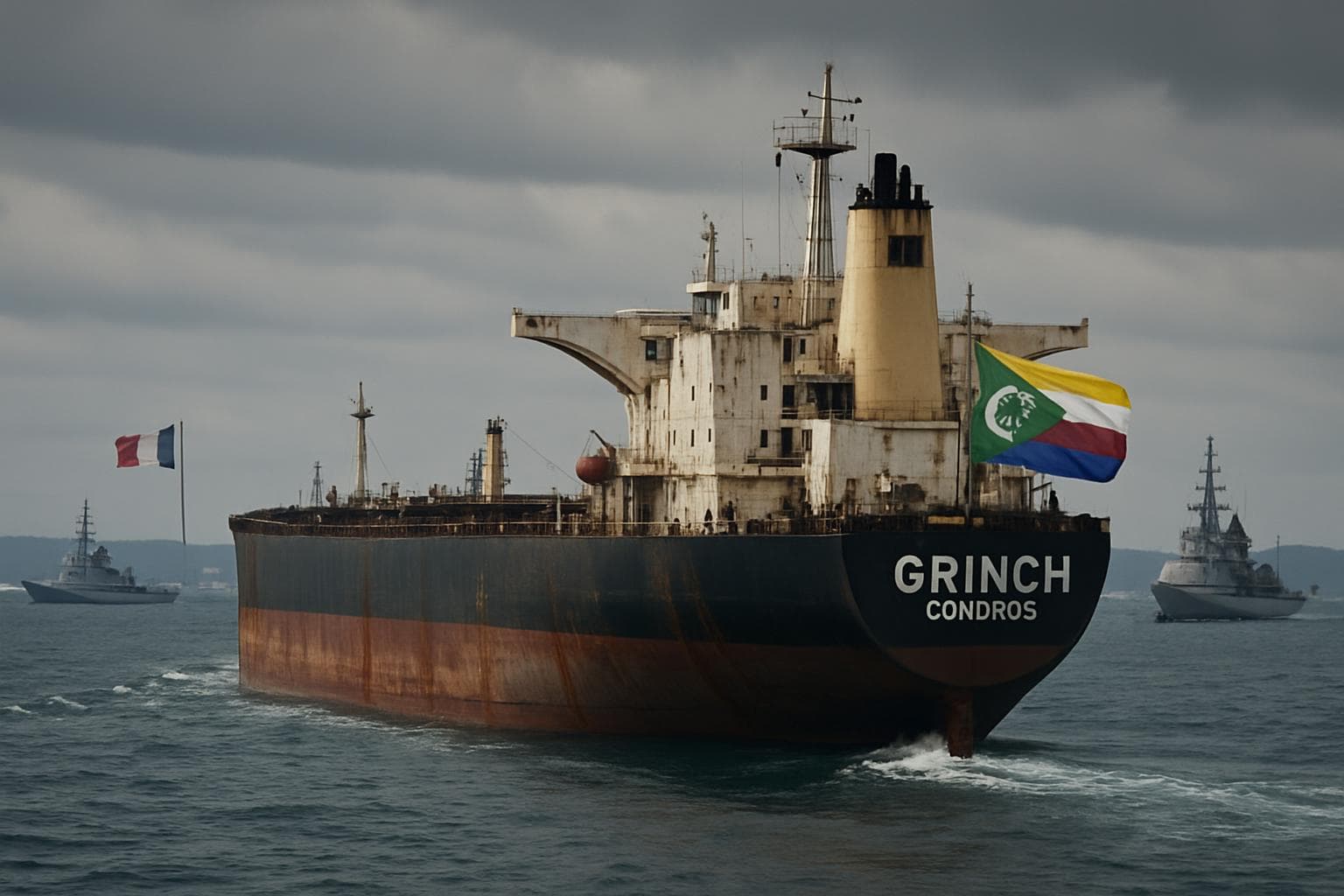
France has released the oil tanker "Grinch," suspected of being part of Russia's clandestine "shadow fleet," after its owner paid a substantial fine. The vessel, seized in January by French forces in the Mediterranean, was allowed to leave French waters after a penalty of several million euros was settled, according to French Foreign Minister Jean-Noël Barrot. The tanker, which had sailed from Murmansk under a Comoros flag, was detained in Marseille for three weeks.
The "shadow fleet" refers to a network of aging tankers with obscure ownership, used by Russia to bypass Western sanctions imposed following its 2022 invasion of Ukraine. These vessels, often poorly maintained, employ various methods to conceal their identities, including frequent changes of names and flags. Data from TankerTrackers.com indicates the fleet has grown to approximately 1,468 vessels, tripling in size since the invasion.
Efforts to combat this fleet have intensified, with several tankers seized in recent months. In a related development, Russian official Nikolai Patrushev suggested deploying the Russian navy to protect its vessels from what he termed "western piracy." Patrushev's comments came as European and Ukrainian officials met in Geneva for peace talks, brokered by the US, aimed at resolving the ongoing conflict.
Meanwhile, the European Commission is preparing to implement a new round of sanctions against Russia by February 24, marking the fourth anniversary of the full-scale invasion. These measures are part of a broader strategy to curb Russian oil revenues and pressure the Kremlin.
In a separate but related development, Ukrainian President Volodymyr Zelenskyy announced the successful return of 2,000 Ukrainian children forcibly taken by Russia. This effort is part of the "Bring Kids Back Ukraine" campaign, highlighting the humanitarian aspect of the conflict.
WHAT THIS MIGHT MEAN
The release of the "Grinch" tanker underscores the complexities of enforcing sanctions against Russia's shadow fleet. As European nations grapple with legal and logistical challenges, Russia's threat to deploy its navy could escalate tensions, potentially leading to confrontations at sea. The upcoming sanctions by the European Commission may further strain relations, especially if they target more vessels within the shadow fleet.
The ongoing peace talks in Geneva offer a glimmer of hope for diplomatic resolution, but the situation remains precarious. The successful repatriation of Ukrainian children is a positive development, yet it highlights the broader humanitarian crisis that persists. As the conflict continues, the international community must balance enforcement of sanctions with efforts to negotiate peace and address humanitarian needs.
Related Articles
Russian LNG Tanker Sinks in Mediterranean Amid Accusations of Ukrainian Drone Attack
Russia-Ukraine Conflict: Four Years of Unyielding Struggle and Human Resilience
US Supreme Court Ruling on Tariffs Sparks Uncertainty for UK and Global Trade
Kenyan Nationals Recruited for Russia-Ukraine War Amid Allegations of Human Trafficking
Canada and Australia Forge Strategic Partnership Amid Global Uncertainty

Tech Giants Pledge to Cover AI Data Center Energy Costs Amid Rising Electricity Concerns
France Releases Russian 'Shadow Fleet' Tanker Amid Rising Tensions
In This Article
 Leila Hassan| Published
 HIGHLIGHTS
- France released the Russian-linked tanker "Grinch" after its owner paid a fine of several million euros.
- The tanker was part of Russia's "shadow fleet," used to evade Western sanctions on oil exports.
- Russia's navy may be deployed to protect its vessels from European seizures, raising tensions.
- The European Commission plans to adopt a new round of sanctions against Russia by February 24.
- Ukraine has successfully repatriated 2,000 children abducted by Russia, according to President Zelenskyy.
France has released the oil tanker "Grinch," suspected of being part of Russia's clandestine "shadow fleet," after its owner paid a substantial fine. The vessel, seized in January by French forces in the Mediterranean, was allowed to leave French waters after a penalty of several million euros was settled, according to French Foreign Minister Jean-Noël Barrot. The tanker, which had sailed from Murmansk under a Comoros flag, was detained in Marseille for three weeks.
The "shadow fleet" refers to a network of aging tankers with obscure ownership, used by Russia to bypass Western sanctions imposed following its 2022 invasion of Ukraine. These vessels, often poorly maintained, employ various methods to conceal their identities, including frequent changes of names and flags. Data from TankerTrackers.com indicates the fleet has grown to approximately 1,468 vessels, tripling in size since the invasion.
Efforts to combat this fleet have intensified, with several tankers seized in recent months. In a related development, Russian official Nikolai Patrushev suggested deploying the Russian navy to protect its vessels from what he termed "western piracy." Patrushev's comments came as European and Ukrainian officials met in Geneva for peace talks, brokered by the US, aimed at resolving the ongoing conflict.
Meanwhile, the European Commission is preparing to implement a new round of sanctions against Russia by February 24, marking the fourth anniversary of the full-scale invasion. These measures are part of a broader strategy to curb Russian oil revenues and pressure the Kremlin.
In a separate but related development, Ukrainian President Volodymyr Zelenskyy announced the successful return of 2,000 Ukrainian children forcibly taken by Russia. This effort is part of the "Bring Kids Back Ukraine" campaign, highlighting the humanitarian aspect of the conflict.
WHAT THIS MIGHT MEAN
The release of the "Grinch" tanker underscores the complexities of enforcing sanctions against Russia's shadow fleet. As European nations grapple with legal and logistical challenges, Russia's threat to deploy its navy could escalate tensions, potentially leading to confrontations at sea. The upcoming sanctions by the European Commission may further strain relations, especially if they target more vessels within the shadow fleet.
The ongoing peace talks in Geneva offer a glimmer of hope for diplomatic resolution, but the situation remains precarious. The successful repatriation of Ukrainian children is a positive development, yet it highlights the broader humanitarian crisis that persists. As the conflict continues, the international community must balance enforcement of sanctions with efforts to negotiate peace and address humanitarian needs.
Related Articles
Russian LNG Tanker Sinks in Mediterranean Amid Accusations of Ukrainian Drone Attack
Russia-Ukraine Conflict: Four Years of Unyielding Struggle and Human Resilience
US Supreme Court Ruling on Tariffs Sparks Uncertainty for UK and Global Trade
Kenyan Nationals Recruited for Russia-Ukraine War Amid Allegations of Human Trafficking
Canada and Australia Forge Strategic Partnership Amid Global Uncertainty
Tech Giants Pledge to Cover AI Data Center Energy Costs Amid Rising Electricity Concerns