
Kenyan Nationals Recruited for Russia-Ukraine War Amid Allegations of Human Trafficking
In This Article
HIGHLIGHTS
- Over 1,000 Kenyans have been recruited to fight for Russia in the Ukraine conflict, according to a Kenyan intelligence report.
- The report highlights a network of rogue officials and human trafficking syndicates facilitating the recruitment process.
- Kenyan government officials have called for Russia to cease the conscription of Kenyan nationals.
- The Russian embassy in Nairobi has denied any involvement in illegal recruitment activities.
- Many recruits are promised high salaries and bonuses but face dangerous front-line roles with minimal training.
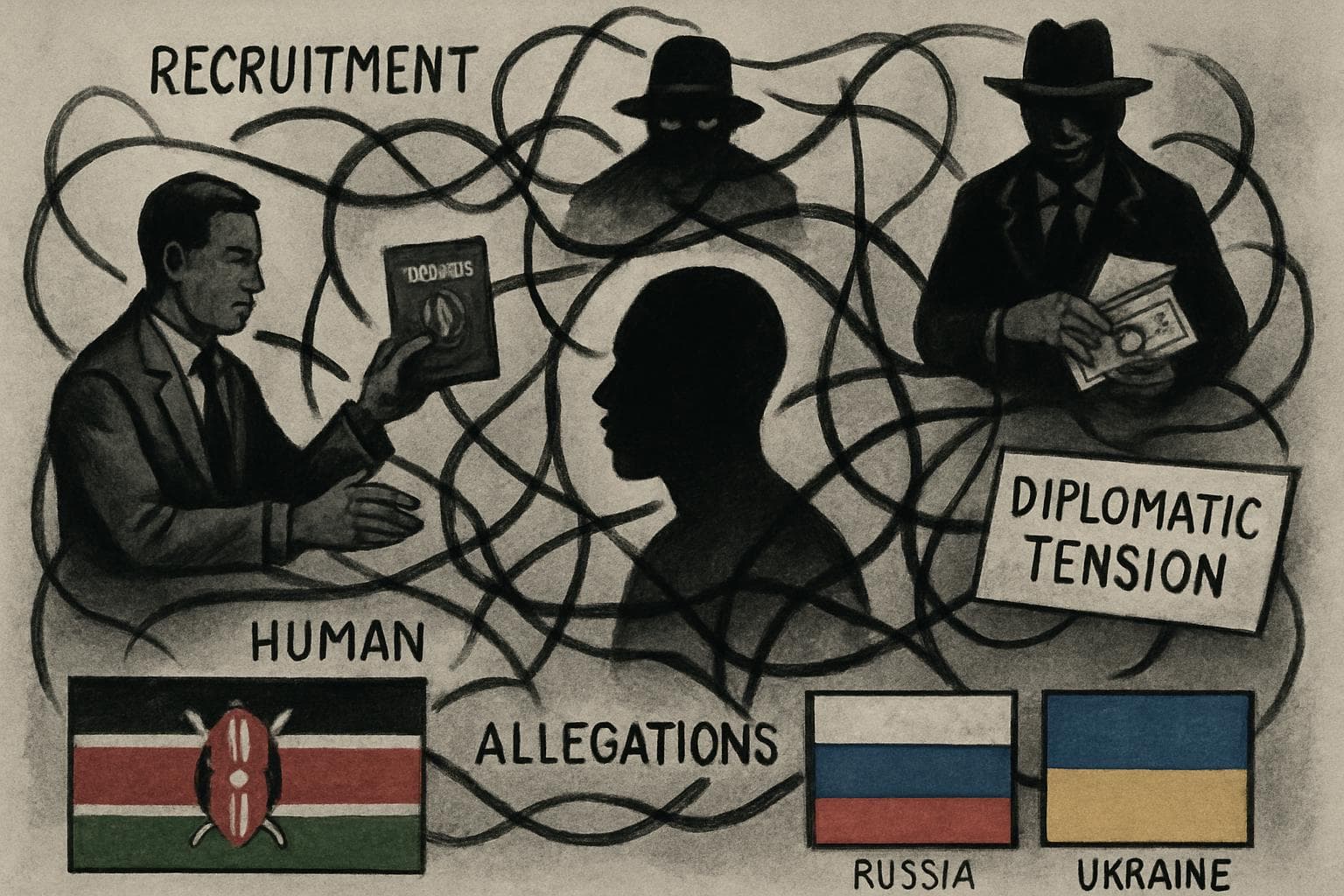
A recent intelligence report submitted to the Kenyan parliament has revealed that over 1,000 Kenyans have been recruited to fight for Russia in the ongoing conflict with Ukraine. This alarming development underscores a complex network of rogue officials and human trafficking syndicates allegedly involved in the recruitment process.
Allegations of Illegal Recruitment
The report, presented by Kenya's National Intelligence Service (NIS), details how recruitment agencies, in collusion with corrupt officials, have facilitated the enlistment and transportation of Kenyans to the war front. Majority leader Kimani Ichung'wah described the situation as "deeply disturbing," pointing to the involvement of airport staff, immigration officers, and even embassy personnel in the scheme. The intelligence findings suggest that these agencies have been working with staff at the Russian embassy in Nairobi and the Kenyan embassy in Moscow to secure Russian visas for the recruits.
Russian Embassy Denies Involvement
In response, the Russian embassy in Nairobi has categorically denied any involvement in the recruitment of Kenyan nationals for military service. A statement from the embassy labeled the allegations as "dangerous and misleading," asserting that no visas have been issued for the purpose of participating in the conflict. The embassy emphasized that while Russian law permits foreign nationals to enlist voluntarily, it does not engage in illegal recruitment practices.
Promises and Reality for Recruits
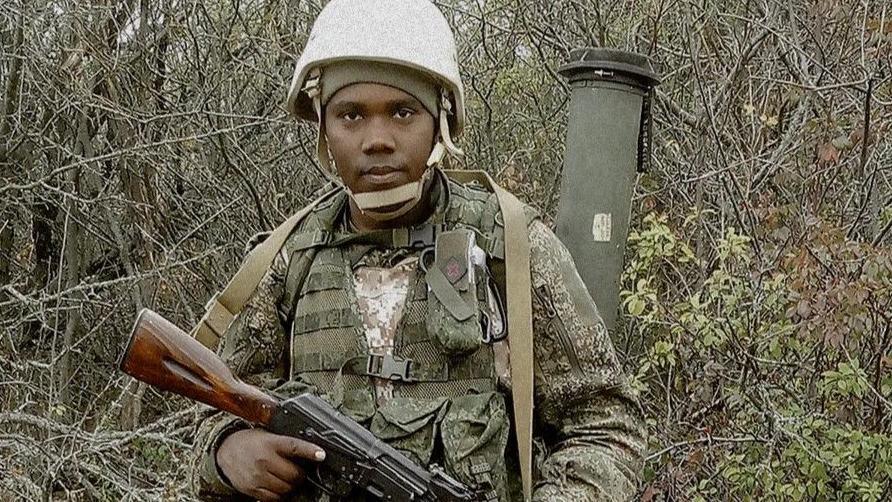
Many of the recruits, primarily former military personnel and unemployed civilians aged 20 to 50, are lured by promises of lucrative salaries and bonuses. However, upon arrival, they often find themselves thrust into front-line combat roles with minimal training. As of February, the report indicates that 89 Kenyans were actively engaged on the front lines, with others hospitalized, missing, or detained.
Government Response and Future Actions
The Kenyan government has expressed its intent to address the issue with Russian authorities, urging them to halt the conscription of Kenyan citizens. Kenya's foreign minister, Musalia Mudavadi, is scheduled to visit Russia to discuss the "unacceptable and clandestine" recruitment practices. Meanwhile, the government is working to identify and hold accountable the rogue officials involved in this illicit operation.
WHAT THIS MIGHT MEAN
The revelations of Kenyan nationals being recruited to fight in the Russia-Ukraine war could have significant diplomatic repercussions. Kenya's engagement with Russia on this issue may lead to heightened scrutiny of recruitment practices and increased diplomatic tensions. If the allegations of human trafficking and illegal recruitment are substantiated, it could prompt international intervention and calls for stricter regulations on military enlistment of foreign nationals. Additionally, the Kenyan government's efforts to dismantle the network of rogue officials may lead to legal actions and reforms within its own administrative structures.
Images from the Web
Related Articles
Russian LNG Tanker Sinks in Mediterranean Amid Accusations of Ukrainian Drone Attack
Russia-Ukraine Conflict: Four Years of Unyielding Struggle and Human Resilience
Geneva Peace Talks Between Russia and Ukraine End Without Breakthrough
Geneva Talks See 'Meaningful Progress' Amid Tensions Over Ukraine-Russia Conflict
France Releases Russian 'Shadow Fleet' Tanker Amid Rising Tensions
Geneva Peace Talks: Russia and Ukraine Seek Resolution Amid Ongoing Conflict
Kenyan Nationals Recruited for Russia-Ukraine War Amid Allegations of Human Trafficking
In This Article
 James Okoro| Published
 HIGHLIGHTS
- Over 1,000 Kenyans have been recruited to fight for Russia in the Ukraine conflict, according to a Kenyan intelligence report.
- The report highlights a network of rogue officials and human trafficking syndicates facilitating the recruitment process.
- Kenyan government officials have called for Russia to cease the conscription of Kenyan nationals.
- The Russian embassy in Nairobi has denied any involvement in illegal recruitment activities.
- Many recruits are promised high salaries and bonuses but face dangerous front-line roles with minimal training.
A recent intelligence report submitted to the Kenyan parliament has revealed that over 1,000 Kenyans have been recruited to fight for Russia in the ongoing conflict with Ukraine. This alarming development underscores a complex network of rogue officials and human trafficking syndicates allegedly involved in the recruitment process.
Allegations of Illegal Recruitment
The report, presented by Kenya's National Intelligence Service (NIS), details how recruitment agencies, in collusion with corrupt officials, have facilitated the enlistment and transportation of Kenyans to the war front. Majority leader Kimani Ichung'wah described the situation as "deeply disturbing," pointing to the involvement of airport staff, immigration officers, and even embassy personnel in the scheme. The intelligence findings suggest that these agencies have been working with staff at the Russian embassy in Nairobi and the Kenyan embassy in Moscow to secure Russian visas for the recruits.
Russian Embassy Denies Involvement
In response, the Russian embassy in Nairobi has categorically denied any involvement in the recruitment of Kenyan nationals for military service. A statement from the embassy labeled the allegations as "dangerous and misleading," asserting that no visas have been issued for the purpose of participating in the conflict. The embassy emphasized that while Russian law permits foreign nationals to enlist voluntarily, it does not engage in illegal recruitment practices.
Promises and Reality for Recruits
Many of the recruits, primarily former military personnel and unemployed civilians aged 20 to 50, are lured by promises of lucrative salaries and bonuses. However, upon arrival, they often find themselves thrust into front-line combat roles with minimal training. As of February, the report indicates that 89 Kenyans were actively engaged on the front lines, with others hospitalized, missing, or detained.
Government Response and Future Actions
The Kenyan government has expressed its intent to address the issue with Russian authorities, urging them to halt the conscription of Kenyan citizens. Kenya's foreign minister, Musalia Mudavadi, is scheduled to visit Russia to discuss the "unacceptable and clandestine" recruitment practices. Meanwhile, the government is working to identify and hold accountable the rogue officials involved in this illicit operation.
WHAT THIS MIGHT MEAN
The revelations of Kenyan nationals being recruited to fight in the Russia-Ukraine war could have significant diplomatic repercussions. Kenya's engagement with Russia on this issue may lead to heightened scrutiny of recruitment practices and increased diplomatic tensions. If the allegations of human trafficking and illegal recruitment are substantiated, it could prompt international intervention and calls for stricter regulations on military enlistment of foreign nationals. Additionally, the Kenyan government's efforts to dismantle the network of rogue officials may lead to legal actions and reforms within its own administrative structures.
Images from the Web
Related Articles
Russian LNG Tanker Sinks in Mediterranean Amid Accusations of Ukrainian Drone Attack
Russia-Ukraine Conflict: Four Years of Unyielding Struggle and Human Resilience
Geneva Peace Talks Between Russia and Ukraine End Without Breakthrough
Geneva Talks See 'Meaningful Progress' Amid Tensions Over Ukraine-Russia Conflict
France Releases Russian 'Shadow Fleet' Tanker Amid Rising Tensions
Geneva Peace Talks: Russia and Ukraine Seek Resolution Amid Ongoing Conflict