
UK to Double Troop Presence in Norway Amid Rising Arctic Tensions
In This Article
HIGHLIGHTS
- The UK plans to double its troop presence in Norway from 1,000 to 2,000 over the next three years to counter Russian threats in the Arctic.
- Defence Secretary John Healey emphasized the rising demands on defence due to Russia's increased military activities in the region.
- The UK will participate in NATO's Arctic Sentry mission to enhance security and surveillance in the High North.
- A significant rise in Russian submarine activity in UK waters has been noted, with levels akin to the Cold War era.
- Ukraine continues to face severe challenges, with recent Russian strikes killing civilians and prompting discussions on improving air defence systems.
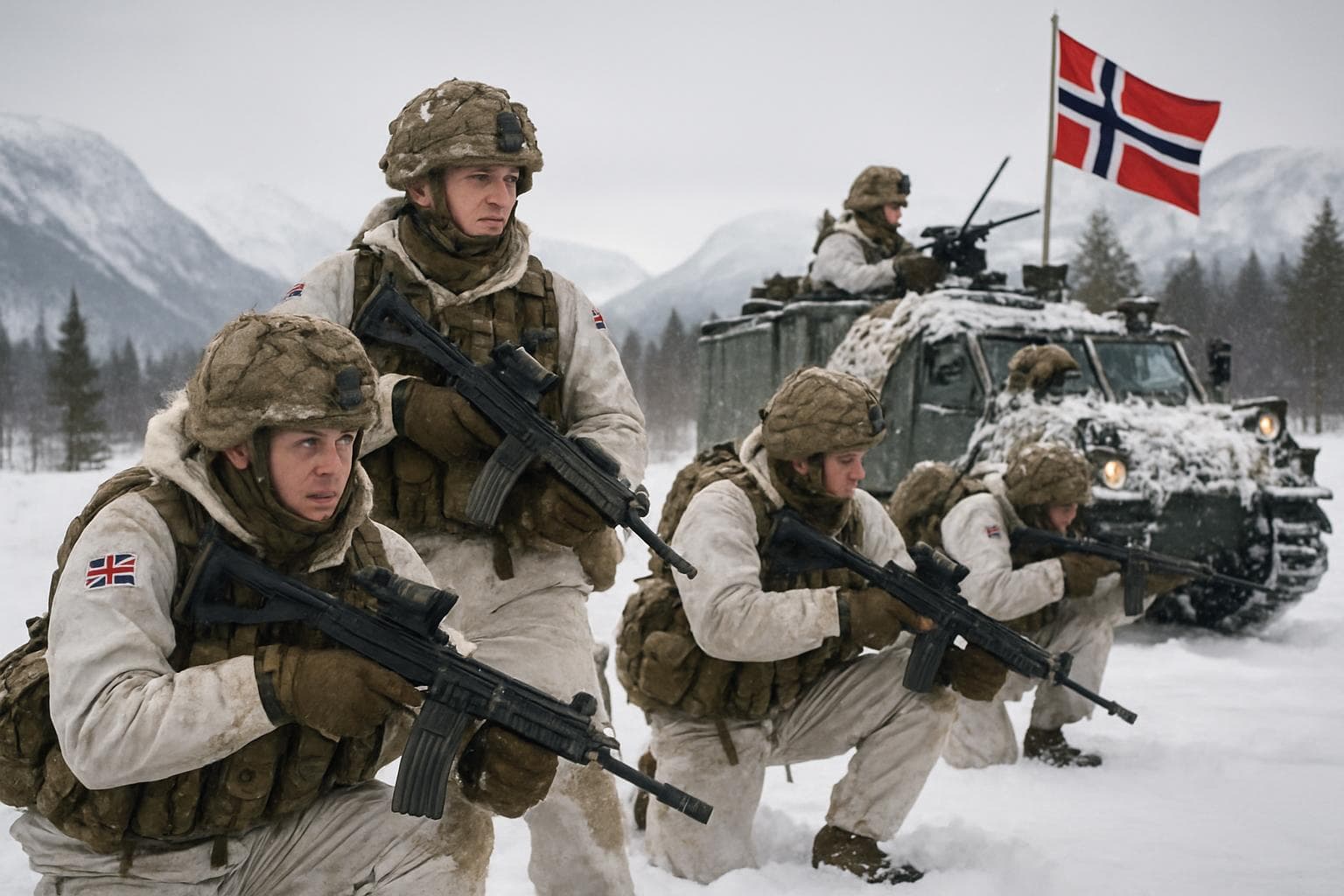
The United Kingdom is set to double its military presence in Norway over the next three years, a strategic move aimed at countering the growing Russian threat in the Arctic region. This decision, announced by Defence Secretary John Healey, will see the number of British troops stationed in the Arctic nation increase from 1,000 to 2,000.
Rising Concerns Over Russian Activities
The move comes amid heightened concerns among NATO allies regarding Russia's military activities in the Arctic, including the reopening of Cold War-era bases. "Demands on defence are rising, and Russia poses the greatest threat to Arctic and High North security that we have seen since the Cold War," Healey stated during a visit to Royal Marines at Camp Viking in Norway.
The UK will also contribute to NATO's Arctic Sentry mission, an initiative designed to bolster security and surveillance in the region. This mission is part of a broader strategy to address security concerns, including those previously raised by former US President Donald Trump regarding Greenland.
Military Exercises and Strategic Alliances
As part of the expanded military presence, 1,500 Royal Marine Commandos will participate in NATO's Exercise Cold Response in March. This large-scale drill, spanning Norway, Finland, and Sweden, aims to train allied forces in extreme Arctic conditions. Additionally, the UK-led Joint Expeditionary Force will conduct Exercise Lion Protector in September, focusing on defending critical infrastructure across Norway, Iceland, and the Danish straits.
The UK and Norway have also signed a defence pact to protect undersea cables, with both nations' navies working together to monitor Russian submarine activity. The Ministry of Defence has reported a 30% increase in Russian submarines in UK waters over the past two years, with activity levels now comparable to those during the Cold War.
Ongoing Challenges in Ukraine
Meanwhile, the conflict in Ukraine continues to escalate, with recent Russian strikes resulting in civilian casualties. Ukrainian President Volodymyr Zelenskyy has convened top military officials to address shortcomings in air defence systems. "Many changes are happening right now in the work of air defence," Zelenskyy noted, emphasizing the need for improved protection against air attacks.
Russia's internet watchdog has also announced restrictions on the Telegram messenger platform, citing non-compliance with laws requiring data storage within the country. Critics argue this move is part of a broader effort by the Kremlin to increase control and surveillance amid the ongoing conflict.
WHAT THIS MIGHT MEAN
The UK's decision to bolster its military presence in Norway signals a significant shift in Arctic security dynamics, potentially leading to increased tensions with Russia. As NATO strengthens its surveillance and defence capabilities in the region, Moscow may respond with further military build-up, raising the stakes for all parties involved.
In Ukraine, the ongoing conflict and the need for enhanced air defence systems highlight the critical role of international support. As President Zelenskyy continues to seek assistance from Western allies, the provision of advanced weaponry could be pivotal in altering the course of the conflict.
The restrictions on Telegram by Russia's internet watchdog may further isolate Russian citizens from global communication platforms, potentially stifling dissent and limiting access to independent information. This move could have long-term implications for digital freedom and civil liberties within the country.
Related Articles
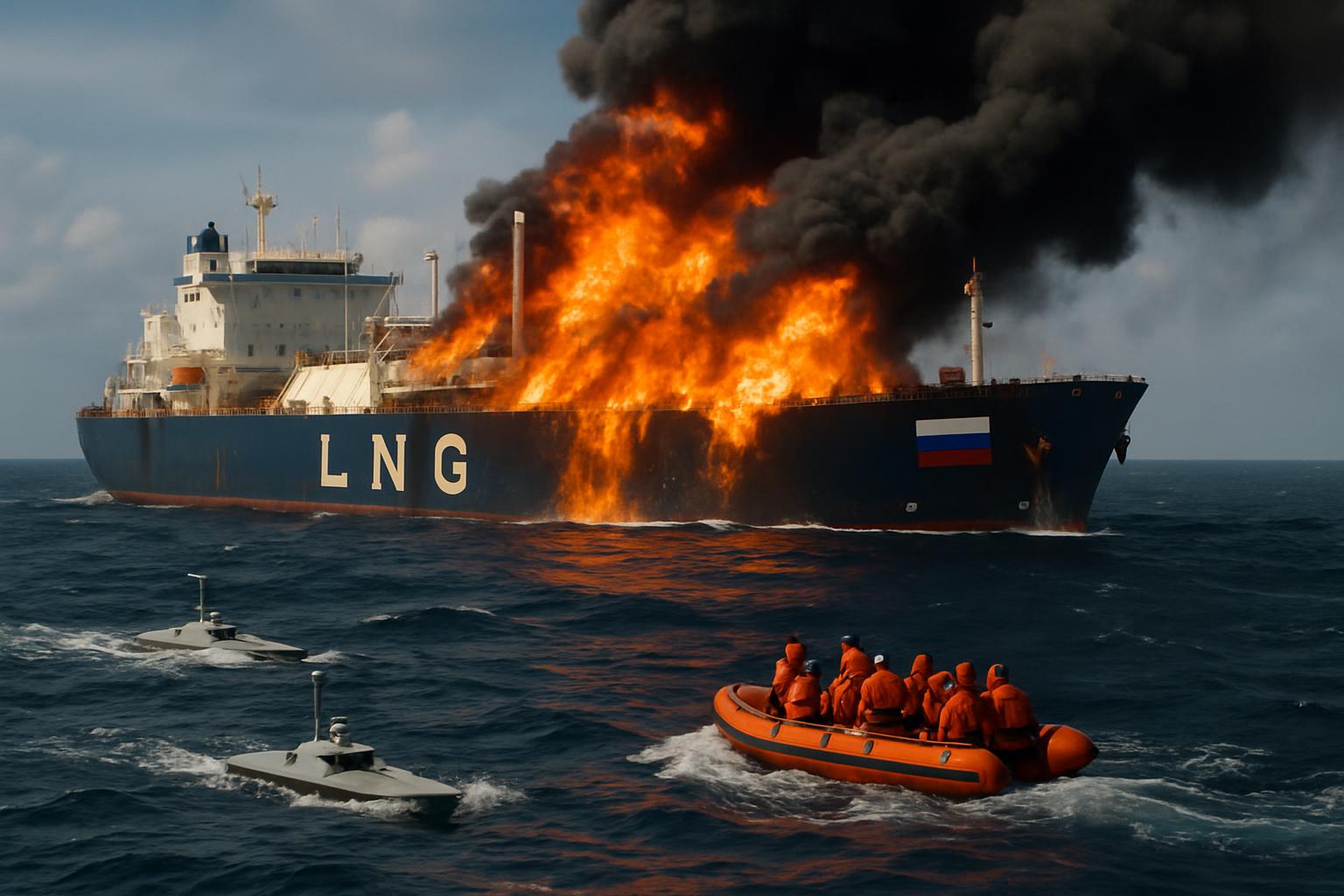
Russian LNG Tanker Sinks in Mediterranean Amid Accusations of Ukrainian Drone Attack
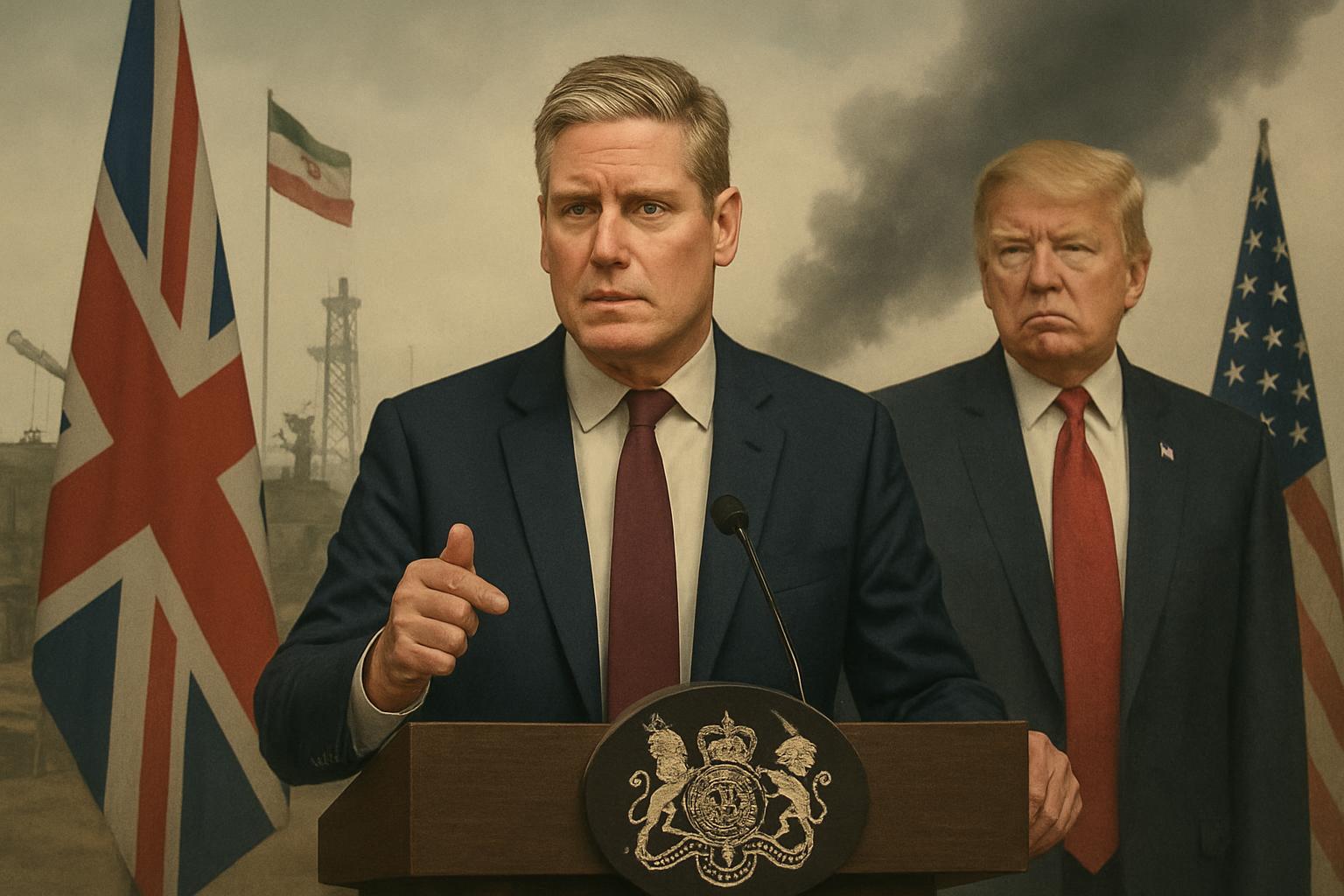
UK-Iran Tensions: Starmer Defends Cautious Approach Amid Trump Criticism

UK Faces Dilemmas Amid Iran Conflict and China Spying Allegations
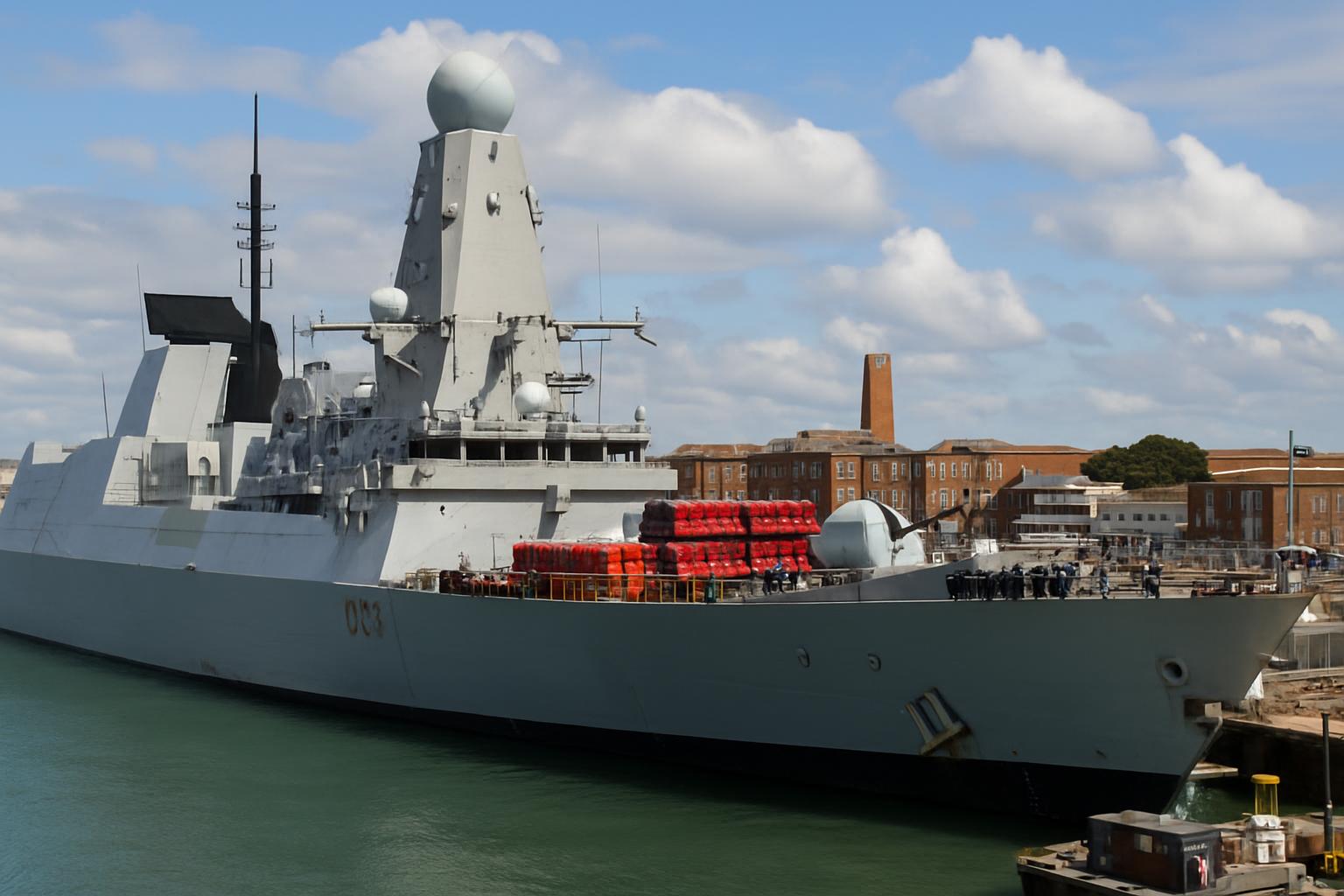
UK Reinforces Military Presence in Cyprus Amid Middle East Tensions
Diplomatic Tensions Rise as Trump Criticizes Starmer's Iran Policy

Breakthrough Drug Offers Hope for Children with Severe Epilepsy
UK to Double Troop Presence in Norway Amid Rising Arctic Tensions
In This Article
 Ethan Brooks| Published
 HIGHLIGHTS
- The UK plans to double its troop presence in Norway from 1,000 to 2,000 over the next three years to counter Russian threats in the Arctic.
- Defence Secretary John Healey emphasized the rising demands on defence due to Russia's increased military activities in the region.
- The UK will participate in NATO's Arctic Sentry mission to enhance security and surveillance in the High North.
- A significant rise in Russian submarine activity in UK waters has been noted, with levels akin to the Cold War era.
- Ukraine continues to face severe challenges, with recent Russian strikes killing civilians and prompting discussions on improving air defence systems.
The United Kingdom is set to double its military presence in Norway over the next three years, a strategic move aimed at countering the growing Russian threat in the Arctic region. This decision, announced by Defence Secretary John Healey, will see the number of British troops stationed in the Arctic nation increase from 1,000 to 2,000.
Rising Concerns Over Russian Activities
The move comes amid heightened concerns among NATO allies regarding Russia's military activities in the Arctic, including the reopening of Cold War-era bases. "Demands on defence are rising, and Russia poses the greatest threat to Arctic and High North security that we have seen since the Cold War," Healey stated during a visit to Royal Marines at Camp Viking in Norway.
The UK will also contribute to NATO's Arctic Sentry mission, an initiative designed to bolster security and surveillance in the region. This mission is part of a broader strategy to address security concerns, including those previously raised by former US President Donald Trump regarding Greenland.
Military Exercises and Strategic Alliances
As part of the expanded military presence, 1,500 Royal Marine Commandos will participate in NATO's Exercise Cold Response in March. This large-scale drill, spanning Norway, Finland, and Sweden, aims to train allied forces in extreme Arctic conditions. Additionally, the UK-led Joint Expeditionary Force will conduct Exercise Lion Protector in September, focusing on defending critical infrastructure across Norway, Iceland, and the Danish straits.
The UK and Norway have also signed a defence pact to protect undersea cables, with both nations' navies working together to monitor Russian submarine activity. The Ministry of Defence has reported a 30% increase in Russian submarines in UK waters over the past two years, with activity levels now comparable to those during the Cold War.
Ongoing Challenges in Ukraine
Meanwhile, the conflict in Ukraine continues to escalate, with recent Russian strikes resulting in civilian casualties. Ukrainian President Volodymyr Zelenskyy has convened top military officials to address shortcomings in air defence systems. "Many changes are happening right now in the work of air defence," Zelenskyy noted, emphasizing the need for improved protection against air attacks.
Russia's internet watchdog has also announced restrictions on the Telegram messenger platform, citing non-compliance with laws requiring data storage within the country. Critics argue this move is part of a broader effort by the Kremlin to increase control and surveillance amid the ongoing conflict.
WHAT THIS MIGHT MEAN
The UK's decision to bolster its military presence in Norway signals a significant shift in Arctic security dynamics, potentially leading to increased tensions with Russia. As NATO strengthens its surveillance and defence capabilities in the region, Moscow may respond with further military build-up, raising the stakes for all parties involved.
In Ukraine, the ongoing conflict and the need for enhanced air defence systems highlight the critical role of international support. As President Zelenskyy continues to seek assistance from Western allies, the provision of advanced weaponry could be pivotal in altering the course of the conflict.
The restrictions on Telegram by Russia's internet watchdog may further isolate Russian citizens from global communication platforms, potentially stifling dissent and limiting access to independent information. This move could have long-term implications for digital freedom and civil liberties within the country.
Related Articles
Russian LNG Tanker Sinks in Mediterranean Amid Accusations of Ukrainian Drone Attack
UK-Iran Tensions: Starmer Defends Cautious Approach Amid Trump Criticism
UK Faces Dilemmas Amid Iran Conflict and China Spying Allegations
UK Reinforces Military Presence in Cyprus Amid Middle East Tensions
Diplomatic Tensions Rise as Trump Criticizes Starmer's Iran Policy
Breakthrough Drug Offers Hope for Children with Severe Epilepsy