
Butterfly Count Underway Amid Concerns Over Declining Populations

In This Article
HIGHLIGHTS
- The annual butterfly count is underway after recording the lowest numbers in 2024, with a 35% decline in Somerset.
- The survey, running for 15 years, highlights butterflies as indicators of environmental health, with half of Britain's species threatened.
- The gatekeeper butterfly was the most spotted species in Somerset last year, with over 9,000 sightings.
- Nature enthusiasts are encouraged to participate in the count until 10 August, with results expected the following month.
- Experts suggest that consistent good summers are needed for a significant butterfly population boom, but climate change may hinder this.
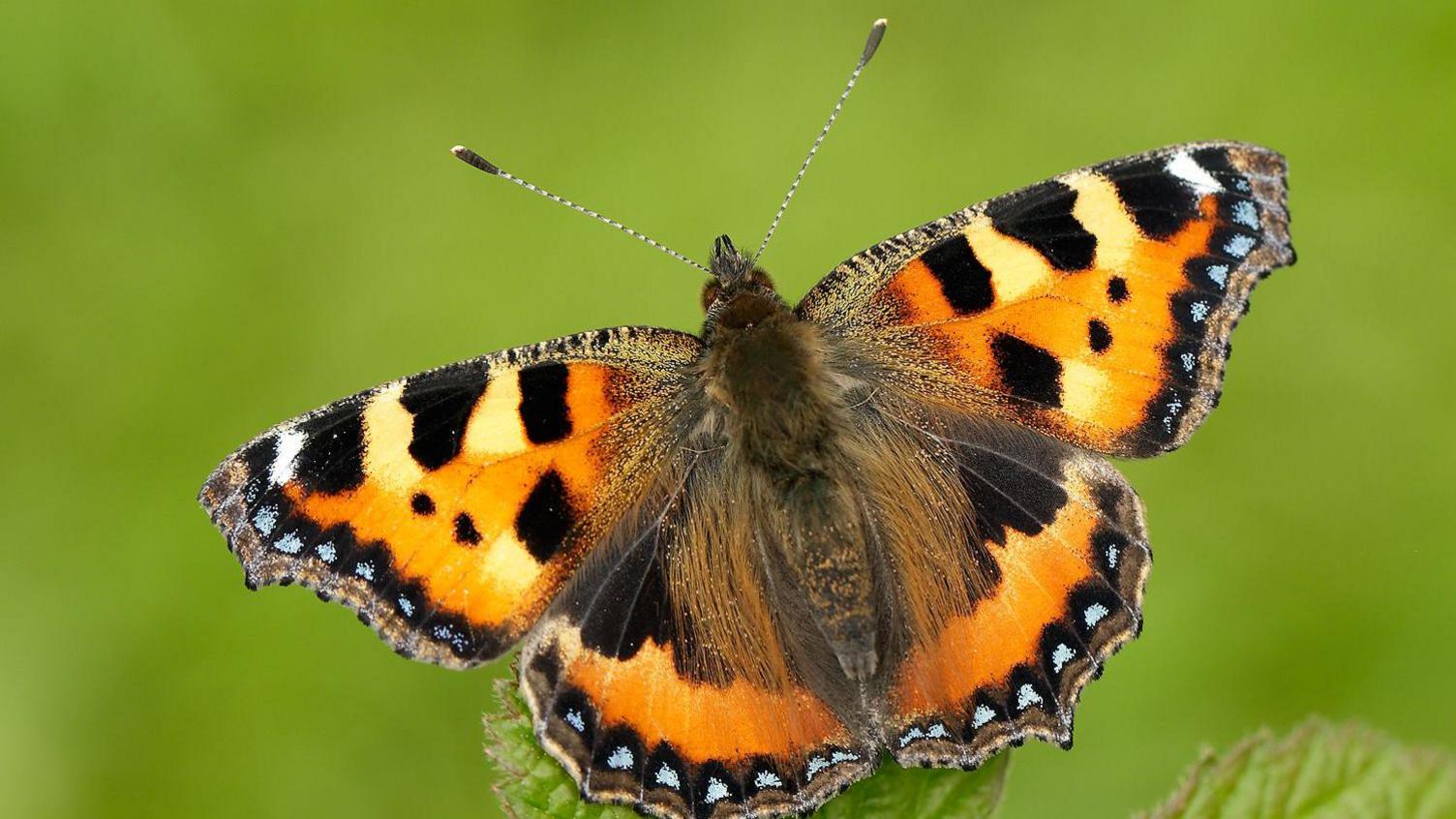
The annual butterfly count has commenced, following a year marked by the lowest recorded numbers in its 15-year history. In 2024, Somerset experienced a 35% decline in butterfly and moth species, with only 43,547 sightings compared to 66,486 in 2023, according to Butterfly Conservation. This decline is part of a broader trend observed over the past 50 years, exacerbated by adverse weather conditions.
Butterflies as Environmental Indicators
Dr. Dan Hoare from Butterfly Conservation emphasized the significance of butterflies as indicators of environmental health. "With about half of Britain's butterfly species already threatened or near threatened with extinction, it's really important that we understand what's driving these declines in nature," he stated. The gatekeeper butterfly emerged as the most frequently spotted species in Somerset last year, with over 9,000 sightings.
Public Participation and Survey Details
The butterfly count invites public participation until 10 August, with results to be announced the following month. Participants can contribute by recording their sightings via the organization's website or app. Dr. Hoare highlighted Somerset's importance, noting its "lovely rural habitats" that support diverse butterfly populations.
Historical Context and Future Prospects
The Guardian's analysis suggests that while this summer may seem promising, it might merely represent a return to average conditions. Naturalist Matthew Oates noted that sustained good summers are necessary for a significant increase in butterfly numbers, as seen in the late 20th century. However, the impacts of climate change could disrupt such patterns, making consistent butterfly booms less likely.
WHAT THIS MIGHT MEAN
Looking ahead, the results of this year's butterfly count will be crucial in understanding the current state of butterfly populations and their recovery potential. Should the data indicate a rebound, it could signal effective conservation efforts and nature recovery. However, if numbers remain low, it may prompt further investigation into the impacts of climate change and habitat loss on these vital environmental indicators. Experts warn that without consistent favorable conditions, achieving a significant butterfly population boom may remain elusive, underscoring the need for sustained conservation initiatives.
Images from the Web
Related Articles

UK Government to Reform Asylum Seeker Support and Employment Policies

Noel Clarke Arrested Over 2007 Attempted Rape Allegation

Keir Starmer's Leadership in Peril Amid McSweeney Resignation and Mandelson Scandal

Labour Think Tank's Investigation of Journalists Sparks Controversy

Suella Braverman Joins Reform UK Amidst Conservative Party Turmoil

UK to Enforce Swift Removal of Non-Consensual Intimate Images by Tech Firms
Butterfly Count Underway Amid Concerns Over Declining Populations
In This Article
 Ethan Brooks| Published
 HIGHLIGHTS
- The annual butterfly count is underway after recording the lowest numbers in 2024, with a 35% decline in Somerset.
- The survey, running for 15 years, highlights butterflies as indicators of environmental health, with half of Britain's species threatened.
- The gatekeeper butterfly was the most spotted species in Somerset last year, with over 9,000 sightings.
- Nature enthusiasts are encouraged to participate in the count until 10 August, with results expected the following month.
- Experts suggest that consistent good summers are needed for a significant butterfly population boom, but climate change may hinder this.
The annual butterfly count has commenced, following a year marked by the lowest recorded numbers in its 15-year history. In 2024, Somerset experienced a 35% decline in butterfly and moth species, with only 43,547 sightings compared to 66,486 in 2023, according to Butterfly Conservation. This decline is part of a broader trend observed over the past 50 years, exacerbated by adverse weather conditions.
Butterflies as Environmental Indicators
Dr. Dan Hoare from Butterfly Conservation emphasized the significance of butterflies as indicators of environmental health. "With about half of Britain's butterfly species already threatened or near threatened with extinction, it's really important that we understand what's driving these declines in nature," he stated. The gatekeeper butterfly emerged as the most frequently spotted species in Somerset last year, with over 9,000 sightings.
Public Participation and Survey Details
The butterfly count invites public participation until 10 August, with results to be announced the following month. Participants can contribute by recording their sightings via the organization's website or app. Dr. Hoare highlighted Somerset's importance, noting its "lovely rural habitats" that support diverse butterfly populations.
Historical Context and Future Prospects
The Guardian's analysis suggests that while this summer may seem promising, it might merely represent a return to average conditions. Naturalist Matthew Oates noted that sustained good summers are necessary for a significant increase in butterfly numbers, as seen in the late 20th century. However, the impacts of climate change could disrupt such patterns, making consistent butterfly booms less likely.
WHAT THIS MIGHT MEAN
Looking ahead, the results of this year's butterfly count will be crucial in understanding the current state of butterfly populations and their recovery potential. Should the data indicate a rebound, it could signal effective conservation efforts and nature recovery. However, if numbers remain low, it may prompt further investigation into the impacts of climate change and habitat loss on these vital environmental indicators. Experts warn that without consistent favorable conditions, achieving a significant butterfly population boom may remain elusive, underscoring the need for sustained conservation initiatives.
Images from the Web
Related Articles
UK Government to Reform Asylum Seeker Support and Employment Policies
Noel Clarke Arrested Over 2007 Attempted Rape Allegation
Keir Starmer's Leadership in Peril Amid McSweeney Resignation and Mandelson Scandal
Labour Think Tank's Investigation of Journalists Sparks Controversy
Suella Braverman Joins Reform UK Amidst Conservative Party Turmoil
UK to Enforce Swift Removal of Non-Consensual Intimate Images by Tech Firms