
California Wildfires Force Thousands to Evacuate Amid Extreme Heat
In This Article
HIGHLIGHTS
- The Canyon Fire in California has rapidly expanded to nearly 5,400 acres, prompting mandatory evacuations for over 2,700 residents.
- Extreme heat and dry conditions are complicating firefighting efforts, with temperatures expected to reach 100°F.
- The fire is 25% contained, with no reported injuries or major property damage, though two minor structures have been destroyed.
- The Gifford Fire, the largest active wildfire in California, has burned over 99,200 acres, threatening hundreds of structures.
- Climate change is cited as a key factor in the increasing frequency and intensity of California wildfires.
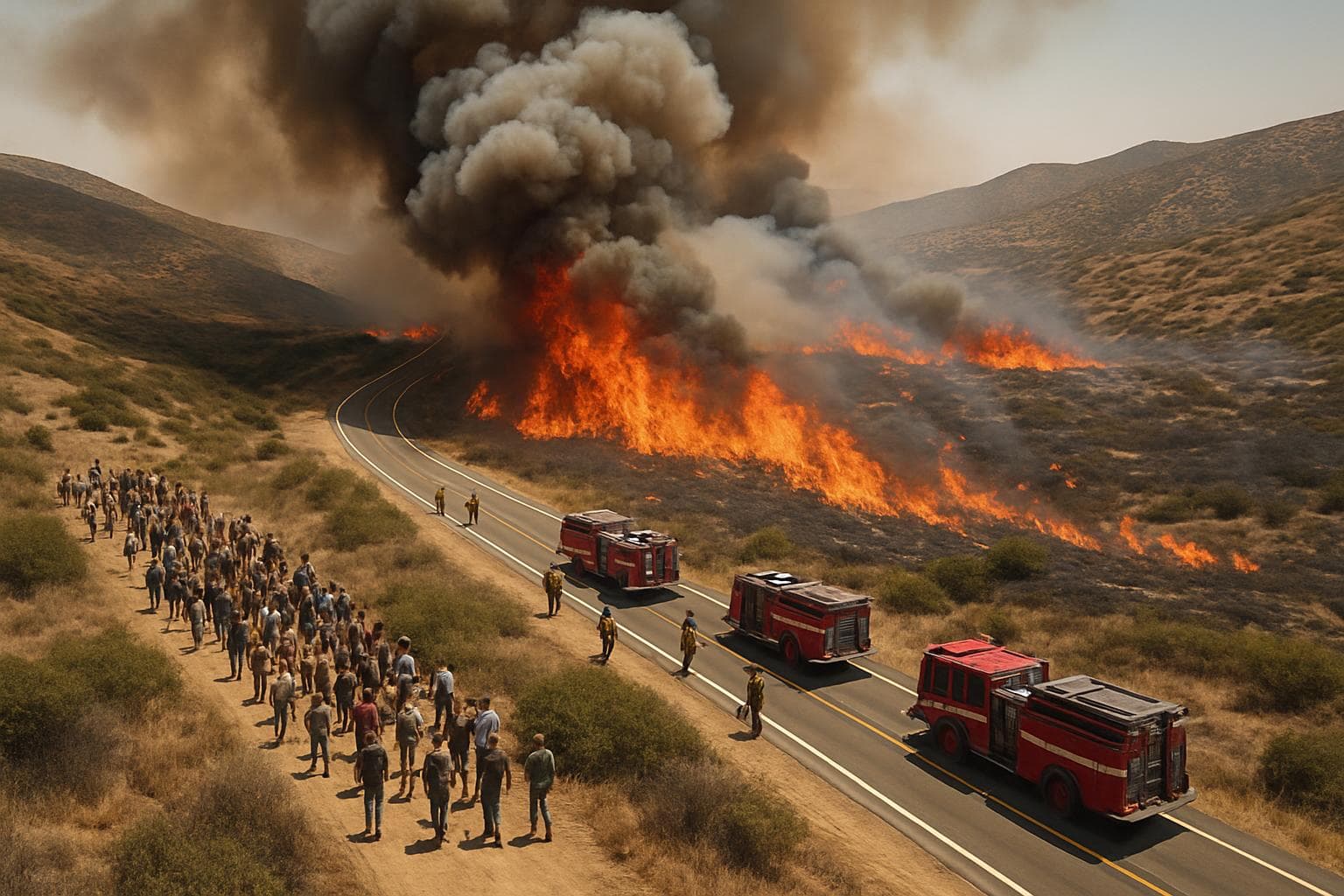
A rapidly spreading wildfire, known as the Canyon Fire, has forced thousands of residents in Southern California to evacuate as extreme heat and dry conditions fuel its expansion. The blaze, which ignited on Thursday afternoon along the Ventura and Los Angeles county border, has grown from 30 acres to nearly 5,400 acres by Friday afternoon. Authorities have issued mandatory evacuation orders for over 2,700 residents, with an additional 14,000 people under evacuation warnings.
Firefighting Efforts and Challenges
Firefighters are battling the blaze under challenging conditions, with temperatures soaring to 100°F and low humidity levels exacerbating the situation. The Ventura County Fire Department reported that the fire is 25% contained, but the situation remains dynamic. "The fire has now crossed into LA county and continues to spread east toward the community of Val Verde," stated a Cal Fire update. Despite the harsh conditions, no major injuries or property damage have been reported, although two minor structures were destroyed.
Broader Wildfire Context
The Canyon Fire is one of several active wildfires in California, with the Gifford Fire being the largest. This massive blaze has consumed over 99,200 acres across San Luis Obispo and Santa Barbara counties, threatening hundreds of homes. The Gifford Fire, which started from smaller fires along State Route 166, is only 15% contained. The causes of these fires are under investigation, but climate change is frequently cited as a contributing factor to the increasing frequency and severity of wildfires in the state.
Community and Official Responses
Local officials are urging residents to heed evacuation orders and stay informed. LA County Supervisor Kathryn Barger emphasized the urgency, stating, "If first responders tell you to leave, go – without hesitation." Firefighters are working tirelessly to protect homes and limit the fire's spread, utilizing both air and ground resources.
WHAT THIS MIGHT MEAN
As the heatwave continues to grip California, the risk of wildfires remains elevated. Firefighters are focusing on containment efforts, but the extreme weather conditions could lead to further fire activity. The situation underscores the broader challenges posed by climate change, which experts warn will continue to lengthen and intensify fire seasons. Moving forward, increased investment in firefighting resources and community preparedness will be crucial in mitigating the impact of these devastating events.
Related Articles

Tragedy in the Sierra Nevada: Deadly Avalanche Claims Nine Lives

Tragedy Strikes as Avalanche Claims Eight Lives in California's Sierra Nevada

Avalanche Risks Surge Amidst Extreme Weather Conditions in California and Europe

Andrew Mountbatten-Windsor's Arrest Sparks International Calls for Justice

Tragic Avalanche in California's Sierra Nevada Claims Eight Lives
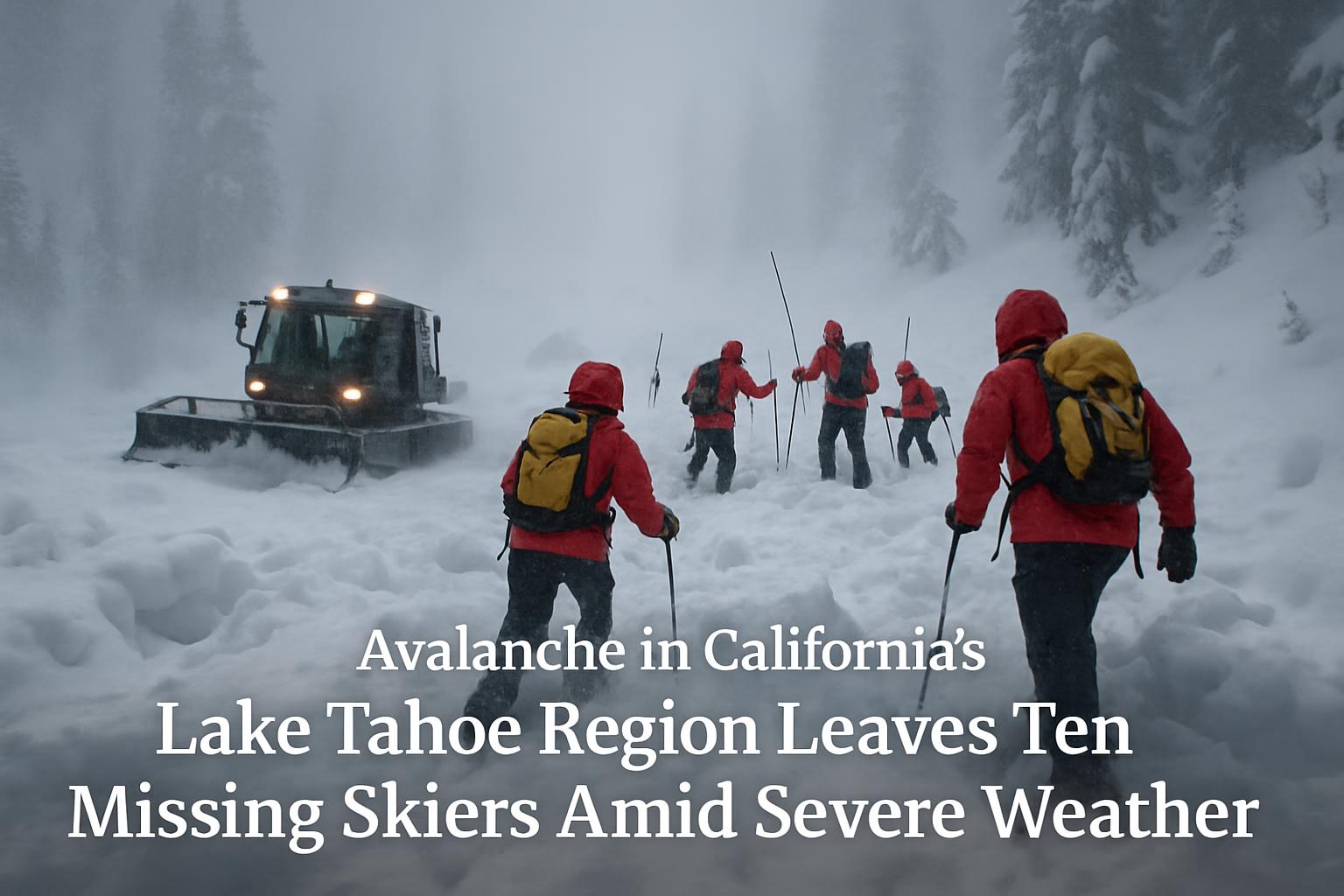
California Avalanche Leaves Ten Skiers Missing Amid Severe Weather
California Wildfires Force Thousands to Evacuate Amid Extreme Heat
In This Article
HIGHLIGHTS
- The Canyon Fire in California has rapidly expanded to nearly 5,400 acres, prompting mandatory evacuations for over 2,700 residents.
- Extreme heat and dry conditions are complicating firefighting efforts, with temperatures expected to reach 100°F.
- The fire is 25% contained, with no reported injuries or major property damage, though two minor structures have been destroyed.
- The Gifford Fire, the largest active wildfire in California, has burned over 99,200 acres, threatening hundreds of structures.
- Climate change is cited as a key factor in the increasing frequency and intensity of California wildfires.
A rapidly spreading wildfire, known as the Canyon Fire, has forced thousands of residents in Southern California to evacuate as extreme heat and dry conditions fuel its expansion. The blaze, which ignited on Thursday afternoon along the Ventura and Los Angeles county border, has grown from 30 acres to nearly 5,400 acres by Friday afternoon. Authorities have issued mandatory evacuation orders for over 2,700 residents, with an additional 14,000 people under evacuation warnings.
Firefighting Efforts and Challenges
Firefighters are battling the blaze under challenging conditions, with temperatures soaring to 100°F and low humidity levels exacerbating the situation. The Ventura County Fire Department reported that the fire is 25% contained, but the situation remains dynamic. "The fire has now crossed into LA county and continues to spread east toward the community of Val Verde," stated a Cal Fire update. Despite the harsh conditions, no major injuries or property damage have been reported, although two minor structures were destroyed.
Broader Wildfire Context
The Canyon Fire is one of several active wildfires in California, with the Gifford Fire being the largest. This massive blaze has consumed over 99,200 acres across San Luis Obispo and Santa Barbara counties, threatening hundreds of homes. The Gifford Fire, which started from smaller fires along State Route 166, is only 15% contained. The causes of these fires are under investigation, but climate change is frequently cited as a contributing factor to the increasing frequency and severity of wildfires in the state.
Community and Official Responses
Local officials are urging residents to heed evacuation orders and stay informed. LA County Supervisor Kathryn Barger emphasized the urgency, stating, "If first responders tell you to leave, go – without hesitation." Firefighters are working tirelessly to protect homes and limit the fire's spread, utilizing both air and ground resources.
WHAT THIS MIGHT MEAN
As the heatwave continues to grip California, the risk of wildfires remains elevated. Firefighters are focusing on containment efforts, but the extreme weather conditions could lead to further fire activity. The situation underscores the broader challenges posed by climate change, which experts warn will continue to lengthen and intensify fire seasons. Moving forward, increased investment in firefighting resources and community preparedness will be crucial in mitigating the impact of these devastating events.
Related Articles
Tragedy in the Sierra Nevada: Deadly Avalanche Claims Nine Lives
Tragedy Strikes as Avalanche Claims Eight Lives in California's Sierra Nevada
Avalanche Risks Surge Amidst Extreme Weather Conditions in California and Europe
Andrew Mountbatten-Windsor's Arrest Sparks International Calls for Justice
Tragic Avalanche in California's Sierra Nevada Claims Eight Lives
California Avalanche Leaves Ten Skiers Missing Amid Severe Weather