
Canada's Supreme Court Clears Way for Controversial Ostrich Cull Amid Avian Flu Concerns
In This Article
HIGHLIGHTS
- Canada's Supreme Court has dismissed an appeal to halt the cull of ostriches at a British Columbia farm, allowing the Canadian Food Inspection Agency (CFIA) to proceed.
- The cull was ordered after two ostriches tested positive for avian flu, with the CFIA citing risks to wildlife and human health.
- Universal Ostrich Farms and supporters, including US officials, have criticized the cull as government overreach and sought alternatives like scientific research.
- Protests have erupted, with over 60 demonstrators gathering at the farm, and the case has drawn international attention.
- The CFIA plans to move forward with the cull but has not specified a timeline, while farm owners continue to explore other legal options.
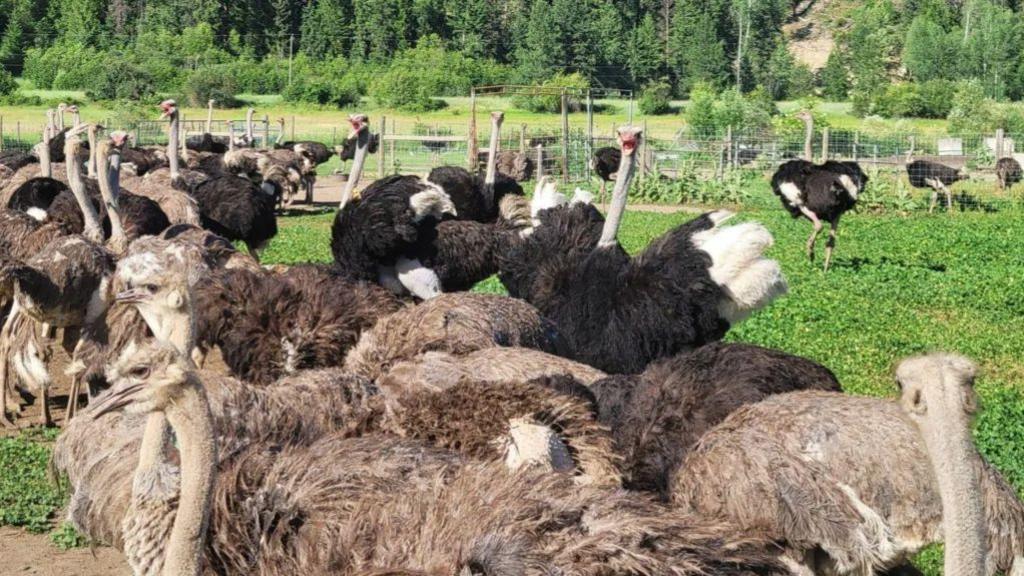
In a decision that has sparked widespread debate and international attention, Canada's Supreme Court has declined to hear an appeal against the cull of hundreds of ostriches at Universal Ostrich Farms in British Columbia. The Canadian Food Inspection Agency (CFIA) ordered the cull following an avian flu outbreak that claimed the lives of 69 birds, citing potential risks to both wildlife and human health.
Legal Battle and International Support
The legal battle began when the CFIA mandated the cull after two ostriches tested positive for avian flu. Universal Ostrich Farms, located near Edgewood, has been at the center of a heated dispute, with farm owners and supporters arguing that the surviving birds should be used for scientific research instead. The case has drawn support from notable figures, including US Health Secretary Robert F. Kennedy Jr. and Dr. Mehmet Oz, who have criticized the cull as an example of government overreach.
Protests and Public Outcry
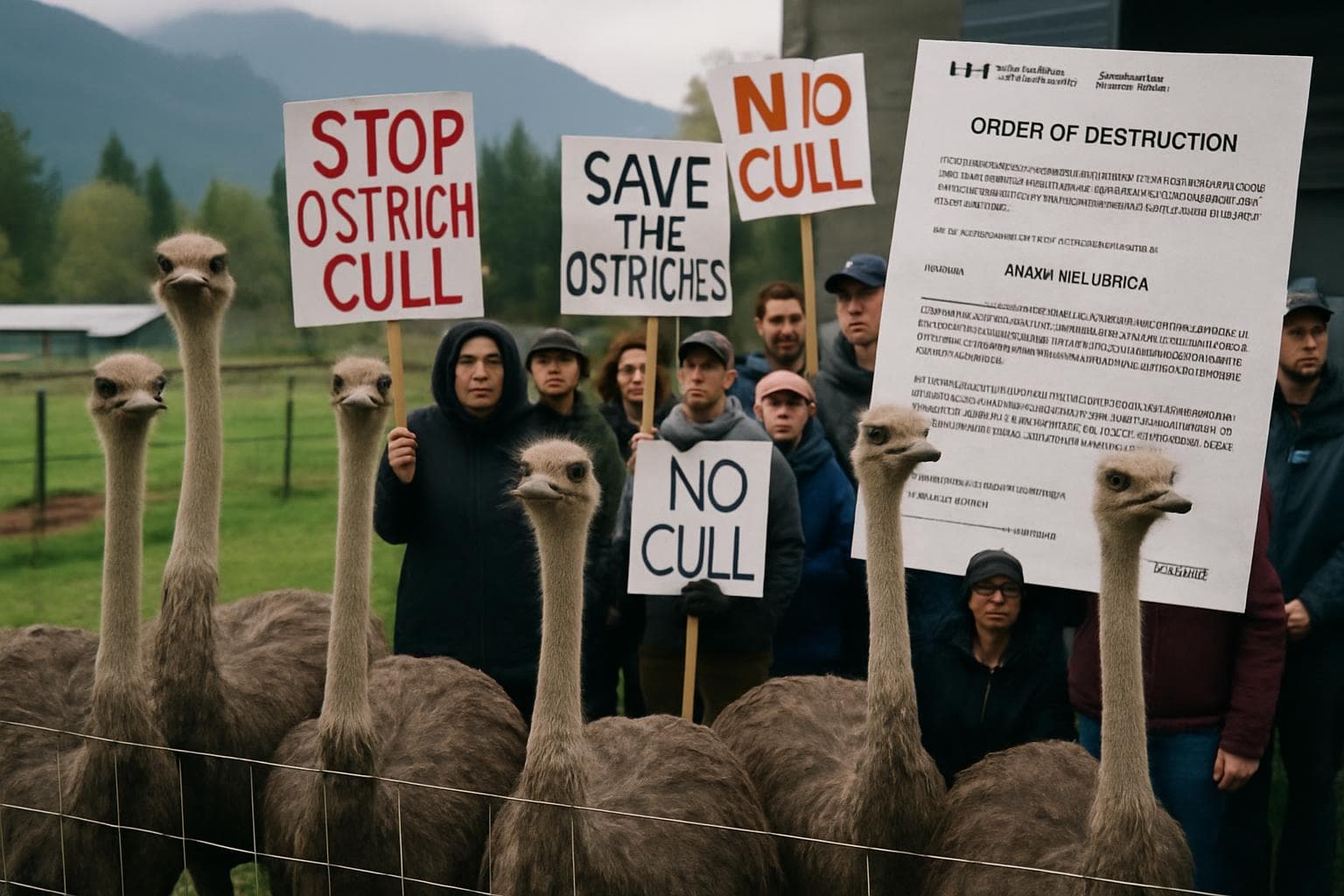
The Supreme Court's decision has not deterred protests, with over 60 demonstrators gathering at the farm. The controversy has also resonated on social media, where skepticism about the necessity of the cull and the effectiveness of avian flu testing has been vocalized. Katie Pasitney, whose family owns the farm, expressed her dismay in a video, urging for a "miracle" to save the birds.
Government Stance and Future Actions
The CFIA has reiterated its commitment to the cull, aligning with the World Health Organization's "stamping out" policy to control avian influenza. However, the agency has not provided a specific timeline for when the cull will commence. Meanwhile, the farm owners are considering further legal avenues to challenge the decision, hoping to persuade the federal government to reconsider.
WHAT THIS MIGHT MEAN
The Supreme Court's ruling paves the way for the CFIA to proceed with the cull, but the legal and public relations battle may not be over. The farm owners could pursue alternative legal strategies or appeal to federal authorities for intervention. Politically, the case has highlighted tensions over government intervention and public health measures, potentially influencing future policy discussions on animal health and welfare. As the situation unfolds, the CFIA's actions and the farm's response will likely continue to attract scrutiny both domestically and internationally.
Images from the Web
Related Articles

Israeli Airstrikes in Gaza Escalate Tensions Amid Ceasefire Violations

Canada Calls for De-escalation Amid US-Israel Strikes on Iran

Canadian Leaders Unite in Grief at Tumbler Ridge Vigil for Shooting Victims

German Chancellor Warns of Eroding Global Order at Munich Security Conference

Tragedy Strikes Tumbler Ridge: Community Mourns After Devastating School Shooting

Tragedy Strikes Tumbler Ridge: Nine Dead in One of Canada's Deadliest Mass Shootings
Canada's Supreme Court Clears Way for Controversial Ostrich Cull Amid Avian Flu Concerns
In This Article
 Ethan Brooks| Published
 HIGHLIGHTS
- Canada's Supreme Court has dismissed an appeal to halt the cull of ostriches at a British Columbia farm, allowing the Canadian Food Inspection Agency (CFIA) to proceed.
- The cull was ordered after two ostriches tested positive for avian flu, with the CFIA citing risks to wildlife and human health.
- Universal Ostrich Farms and supporters, including US officials, have criticized the cull as government overreach and sought alternatives like scientific research.
- Protests have erupted, with over 60 demonstrators gathering at the farm, and the case has drawn international attention.
- The CFIA plans to move forward with the cull but has not specified a timeline, while farm owners continue to explore other legal options.
In a decision that has sparked widespread debate and international attention, Canada's Supreme Court has declined to hear an appeal against the cull of hundreds of ostriches at Universal Ostrich Farms in British Columbia. The Canadian Food Inspection Agency (CFIA) ordered the cull following an avian flu outbreak that claimed the lives of 69 birds, citing potential risks to both wildlife and human health.
Legal Battle and International Support
The legal battle began when the CFIA mandated the cull after two ostriches tested positive for avian flu. Universal Ostrich Farms, located near Edgewood, has been at the center of a heated dispute, with farm owners and supporters arguing that the surviving birds should be used for scientific research instead. The case has drawn support from notable figures, including US Health Secretary Robert F. Kennedy Jr. and Dr. Mehmet Oz, who have criticized the cull as an example of government overreach.
Protests and Public Outcry
The Supreme Court's decision has not deterred protests, with over 60 demonstrators gathering at the farm. The controversy has also resonated on social media, where skepticism about the necessity of the cull and the effectiveness of avian flu testing has been vocalized. Katie Pasitney, whose family owns the farm, expressed her dismay in a video, urging for a "miracle" to save the birds.
Government Stance and Future Actions
The CFIA has reiterated its commitment to the cull, aligning with the World Health Organization's "stamping out" policy to control avian influenza. However, the agency has not provided a specific timeline for when the cull will commence. Meanwhile, the farm owners are considering further legal avenues to challenge the decision, hoping to persuade the federal government to reconsider.
WHAT THIS MIGHT MEAN
The Supreme Court's ruling paves the way for the CFIA to proceed with the cull, but the legal and public relations battle may not be over. The farm owners could pursue alternative legal strategies or appeal to federal authorities for intervention. Politically, the case has highlighted tensions over government intervention and public health measures, potentially influencing future policy discussions on animal health and welfare. As the situation unfolds, the CFIA's actions and the farm's response will likely continue to attract scrutiny both domestically and internationally.
Images from the Web
Related Articles
Israeli Airstrikes in Gaza Escalate Tensions Amid Ceasefire Violations
Canada Calls for De-escalation Amid US-Israel Strikes on Iran
Canadian Leaders Unite in Grief at Tumbler Ridge Vigil for Shooting Victims
German Chancellor Warns of Eroding Global Order at Munich Security Conference
Tragedy Strikes Tumbler Ridge: Community Mourns After Devastating School Shooting
Tragedy Strikes Tumbler Ridge: Nine Dead in One of Canada's Deadliest Mass Shootings