
Conservatives Push for Judge-Led Inquiry into Grooming Gangs Amidst Political Stalemate
In This Article
HIGHLIGHTS
- The Conservative Party has proposed a judge-led inquiry into grooming gangs, criticizing Labour for delays in establishing a national inquiry.
- Kemi Badenoch emphasized the need to examine ethnicity and religion in the inquiry, reflecting survivors' concerns.
- The government's efforts have stalled, with resignations from the victim liaison panel and difficulties in appointing a chair.
- The Conservatives suggest a two-year time limit and a focus on non-familiar abuse for the inquiry.
- Labour accuses the Conservatives of failing to implement recommendations from previous investigations into child sexual abuse.
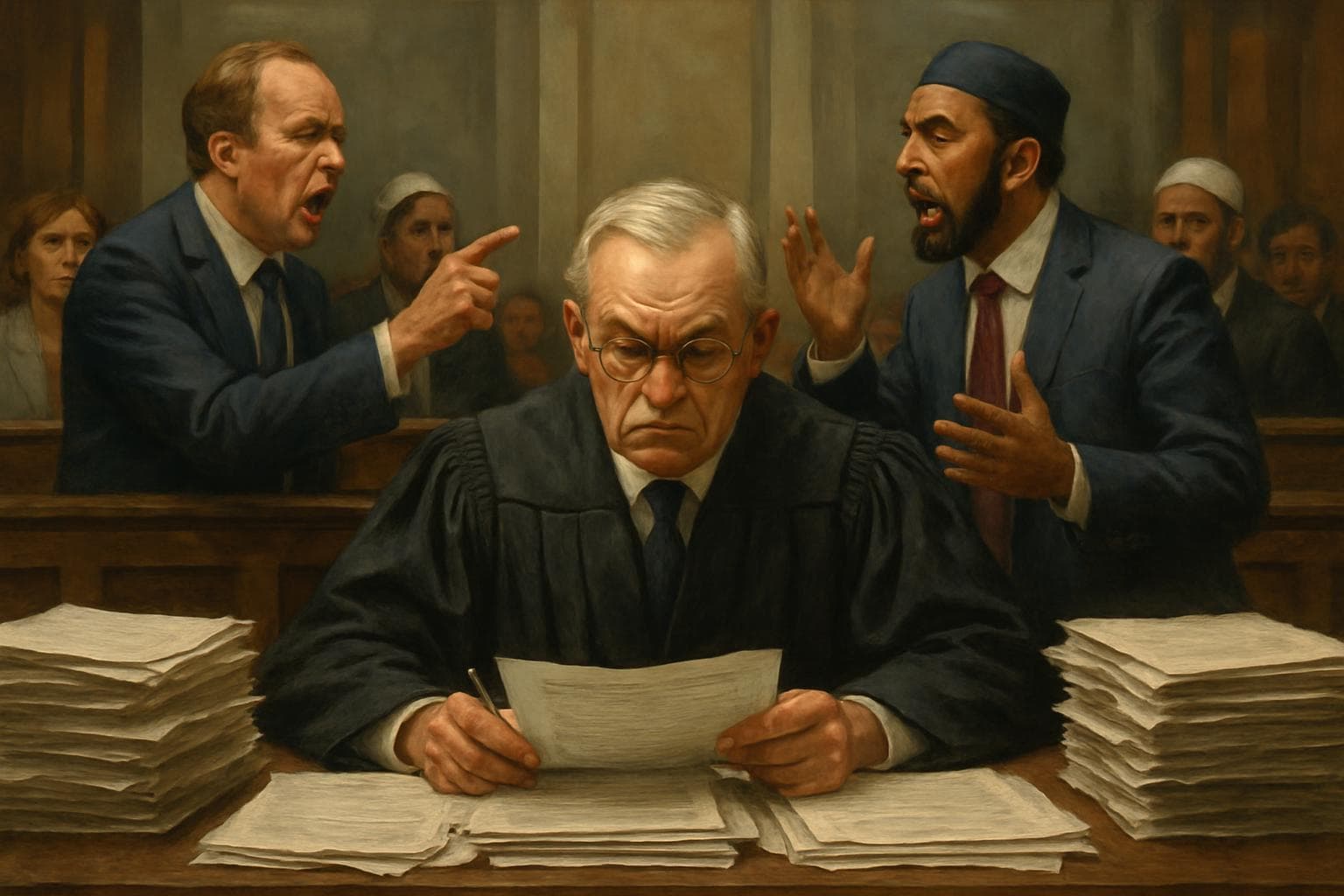
In a renewed effort to address the ongoing issue of grooming gangs, the Conservative Party has called for a judge-led inquiry, criticizing the Labour government for its delays in launching a national investigation. Conservative leader Kemi Badenoch announced the proposal, highlighting the necessity of examining the roles of ethnicity and religion in these crimes, a point she argues has been neglected by Labour.
The government's initial plans, announced by Prime Minister Keir Starmer in June, have faced significant setbacks. The Independent Commission on Grooming Gangs (ICCG) was intended to coordinate local investigations into group-based child sexual exploitation. However, the process has been marred by controversy, including the resignation of four women from the victim liaison panel and the withdrawal of two candidates for the inquiry chair position.
Speaking at a press conference in London, Badenoch stated, "A national inquiry must leave no stone unturned. This is about survivors and what they want. We must give a voice to the voiceless." She emphasized the importance of considering cultural factors, referencing Baroness Casey's report, which noted the prevalence of offenders from Asian and Pakistani backgrounds.
The Conservatives have proposed a two-year time limit for the inquiry, focusing on non-familiar abuse, and have drafted terms of reference in consultation with survivors and advocates. Shadow Home Secretary Chris Philp urged the government to adopt these terms, asserting that the Conservatives' approach demonstrates that the inquiry can be effectively conducted.
Meanwhile, Labour has accused the Conservatives of failing to act on recommendations from Professor Alexis Jay's seven-year investigation into child sexual abuse, which concluded in October 2022. A Labour spokesperson stated that the government has been working "tirelessly" to prepare a robust inquiry, consulting closely with victims and survivors.
The Prime Minister's office has indicated that an update on the inquiry will be provided shortly, acknowledging the extensive work required to initiate the process. However, the timeline for appointing a chair remains uncertain, with officials warning that it could take months.
WHAT THIS MIGHT MEAN
The political impasse surrounding the grooming gangs inquiry highlights the complexities of addressing sensitive issues like ethnicity and religion in the context of child sexual exploitation. If the Conservatives' proposal is adopted, it could expedite the inquiry process, providing much-needed closure and justice for survivors. However, the focus on ethnicity and religion may provoke further debate and potential backlash from communities concerned about stigmatization.
Should the Labour government manage to overcome the current obstacles and launch the inquiry, it will need to balance thorough investigation with sensitivity to cultural dynamics. The outcome of this inquiry could set a precedent for how similar cases are handled in the future, influencing both legal frameworks and public policy on child protection.
Experts suggest that regardless of the political party leading the inquiry, the priority must remain on supporting survivors and implementing effective measures to prevent future exploitation. The success of the inquiry will depend on its ability to address systemic failures and provide actionable recommendations for safeguarding vulnerable children.
Related Articles
Labour MP's Husband Arrested in UK-China Espionage Probe
UK-Iran Tensions: Starmer Defends Cautious Approach Amid Trump Criticism

Global Counsel Faces Collapse Amidst Epstein Scandal Fallout

UK Government to Reform Asylum Seeker Support and Employment Policies

UK Faces Dilemmas Amid Iran Conflict and China Spying Allegations

Diplomatic Tensions Rise as Trump Criticizes Starmer's Iran Policy
Conservatives Push for Judge-Led Inquiry into Grooming Gangs Amidst Political Stalemate
In This Article
 Ethan Brooks| Published
 HIGHLIGHTS
- The Conservative Party has proposed a judge-led inquiry into grooming gangs, criticizing Labour for delays in establishing a national inquiry.
- Kemi Badenoch emphasized the need to examine ethnicity and religion in the inquiry, reflecting survivors' concerns.
- The government's efforts have stalled, with resignations from the victim liaison panel and difficulties in appointing a chair.
- The Conservatives suggest a two-year time limit and a focus on non-familiar abuse for the inquiry.
- Labour accuses the Conservatives of failing to implement recommendations from previous investigations into child sexual abuse.
In a renewed effort to address the ongoing issue of grooming gangs, the Conservative Party has called for a judge-led inquiry, criticizing the Labour government for its delays in launching a national investigation. Conservative leader Kemi Badenoch announced the proposal, highlighting the necessity of examining the roles of ethnicity and religion in these crimes, a point she argues has been neglected by Labour.
The government's initial plans, announced by Prime Minister Keir Starmer in June, have faced significant setbacks. The Independent Commission on Grooming Gangs (ICCG) was intended to coordinate local investigations into group-based child sexual exploitation. However, the process has been marred by controversy, including the resignation of four women from the victim liaison panel and the withdrawal of two candidates for the inquiry chair position.
Speaking at a press conference in London, Badenoch stated, "A national inquiry must leave no stone unturned. This is about survivors and what they want. We must give a voice to the voiceless." She emphasized the importance of considering cultural factors, referencing Baroness Casey's report, which noted the prevalence of offenders from Asian and Pakistani backgrounds.
The Conservatives have proposed a two-year time limit for the inquiry, focusing on non-familiar abuse, and have drafted terms of reference in consultation with survivors and advocates. Shadow Home Secretary Chris Philp urged the government to adopt these terms, asserting that the Conservatives' approach demonstrates that the inquiry can be effectively conducted.
Meanwhile, Labour has accused the Conservatives of failing to act on recommendations from Professor Alexis Jay's seven-year investigation into child sexual abuse, which concluded in October 2022. A Labour spokesperson stated that the government has been working "tirelessly" to prepare a robust inquiry, consulting closely with victims and survivors.
The Prime Minister's office has indicated that an update on the inquiry will be provided shortly, acknowledging the extensive work required to initiate the process. However, the timeline for appointing a chair remains uncertain, with officials warning that it could take months.
WHAT THIS MIGHT MEAN
The political impasse surrounding the grooming gangs inquiry highlights the complexities of addressing sensitive issues like ethnicity and religion in the context of child sexual exploitation. If the Conservatives' proposal is adopted, it could expedite the inquiry process, providing much-needed closure and justice for survivors. However, the focus on ethnicity and religion may provoke further debate and potential backlash from communities concerned about stigmatization.
Should the Labour government manage to overcome the current obstacles and launch the inquiry, it will need to balance thorough investigation with sensitivity to cultural dynamics. The outcome of this inquiry could set a precedent for how similar cases are handled in the future, influencing both legal frameworks and public policy on child protection.
Experts suggest that regardless of the political party leading the inquiry, the priority must remain on supporting survivors and implementing effective measures to prevent future exploitation. The success of the inquiry will depend on its ability to address systemic failures and provide actionable recommendations for safeguarding vulnerable children.
Related Articles
Labour MP's Husband Arrested in UK-China Espionage Probe
UK-Iran Tensions: Starmer Defends Cautious Approach Amid Trump Criticism
Global Counsel Faces Collapse Amidst Epstein Scandal Fallout
UK Government to Reform Asylum Seeker Support and Employment Policies
UK Faces Dilemmas Amid Iran Conflict and China Spying Allegations
Diplomatic Tensions Rise as Trump Criticizes Starmer's Iran Policy