
Controversy Erupts Over Ban on Israeli Football Fans at Aston Villa Match

In This Article
HIGHLIGHTS
- West Midlands Police banned Maccabi Tel Aviv fans from a match against Aston Villa on 6 November, citing safety concerns.
- MPs and Jewish groups, including Kemi Badenoch and the Board of Deputies of British Jews, have called for Chief Constable Craig Guildford's resignation.
- The decision has sparked controversy, with accusations of political influence and inadequate evidence against Maccabi fans.
- A formal review of the evidence used to justify the ban has been announced by the West Midlands police and crime commissioner.
- The Jewish community in Birmingham expressed frustration over the lack of consultation and conflicting reports regarding the ban.
The decision by West Midlands Police to prohibit Maccabi Tel Aviv fans from attending a Europa League match against Aston Villa on 6 November has ignited a heated debate, with calls for the resignation of Chief Constable Craig Guildford. The ban, justified by the police on safety grounds, has been met with skepticism and criticism from MPs and Jewish organizations, who question the integrity of the evidence presented.
Safety Concerns or Political Influence?
The ban was implemented following intelligence reports suggesting potential violence from local vigilante groups targeting Maccabi fans. However, critics, including Conservative leader Kemi Badenoch and MP Nick Timothy, argue that the decision was politically motivated. They claim the police capitulated to pressure from extremist groups, rather than basing their decision on unbiased evidence.
Guildford defended the ban, asserting that it was not influenced by political factors. He emphasized that the Safety Advisory Group (SAG), which includes police and council representatives, deemed the match high-risk due to previous incidents involving Maccabi fans. Despite this, a letter from Dutch police questioned the validity of the evidence used by West Midlands Police, further fueling the controversy.
Jewish Community's Frustration
The Jewish community in Birmingham has expressed significant frustration over the handling of the situation. Ruth Jacobs, chair of the Birmingham and West Midlands Jewish Community, criticized the police for not consulting the community before announcing the ban. She highlighted the confusion and anger among Jewish residents, who feel the decision was made without proper justification.
The Board of Deputies of British Jews echoed these sentiments, accusing the police of making a decision first and then seeking evidence to support it. They have joined the call for Guildford's resignation, citing a lack of transparency and accountability.
Formal Review Announced
In response to the mounting pressure, Simon Foster, the West Midlands police and crime commissioner, has announced a formal review of the evidence presented to justify the ban. This move aims to address the concerns raised by MPs and the Jewish community, and to ensure that future decisions are made with greater transparency and consultation.
WHAT THIS MIGHT MEAN
The unfolding controversy over the fan ban at the Aston Villa match could have significant implications for West Midlands Police and its leadership. If the formal review reveals flaws in the decision-making process, it may lead to increased scrutiny of the force's handling of similar situations in the future. Politically, the incident highlights the challenges of balancing community safety with the risk of perceived bias or political influence in policing decisions. As the review progresses, it will be crucial for the police to engage with all stakeholders to rebuild trust and ensure that future actions are guided by clear, evidence-based criteria.
Related Articles
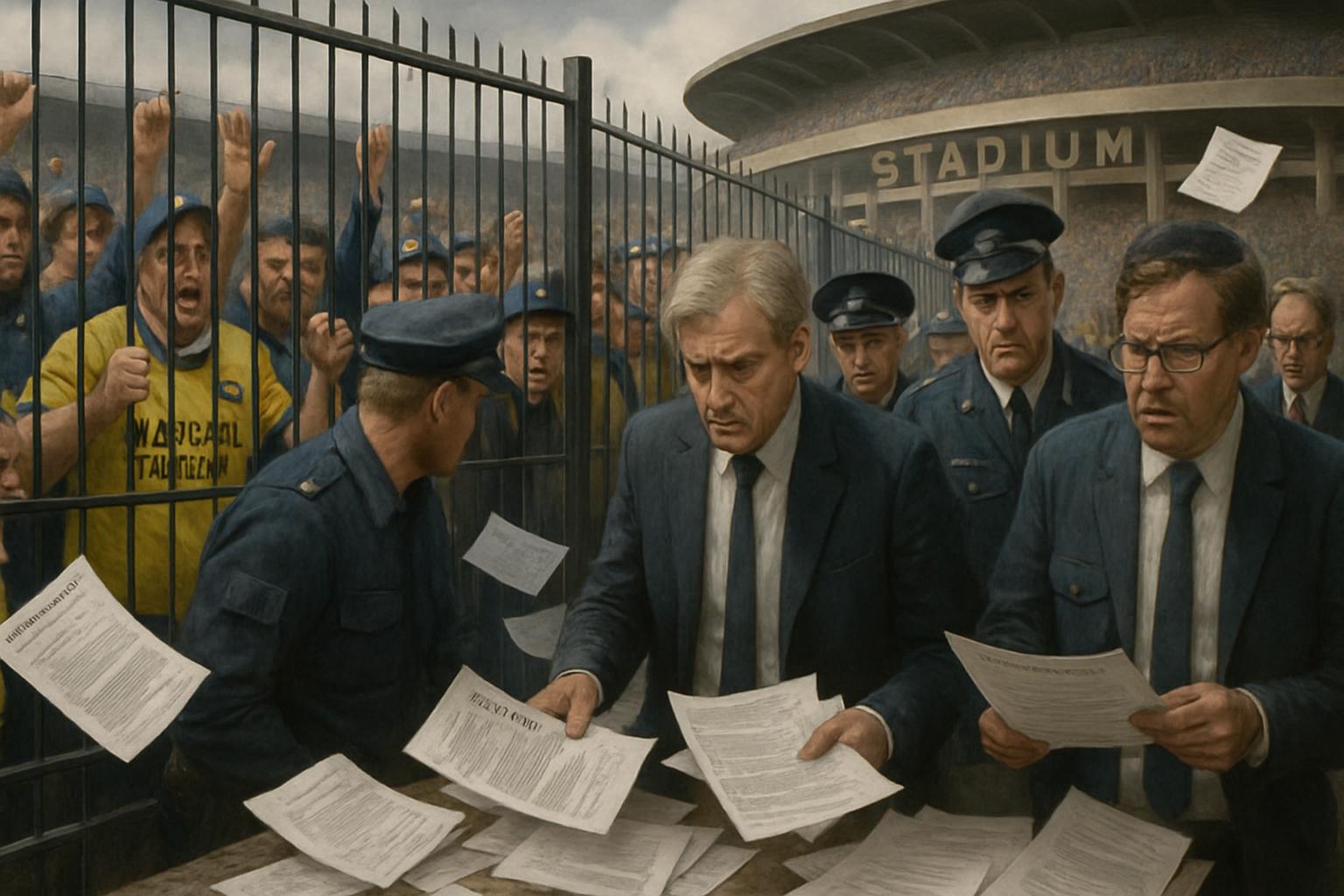
Government Criticized for Mishandling Maccabi Tel Aviv Fan Ban

UK-Iran Tensions: Starmer Defends Cautious Approach Amid Trump Criticism

Birmingham's Proactive Approach to Measles Outbreak Offers Lessons for North London

Jim Ratcliffe's Immigration Comments Spark Backlash Amid UK Political Shifts

Chris Wormald Resigns as UK Cabinet Secretary Amid Political Reshuffle
Labour Party Faces Turmoil Over Links to Convicted Sex Offender
Controversy Erupts Over Ban on Israeli Football Fans at Aston Villa Match
In This Article
 Ethan Brooks| Published
 HIGHLIGHTS
- West Midlands Police banned Maccabi Tel Aviv fans from a match against Aston Villa on 6 November, citing safety concerns.
- MPs and Jewish groups, including Kemi Badenoch and the Board of Deputies of British Jews, have called for Chief Constable Craig Guildford's resignation.
- The decision has sparked controversy, with accusations of political influence and inadequate evidence against Maccabi fans.
- A formal review of the evidence used to justify the ban has been announced by the West Midlands police and crime commissioner.
- The Jewish community in Birmingham expressed frustration over the lack of consultation and conflicting reports regarding the ban.
The decision by West Midlands Police to prohibit Maccabi Tel Aviv fans from attending a Europa League match against Aston Villa on 6 November has ignited a heated debate, with calls for the resignation of Chief Constable Craig Guildford. The ban, justified by the police on safety grounds, has been met with skepticism and criticism from MPs and Jewish organizations, who question the integrity of the evidence presented.
Safety Concerns or Political Influence?
The ban was implemented following intelligence reports suggesting potential violence from local vigilante groups targeting Maccabi fans. However, critics, including Conservative leader Kemi Badenoch and MP Nick Timothy, argue that the decision was politically motivated. They claim the police capitulated to pressure from extremist groups, rather than basing their decision on unbiased evidence.
Guildford defended the ban, asserting that it was not influenced by political factors. He emphasized that the Safety Advisory Group (SAG), which includes police and council representatives, deemed the match high-risk due to previous incidents involving Maccabi fans. Despite this, a letter from Dutch police questioned the validity of the evidence used by West Midlands Police, further fueling the controversy.
Jewish Community's Frustration
The Jewish community in Birmingham has expressed significant frustration over the handling of the situation. Ruth Jacobs, chair of the Birmingham and West Midlands Jewish Community, criticized the police for not consulting the community before announcing the ban. She highlighted the confusion and anger among Jewish residents, who feel the decision was made without proper justification.
The Board of Deputies of British Jews echoed these sentiments, accusing the police of making a decision first and then seeking evidence to support it. They have joined the call for Guildford's resignation, citing a lack of transparency and accountability.
Formal Review Announced
In response to the mounting pressure, Simon Foster, the West Midlands police and crime commissioner, has announced a formal review of the evidence presented to justify the ban. This move aims to address the concerns raised by MPs and the Jewish community, and to ensure that future decisions are made with greater transparency and consultation.
WHAT THIS MIGHT MEAN
The unfolding controversy over the fan ban at the Aston Villa match could have significant implications for West Midlands Police and its leadership. If the formal review reveals flaws in the decision-making process, it may lead to increased scrutiny of the force's handling of similar situations in the future. Politically, the incident highlights the challenges of balancing community safety with the risk of perceived bias or political influence in policing decisions. As the review progresses, it will be crucial for the police to engage with all stakeholders to rebuild trust and ensure that future actions are guided by clear, evidence-based criteria.
Related Articles
Government Criticized for Mishandling Maccabi Tel Aviv Fan Ban
UK-Iran Tensions: Starmer Defends Cautious Approach Amid Trump Criticism
Birmingham's Proactive Approach to Measles Outbreak Offers Lessons for North London
Jim Ratcliffe's Immigration Comments Spark Backlash Amid UK Political Shifts
Chris Wormald Resigns as UK Cabinet Secretary Amid Political Reshuffle
Labour Party Faces Turmoil Over Links to Convicted Sex Offender