
Starmer Faces Political Turmoil Amid Mandelson-Epstein Scandal
In This Article
HIGHLIGHTS
- UK Prime Minister Keir Starmer apologizes for appointing Peter Mandelson as US ambassador amid Epstein scandal.
- Starmer faces mounting pressure from MPs and calls for resignation over his handling of the situation.
- Labour backbenchers force government to release sensitive documents related to Mandelson's appointment.
- Starmer promises transparency, pledging to release files proving Mandelson's alleged deceit.
- Epstein survivor commends Starmer's public apology, highlighting its significance.
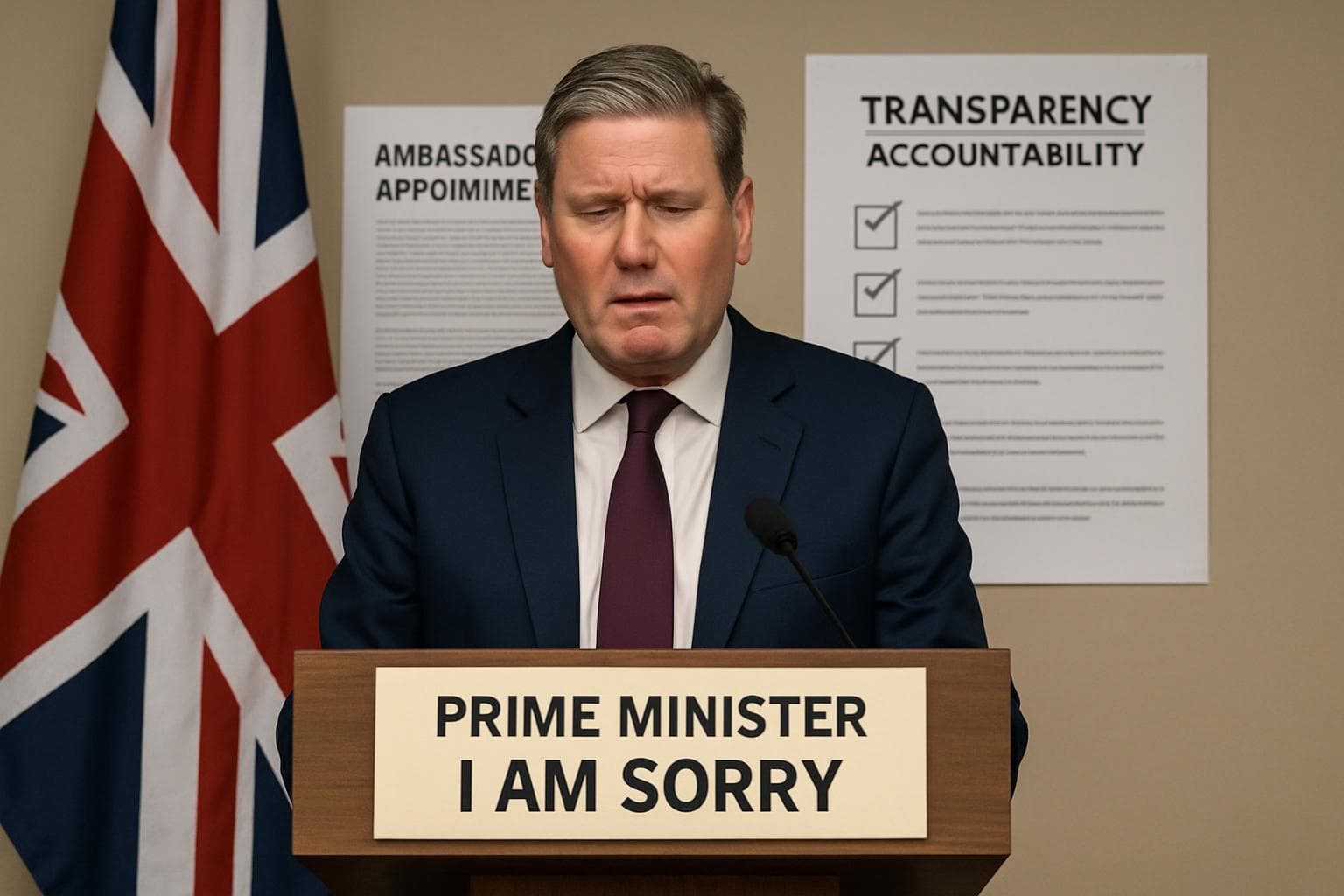
UK Prime Minister Keir Starmer has issued a public apology to the victims of Jeffrey Epstein, acknowledging his regret over appointing Peter Mandelson as the UK ambassador to the United States. The apology comes amid growing criticism and calls for Starmer's resignation, as the political fallout from the scandal continues to escalate.
Apology and Accountability
In a speech intended to address community cohesion, Starmer diverted to confront the controversy head-on. "I am sorry for what was done to you," he told Epstein's victims, expressing regret for believing Mandelson's "lies" and appointing him despite his known association with Epstein. Starmer's apology was met with praise from Epstein survivor Marina Lacerda, who commended his willingness to admit fault publicly.
Political Pressure Mounts
The prime minister's leadership is under intense scrutiny, with Conservative leader Kemi Badenoch deeming his position "untenable." The Liberal Democrats have called for a confidence vote to assess Labour MPs' support for Starmer. Internally, Labour backbenchers have pressured the government to release documents related to Mandelson's appointment, resulting in a Commons vote that mandates the release of sensitive files to Parliament's Intelligence and Security Committee.
Commitment to Transparency
Starmer has pledged to release files that he claims will demonstrate Mandelson's deceit regarding his relationship with Epstein. Initially, the government planned to withhold some documents, citing national security concerns. However, following backlash, the decision was made to allow a parliamentary committee to oversee the release, ensuring transparency and accountability.
Leadership Challenges
The scandal has prompted calls for the dismissal of Starmer's senior adviser, Morgan McSweeney, and even suggestions of Starmer's own resignation. Comparisons have been drawn to previous political scandals, with one MP likening it to "Chris Pincher on steroids." Despite the turmoil, Starmer remains committed to his vision of a fairer and more secure country, emphasizing the importance of public service and duty.
WHAT THIS MIGHT MEAN
The unfolding scandal poses significant challenges for Keir Starmer's leadership, with potential implications for the Labour Party's future. If Starmer fails to navigate the crisis effectively, it could lead to a leadership change, impacting the party's strategy and public perception. The release of documents related to Mandelson's appointment may further complicate matters, depending on their content and the public's reaction. As the situation develops, Starmer's ability to maintain party unity and restore public trust will be crucial in determining his political fate.
Related Articles

UK Faces Dilemmas Amid Iran Conflict and China Spying Allegations

Labour MP's Husband Arrested in UK-China Espionage Probe
UK-Iran Tensions: Starmer Defends Cautious Approach Amid Trump Criticism

UK Government to Reform Asylum Seeker Support and Employment Policies

Diplomatic Tensions Rise as Trump Criticizes Starmer's Iran Policy

Iran Postpones Khamenei Funeral Amid Escalating US-Israeli Strikes
Starmer Faces Political Turmoil Amid Mandelson-Epstein Scandal
In This Article
 Ethan Brooks| Published
 HIGHLIGHTS
- UK Prime Minister Keir Starmer apologizes for appointing Peter Mandelson as US ambassador amid Epstein scandal.
- Starmer faces mounting pressure from MPs and calls for resignation over his handling of the situation.
- Labour backbenchers force government to release sensitive documents related to Mandelson's appointment.
- Starmer promises transparency, pledging to release files proving Mandelson's alleged deceit.
- Epstein survivor commends Starmer's public apology, highlighting its significance.
UK Prime Minister Keir Starmer has issued a public apology to the victims of Jeffrey Epstein, acknowledging his regret over appointing Peter Mandelson as the UK ambassador to the United States. The apology comes amid growing criticism and calls for Starmer's resignation, as the political fallout from the scandal continues to escalate.
Apology and Accountability
In a speech intended to address community cohesion, Starmer diverted to confront the controversy head-on. "I am sorry for what was done to you," he told Epstein's victims, expressing regret for believing Mandelson's "lies" and appointing him despite his known association with Epstein. Starmer's apology was met with praise from Epstein survivor Marina Lacerda, who commended his willingness to admit fault publicly.
Political Pressure Mounts
The prime minister's leadership is under intense scrutiny, with Conservative leader Kemi Badenoch deeming his position "untenable." The Liberal Democrats have called for a confidence vote to assess Labour MPs' support for Starmer. Internally, Labour backbenchers have pressured the government to release documents related to Mandelson's appointment, resulting in a Commons vote that mandates the release of sensitive files to Parliament's Intelligence and Security Committee.
Commitment to Transparency
Starmer has pledged to release files that he claims will demonstrate Mandelson's deceit regarding his relationship with Epstein. Initially, the government planned to withhold some documents, citing national security concerns. However, following backlash, the decision was made to allow a parliamentary committee to oversee the release, ensuring transparency and accountability.
Leadership Challenges
The scandal has prompted calls for the dismissal of Starmer's senior adviser, Morgan McSweeney, and even suggestions of Starmer's own resignation. Comparisons have been drawn to previous political scandals, with one MP likening it to "Chris Pincher on steroids." Despite the turmoil, Starmer remains committed to his vision of a fairer and more secure country, emphasizing the importance of public service and duty.
WHAT THIS MIGHT MEAN
The unfolding scandal poses significant challenges for Keir Starmer's leadership, with potential implications for the Labour Party's future. If Starmer fails to navigate the crisis effectively, it could lead to a leadership change, impacting the party's strategy and public perception. The release of documents related to Mandelson's appointment may further complicate matters, depending on their content and the public's reaction. As the situation develops, Starmer's ability to maintain party unity and restore public trust will be crucial in determining his political fate.
Related Articles
UK Faces Dilemmas Amid Iran Conflict and China Spying Allegations
Labour MP's Husband Arrested in UK-China Espionage Probe
UK-Iran Tensions: Starmer Defends Cautious Approach Amid Trump Criticism
UK Government to Reform Asylum Seeker Support and Employment Policies
Diplomatic Tensions Rise as Trump Criticizes Starmer's Iran Policy
Iran Postpones Khamenei Funeral Amid Escalating US-Israeli Strikes