
Fisherman and Accomplice Jailed in £18.4m Cornwall Cocaine Smuggling Plot

In This Article
HIGHLIGHTS
- Peter Williams and Bobbie Pearce were sentenced for their roles in an £18.4m cocaine smuggling operation off the coast of Cornwall.
- Williams, a former community leader and fisher, received 16 years and nine months, while Pearce was sentenced to 15 years and four months.
- The operation involved a 28-mile sea chase by the UK Border Force, ending with the boat running aground on Gwynver Beach.
- The smuggling plot was linked to organized crime groups aiming to distribute cocaine across Essex and London.
- Williams' involvement stemmed from personal financial struggles and a history of drug addiction.
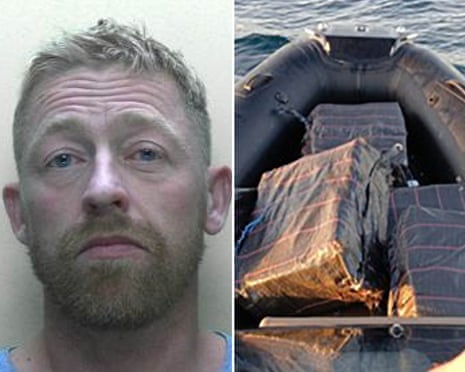
In a dramatic culmination of a high-stakes drug trafficking operation, two men have been sentenced for their involvement in an £18.4 million cocaine smuggling conspiracy off the coast of Cornwall. Peter Williams, 44, and Bobbie Pearce, 29, were handed lengthy prison terms at Truro Crown Court for their roles in the plot, which saw a drug-laden boat pursued by UK Border Force officers.
The Operation and Arrest
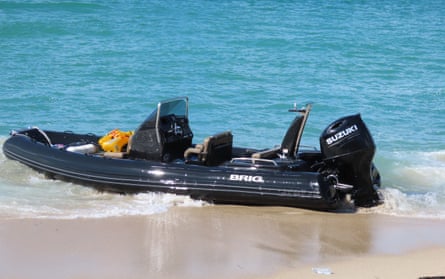
The smuggling attempt unfolded on September 13, 2024, when Williams, a respected fisher from Havant, Hampshire, captained a rigid-hulled inflatable boat (RHIB) to retrieve cocaine packages dropped into the sea by a "mother ship" from South America. The operation was thwarted when the RHIB was spotted by a UK Border Force cutter, prompting a 28-mile chase that ended with the boat running aground on Gwynver Beach near Land's End. Williams was apprehended on the beach as he attempted to flee.
Court Proceedings and Sentences
During the court proceedings, Williams admitted to his part in the conspiracy, receiving a sentence of 16 years and nine months. His co-conspirator, Pearce, a market trader from Brentwood, Essex, was sentenced to 15 years and four months. Pearce's involvement included driving from Essex to Cornwall as part of the smuggling plot. The court heard that the operation was orchestrated by organized crime groups aiming to flood Essex and London with cocaine.
Personal Struggles and Community Impact
Williams' barrister, Harry Laidlaw, highlighted his client's fall from grace, noting his previous role as a community leader and advocate for sustainable fishing. Williams' descent into the drug trade was attributed to personal hardships, including a history of drug addiction and financial difficulties exacerbated by the COVID-19 pandemic. Laidlaw described Williams as a "foot soldier" in the operation, acting under instruction without a managerial role.
Broader Implications
Judge James Adkin emphasized the international scope of the conspiracy, which involved multiple organized crime groups. The case underscores the ongoing challenges faced by law enforcement in combating sophisticated drug trafficking networks.
WHAT THIS MIGHT MEAN
The sentencing of Williams and Pearce highlights the persistent threat posed by international drug trafficking operations to the UK. As law enforcement agencies continue to dismantle such networks, the focus may shift towards identifying and prosecuting higher-level organizers within these criminal enterprises. The case also serves as a cautionary tale of how personal struggles can lead individuals to become entangled in illegal activities, emphasizing the need for community support systems to prevent such outcomes. Moving forward, the UK Border Force and other agencies are likely to enhance their surveillance and interdiction capabilities to prevent similar smuggling attempts.
Images from the Web
Related Articles

Arrest of Andrew Mountbatten-Windsor Captured in Iconic Photograph

UK Police Intensify Investigation into Andrew Mountbatten-Windsor Amid Misconduct Allegations

Prince Andrew's Arrest Raises Questions About Royal Succession and Monarchy's Future

Andrew Mountbatten-Windsor's Arrest Sparks International Calls for Justice

Nottingham Attacks Inquiry: Families Demand Accountability and Truth

Andrew Mountbatten-Windsor Arrested Amid Misconduct Allegations
Fisherman and Accomplice Jailed in £18.4m Cornwall Cocaine Smuggling Plot
In This Article
 Sofia Romano| Published
 HIGHLIGHTS
- Peter Williams and Bobbie Pearce were sentenced for their roles in an £18.4m cocaine smuggling operation off the coast of Cornwall.
- Williams, a former community leader and fisher, received 16 years and nine months, while Pearce was sentenced to 15 years and four months.
- The operation involved a 28-mile sea chase by the UK Border Force, ending with the boat running aground on Gwynver Beach.
- The smuggling plot was linked to organized crime groups aiming to distribute cocaine across Essex and London.
- Williams' involvement stemmed from personal financial struggles and a history of drug addiction.
In a dramatic culmination of a high-stakes drug trafficking operation, two men have been sentenced for their involvement in an £18.4 million cocaine smuggling conspiracy off the coast of Cornwall. Peter Williams, 44, and Bobbie Pearce, 29, were handed lengthy prison terms at Truro Crown Court for their roles in the plot, which saw a drug-laden boat pursued by UK Border Force officers.
The Operation and Arrest
The smuggling attempt unfolded on September 13, 2024, when Williams, a respected fisher from Havant, Hampshire, captained a rigid-hulled inflatable boat (RHIB) to retrieve cocaine packages dropped into the sea by a "mother ship" from South America. The operation was thwarted when the RHIB was spotted by a UK Border Force cutter, prompting a 28-mile chase that ended with the boat running aground on Gwynver Beach near Land's End. Williams was apprehended on the beach as he attempted to flee.
Court Proceedings and Sentences
During the court proceedings, Williams admitted to his part in the conspiracy, receiving a sentence of 16 years and nine months. His co-conspirator, Pearce, a market trader from Brentwood, Essex, was sentenced to 15 years and four months. Pearce's involvement included driving from Essex to Cornwall as part of the smuggling plot. The court heard that the operation was orchestrated by organized crime groups aiming to flood Essex and London with cocaine.
Personal Struggles and Community Impact
Williams' barrister, Harry Laidlaw, highlighted his client's fall from grace, noting his previous role as a community leader and advocate for sustainable fishing. Williams' descent into the drug trade was attributed to personal hardships, including a history of drug addiction and financial difficulties exacerbated by the COVID-19 pandemic. Laidlaw described Williams as a "foot soldier" in the operation, acting under instruction without a managerial role.
Broader Implications
Judge James Adkin emphasized the international scope of the conspiracy, which involved multiple organized crime groups. The case underscores the ongoing challenges faced by law enforcement in combating sophisticated drug trafficking networks.
WHAT THIS MIGHT MEAN
The sentencing of Williams and Pearce highlights the persistent threat posed by international drug trafficking operations to the UK. As law enforcement agencies continue to dismantle such networks, the focus may shift towards identifying and prosecuting higher-level organizers within these criminal enterprises. The case also serves as a cautionary tale of how personal struggles can lead individuals to become entangled in illegal activities, emphasizing the need for community support systems to prevent such outcomes. Moving forward, the UK Border Force and other agencies are likely to enhance their surveillance and interdiction capabilities to prevent similar smuggling attempts.
Images from the Web
Related Articles
Arrest of Andrew Mountbatten-Windsor Captured in Iconic Photograph
UK Police Intensify Investigation into Andrew Mountbatten-Windsor Amid Misconduct Allegations
Prince Andrew's Arrest Raises Questions About Royal Succession and Monarchy's Future
Andrew Mountbatten-Windsor's Arrest Sparks International Calls for Justice
Nottingham Attacks Inquiry: Families Demand Accountability and Truth
Andrew Mountbatten-Windsor Arrested Amid Misconduct Allegations