
Court of Appeal Upholds Low Traffic Neighbourhoods in Tower Hamlets
In This Article
HIGHLIGHTS
- The Court of Appeal ruled against Tower Hamlets Council's attempt to remove three Low Traffic Neighbourhoods (LTNs) in east London.
- Campaign group Save Our Safer Streets (Soss) successfully challenged the council's decision, citing the benefits of LTNs for local communities.
- The court found that Mayor Lutfur Rahman acted unlawfully by not considering the local implementation plan (LIP) and breaching agreements with Transport for London (TfL).
- Tower Hamlets Council plans to appeal the decision to the Supreme Court, despite previous court rulings in their favor.
- The ruling is seen as a victory for road safety and environmental campaigners, supported by London's mayor and local NHS trusts.
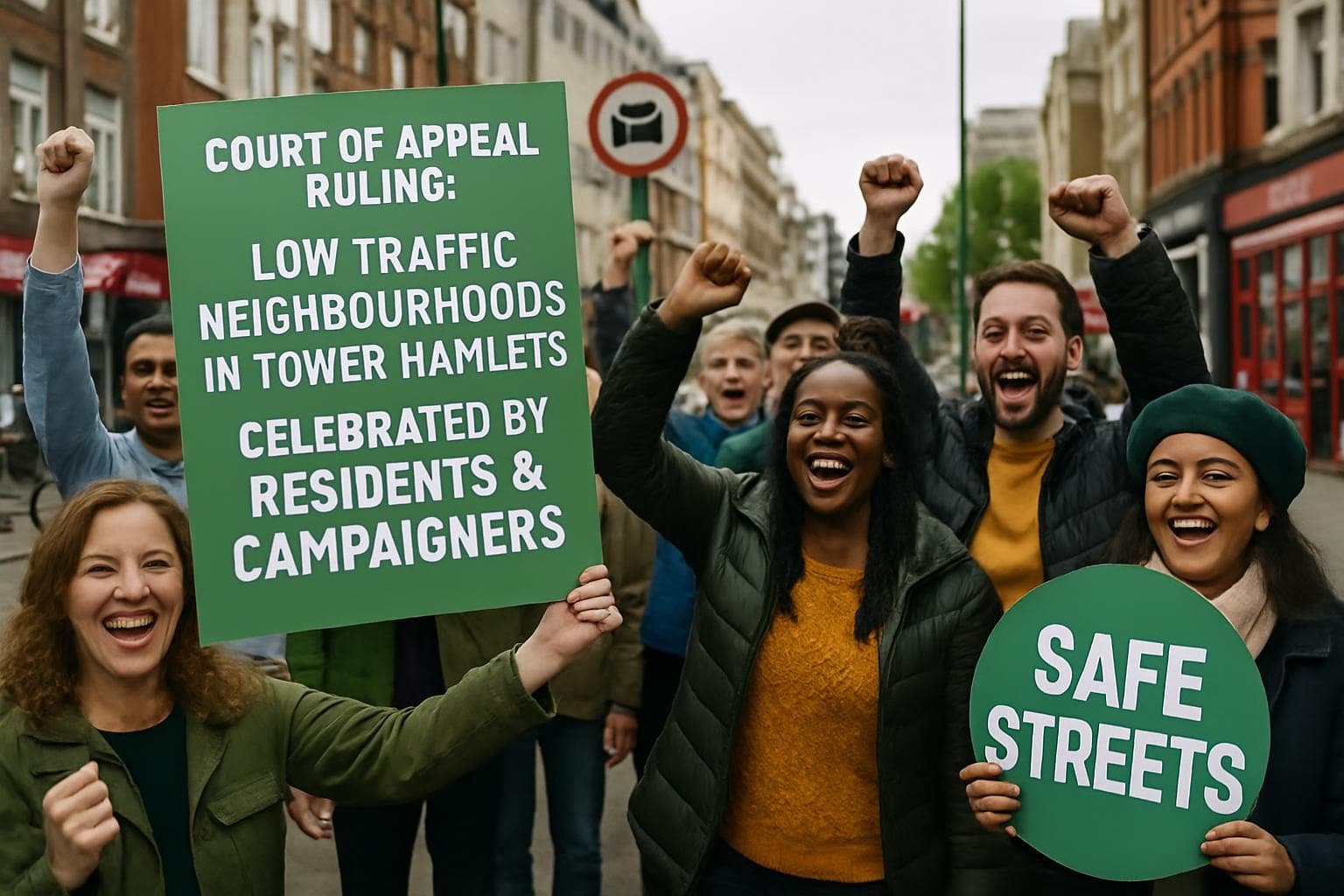
In a significant legal victory for road safety advocates, the Court of Appeal has ruled that Tower Hamlets Council acted unlawfully in its attempt to dismantle three Low Traffic Neighbourhoods (LTNs) in east London. The decision, celebrated by campaigners and local residents, underscores the importance of these schemes in promoting safer and more sustainable urban environments.
Legal Battle Over LTNs
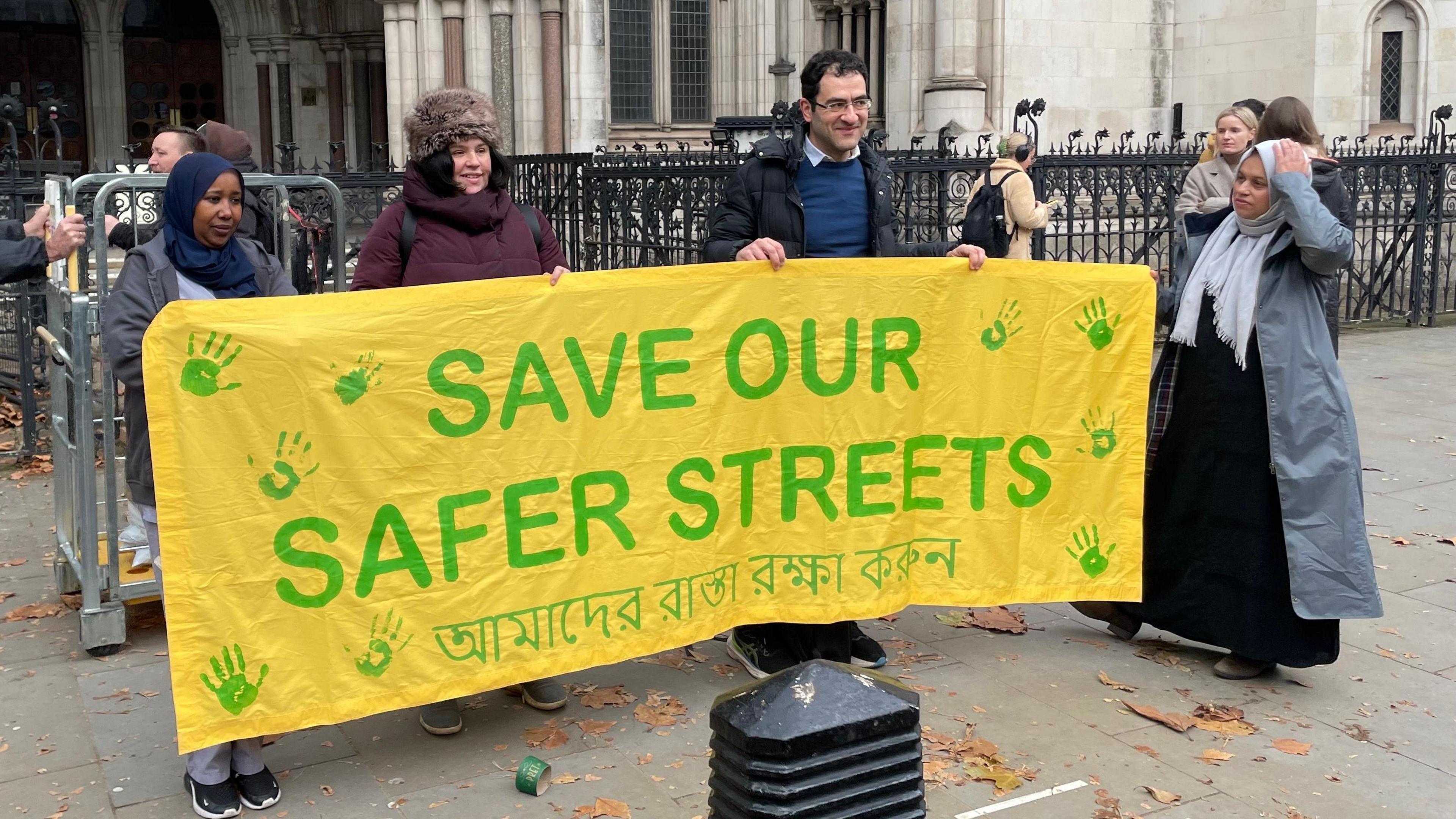
The court's ruling came after a prolonged legal battle initiated by the campaign group Save Our Safer Streets (Soss), which opposed the council's decision to remove LTNs in Columbia Road, Arnold Circus, and Old Bethnal Green Road. These measures, designed to reduce traffic and promote active travel, have been in place since 2020. The court found that Mayor Lutfur Rahman had breached the local implementation plan (LIP) duty and failed to consider agreements with Transport for London (TfL).
Community and Environmental Impact
Campaigners argue that LTNs provide essential benefits, such as reducing air pollution and enhancing road safety. Ted Maxwell of Soss emphasized the community's support, noting that "more and more people across Tower Hamlets appreciate the benefits brought by the calmer streets." The initiative has also received backing from local NHS trusts and school leaders, who highlight its role in improving public health and accessibility.
Future Legal Challenges
Despite the ruling, Tower Hamlets Council expressed disappointment and announced plans to appeal to the Supreme Court. A council spokesperson stated, "We will review the judgment, which has significant implications across London." This ongoing legal saga reflects broader debates over urban planning and transport strategies in the capital.
Support from London's Leadership
London's Mayor, Sadiq Khan, welcomed the decision, describing it as "good news for Londoners" and a step towards creating healthier, more liveable neighborhoods. A TfL spokesperson reiterated the importance of LTNs in supporting the mayor's transport strategy, which aims to reduce car journeys and promote walking and cycling.
WHAT THIS MIGHT MEAN
The Court of Appeal's decision could set a precedent for similar cases across London, potentially influencing the future of urban transport policies. If Tower Hamlets Council proceeds with its appeal to the Supreme Court, the outcome could have far-reaching implications for local governance and the implementation of traffic management schemes. Experts suggest that the ruling may encourage other boroughs to adopt or retain LTNs, aligning with broader environmental and public health goals. As the legal process unfolds, stakeholders will closely monitor the impact on London's transport strategy and community well-being.
Images from the Web
Related Articles
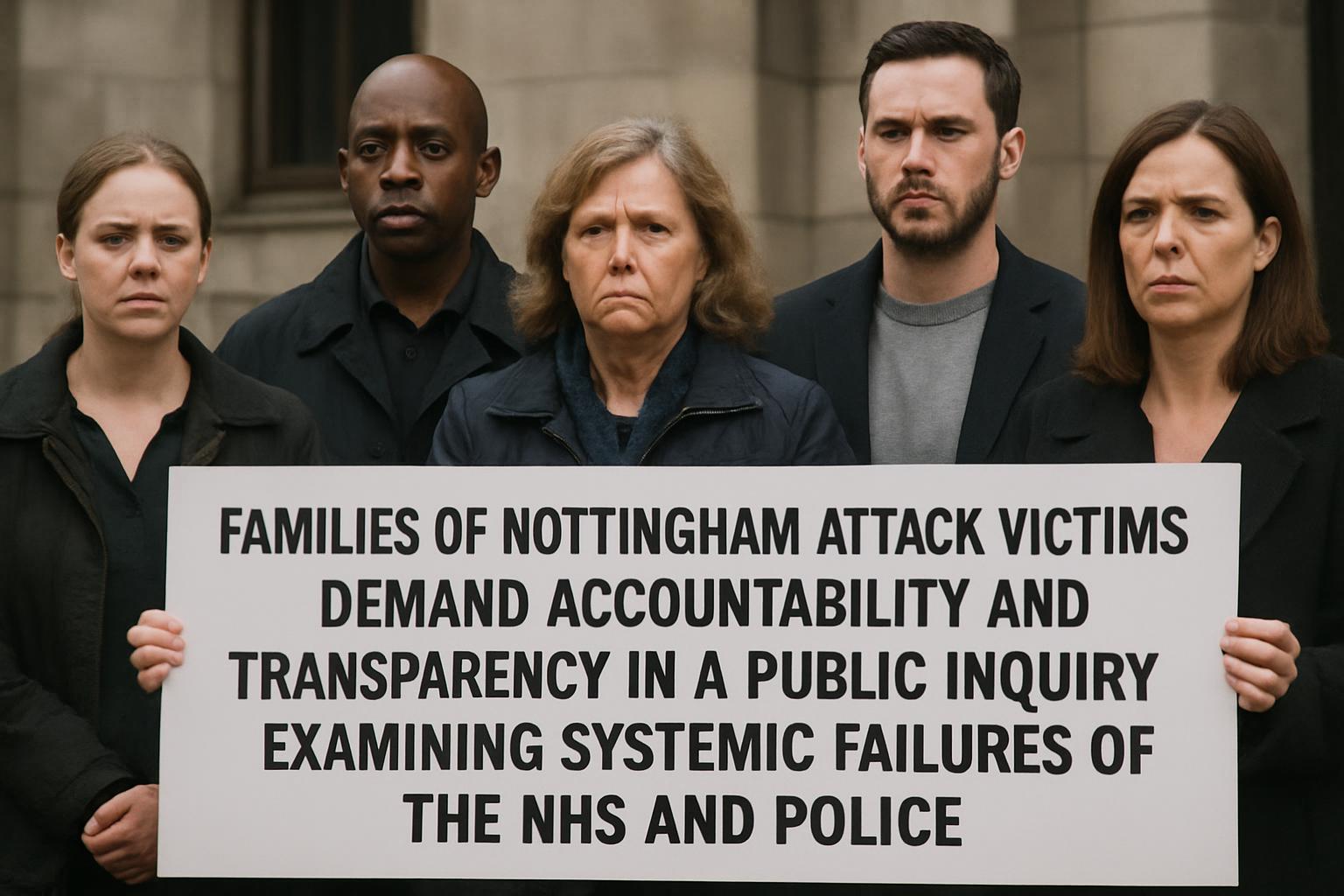
Nottingham Attacks Inquiry: Families Demand Accountability and Truth
UK Government to Reform Asylum Seeker Support and Employment Policies

Labour MP's Husband Arrested in UK-China Espionage Probe
Persistent Safety Concerns in Nottingham Maternity Services Amidst Calls for Systemic Reform

Birmingham's Proactive Approach to Measles Outbreak Offers Lessons for North London

Global Counsel Faces Collapse Amidst Epstein Scandal Fallout
Court of Appeal Upholds Low Traffic Neighbourhoods in Tower Hamlets
In This Article
 Ethan Brooks| Published
 HIGHLIGHTS
- The Court of Appeal ruled against Tower Hamlets Council's attempt to remove three Low Traffic Neighbourhoods (LTNs) in east London.
- Campaign group Save Our Safer Streets (Soss) successfully challenged the council's decision, citing the benefits of LTNs for local communities.
- The court found that Mayor Lutfur Rahman acted unlawfully by not considering the local implementation plan (LIP) and breaching agreements with Transport for London (TfL).
- Tower Hamlets Council plans to appeal the decision to the Supreme Court, despite previous court rulings in their favor.
- The ruling is seen as a victory for road safety and environmental campaigners, supported by London's mayor and local NHS trusts.
In a significant legal victory for road safety advocates, the Court of Appeal has ruled that Tower Hamlets Council acted unlawfully in its attempt to dismantle three Low Traffic Neighbourhoods (LTNs) in east London. The decision, celebrated by campaigners and local residents, underscores the importance of these schemes in promoting safer and more sustainable urban environments.
Legal Battle Over LTNs
The court's ruling came after a prolonged legal battle initiated by the campaign group Save Our Safer Streets (Soss), which opposed the council's decision to remove LTNs in Columbia Road, Arnold Circus, and Old Bethnal Green Road. These measures, designed to reduce traffic and promote active travel, have been in place since 2020. The court found that Mayor Lutfur Rahman had breached the local implementation plan (LIP) duty and failed to consider agreements with Transport for London (TfL).
Community and Environmental Impact
Campaigners argue that LTNs provide essential benefits, such as reducing air pollution and enhancing road safety. Ted Maxwell of Soss emphasized the community's support, noting that "more and more people across Tower Hamlets appreciate the benefits brought by the calmer streets." The initiative has also received backing from local NHS trusts and school leaders, who highlight its role in improving public health and accessibility.
Future Legal Challenges
Despite the ruling, Tower Hamlets Council expressed disappointment and announced plans to appeal to the Supreme Court. A council spokesperson stated, "We will review the judgment, which has significant implications across London." This ongoing legal saga reflects broader debates over urban planning and transport strategies in the capital.
Support from London's Leadership
London's Mayor, Sadiq Khan, welcomed the decision, describing it as "good news for Londoners" and a step towards creating healthier, more liveable neighborhoods. A TfL spokesperson reiterated the importance of LTNs in supporting the mayor's transport strategy, which aims to reduce car journeys and promote walking and cycling.
WHAT THIS MIGHT MEAN
The Court of Appeal's decision could set a precedent for similar cases across London, potentially influencing the future of urban transport policies. If Tower Hamlets Council proceeds with its appeal to the Supreme Court, the outcome could have far-reaching implications for local governance and the implementation of traffic management schemes. Experts suggest that the ruling may encourage other boroughs to adopt or retain LTNs, aligning with broader environmental and public health goals. As the legal process unfolds, stakeholders will closely monitor the impact on London's transport strategy and community well-being.
Images from the Web
Related Articles
Nottingham Attacks Inquiry: Families Demand Accountability and Truth
UK Government to Reform Asylum Seeker Support and Employment Policies
Labour MP's Husband Arrested in UK-China Espionage Probe
Persistent Safety Concerns in Nottingham Maternity Services Amidst Calls for Systemic Reform
Birmingham's Proactive Approach to Measles Outbreak Offers Lessons for North London
Global Counsel Faces Collapse Amidst Epstein Scandal Fallout