
Supreme Court Ruling Expands Compensation for Children Injured at Birth

In This Article
HIGHLIGHTS
- The UK Supreme Court ruled that children injured at birth can claim damages for lifetime lost earnings, aligning their rights with adults.
- The decision stems from a case involving a girl with cerebral palsy due to medical negligence at Sheffield Teaching Hospitals in 2015.
- The NHS faces increased financial liabilities, with current clinical negligence costs at £60 billion, largely due to childbirth errors.
- The ruling overturns a 1981 precedent, allowing children to claim 'lost years' damages for the first time.
- The girl's family may receive an additional £800,000 in compensation, pending further court decisions.
In a landmark decision, the UK Supreme Court has ruled that children who suffer catastrophic injuries at birth due to medical negligence are entitled to claim damages for the lifetime earnings they would have accrued. This ruling aligns the rights of injured children with those of adults, addressing what has been described as a "historic injustice."
Case Background and Legal Context
The case at the heart of this ruling involves a girl, known only as CCC, who was born in 2015 at Sheffield Teaching Hospitals NHS Foundation Trust. During labor, her abnormal heartbeat was not acted upon, resulting in severe oxygen deprivation and a subsequent diagnosis of cerebral palsy. The Trust admitted to failures in her care, and in 2023, the High Court awarded her family a lump sum of £6.8 million, plus annual payments for her care needs.
Implications for the NHS
The Supreme Court's decision is expected to significantly increase the financial burden on the NHS, which already faces £60 billion in clinical negligence liabilities. A substantial portion of these costs is attributed to errors during childbirth. The ruling allows children to claim 'lost years' damages, which were previously unavailable due to a 1981 legal precedent.
Legal and Personal Reactions
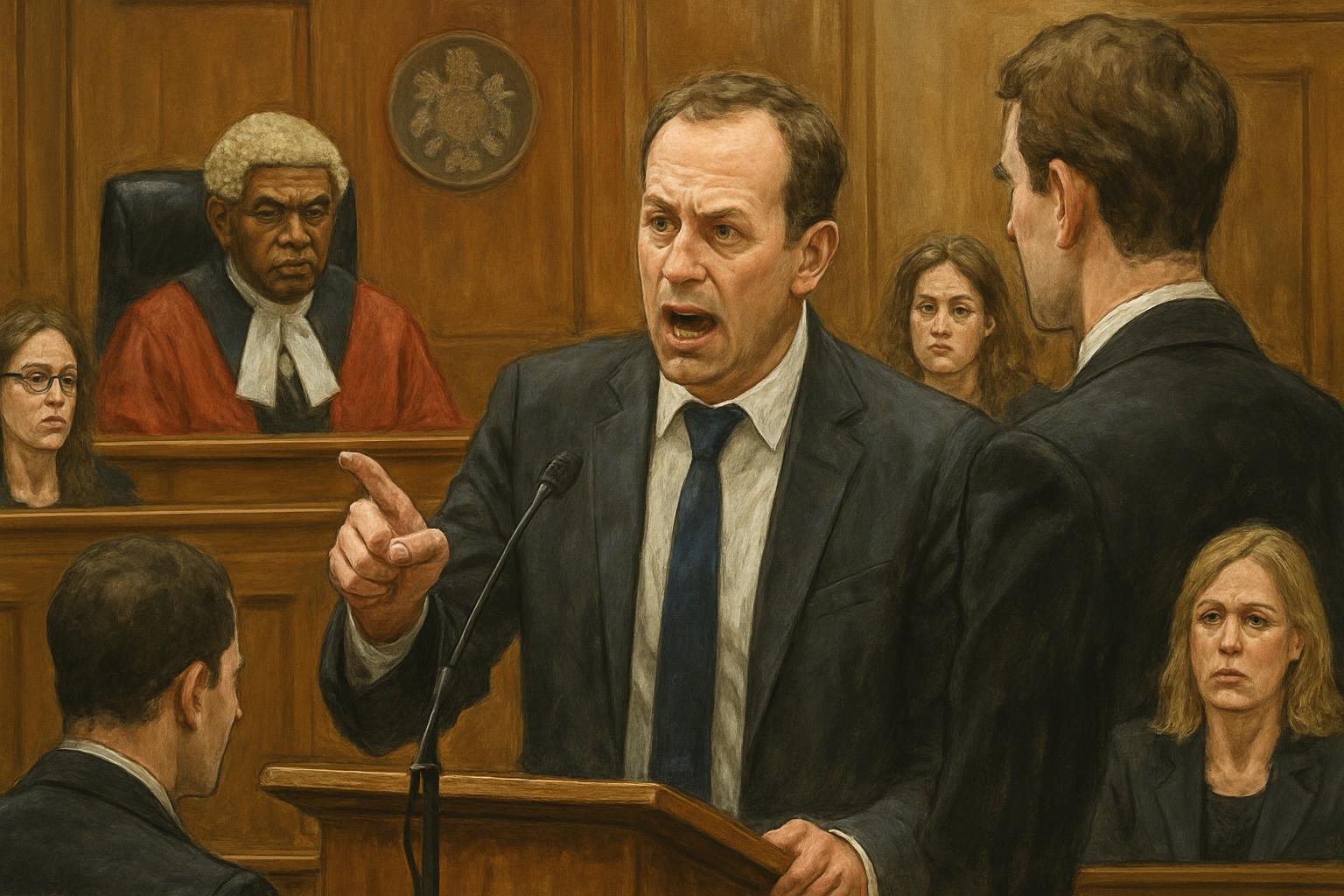
James Drydale, the family's lawyer, hailed the ruling as a correction of a long-standing legal oversight. "This ruling will make childbirth negligence cases more expensive for the NHS to settle," he stated. The girl's mother expressed relief, noting that her daughter's case could help other children similarly affected by medical negligence.
Future Compensation
The High Court will now determine the additional compensation due to CCC's family, potentially exceeding £800,000. This figure represents the earnings and pension she would have received had she not been injured, based on average UK earnings and life expectancy.
WHAT THIS MIGHT MEAN
The Supreme Court's decision could lead to a surge in claims from families of children injured at birth, potentially increasing the NHS's financial liabilities. Legal experts suggest this may prompt the NHS to adopt more robust risk management and mediation strategies to prevent costly litigation. Additionally, the ruling may influence future legal standards and compensation frameworks, ensuring equitable treatment for all victims of medical negligence. As the NHS grapples with these changes, the focus may shift towards improving patient safety and reducing the incidence of childbirth-related injuries.
Related Articles

UK Government to Reform Asylum Seeker Support and Employment Policies
Persistent Safety Concerns in Nottingham Maternity Services Amidst Calls for Systemic Reform
Nottingham Attacks Inquiry: Families Demand Accountability and Truth
Birmingham's Proactive Approach to Measles Outbreak Offers Lessons for North London
NHS Faces Joint Surgery Delays Amid Bone Cement Shortage
Allegations of Unlawful Reporting Methods in Stephen Lawrence Case Denied by Ex-Daily Mail Reporter
Supreme Court Ruling Expands Compensation for Children Injured at Birth
In This Article
 Ethan Brooks| Published
 HIGHLIGHTS
- The UK Supreme Court ruled that children injured at birth can claim damages for lifetime lost earnings, aligning their rights with adults.
- The decision stems from a case involving a girl with cerebral palsy due to medical negligence at Sheffield Teaching Hospitals in 2015.
- The NHS faces increased financial liabilities, with current clinical negligence costs at £60 billion, largely due to childbirth errors.
- The ruling overturns a 1981 precedent, allowing children to claim 'lost years' damages for the first time.
- The girl's family may receive an additional £800,000 in compensation, pending further court decisions.
In a landmark decision, the UK Supreme Court has ruled that children who suffer catastrophic injuries at birth due to medical negligence are entitled to claim damages for the lifetime earnings they would have accrued. This ruling aligns the rights of injured children with those of adults, addressing what has been described as a "historic injustice."
Case Background and Legal Context
The case at the heart of this ruling involves a girl, known only as CCC, who was born in 2015 at Sheffield Teaching Hospitals NHS Foundation Trust. During labor, her abnormal heartbeat was not acted upon, resulting in severe oxygen deprivation and a subsequent diagnosis of cerebral palsy. The Trust admitted to failures in her care, and in 2023, the High Court awarded her family a lump sum of £6.8 million, plus annual payments for her care needs.
Implications for the NHS
The Supreme Court's decision is expected to significantly increase the financial burden on the NHS, which already faces £60 billion in clinical negligence liabilities. A substantial portion of these costs is attributed to errors during childbirth. The ruling allows children to claim 'lost years' damages, which were previously unavailable due to a 1981 legal precedent.
Legal and Personal Reactions
James Drydale, the family's lawyer, hailed the ruling as a correction of a long-standing legal oversight. "This ruling will make childbirth negligence cases more expensive for the NHS to settle," he stated. The girl's mother expressed relief, noting that her daughter's case could help other children similarly affected by medical negligence.
Future Compensation
The High Court will now determine the additional compensation due to CCC's family, potentially exceeding £800,000. This figure represents the earnings and pension she would have received had she not been injured, based on average UK earnings and life expectancy.
WHAT THIS MIGHT MEAN
The Supreme Court's decision could lead to a surge in claims from families of children injured at birth, potentially increasing the NHS's financial liabilities. Legal experts suggest this may prompt the NHS to adopt more robust risk management and mediation strategies to prevent costly litigation. Additionally, the ruling may influence future legal standards and compensation frameworks, ensuring equitable treatment for all victims of medical negligence. As the NHS grapples with these changes, the focus may shift towards improving patient safety and reducing the incidence of childbirth-related injuries.
Related Articles
UK Government to Reform Asylum Seeker Support and Employment Policies
Persistent Safety Concerns in Nottingham Maternity Services Amidst Calls for Systemic Reform
Nottingham Attacks Inquiry: Families Demand Accountability and Truth
Birmingham's Proactive Approach to Measles Outbreak Offers Lessons for North London
NHS Faces Joint Surgery Delays Amid Bone Cement Shortage
Allegations of Unlawful Reporting Methods in Stephen Lawrence Case Denied by Ex-Daily Mail Reporter