
Allegations of Unlawful Reporting Methods in Stephen Lawrence Case Denied by Ex-Daily Mail Reporter
In This Article
HIGHLIGHTS
- Former Daily Mail reporter Stephen Wright denies allegations of using unlawful methods to gather information on the Stephen Lawrence murder case.
- Baroness Doreen Lawrence, along with other high-profile figures, is suing Associated Newspapers Limited for privacy breaches, including phone hacking.
- Wright claims accusations against him are "absolute cobblers" and has expressed devastation over the allegations.
- The case involves claims of phone tapping and "blagging" over a 20-year period, which ANL strongly denies.
- The High Court has heard conflicting testimonies regarding the use of private investigators in the case.
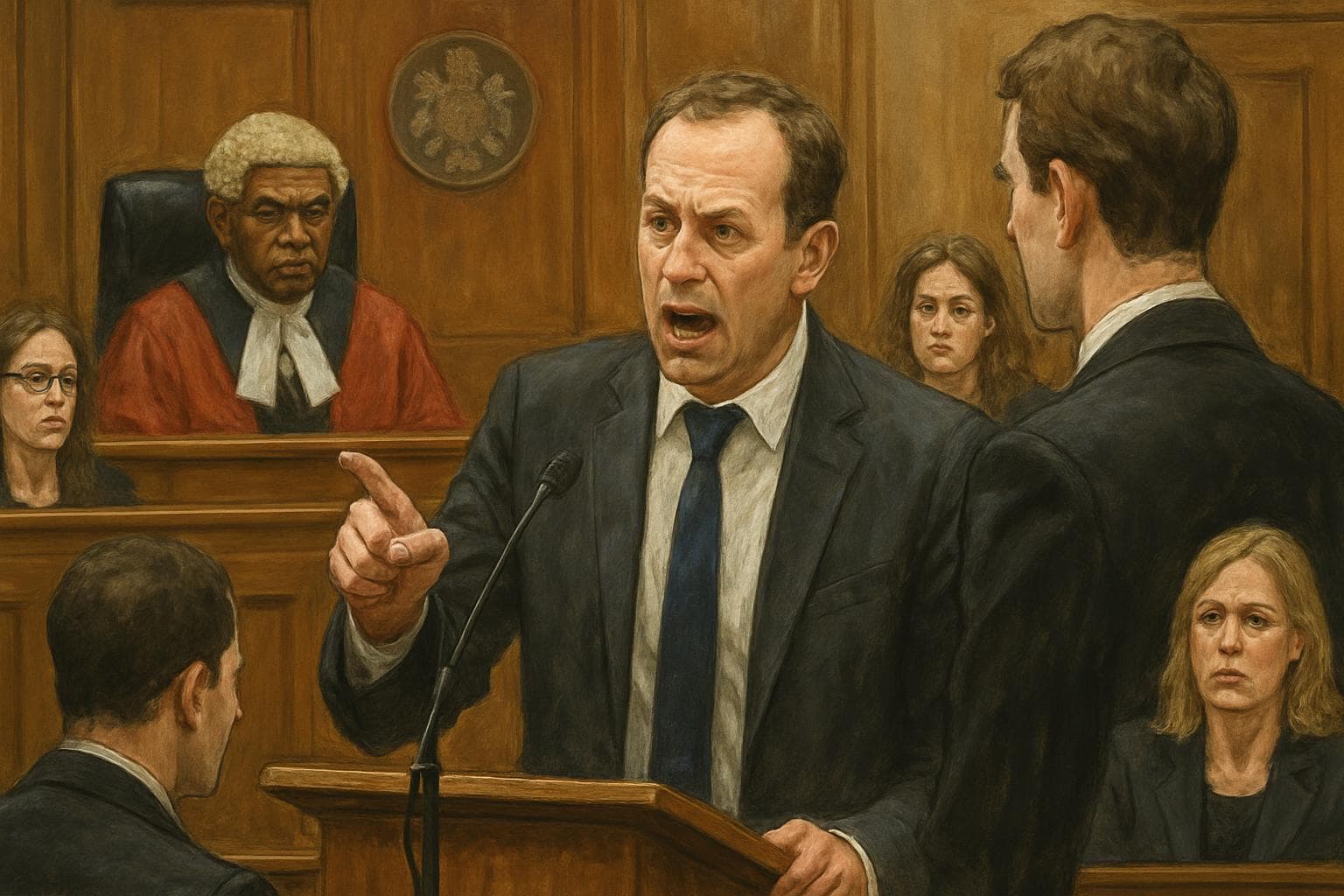
In a high-profile privacy lawsuit, former Daily Mail reporter Stephen Wright has vehemently denied allegations that he employed unlawful methods to obtain information about the Stephen Lawrence murder case. Wright, who played a significant role in the newspaper's campaign for justice following the racially motivated murder of 18-year-old Stephen Lawrence in 1993, described the claims as "absolute cobblers" and "the most despicable allegations it is possible to put to any journalist."
The legal action, spearheaded by Baroness Doreen Lawrence, Stephen's mother, accuses Associated Newspapers Limited (ANL), the publisher of the Daily Mail, of grave privacy breaches, including phone hacking and the use of deception to gather information. These allegations are part of a broader lawsuit involving other high-profile figures such as Prince Harry and Sir Elton John. ANL has categorically denied all accusations.
Courtroom Drama and Testimonies
During a combative session at the High Court, Wright refuted claims that he ordered private investigators to deceive Baroness Lawrence. He expressed his devastation upon learning of the allegations, stating, "When I first learned of Lady Lawrence’s allegations against me, I was completely devastated." Wright emphasized his respect for Baroness Lawrence, asserting that he never engaged in or instructed others to engage in illegal activities such as phone tapping or "blagging."
The court was presented with a recording of private investigator Christine Hart, who claimed she "100% blagged" information from Lawrence on Wright's orders. However, ANL's submissions noted that Hart has since denied any illegal conduct on behalf of the publisher's journalists. Wright maintained that while he was aware of Hart, he never utilized her services for such purposes.
Legal Context and Historical Background
The Stephen Lawrence case has been a pivotal moment in British legal history, highlighting institutional racism within the Metropolitan Police. Stephen was murdered in 1993 while waiting at a bus stop in Eltham, south-east London. The subsequent police investigation was widely criticized, leading to a landmark public inquiry in 1999. Although two men were convicted of his murder in 2012, other suspects remain unconvicted.
Baroness Lawrence's lawsuit is part of a broader effort to address alleged privacy violations by media organizations. The case has brought to light the ethical challenges faced by journalists and the potential misuse of private investigators in journalism.
WHAT THIS MIGHT MEAN
The ongoing legal battle could have significant implications for journalistic practices and privacy laws in the UK. If the court rules in favor of Baroness Lawrence and other claimants, it may lead to stricter regulations on media organizations and their investigative methods. Additionally, the case could prompt a reevaluation of journalistic ethics, particularly concerning the use of private investigators.
Experts suggest that a ruling against ANL could encourage other individuals to come forward with similar allegations, potentially leading to further legal actions against media outlets. The outcome of this case may also influence public perception of journalistic integrity and the balance between press freedom and individual privacy rights.
Related Articles

Paul Dacre Denies "Preposterous" Hacking Allegations in High-Profile Privacy Case
Former Daily Mail Editor Denies Knowledge of Unlawful Newsgathering in Privacy Trial
Noel Clarke Arrested Over 2007 Attempted Rape Allegation

Labour MP's Husband Arrested in UK-China Espionage Probe
Prince Andrew's Ties to Epstein Under Scrutiny Amid Calls for Inquiry
Supreme Court Ruling Expands Compensation for Children Injured at Birth
Allegations of Unlawful Reporting Methods in Stephen Lawrence Case Denied by Ex-Daily Mail Reporter
In This Article
 Ethan Brooks| Published
 HIGHLIGHTS
- Former Daily Mail reporter Stephen Wright denies allegations of using unlawful methods to gather information on the Stephen Lawrence murder case.
- Baroness Doreen Lawrence, along with other high-profile figures, is suing Associated Newspapers Limited for privacy breaches, including phone hacking.
- Wright claims accusations against him are "absolute cobblers" and has expressed devastation over the allegations.
- The case involves claims of phone tapping and "blagging" over a 20-year period, which ANL strongly denies.
- The High Court has heard conflicting testimonies regarding the use of private investigators in the case.
In a high-profile privacy lawsuit, former Daily Mail reporter Stephen Wright has vehemently denied allegations that he employed unlawful methods to obtain information about the Stephen Lawrence murder case. Wright, who played a significant role in the newspaper's campaign for justice following the racially motivated murder of 18-year-old Stephen Lawrence in 1993, described the claims as "absolute cobblers" and "the most despicable allegations it is possible to put to any journalist."
The legal action, spearheaded by Baroness Doreen Lawrence, Stephen's mother, accuses Associated Newspapers Limited (ANL), the publisher of the Daily Mail, of grave privacy breaches, including phone hacking and the use of deception to gather information. These allegations are part of a broader lawsuit involving other high-profile figures such as Prince Harry and Sir Elton John. ANL has categorically denied all accusations.
Courtroom Drama and Testimonies
During a combative session at the High Court, Wright refuted claims that he ordered private investigators to deceive Baroness Lawrence. He expressed his devastation upon learning of the allegations, stating, "When I first learned of Lady Lawrence’s allegations against me, I was completely devastated." Wright emphasized his respect for Baroness Lawrence, asserting that he never engaged in or instructed others to engage in illegal activities such as phone tapping or "blagging."
The court was presented with a recording of private investigator Christine Hart, who claimed she "100% blagged" information from Lawrence on Wright's orders. However, ANL's submissions noted that Hart has since denied any illegal conduct on behalf of the publisher's journalists. Wright maintained that while he was aware of Hart, he never utilized her services for such purposes.
Legal Context and Historical Background
The Stephen Lawrence case has been a pivotal moment in British legal history, highlighting institutional racism within the Metropolitan Police. Stephen was murdered in 1993 while waiting at a bus stop in Eltham, south-east London. The subsequent police investigation was widely criticized, leading to a landmark public inquiry in 1999. Although two men were convicted of his murder in 2012, other suspects remain unconvicted.
Baroness Lawrence's lawsuit is part of a broader effort to address alleged privacy violations by media organizations. The case has brought to light the ethical challenges faced by journalists and the potential misuse of private investigators in journalism.
WHAT THIS MIGHT MEAN
The ongoing legal battle could have significant implications for journalistic practices and privacy laws in the UK. If the court rules in favor of Baroness Lawrence and other claimants, it may lead to stricter regulations on media organizations and their investigative methods. Additionally, the case could prompt a reevaluation of journalistic ethics, particularly concerning the use of private investigators.
Experts suggest that a ruling against ANL could encourage other individuals to come forward with similar allegations, potentially leading to further legal actions against media outlets. The outcome of this case may also influence public perception of journalistic integrity and the balance between press freedom and individual privacy rights.
Related Articles
Paul Dacre Denies "Preposterous" Hacking Allegations in High-Profile Privacy Case
Former Daily Mail Editor Denies Knowledge of Unlawful Newsgathering in Privacy Trial
Noel Clarke Arrested Over 2007 Attempted Rape Allegation
Labour MP's Husband Arrested in UK-China Espionage Probe
Prince Andrew's Ties to Epstein Under Scrutiny Amid Calls for Inquiry
Supreme Court Ruling Expands Compensation for Children Injured at Birth