
Paul Dacre Denies "Preposterous" Hacking Allegations in High-Profile Privacy Case

In This Article
HIGHLIGHTS
- Paul Dacre, former Daily Mail editor, refutes allegations of unlawful newsgathering, calling them "preposterous."
- Seven claimants, including Prince Harry and Doreen Lawrence, accuse Associated Newspapers Limited of privacy breaches.
- Dacre expressed personal hurt over claims related to the Daily Mail's campaign for justice in Stephen Lawrence's murder case.
- The allegations include bugging, phone tapping, and document "blagging," all denied by Associated Newspapers.
- Dacre's testimony highlighted his past efforts to ensure ethical journalism during his 26-year tenure.
In a high-stakes legal battle, Paul Dacre, the former editor of the Daily Mail, has vehemently denied allegations of unlawful information gathering during his tenure. Speaking at the High Court, Dacre described the claims as "preposterous" and expressed deep personal anguish over accusations that his journalists targeted Doreen Lawrence, the mother of murdered teenager Stephen Lawrence.
Allegations of Privacy Breaches
The lawsuit, brought by seven high-profile claimants including Prince Harry, Sir Elton John, and Doreen Lawrence, accuses Associated Newspapers Limited (ANL) of grave privacy violations. The allegations involve bugging, phone tapping, and the "blagging" of documents. ANL, the publisher of the Daily Mail and Mail on Sunday, has denied all charges.
Doreen Lawrence, who has long been supported by the Daily Mail in her quest for justice for her son, claims she was subjected to hidden surveillance and phone tapping. In court, she expressed feeling "taken for a fool" by the newspaper's publisher.
Dacre's Defense and Emotional Testimony
Dacre, who edited the Daily Mail from 1992 to 2018, defended his legacy, stating that the claims were "bitterly wounding." He emphasized the newspaper's 15-year campaign to bring Stephen Lawrence's killers to justice as one of his proudest achievements. "My heart bleeds for Doreen Lawrence," Dacre said, while maintaining that the allegations were inconceivable.
During his testimony, Dacre recounted his efforts to uphold journalistic standards, recalling how he would challenge stories that seemed ethically questionable. He described his editorial approach as one that prioritized ethical integrity and transparency.
Legal Context and Historical Background
The case has drawn parallels to the Leveson Inquiry into press standards, where Dacre previously defended the actions of Associated Newspapers. The inquiry scrutinized the use of private investigators by newspapers, a practice Dacre claims he curtailed in 2007.
The courtroom atmosphere was tense, with Dacre facing pointed questions from David Sherborne, the barrister representing the claimants. Sherborne suggested that Dacre's memory might be selective, a claim Dacre dismissed as unfounded.
WHAT THIS MIGHT MEAN
As the case unfolds, the implications for media ethics and privacy laws are significant. A ruling against Associated Newspapers could lead to stricter regulations on journalistic practices and heightened scrutiny of media organizations. Experts suggest that the outcome may influence future legal battles involving privacy breaches and press freedom.
The case also highlights the ongoing tension between public interest journalism and individual privacy rights. As the court deliberates, media organizations worldwide will be watching closely, aware that the verdict could set a precedent for how privacy violations are addressed in the digital age.
Related Articles
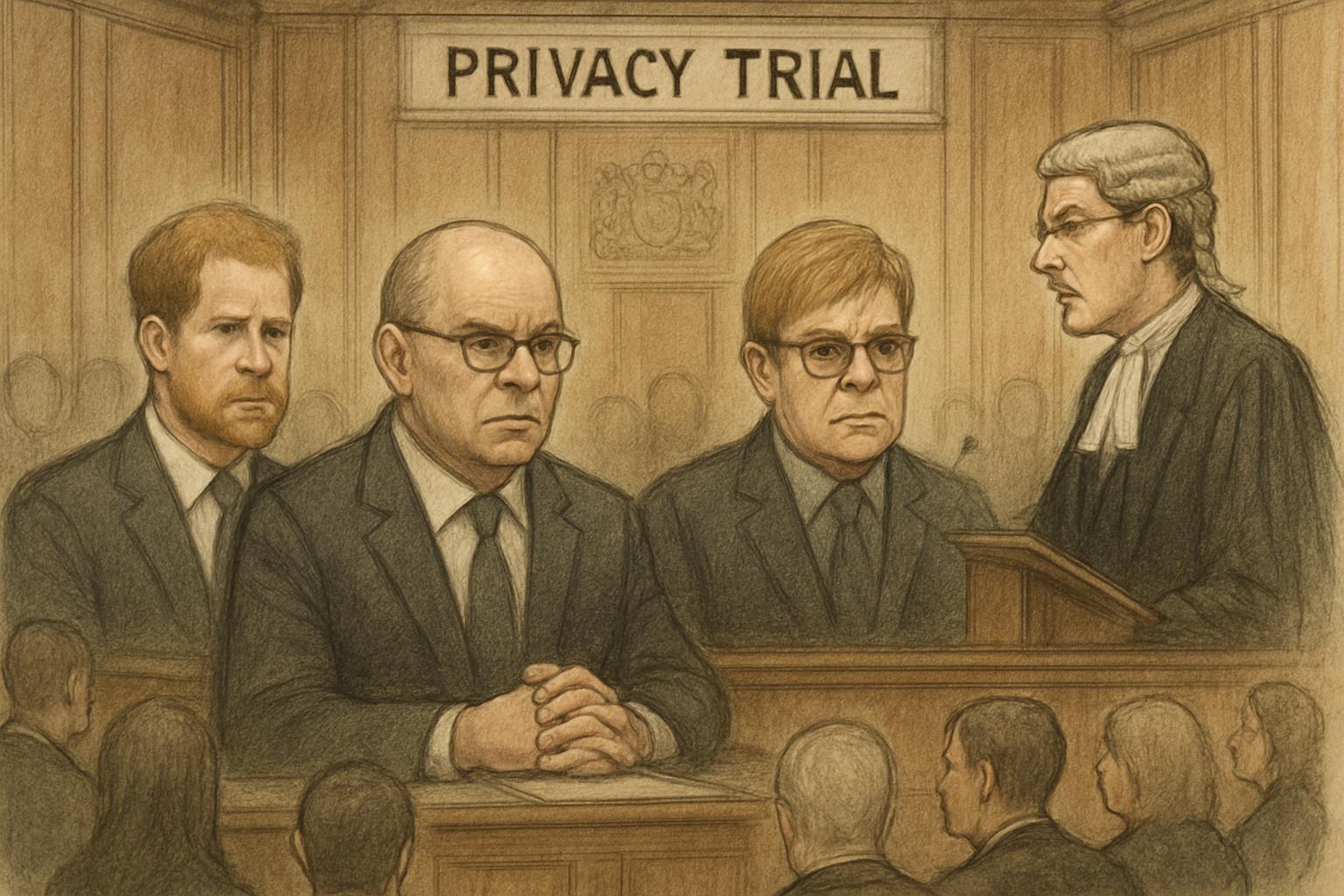
Former Daily Mail Editor Denies Knowledge of Unlawful Newsgathering in Privacy Trial
US Investigator Admits to Privacy Breaches for UK Tabloids in High-Profile Legal Case
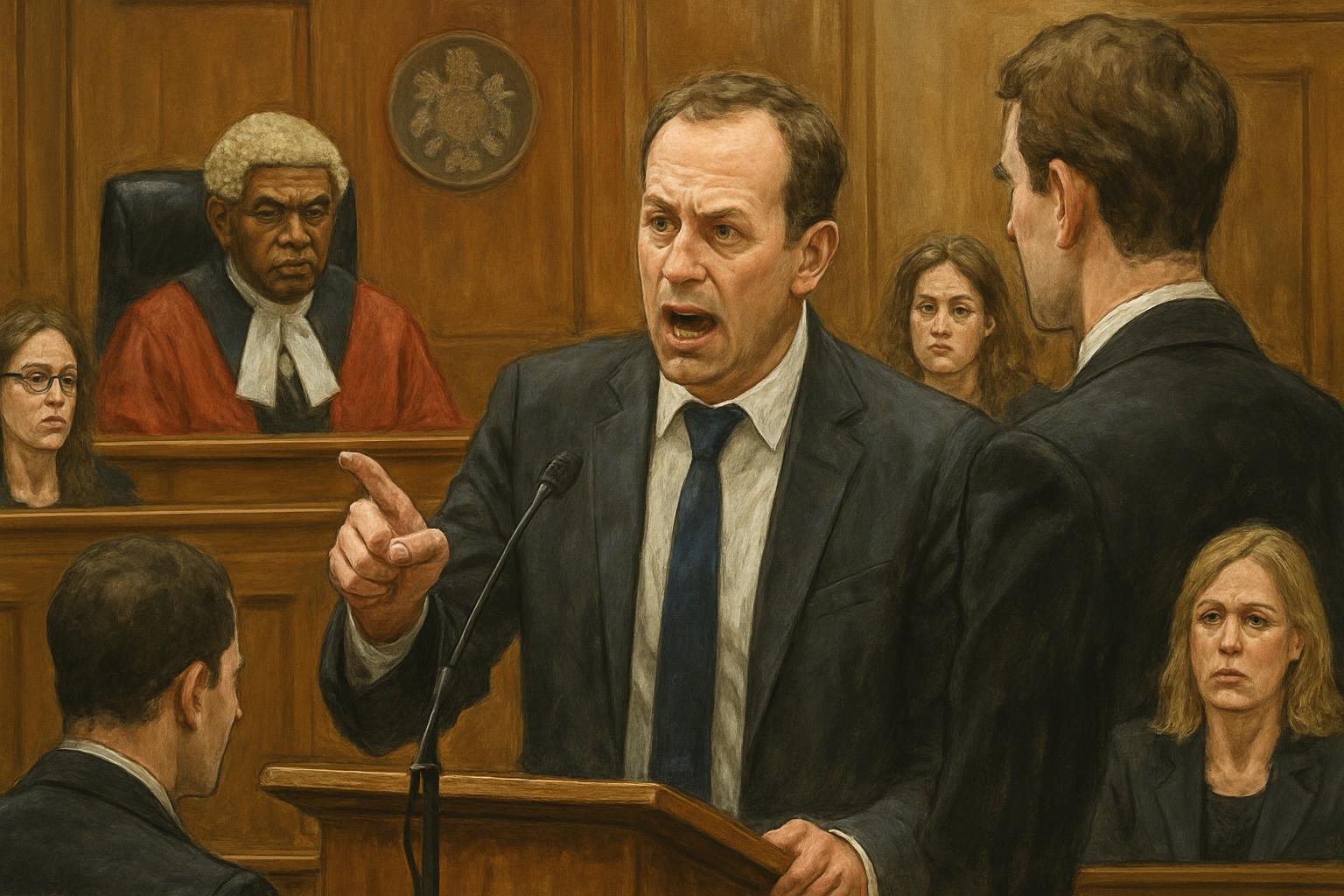
Allegations of Unlawful Reporting Methods in Stephen Lawrence Case Denied by Ex-Daily Mail Reporter
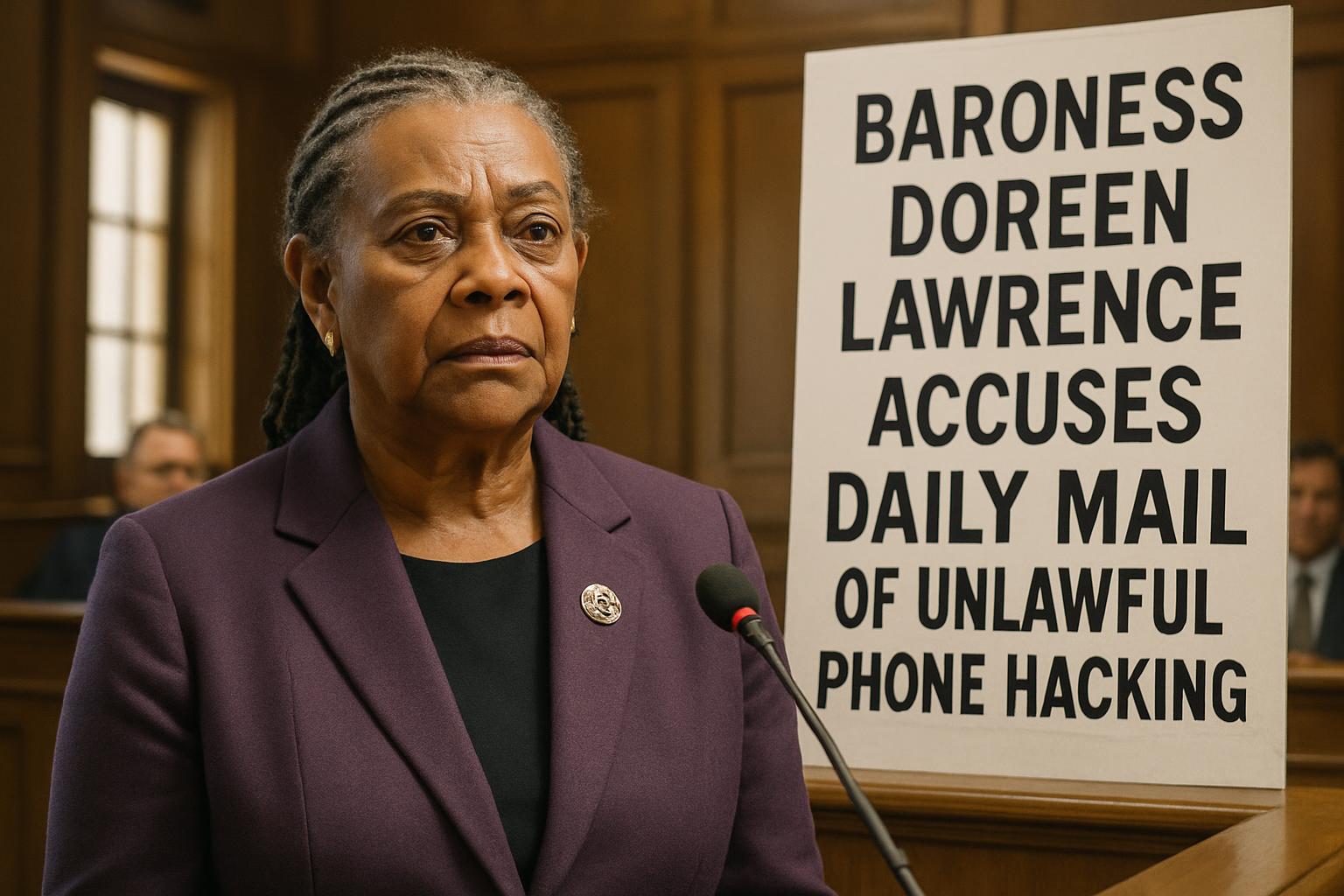
Baroness Doreen Lawrence Accuses Daily Mail of Phone Hacking in High-Profile Privacy Case
Elton John and David Furnish Accuse Daily Mail of Privacy Violations in High-Profile Lawsuit
Supreme Court Ruling Expands Compensation for Children Injured at Birth
Paul Dacre Denies "Preposterous" Hacking Allegations in High-Profile Privacy Case
In This Article
 Ethan Brooks| Published
 HIGHLIGHTS
- Paul Dacre, former Daily Mail editor, refutes allegations of unlawful newsgathering, calling them "preposterous."
- Seven claimants, including Prince Harry and Doreen Lawrence, accuse Associated Newspapers Limited of privacy breaches.
- Dacre expressed personal hurt over claims related to the Daily Mail's campaign for justice in Stephen Lawrence's murder case.
- The allegations include bugging, phone tapping, and document "blagging," all denied by Associated Newspapers.
- Dacre's testimony highlighted his past efforts to ensure ethical journalism during his 26-year tenure.
In a high-stakes legal battle, Paul Dacre, the former editor of the Daily Mail, has vehemently denied allegations of unlawful information gathering during his tenure. Speaking at the High Court, Dacre described the claims as "preposterous" and expressed deep personal anguish over accusations that his journalists targeted Doreen Lawrence, the mother of murdered teenager Stephen Lawrence.
Allegations of Privacy Breaches
The lawsuit, brought by seven high-profile claimants including Prince Harry, Sir Elton John, and Doreen Lawrence, accuses Associated Newspapers Limited (ANL) of grave privacy violations. The allegations involve bugging, phone tapping, and the "blagging" of documents. ANL, the publisher of the Daily Mail and Mail on Sunday, has denied all charges.
Doreen Lawrence, who has long been supported by the Daily Mail in her quest for justice for her son, claims she was subjected to hidden surveillance and phone tapping. In court, she expressed feeling "taken for a fool" by the newspaper's publisher.
Dacre's Defense and Emotional Testimony
Dacre, who edited the Daily Mail from 1992 to 2018, defended his legacy, stating that the claims were "bitterly wounding." He emphasized the newspaper's 15-year campaign to bring Stephen Lawrence's killers to justice as one of his proudest achievements. "My heart bleeds for Doreen Lawrence," Dacre said, while maintaining that the allegations were inconceivable.
During his testimony, Dacre recounted his efforts to uphold journalistic standards, recalling how he would challenge stories that seemed ethically questionable. He described his editorial approach as one that prioritized ethical integrity and transparency.
Legal Context and Historical Background
The case has drawn parallels to the Leveson Inquiry into press standards, where Dacre previously defended the actions of Associated Newspapers. The inquiry scrutinized the use of private investigators by newspapers, a practice Dacre claims he curtailed in 2007.
The courtroom atmosphere was tense, with Dacre facing pointed questions from David Sherborne, the barrister representing the claimants. Sherborne suggested that Dacre's memory might be selective, a claim Dacre dismissed as unfounded.
WHAT THIS MIGHT MEAN
As the case unfolds, the implications for media ethics and privacy laws are significant. A ruling against Associated Newspapers could lead to stricter regulations on journalistic practices and heightened scrutiny of media organizations. Experts suggest that the outcome may influence future legal battles involving privacy breaches and press freedom.
The case also highlights the ongoing tension between public interest journalism and individual privacy rights. As the court deliberates, media organizations worldwide will be watching closely, aware that the verdict could set a precedent for how privacy violations are addressed in the digital age.
Related Articles
Former Daily Mail Editor Denies Knowledge of Unlawful Newsgathering in Privacy Trial
US Investigator Admits to Privacy Breaches for UK Tabloids in High-Profile Legal Case
Allegations of Unlawful Reporting Methods in Stephen Lawrence Case Denied by Ex-Daily Mail Reporter
Baroness Doreen Lawrence Accuses Daily Mail of Phone Hacking in High-Profile Privacy Case
Elton John and David Furnish Accuse Daily Mail of Privacy Violations in High-Profile Lawsuit
Supreme Court Ruling Expands Compensation for Children Injured at Birth