
Former Daily Mail Editor Denies Knowledge of Unlawful Newsgathering in Privacy Trial
In This Article
HIGHLIGHTS
- Paul Dacre, former Daily Mail editor, testified in a privacy trial involving allegations against Associated Newspapers Limited (ANL).
- Dacre claimed he halted unlawful newsgathering practices at the Daily Mail upon discovering them.
- Private investigator Steve Whittamore, convicted in 2005, continued working for ANL until 2007, providing illegally obtained information.
- Seven claimants, including Prince Harry, are suing ANL for alleged privacy breaches, which the publisher denies.
- The trial revisits past inquiries, including the Leveson Inquiry, into press standards and the use of private investigators.
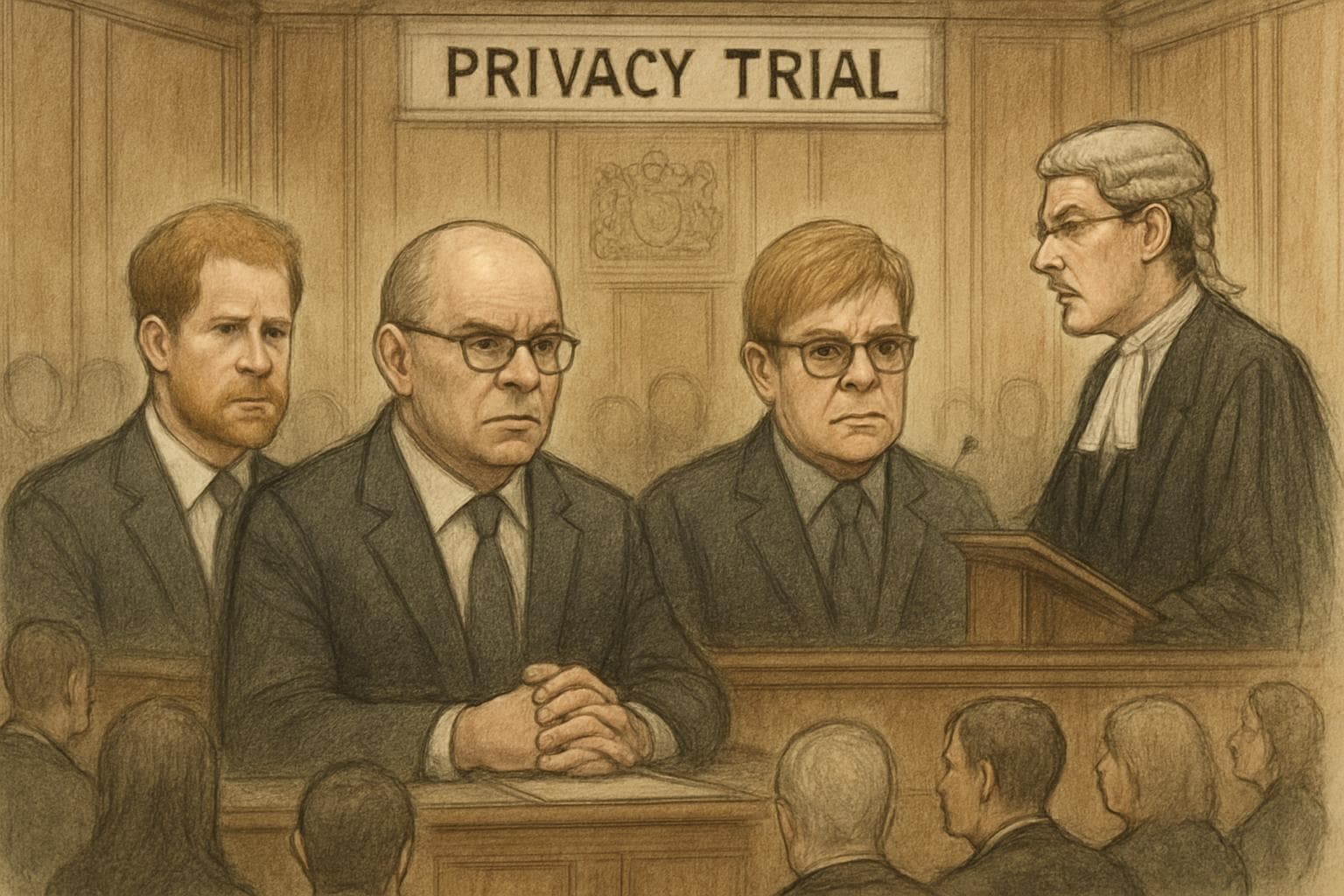
In a high-profile privacy trial, former Daily Mail editor Paul Dacre testified that he ceased the use of private investigators for unlawful newsgathering at the newspaper once he became aware of such practices. The trial, which involves seven claimants including Prince Harry and Sir Elton John, accuses Associated Newspapers Limited (ANL) of "grave breaches of privacy."
Allegations and Testimonies
During his testimony at the Royal Courts of Justice, Dacre acknowledged that private investigators, notably Steve Whittamore, may have employed illegal techniques while working for ANL. Whittamore, who was convicted in 2005 for data protection breaches, continued to provide services to the Daily Mail and Mail on Sunday until 2007. Despite his conviction, Whittamore described these publications as his "best customers."
Historical Context and Legal Proceedings
The trial has reignited discussions about the use of private investigators in journalism, a topic previously explored during the Leveson Inquiry into press standards. Dacre, who defended ANL's actions during the inquiry, reiterated his stance, denying any knowledge of phone hacking by journalists under his leadership. He emphasized that upon realizing potential unlawful activities, he took steps to end them.
Claimants and Legal Arguments
The claimants' legal team, led by barrister David Sherborne, presented evidence suggesting that ANL journalists knowingly engaged in illegal information gathering. However, ANL refutes these claims, arguing that the connection between investigator invoices and specific stories is speculative. The publisher maintains that any use of private investigators was for legitimate purposes, such as locating addresses or phone numbers.
WHAT THIS MIGHT MEAN
As the trial progresses, the court's findings could have significant implications for press practices and privacy laws in the UK. A ruling against ANL might prompt stricter regulations on journalistic methods and the use of private investigators. Conversely, a decision in favor of ANL could reinforce the current legal framework governing media conduct. Legal experts suggest that the outcome may influence future privacy litigation and the balance between press freedom and individual rights.
Related Articles
Allegations of Unlawful Reporting Methods in Stephen Lawrence Case Denied by Ex-Daily Mail Reporter
Andrew Mountbatten-Windsor Arrested Amid Misconduct Allegations
Trump Criticizes UK Plan to Transfer Chagos Islands to Mauritius

UK and Allies Accuse Russia of Killing Navalny with Dart Frog Toxin

Breakthrough Drug Offers Hope for Children with Severe Epilepsy

Arrest of Andrew Mountbatten-Windsor Captured in Iconic Photograph
Former Daily Mail Editor Denies Knowledge of Unlawful Newsgathering in Privacy Trial
In This Article
 Ethan Brooks| Published
 HIGHLIGHTS
- Paul Dacre, former Daily Mail editor, testified in a privacy trial involving allegations against Associated Newspapers Limited (ANL).
- Dacre claimed he halted unlawful newsgathering practices at the Daily Mail upon discovering them.
- Private investigator Steve Whittamore, convicted in 2005, continued working for ANL until 2007, providing illegally obtained information.
- Seven claimants, including Prince Harry, are suing ANL for alleged privacy breaches, which the publisher denies.
- The trial revisits past inquiries, including the Leveson Inquiry, into press standards and the use of private investigators.
In a high-profile privacy trial, former Daily Mail editor Paul Dacre testified that he ceased the use of private investigators for unlawful newsgathering at the newspaper once he became aware of such practices. The trial, which involves seven claimants including Prince Harry and Sir Elton John, accuses Associated Newspapers Limited (ANL) of "grave breaches of privacy."
Allegations and Testimonies
During his testimony at the Royal Courts of Justice, Dacre acknowledged that private investigators, notably Steve Whittamore, may have employed illegal techniques while working for ANL. Whittamore, who was convicted in 2005 for data protection breaches, continued to provide services to the Daily Mail and Mail on Sunday until 2007. Despite his conviction, Whittamore described these publications as his "best customers."
Historical Context and Legal Proceedings
The trial has reignited discussions about the use of private investigators in journalism, a topic previously explored during the Leveson Inquiry into press standards. Dacre, who defended ANL's actions during the inquiry, reiterated his stance, denying any knowledge of phone hacking by journalists under his leadership. He emphasized that upon realizing potential unlawful activities, he took steps to end them.
Claimants and Legal Arguments
The claimants' legal team, led by barrister David Sherborne, presented evidence suggesting that ANL journalists knowingly engaged in illegal information gathering. However, ANL refutes these claims, arguing that the connection between investigator invoices and specific stories is speculative. The publisher maintains that any use of private investigators was for legitimate purposes, such as locating addresses or phone numbers.
WHAT THIS MIGHT MEAN
As the trial progresses, the court's findings could have significant implications for press practices and privacy laws in the UK. A ruling against ANL might prompt stricter regulations on journalistic methods and the use of private investigators. Conversely, a decision in favor of ANL could reinforce the current legal framework governing media conduct. Legal experts suggest that the outcome may influence future privacy litigation and the balance between press freedom and individual rights.
Related Articles
Allegations of Unlawful Reporting Methods in Stephen Lawrence Case Denied by Ex-Daily Mail Reporter
Andrew Mountbatten-Windsor Arrested Amid Misconduct Allegations
Trump Criticizes UK Plan to Transfer Chagos Islands to Mauritius
UK and Allies Accuse Russia of Killing Navalny with Dart Frog Toxin
Breakthrough Drug Offers Hope for Children with Severe Epilepsy
Arrest of Andrew Mountbatten-Windsor Captured in Iconic Photograph