
Nigerian Villages Devastated by Deadly Jihadist Attack

In This Article
HIGHLIGHTS
- Over 100 armed jihadists attacked the villages of Woro and Nuku in Nigeria's Kwara state, killing at least 75 people.
- The attackers, linked to Boko Haram, demanded locals renounce the Nigerian government and adopt extremist teachings.
- The Nigerian government has deployed an army battalion to the region following the attack, which has been condemned by President Bola Tinubu.
- Amnesty International described the incident as a "stunning security failure," highlighting the ongoing jihadist insurgency in Nigeria.
- The death toll, according to the Red Cross, has reached 162, with searches for more bodies continuing.
In a harrowing escalation of violence, over 100 armed jihadists launched a brutal attack on the villages of Woro and Nuku in Nigeria's western Kwara state, resulting in the deaths of at least 75 people. The assault, which unfolded on Tuesday evening, has been attributed to Boko Haram, a notorious Islamist extremist group known for its violent insurgency across Nigeria.
Attack Details and Immediate Impact
The militants, dressed in army fatigues, descended upon the villages on motorbikes, targeting residents as they returned from their fields. According to Abdulla Umar Usman, a former teacher and resident of Woro, the jihadists initiated the attack under the guise of preaching an extremist version of Islam, which the community had previously rejected. The violence continued throughout the night, with homes set ablaze and residents brutally murdered.
Traditional leader Umar Bio Salihu recounted the horror, revealing that two of his sons were killed, and his wife and three daughters were abducted. "They massacred everyone. It is just devastating," local official Mohammed Dauda told the BBC. Amnesty International reported that many victims were found with their hands and feet tied, some with their throats slit.
Government and International Response
The Nigerian government, led by President Bola Tinubu, has condemned the attack, deploying an army battalion to the region in response. The president labeled the incident a "beastly attack" and attributed it to Boko Haram, although the group has not officially claimed responsibility. Amnesty International criticized the attack as a "stunning security failure," emphasizing the ongoing threat posed by jihadist groups in Nigeria.
Broader Context and Implications
This attack is part of a broader pattern of violence by jihadist and armed groups in Nigeria, which has been grappling with a persistent insurgency in its north-eastern and north-western regions. Experts warn that Kwara state is becoming a new frontier for these groups as they seek to expand their influence. James Barnett of the Hudson Institute noted that armed groups are venturing into new areas due to increased competition in their traditional strongholds.
WHAT THIS MIGHT MEAN
The recent attack in Kwara state underscores the urgent need for a comprehensive security strategy in Nigeria. The deployment of military forces may provide temporary relief, but long-term solutions require addressing the root causes of extremism and improving local governance. Experts suggest that enhancing community resilience and fostering dialogue between the government and local leaders could mitigate future violence.
Politically, the Nigerian government faces mounting pressure to demonstrate its capability in handling the insurgency. Failure to do so could erode public confidence and exacerbate regional instability. International support, both in terms of intelligence and humanitarian aid, may be crucial in bolstering Nigeria's efforts to combat extremist threats and ensure the safety of its citizens.
Related Articles
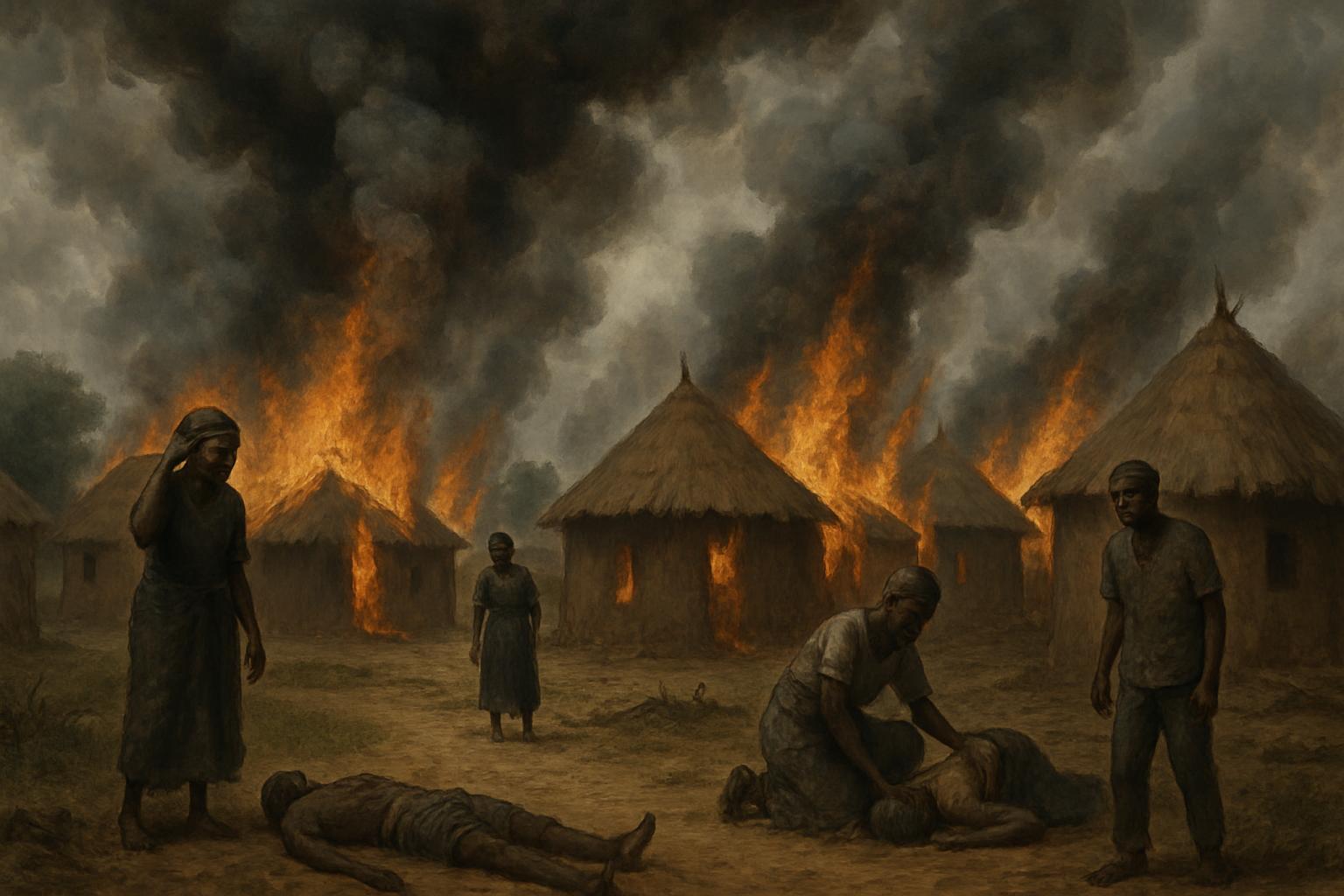
Deadly Attacks in Nigeria's Kwara State Leave Over 160 Dead
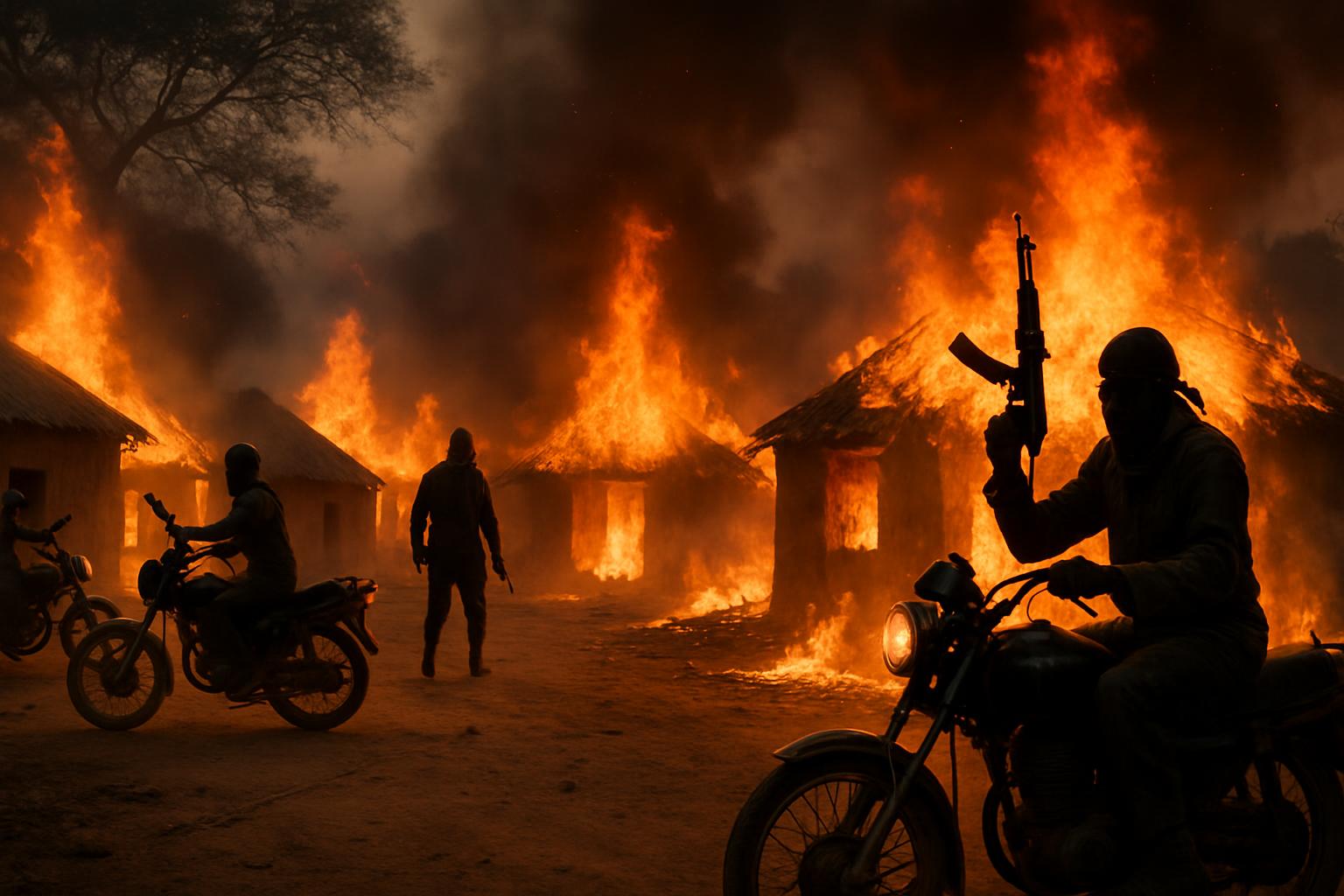
Deadly Motorbike Raids in North-West Nigeria Leave Over 30 Dead
Iranian Students Lead Major Protests Amid Rising US-Iran Tensions

Robert Carlyle Joins Line of Duty for Thrilling Seventh Series
Inside the Dark Web: How Investigator Greg Squire Rescues Children from Abuse
Gisèle Pelicot: A Journey from Horror to Advocacy in France's Largest Rape Trial
Nigerian Villages Devastated by Deadly Jihadist Attack
In This Article
 James Okoro| Published
 HIGHLIGHTS
- Over 100 armed jihadists attacked the villages of Woro and Nuku in Nigeria's Kwara state, killing at least 75 people.
- The attackers, linked to Boko Haram, demanded locals renounce the Nigerian government and adopt extremist teachings.
- The Nigerian government has deployed an army battalion to the region following the attack, which has been condemned by President Bola Tinubu.
- Amnesty International described the incident as a "stunning security failure," highlighting the ongoing jihadist insurgency in Nigeria.
- The death toll, according to the Red Cross, has reached 162, with searches for more bodies continuing.
In a harrowing escalation of violence, over 100 armed jihadists launched a brutal attack on the villages of Woro and Nuku in Nigeria's western Kwara state, resulting in the deaths of at least 75 people. The assault, which unfolded on Tuesday evening, has been attributed to Boko Haram, a notorious Islamist extremist group known for its violent insurgency across Nigeria.
Attack Details and Immediate Impact
The militants, dressed in army fatigues, descended upon the villages on motorbikes, targeting residents as they returned from their fields. According to Abdulla Umar Usman, a former teacher and resident of Woro, the jihadists initiated the attack under the guise of preaching an extremist version of Islam, which the community had previously rejected. The violence continued throughout the night, with homes set ablaze and residents brutally murdered.
Traditional leader Umar Bio Salihu recounted the horror, revealing that two of his sons were killed, and his wife and three daughters were abducted. "They massacred everyone. It is just devastating," local official Mohammed Dauda told the BBC. Amnesty International reported that many victims were found with their hands and feet tied, some with their throats slit.
Government and International Response
The Nigerian government, led by President Bola Tinubu, has condemned the attack, deploying an army battalion to the region in response. The president labeled the incident a "beastly attack" and attributed it to Boko Haram, although the group has not officially claimed responsibility. Amnesty International criticized the attack as a "stunning security failure," emphasizing the ongoing threat posed by jihadist groups in Nigeria.
Broader Context and Implications
This attack is part of a broader pattern of violence by jihadist and armed groups in Nigeria, which has been grappling with a persistent insurgency in its north-eastern and north-western regions. Experts warn that Kwara state is becoming a new frontier for these groups as they seek to expand their influence. James Barnett of the Hudson Institute noted that armed groups are venturing into new areas due to increased competition in their traditional strongholds.
WHAT THIS MIGHT MEAN
The recent attack in Kwara state underscores the urgent need for a comprehensive security strategy in Nigeria. The deployment of military forces may provide temporary relief, but long-term solutions require addressing the root causes of extremism and improving local governance. Experts suggest that enhancing community resilience and fostering dialogue between the government and local leaders could mitigate future violence.
Politically, the Nigerian government faces mounting pressure to demonstrate its capability in handling the insurgency. Failure to do so could erode public confidence and exacerbate regional instability. International support, both in terms of intelligence and humanitarian aid, may be crucial in bolstering Nigeria's efforts to combat extremist threats and ensure the safety of its citizens.
Related Articles
Deadly Attacks in Nigeria's Kwara State Leave Over 160 Dead
Deadly Motorbike Raids in North-West Nigeria Leave Over 30 Dead
Iranian Students Lead Major Protests Amid Rising US-Iran Tensions
Robert Carlyle Joins Line of Duty for Thrilling Seventh Series
Inside the Dark Web: How Investigator Greg Squire Rescues Children from Abuse
Gisèle Pelicot: A Journey from Horror to Advocacy in France's Largest Rape Trial