
Dignitas Founder Ludwig Minelli Dies by Assisted Suicide at 92

In This Article
HIGHLIGHTS
- Ludwig Minelli, founder of Dignitas, died by assisted suicide at age 92, days before his 93rd birthday.
- Minelli, a former journalist and lawyer, founded Dignitas in 1998 to advocate for the right to die.
- Dignitas has facilitated assisted suicides for thousands, including non-Swiss citizens, under Swiss law.
- The UK is currently debating an assisted dying bill, reflecting a global shift in attitudes toward the practice.
- Minelli's work influenced legal rulings, including a 2011 European Court of Human Rights decision affirming the right to choose one's end of life.
Ludwig Minelli, the pioneering founder of the Swiss right-to-die organization Dignitas, has died by assisted suicide at the age of 92, just days shy of his 93rd birthday. Minelli, who established Dignitas in 1998, was a staunch advocate for the right to die, dedicating his life to promoting self-determination and freedom of choice in end-of-life matters.
A Legacy of Advocacy
Minelli's journey began as a journalist before he transitioned into law, where he became deeply involved in human rights issues. His commitment to the cause led him to establish Dignitas after parting ways with the older Swiss organization Exit, which he found too restrictive. Under his leadership, Dignitas gained international recognition for offering assisted suicide services to both Swiss and non-Swiss citizens, a practice permitted under Swiss law since 1942, provided there is no profit motive and the individual is of sound mind.
Global Shifts in Assisted Dying Laws
Since its inception, Dignitas has assisted thousands in ending their lives, reflecting a broader global shift in attitudes towards assisted dying. Countries such as Canada, Australia, New Zealand, Spain, and Austria have enacted laws permitting the practice. In the UK, the House of Lords is currently scrutinizing an assisted dying bill, which, if passed, would allow terminally ill adults in England and Wales to apply for an assisted death under strict conditions.
Legal Challenges and Influence
Minelli faced numerous legal challenges throughout his career, successfully appealing to both the Swiss Supreme Court and the European Court of Human Rights (ECHR). His efforts were instrumental in a 2011 ECHR ruling that upheld the right of individuals to decide the manner and timing of their own death. Despite criticisms regarding transparency and the inclusion of non-terminally ill individuals, Minelli's work has left a lasting impact on Swiss law and the global discourse on euthanasia and assisted dying.
Continuing the Mission
In a statement, Dignitas pledged to continue Minelli's mission, emphasizing its commitment to self-determination and freedom of choice. The organization remains a key player in the ongoing debate over assisted dying, advocating for the rights of individuals to make informed decisions about their end-of-life care.
WHAT THIS MIGHT MEAN
The passing of Ludwig Minelli marks a significant moment for Dignitas and the broader right-to-die movement. As debates over assisted dying laws continue worldwide, Minelli's legacy may influence future legal frameworks and societal attitudes. In the UK, the outcome of the assisted dying bill could set a precedent for other nations grappling with similar issues. Experts suggest that as more countries adopt assisted dying laws, there will be increased pressure on those that have yet to do so, potentially leading to a more unified global stance on the matter.
Related Articles

Canada and Australia Forge Strategic Partnership Amid Global Uncertainty
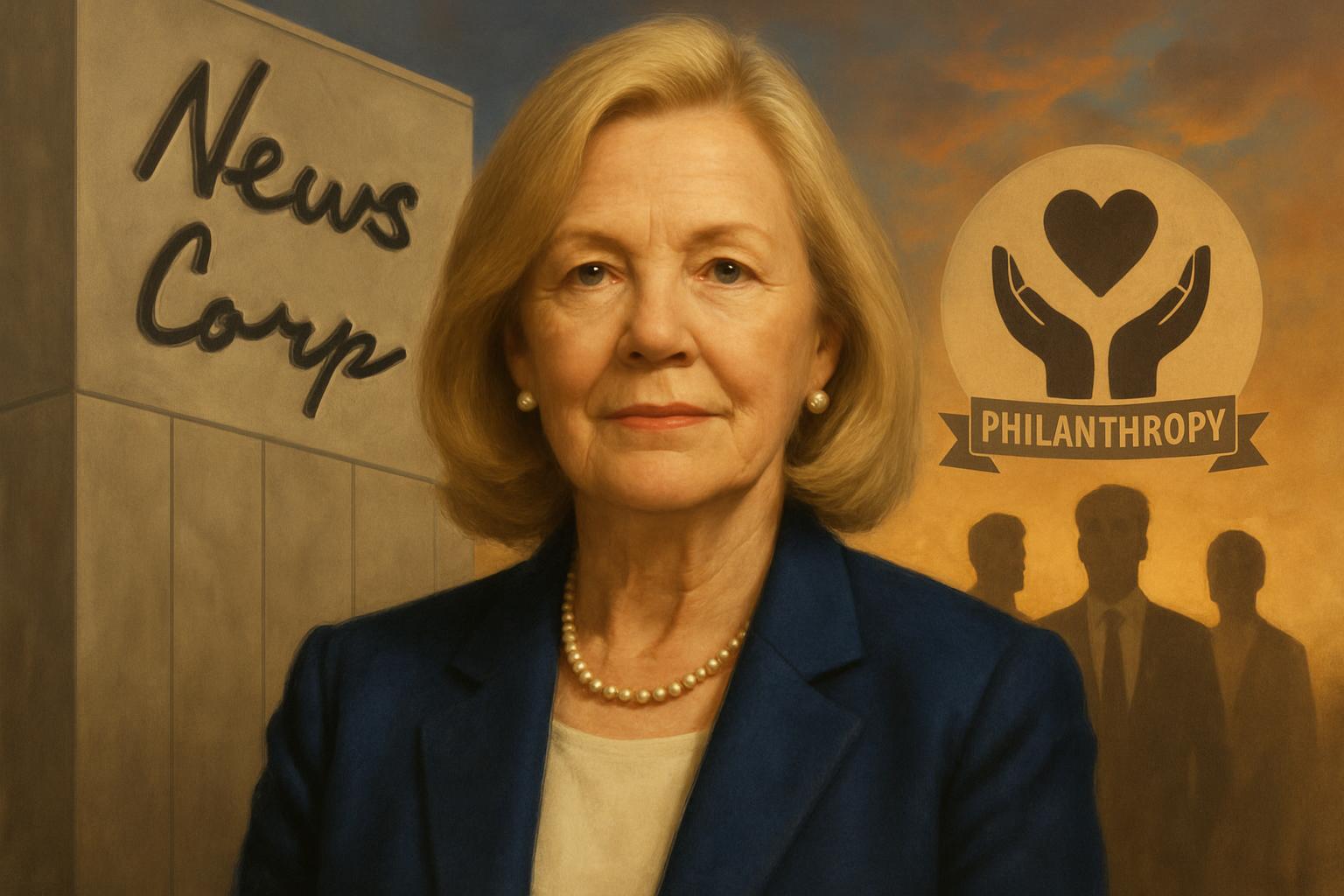
Anna Murdoch-Mann: Influential Figure in Media and Philanthropy Dies at 81

Breakthrough Drug Offers Hope for Children with Severe Epilepsy

Canada Calls for De-escalation Amid US-Israel Strikes on Iran

Trump Raises Import Tariffs to 15% After Supreme Court Setback

OpenAI's Missed Warning: Tumbler Ridge Shooting Raises Questions on AI's Role in Violence Prevention
Dignitas Founder Ludwig Minelli Dies by Assisted Suicide at 92
In This Article
 Ethan Brooks| Published
 HIGHLIGHTS
- Ludwig Minelli, founder of Dignitas, died by assisted suicide at age 92, days before his 93rd birthday.
- Minelli, a former journalist and lawyer, founded Dignitas in 1998 to advocate for the right to die.
- Dignitas has facilitated assisted suicides for thousands, including non-Swiss citizens, under Swiss law.
- The UK is currently debating an assisted dying bill, reflecting a global shift in attitudes toward the practice.
- Minelli's work influenced legal rulings, including a 2011 European Court of Human Rights decision affirming the right to choose one's end of life.
Ludwig Minelli, the pioneering founder of the Swiss right-to-die organization Dignitas, has died by assisted suicide at the age of 92, just days shy of his 93rd birthday. Minelli, who established Dignitas in 1998, was a staunch advocate for the right to die, dedicating his life to promoting self-determination and freedom of choice in end-of-life matters.
A Legacy of Advocacy
Minelli's journey began as a journalist before he transitioned into law, where he became deeply involved in human rights issues. His commitment to the cause led him to establish Dignitas after parting ways with the older Swiss organization Exit, which he found too restrictive. Under his leadership, Dignitas gained international recognition for offering assisted suicide services to both Swiss and non-Swiss citizens, a practice permitted under Swiss law since 1942, provided there is no profit motive and the individual is of sound mind.
Global Shifts in Assisted Dying Laws
Since its inception, Dignitas has assisted thousands in ending their lives, reflecting a broader global shift in attitudes towards assisted dying. Countries such as Canada, Australia, New Zealand, Spain, and Austria have enacted laws permitting the practice. In the UK, the House of Lords is currently scrutinizing an assisted dying bill, which, if passed, would allow terminally ill adults in England and Wales to apply for an assisted death under strict conditions.
Legal Challenges and Influence
Minelli faced numerous legal challenges throughout his career, successfully appealing to both the Swiss Supreme Court and the European Court of Human Rights (ECHR). His efforts were instrumental in a 2011 ECHR ruling that upheld the right of individuals to decide the manner and timing of their own death. Despite criticisms regarding transparency and the inclusion of non-terminally ill individuals, Minelli's work has left a lasting impact on Swiss law and the global discourse on euthanasia and assisted dying.
Continuing the Mission
In a statement, Dignitas pledged to continue Minelli's mission, emphasizing its commitment to self-determination and freedom of choice. The organization remains a key player in the ongoing debate over assisted dying, advocating for the rights of individuals to make informed decisions about their end-of-life care.
WHAT THIS MIGHT MEAN
The passing of Ludwig Minelli marks a significant moment for Dignitas and the broader right-to-die movement. As debates over assisted dying laws continue worldwide, Minelli's legacy may influence future legal frameworks and societal attitudes. In the UK, the outcome of the assisted dying bill could set a precedent for other nations grappling with similar issues. Experts suggest that as more countries adopt assisted dying laws, there will be increased pressure on those that have yet to do so, potentially leading to a more unified global stance on the matter.
Related Articles
Canada and Australia Forge Strategic Partnership Amid Global Uncertainty
Anna Murdoch-Mann: Influential Figure in Media and Philanthropy Dies at 81
Breakthrough Drug Offers Hope for Children with Severe Epilepsy
Canada Calls for De-escalation Amid US-Israel Strikes on Iran
Trump Raises Import Tariffs to 15% After Supreme Court Setback
OpenAI's Missed Warning: Tumbler Ridge Shooting Raises Questions on AI's Role in Violence Prevention