
DLR Extension to Thamesmead Set for Government Backing in Major Infrastructure Boost
In This Article
HIGHLIGHTS
- Chancellor Rachel Reeves is expected to announce support for the DLR extension to Thamesmead in the upcoming budget.
- The extension aims to create 25,000 new homes and 10,000 jobs, enhancing connectivity and economic growth.
- The project, estimated to cost £1.7bn, will likely be funded through borrowing by TfL and the Greater London Authority.
- Mayor Sadiq Khan and business leaders have expressed strong support, citing benefits for local and national economies.
- Other London transport projects, like the Bakerloo Line extension, may face delays as focus shifts to the DLR project.
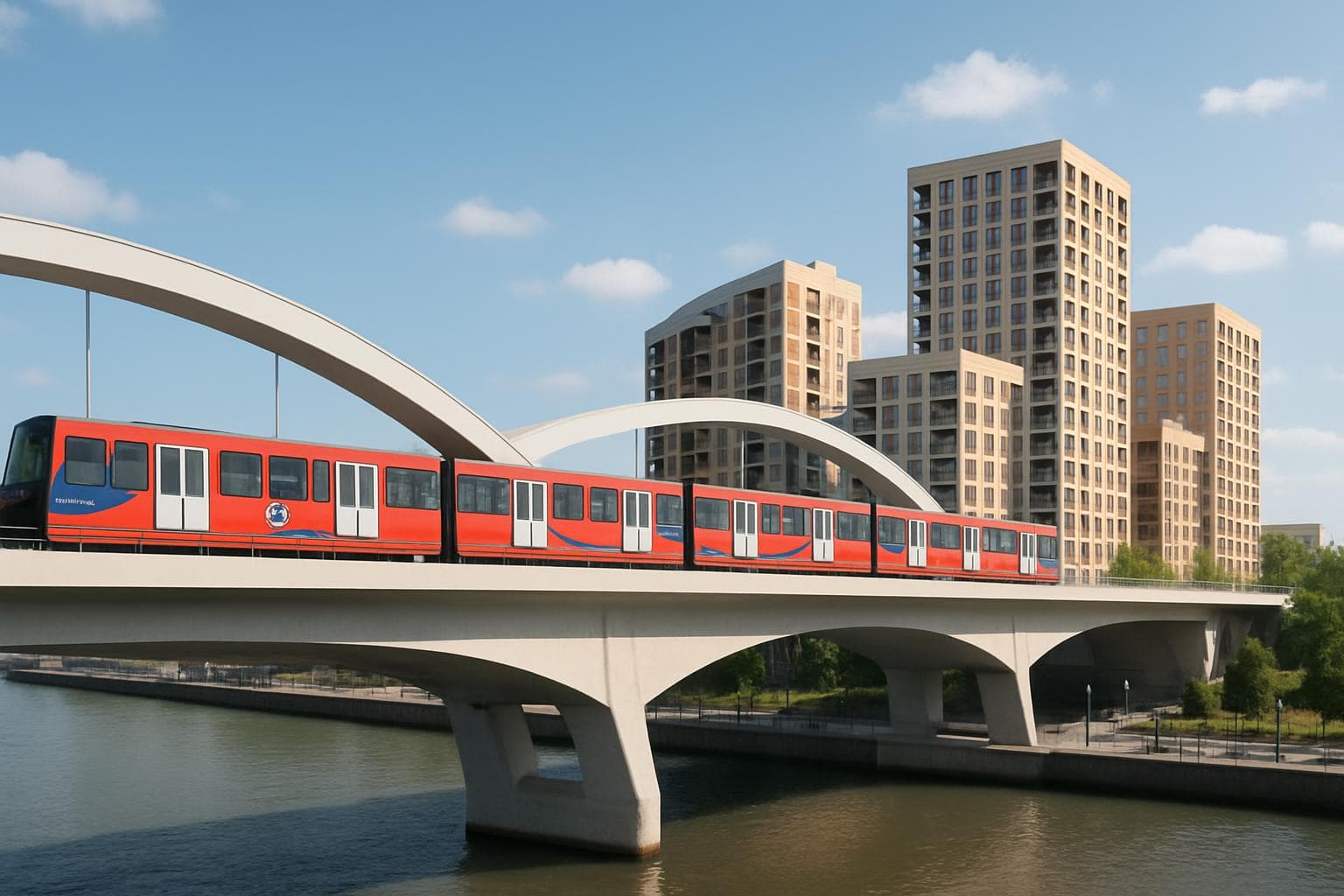
The UK government is poised to endorse a significant extension of the Docklands Light Railway (DLR) to Thamesmead, a move anticipated to transform one of London's most underserved areas. Chancellor Rachel Reeves is expected to announce the decision in her upcoming budget statement, aligning with the government's broader push for economic growth and development.
Transforming Thamesmead
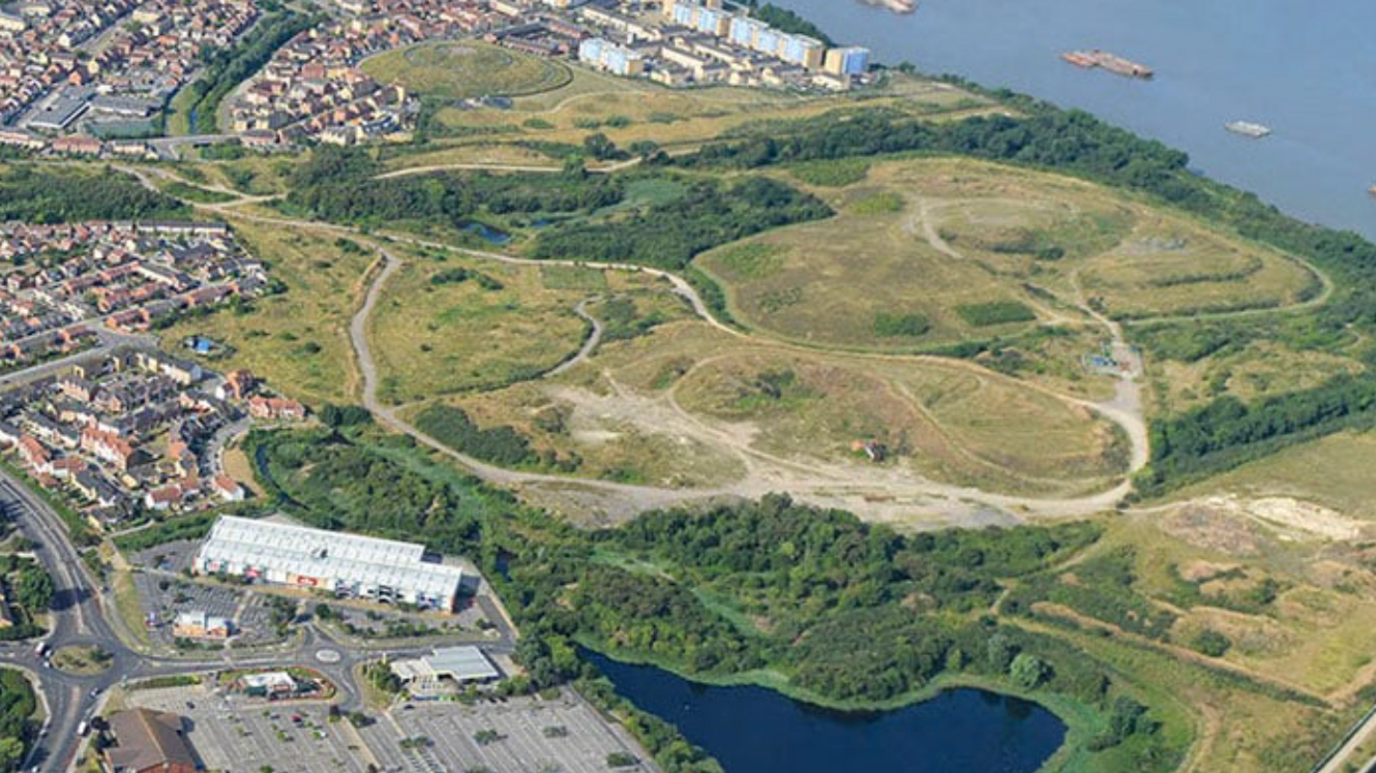
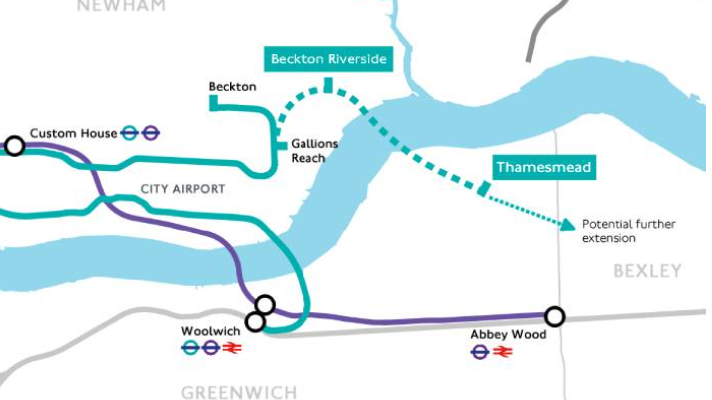
The proposed extension, which will stretch from Gallions Reach to a new station at Beckton Riverside and across the river to Thamesmead, is set to unlock substantial economic potential. The project is expected to facilitate the construction of 25,000 new homes and create up to 10,000 jobs, significantly boosting the local economy. Transport for London (TfL) has welcomed the government's anticipated support, emphasizing the project's potential to reduce car dependency and improve public transport connectivity.
Funding and Economic Impact
Estimated to cost around £1.7 billion, the DLR extension will likely be financed through borrowing by TfL and the Greater London Authority, with potential long-term repayment support from the Treasury. Mayor Sadiq Khan has been a vocal advocate for the project, describing it as a "massive vote of confidence in London." He highlighted the dual benefits of transforming travel in a historically underserved part of the capital and stimulating economic growth both locally and nationally.
Challenges and Opportunities
While the DLR extension is a significant win for City Hall, it may come at the expense of other transport initiatives. Projects like the Bakerloo Line extension and the West London Orbital rail line could face delays as resources are reallocated. Nonetheless, business leaders, including John Dickie of BusinessLDN, have praised the government's backing, noting its potential to attract private investment and enhance social mobility in Thamesmead.
WHAT THIS MIGHT MEAN
The government's backing of the DLR extension to Thamesmead marks a pivotal moment for London's infrastructure development. If successfully implemented, the project could serve as a catalyst for further urban renewal in the capital, attracting additional investment and enhancing the city's global competitiveness. However, the focus on this project may delay other critical transport initiatives, potentially impacting broader connectivity goals. As the extension progresses, stakeholders will need to balance these competing priorities to ensure comprehensive improvements across London's transport network.
Images from the Web
Related Articles

Prince Andrew's Ties to Epstein Under Scrutiny Amid Calls for Inquiry

Government Criticized for Mishandling Maccabi Tel Aviv Fan Ban

Prince Andrew's Arrest Intensifies Scrutiny on Royal Succession and Prince William's Future Role

UK Defence Faces Scrutiny Amid Ajax Armoured Vehicle Delays and Soldier Safety Concerns

Government Announces £4 Billion Overhaul of SEND Support in England

UK Government's SEND Reforms: A Critical Turning Point for Special Education
DLR Extension to Thamesmead Set for Government Backing in Major Infrastructure Boost
In This Article
 Ethan Brooks| Published
 HIGHLIGHTS
- Chancellor Rachel Reeves is expected to announce support for the DLR extension to Thamesmead in the upcoming budget.
- The extension aims to create 25,000 new homes and 10,000 jobs, enhancing connectivity and economic growth.
- The project, estimated to cost £1.7bn, will likely be funded through borrowing by TfL and the Greater London Authority.
- Mayor Sadiq Khan and business leaders have expressed strong support, citing benefits for local and national economies.
- Other London transport projects, like the Bakerloo Line extension, may face delays as focus shifts to the DLR project.
The UK government is poised to endorse a significant extension of the Docklands Light Railway (DLR) to Thamesmead, a move anticipated to transform one of London's most underserved areas. Chancellor Rachel Reeves is expected to announce the decision in her upcoming budget statement, aligning with the government's broader push for economic growth and development.
Transforming Thamesmead
The proposed extension, which will stretch from Gallions Reach to a new station at Beckton Riverside and across the river to Thamesmead, is set to unlock substantial economic potential. The project is expected to facilitate the construction of 25,000 new homes and create up to 10,000 jobs, significantly boosting the local economy. Transport for London (TfL) has welcomed the government's anticipated support, emphasizing the project's potential to reduce car dependency and improve public transport connectivity.
Funding and Economic Impact
Estimated to cost around £1.7 billion, the DLR extension will likely be financed through borrowing by TfL and the Greater London Authority, with potential long-term repayment support from the Treasury. Mayor Sadiq Khan has been a vocal advocate for the project, describing it as a "massive vote of confidence in London." He highlighted the dual benefits of transforming travel in a historically underserved part of the capital and stimulating economic growth both locally and nationally.
Challenges and Opportunities
While the DLR extension is a significant win for City Hall, it may come at the expense of other transport initiatives. Projects like the Bakerloo Line extension and the West London Orbital rail line could face delays as resources are reallocated. Nonetheless, business leaders, including John Dickie of BusinessLDN, have praised the government's backing, noting its potential to attract private investment and enhance social mobility in Thamesmead.
WHAT THIS MIGHT MEAN
The government's backing of the DLR extension to Thamesmead marks a pivotal moment for London's infrastructure development. If successfully implemented, the project could serve as a catalyst for further urban renewal in the capital, attracting additional investment and enhancing the city's global competitiveness. However, the focus on this project may delay other critical transport initiatives, potentially impacting broader connectivity goals. As the extension progresses, stakeholders will need to balance these competing priorities to ensure comprehensive improvements across London's transport network.
Images from the Web
Related Articles
Prince Andrew's Ties to Epstein Under Scrutiny Amid Calls for Inquiry
Government Criticized for Mishandling Maccabi Tel Aviv Fan Ban
Prince Andrew's Arrest Intensifies Scrutiny on Royal Succession and Prince William's Future Role
UK Defence Faces Scrutiny Amid Ajax Armoured Vehicle Delays and Soldier Safety Concerns
Government Announces £4 Billion Overhaul of SEND Support in England
UK Government's SEND Reforms: A Critical Turning Point for Special Education