
DNA Breakthrough Links 92-Year-Old to 1967 Bristol Murder
In This Article
HIGHLIGHTS
- Ryland Headley, 92, is on trial for the 1967 rape and murder of Louisa Dunne after DNA evidence linked him to the crime.
- Forensic analysis revealed a "billion to one" likelihood that sperm found on Dunne's skirt belonged to Headley.
- The case was reopened by Avon and Somerset Police in 2023, utilizing advancements in forensic science.
- Headley, previously convicted of raping two elderly women in 1977, denies the current charges.
- The trial continues as the court examines evidence, including DNA profiles from Dunne's clothing and hair samples.
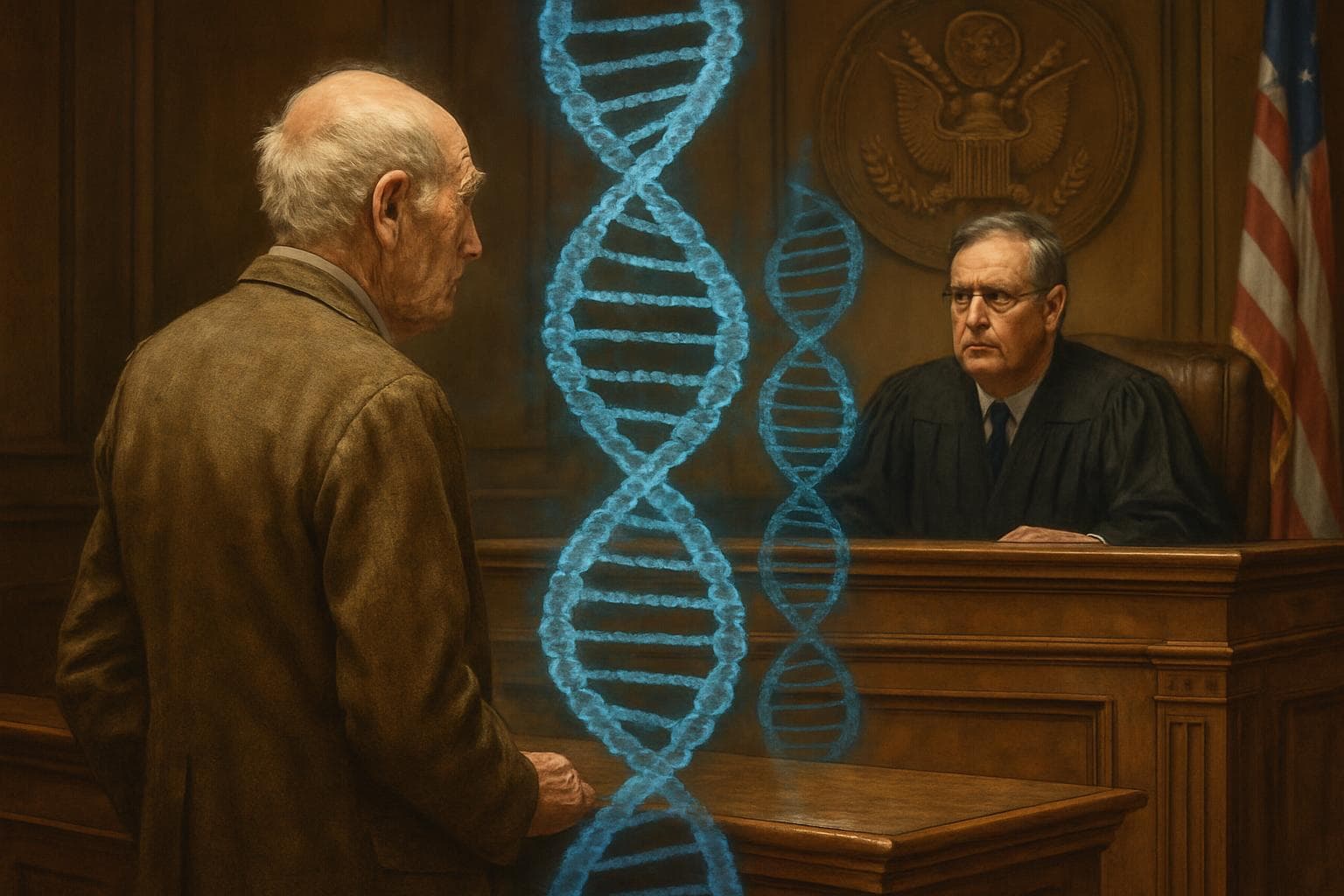
In a significant development in a decades-old cold case, Ryland Headley, aged 92, stands trial for the rape and murder of Louisa Dunne, a crime committed in 1967. The trial, taking place at Bristol Crown Court, has brought to light compelling DNA evidence that links Headley to the crime scene, marking a pivotal moment in the investigation.
Forensic Evidence and Cold Case Review
The case was reopened by Avon and Somerset Police in 2023, leveraging advancements in forensic science to re-examine evidence collected over half a century ago. Forensic scientist Andrew Parry played a crucial role in this breakthrough, analyzing samples from Dunne's clothing and hair. Parry's findings indicated a "billion to one" probability that the sperm cells found on Dunne's skirt originated from Headley, rather than an unknown individual.
Historical Context and Previous Convictions
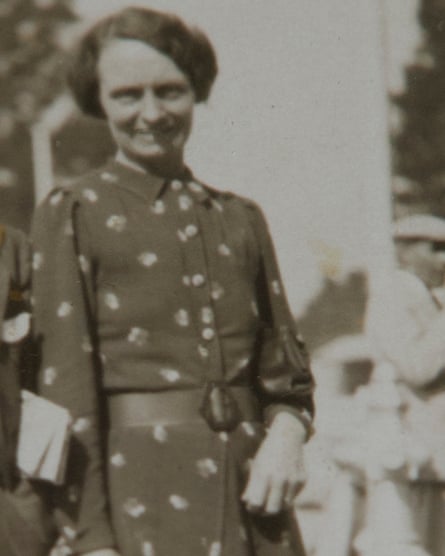
Louisa Dunne, 75, was found deceased in her Easton, Bristol home on June 28, 1967. Despite initial investigations, the case went cold until recent forensic advancements allowed for a fresh examination. Headley, who moved from Bristol to Ipswich shortly after the crime, had previously been convicted in 1977 for the rape of two elderly women, further complicating his defense.
Courtroom Proceedings and Testimonies
During the trial, Parry explained the meticulous process of DNA profiling, which involved testing sections of Dunne's skirt and hair samples. The court also heard from Josephine Marks, a former officer with the major crime review team, who testified about the condition of the evidence storage. Despite some items being unsealed, Marks assured the court that contamination was avoided.
Headley's defense, led by barrister Jeremy Benson KC, questioned the integrity of the evidence, particularly the unsealed state of Dunne's skirt. However, the prosecution maintains that the DNA evidence presents a strong case against Headley.
WHAT THIS MIGHT MEAN
As the trial progresses, the outcome could set a precedent for how cold cases are approached in the future, particularly those involving historical DNA evidence. If Headley is convicted, it may prompt a reevaluation of other unsolved cases from the era, potentially leading to further breakthroughs. Legal experts suggest that this case underscores the importance of preserving evidence and the role of forensic science in delivering justice, even decades after a crime has occurred. The verdict will likely influence public confidence in the criminal justice system's ability to solve long-standing mysteries.
Images from the Web
Related Articles
Nursery Worker Convicted of Sexual Abuse in Bristol: Families Demand Answers

Convicted Murderer and Inmate Recaptured After HMP Leyhill Escape
Seven Men Charged in Bristol Child Sexual Exploitation Case
Steve Wright Confesses to 1999 Murder of Teenager Victoria Hall

Police Officer Faces Trial Over Fatal Bristol Car Chase
Teenage Suspect Arrested in Somerset Tragedy as Gloucestershire Faces Fatal Stabbing
DNA Breakthrough Links 92-Year-Old to 1967 Bristol Murder
In This Article
 Sofia Romano| Published
 HIGHLIGHTS
- Ryland Headley, 92, is on trial for the 1967 rape and murder of Louisa Dunne after DNA evidence linked him to the crime.
- Forensic analysis revealed a "billion to one" likelihood that sperm found on Dunne's skirt belonged to Headley.
- The case was reopened by Avon and Somerset Police in 2023, utilizing advancements in forensic science.
- Headley, previously convicted of raping two elderly women in 1977, denies the current charges.
- The trial continues as the court examines evidence, including DNA profiles from Dunne's clothing and hair samples.
In a significant development in a decades-old cold case, Ryland Headley, aged 92, stands trial for the rape and murder of Louisa Dunne, a crime committed in 1967. The trial, taking place at Bristol Crown Court, has brought to light compelling DNA evidence that links Headley to the crime scene, marking a pivotal moment in the investigation.
Forensic Evidence and Cold Case Review
The case was reopened by Avon and Somerset Police in 2023, leveraging advancements in forensic science to re-examine evidence collected over half a century ago. Forensic scientist Andrew Parry played a crucial role in this breakthrough, analyzing samples from Dunne's clothing and hair. Parry's findings indicated a "billion to one" probability that the sperm cells found on Dunne's skirt originated from Headley, rather than an unknown individual.
Historical Context and Previous Convictions
Louisa Dunne, 75, was found deceased in her Easton, Bristol home on June 28, 1967. Despite initial investigations, the case went cold until recent forensic advancements allowed for a fresh examination. Headley, who moved from Bristol to Ipswich shortly after the crime, had previously been convicted in 1977 for the rape of two elderly women, further complicating his defense.
Courtroom Proceedings and Testimonies
During the trial, Parry explained the meticulous process of DNA profiling, which involved testing sections of Dunne's skirt and hair samples. The court also heard from Josephine Marks, a former officer with the major crime review team, who testified about the condition of the evidence storage. Despite some items being unsealed, Marks assured the court that contamination was avoided.
Headley's defense, led by barrister Jeremy Benson KC, questioned the integrity of the evidence, particularly the unsealed state of Dunne's skirt. However, the prosecution maintains that the DNA evidence presents a strong case against Headley.
WHAT THIS MIGHT MEAN
As the trial progresses, the outcome could set a precedent for how cold cases are approached in the future, particularly those involving historical DNA evidence. If Headley is convicted, it may prompt a reevaluation of other unsolved cases from the era, potentially leading to further breakthroughs. Legal experts suggest that this case underscores the importance of preserving evidence and the role of forensic science in delivering justice, even decades after a crime has occurred. The verdict will likely influence public confidence in the criminal justice system's ability to solve long-standing mysteries.
Images from the Web
Related Articles
Nursery Worker Convicted of Sexual Abuse in Bristol: Families Demand Answers
Convicted Murderer and Inmate Recaptured After HMP Leyhill Escape
Seven Men Charged in Bristol Child Sexual Exploitation Case
Steve Wright Confesses to 1999 Murder of Teenager Victoria Hall
Police Officer Faces Trial Over Fatal Bristol Car Chase
Teenage Suspect Arrested in Somerset Tragedy as Gloucestershire Faces Fatal Stabbing