
DOJ Faces Backlash Over Partial Release of Epstein Files Amid Transparency Concerns
In This Article
HIGHLIGHTS
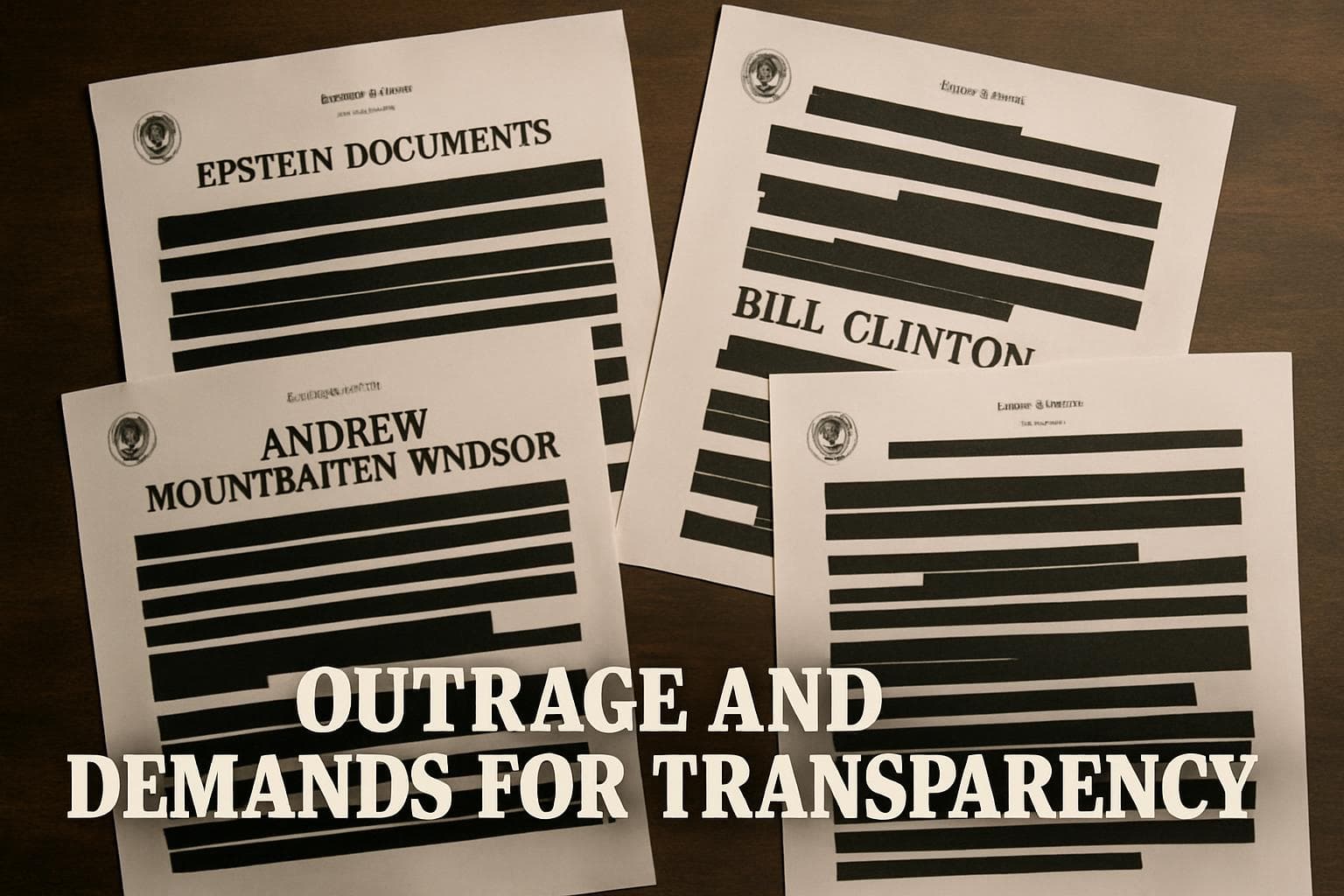
- The US Department of Justice released a partial tranche of documents related to Jeffrey Epstein, with many files heavily redacted.
- The Epstein Files Transparency Act required full disclosure by December 19, but the DOJ missed the deadline, prompting bipartisan criticism.
- Notable figures like Bill Clinton and Andrew Mountbatten-Windsor appear in the documents, though no wrongdoing is implied.
- The release has been criticized for lacking key documents, including a draft indictment from 2007, and for not explaining redactions.
- Victims and lawmakers express frustration over the incomplete release, with some suggesting legal action against DOJ officials.
The US Department of Justice (DOJ) has come under fire following the release of a heavily redacted cache of documents related to the late financier and convicted sex offender Jeffrey Epstein. The release, mandated by the Epstein Files Transparency Act, was intended to provide full disclosure by December 19, but the DOJ has yet to comply fully, citing the need to protect victims' identities.
Partial Document Release Sparks Outrage
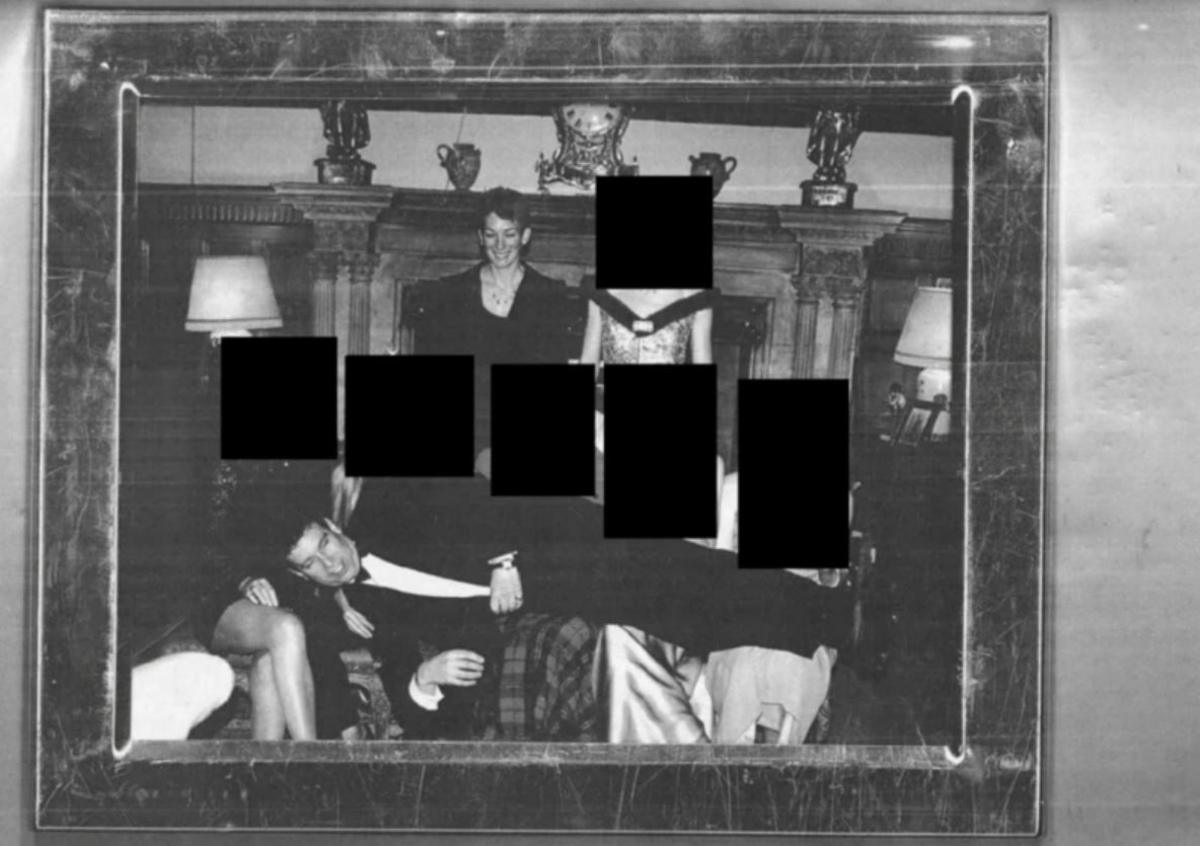
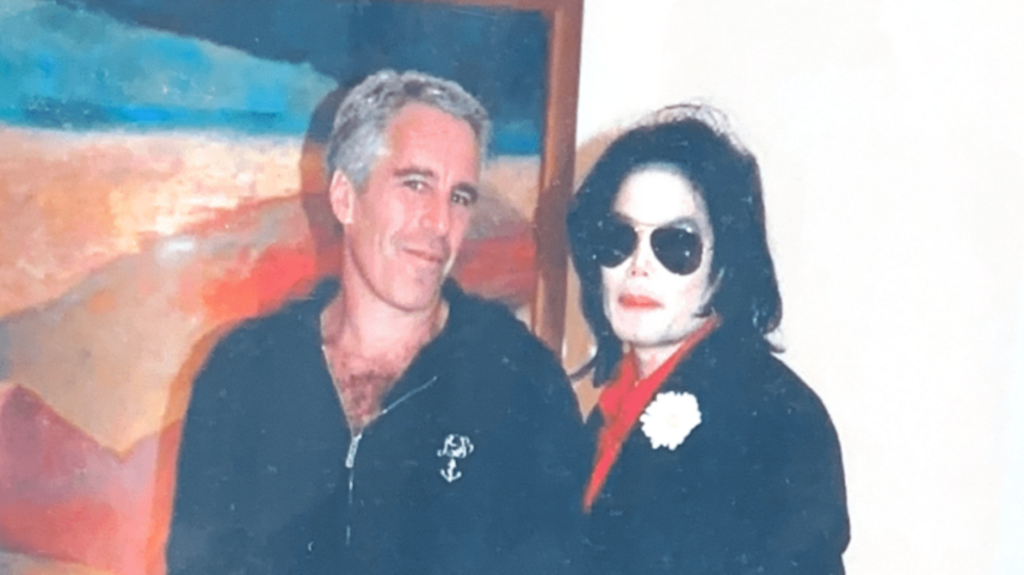
On Friday, the DOJ unveiled several hundred thousand pages of documents, including photos and investigative reports. However, many files were heavily redacted, and key documents, such as a 2007 draft indictment, were notably absent. This has led to bipartisan criticism from lawmakers, including Democratic Congressman Ro Khanna and Republican Congressman Thomas Massie, who co-authored the legislation. Khanna emphasized that "the most important documents are missing," while Massie suggested potential legal repercussions for DOJ officials.
High-Profile Figures Named
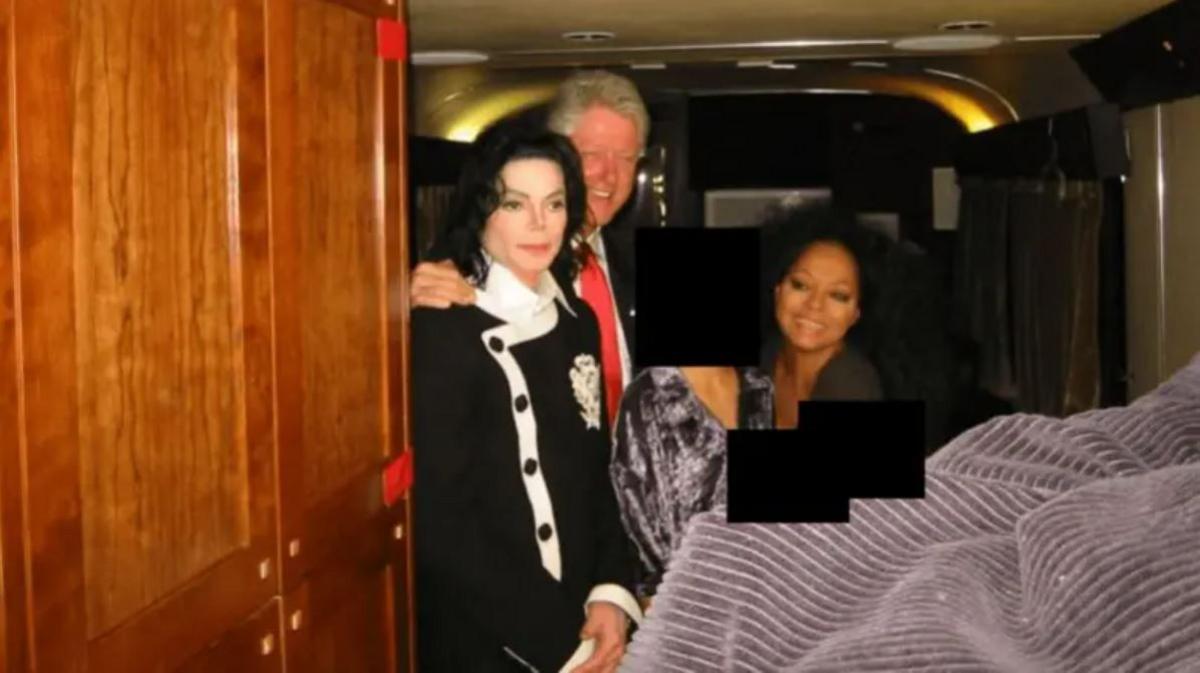
Among the documents are images of former US President Bill Clinton and former British royal Andrew Mountbatten-Windsor. Although their presence in the files does not imply wrongdoing, it has reignited public interest in their connections to Epstein. Clinton's spokesperson reiterated that the former president had severed ties with Epstein before his criminal activities came to light.
Victims Demand Justice
Victims of Epstein's abuse have expressed frustration over the DOJ's handling of the document release. Lisa Phillips, a survivor, accused the department of "protecting themselves, not the victims," and called for more transparency to aid in achieving justice. The documents include an FBI report from 1996, highlighting missed opportunities to prevent further abuse.
Legal and Political Implications
The DOJ's failure to meet the legal deadline has prompted threats of legal action from lawmakers. The Epstein Files Transparency Act requires the release of all unclassified documents, with explanations for any redactions. As the DOJ continues to vet and release additional documents, the political and legal ramifications remain uncertain.
WHAT THIS MIGHT MEAN
The incomplete release of the Epstein files could lead to significant legal and political consequences for the DOJ. Lawmakers may pursue legal action against officials for non-compliance with the Epstein Files Transparency Act. Additionally, the ongoing scrutiny may pressure the DOJ to expedite the release of remaining documents, potentially uncovering further details about Epstein's network and activities.
The involvement of high-profile figures like Bill Clinton and Andrew Mountbatten-Windsor, though not indicative of wrongdoing, may continue to attract public and media attention. This could lead to renewed investigations or calls for accountability from those connected to Epstein.
As the DOJ navigates the complexities of protecting victims' identities while fulfilling legal obligations, the situation underscores the challenges of balancing transparency with privacy in high-profile cases.
Images from the Web


Related Articles
Congress Subpoenas Attorney General Bondi in Epstein Investigation

New Mexico Reopens Investigation into Jeffrey Epstein's Zorro Ranch

Armed Intruder Fatally Shot at Mar-a-Lago by Secret Service

Prince Andrew's Arrest Intensifies Scrutiny on Royal Succession and Prince William's Future Role
MPs Weigh Inquiry into Andrew Mountbatten-Windsor's Trade Envoy Role Amid Arrest

Arrest of Andrew Mountbatten-Windsor Captured in Iconic Photograph
DOJ Faces Backlash Over Partial Release of Epstein Files Amid Transparency Concerns
In This Article
 Ethan Brooks| Published
 HIGHLIGHTS
- The US Department of Justice released a partial tranche of documents related to Jeffrey Epstein, with many files heavily redacted.
- The Epstein Files Transparency Act required full disclosure by December 19, but the DOJ missed the deadline, prompting bipartisan criticism.
- Notable figures like Bill Clinton and Andrew Mountbatten-Windsor appear in the documents, though no wrongdoing is implied.
- The release has been criticized for lacking key documents, including a draft indictment from 2007, and for not explaining redactions.
- Victims and lawmakers express frustration over the incomplete release, with some suggesting legal action against DOJ officials.
The US Department of Justice (DOJ) has come under fire following the release of a heavily redacted cache of documents related to the late financier and convicted sex offender Jeffrey Epstein. The release, mandated by the Epstein Files Transparency Act, was intended to provide full disclosure by December 19, but the DOJ has yet to comply fully, citing the need to protect victims' identities.
Partial Document Release Sparks Outrage
On Friday, the DOJ unveiled several hundred thousand pages of documents, including photos and investigative reports. However, many files were heavily redacted, and key documents, such as a 2007 draft indictment, were notably absent. This has led to bipartisan criticism from lawmakers, including Democratic Congressman Ro Khanna and Republican Congressman Thomas Massie, who co-authored the legislation. Khanna emphasized that "the most important documents are missing," while Massie suggested potential legal repercussions for DOJ officials.
High-Profile Figures Named
Among the documents are images of former US President Bill Clinton and former British royal Andrew Mountbatten-Windsor. Although their presence in the files does not imply wrongdoing, it has reignited public interest in their connections to Epstein. Clinton's spokesperson reiterated that the former president had severed ties with Epstein before his criminal activities came to light.
Victims Demand Justice
Victims of Epstein's abuse have expressed frustration over the DOJ's handling of the document release. Lisa Phillips, a survivor, accused the department of "protecting themselves, not the victims," and called for more transparency to aid in achieving justice. The documents include an FBI report from 1996, highlighting missed opportunities to prevent further abuse.
Legal and Political Implications
The DOJ's failure to meet the legal deadline has prompted threats of legal action from lawmakers. The Epstein Files Transparency Act requires the release of all unclassified documents, with explanations for any redactions. As the DOJ continues to vet and release additional documents, the political and legal ramifications remain uncertain.
WHAT THIS MIGHT MEAN
The incomplete release of the Epstein files could lead to significant legal and political consequences for the DOJ. Lawmakers may pursue legal action against officials for non-compliance with the Epstein Files Transparency Act. Additionally, the ongoing scrutiny may pressure the DOJ to expedite the release of remaining documents, potentially uncovering further details about Epstein's network and activities.
The involvement of high-profile figures like Bill Clinton and Andrew Mountbatten-Windsor, though not indicative of wrongdoing, may continue to attract public and media attention. This could lead to renewed investigations or calls for accountability from those connected to Epstein.
As the DOJ navigates the complexities of protecting victims' identities while fulfilling legal obligations, the situation underscores the challenges of balancing transparency with privacy in high-profile cases.
Images from the Web
Related Articles
Congress Subpoenas Attorney General Bondi in Epstein Investigation
New Mexico Reopens Investigation into Jeffrey Epstein's Zorro Ranch
Armed Intruder Fatally Shot at Mar-a-Lago by Secret Service
Prince Andrew's Arrest Intensifies Scrutiny on Royal Succession and Prince William's Future Role
MPs Weigh Inquiry into Andrew Mountbatten-Windsor's Trade Envoy Role Amid Arrest
Arrest of Andrew Mountbatten-Windsor Captured in Iconic Photograph