
Earl of Shrewsbury Suspended Again for Misuse of Public Funds
In This Article
HIGHLIGHTS
- The Earl of Shrewsbury has been suspended from the House of Lords for two weeks after misusing travel expenses for non-parliamentary purposes.
- This marks the second suspension in three years for the hereditary peer, following a previous nine-month ban for lobbying violations.
- Campaigners criticize the punishment as too lenient, citing a pattern of disregard for parliamentary rules.
- The House of Lords Conduct Committee found no evidence of deliberate dishonesty, noting the peer's quick admission and reimbursement of £199.52.
- The case highlights ongoing concerns about the accountability of hereditary peers and the misuse of public funds.
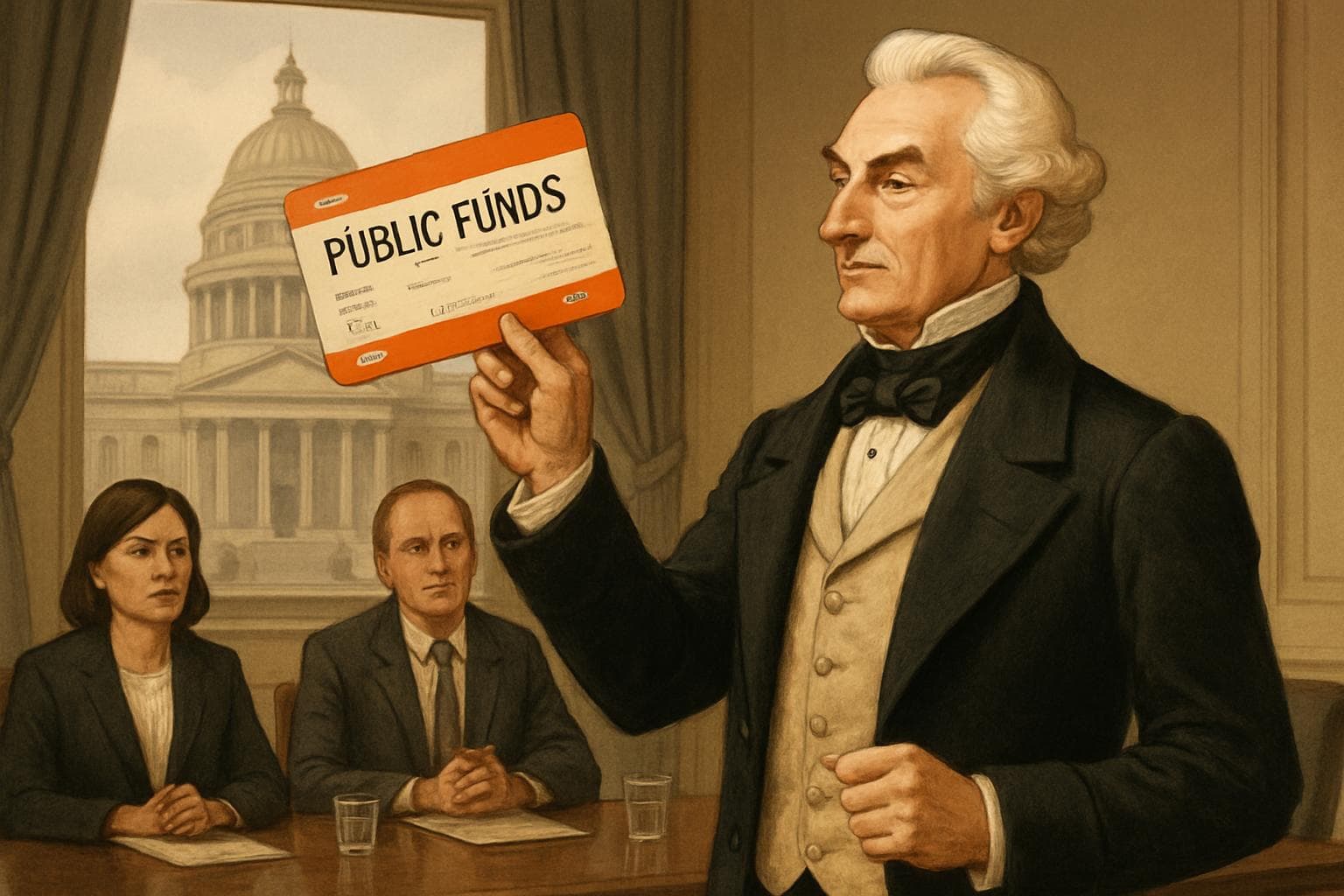
The Earl of Shrewsbury, a hereditary peer, has been suspended from the House of Lords for two weeks following a breach of parliamentary rules concerning the misuse of travel expenses. This marks the second time in three years that the Earl has faced suspension, raising questions about the accountability of peers and the enforcement of parliamentary standards.
Misuse of Travel Expenses
The House of Lords Conduct Committee found that the Earl, whose full name is Charles Henry John Benedict Crofton Chetwynd Chetwynd-Talbot, used a publicly funded rail ticket for a business meeting unrelated to his parliamentary duties. The incident occurred on January 17, 2024, when he traveled from London to Liverpool for a board meeting of Cheshire Land, a property development firm where he serves as a non-executive director. Additionally, he submitted false mileage claims for journeys he did not undertake, totaling 120 miles.
Previous Misconduct and Criticism
This recent suspension follows a nine-month ban in 2023 for lobbying on behalf of a healthcare company, for which he was paid £57,000. Campaigners, including Spotlight on Corruption, have criticized the latest punishment as insufficient, arguing that it reflects a troubling pattern of disregard for parliamentary rules. "There needs to be real consequences for those who repeatedly offend," a spokesperson for the campaign group stated.
Committee Findings and Peer Response
The Conduct Committee's report acknowledged the small financial sum involved—just under £200—and noted that the Earl promptly admitted his wrongdoing, reimbursed the funds, and offered a full apology. The committee found no evidence of deliberate dishonesty but emphasized the need for peers to maintain a clear distinction between parliamentary and business activities.
The Earl of Shrewsbury did not contest the findings or the recommended sanction. In a leaked email, he reportedly told fellow directors that the "government pays" for his travel, further fueling criticism of his actions.
WHAT THIS MIGHT MEAN
The repeated suspensions of the Earl of Shrewsbury underscore ongoing concerns about the accountability of hereditary peers in the House of Lords. As public scrutiny intensifies, there may be increased calls for reform to ensure stricter enforcement of parliamentary rules and more severe consequences for breaches. Experts suggest that the case could prompt a broader review of the privileges and responsibilities of peers, potentially leading to legislative changes aimed at preventing the misuse of public funds. The situation also highlights the need for greater transparency and oversight in the conduct of those holding hereditary titles within the UK's political system.
Images from the Web

Related Articles

Labour MP's Husband Arrested in UK-China Espionage Probe

Nottingham Attacks Inquiry: Families Demand Accountability and Truth

Global Counsel Faces Collapse Amidst Epstein Scandal Fallout

Rising Measles Cases in the UK Spark Urgent Vaccination Campaign

US Congress Seeks Testimony from Peter Mandelson Over Epstein Ties

Bafta Film Awards 2026: A Night of Glamour and Identity Challenges
Earl of Shrewsbury Suspended Again for Misuse of Public Funds
In This Article
 Ethan Brooks| Published
 HIGHLIGHTS
- The Earl of Shrewsbury has been suspended from the House of Lords for two weeks after misusing travel expenses for non-parliamentary purposes.
- This marks the second suspension in three years for the hereditary peer, following a previous nine-month ban for lobbying violations.
- Campaigners criticize the punishment as too lenient, citing a pattern of disregard for parliamentary rules.
- The House of Lords Conduct Committee found no evidence of deliberate dishonesty, noting the peer's quick admission and reimbursement of £199.52.
- The case highlights ongoing concerns about the accountability of hereditary peers and the misuse of public funds.
The Earl of Shrewsbury, a hereditary peer, has been suspended from the House of Lords for two weeks following a breach of parliamentary rules concerning the misuse of travel expenses. This marks the second time in three years that the Earl has faced suspension, raising questions about the accountability of peers and the enforcement of parliamentary standards.
Misuse of Travel Expenses
The House of Lords Conduct Committee found that the Earl, whose full name is Charles Henry John Benedict Crofton Chetwynd Chetwynd-Talbot, used a publicly funded rail ticket for a business meeting unrelated to his parliamentary duties. The incident occurred on January 17, 2024, when he traveled from London to Liverpool for a board meeting of Cheshire Land, a property development firm where he serves as a non-executive director. Additionally, he submitted false mileage claims for journeys he did not undertake, totaling 120 miles.
Previous Misconduct and Criticism
This recent suspension follows a nine-month ban in 2023 for lobbying on behalf of a healthcare company, for which he was paid £57,000. Campaigners, including Spotlight on Corruption, have criticized the latest punishment as insufficient, arguing that it reflects a troubling pattern of disregard for parliamentary rules. "There needs to be real consequences for those who repeatedly offend," a spokesperson for the campaign group stated.
Committee Findings and Peer Response
The Conduct Committee's report acknowledged the small financial sum involved—just under £200—and noted that the Earl promptly admitted his wrongdoing, reimbursed the funds, and offered a full apology. The committee found no evidence of deliberate dishonesty but emphasized the need for peers to maintain a clear distinction between parliamentary and business activities.
The Earl of Shrewsbury did not contest the findings or the recommended sanction. In a leaked email, he reportedly told fellow directors that the "government pays" for his travel, further fueling criticism of his actions.
WHAT THIS MIGHT MEAN
The repeated suspensions of the Earl of Shrewsbury underscore ongoing concerns about the accountability of hereditary peers in the House of Lords. As public scrutiny intensifies, there may be increased calls for reform to ensure stricter enforcement of parliamentary rules and more severe consequences for breaches. Experts suggest that the case could prompt a broader review of the privileges and responsibilities of peers, potentially leading to legislative changes aimed at preventing the misuse of public funds. The situation also highlights the need for greater transparency and oversight in the conduct of those holding hereditary titles within the UK's political system.
Images from the Web
Related Articles
Labour MP's Husband Arrested in UK-China Espionage Probe
Nottingham Attacks Inquiry: Families Demand Accountability and Truth
Global Counsel Faces Collapse Amidst Epstein Scandal Fallout
Rising Measles Cases in the UK Spark Urgent Vaccination Campaign
US Congress Seeks Testimony from Peter Mandelson Over Epstein Ties
Bafta Film Awards 2026: A Night of Glamour and Identity Challenges