
Edward Jenner's Historic Vaccination Hut Added to Heritage at Risk Register
In This Article
HIGHLIGHTS
- Edward Jenner's historic hut, known as the "Temple of Vaccinia," has been added to the Heritage at Risk Register due to urgent repair needs.
- The hut, located in Berkeley, Gloucestershire, is where Jenner conducted the first smallpox vaccinations in 1796.
- Historic England is collaborating with the National Lottery Heritage Fund to restore the site, emphasizing its global significance in vaccination history.
- Two other Gloucestershire landmarks, St Oswald's Priory and a historic timber-framed townhouse, have been successfully restored and removed from the risk register.
- The restoration of Jenner's hut aims to preserve its legacy as the birthplace of immunology, highlighting its role in the eradication of smallpox.
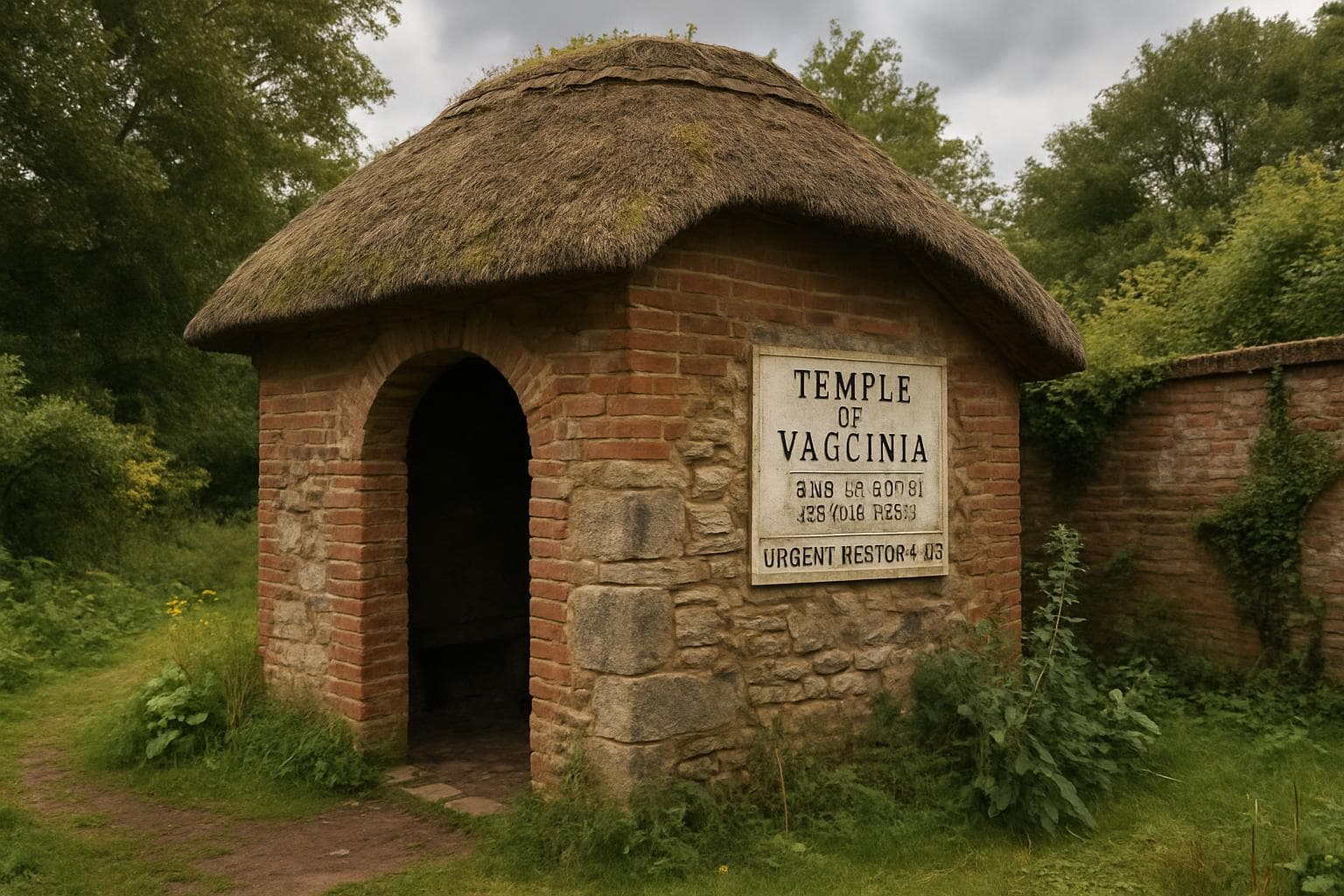
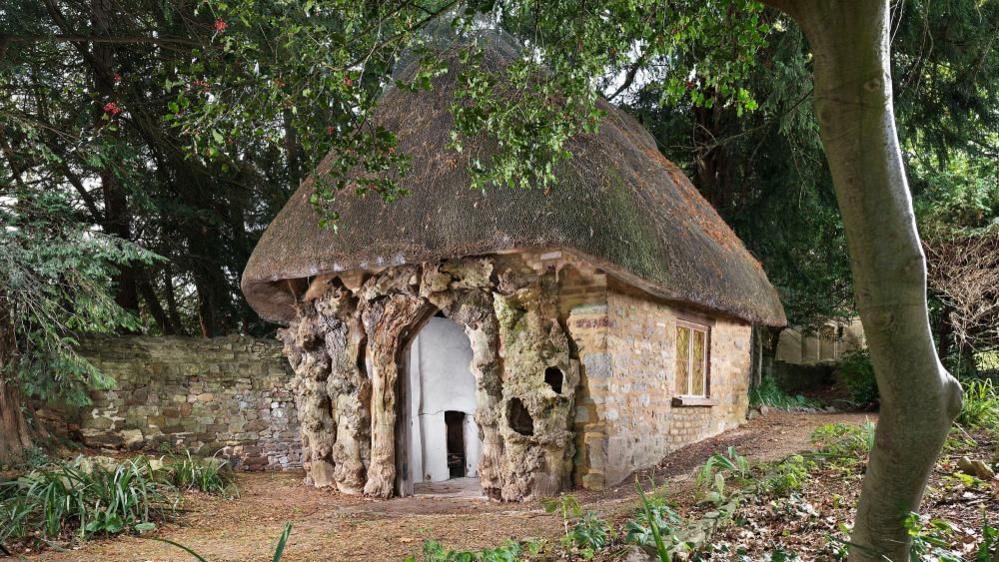
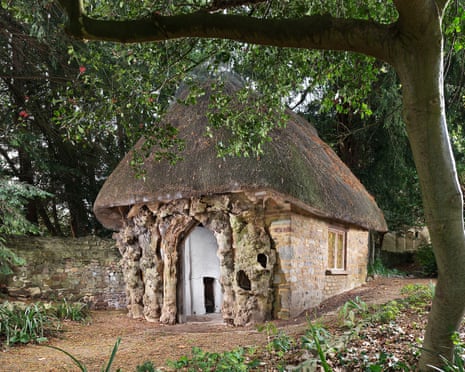
The humble garden hut in Berkeley, Gloucestershire, where Edward Jenner pioneered the first smallpox vaccinations, has been added to Historic England's Heritage at Risk Register. Known as the "Temple of Vaccinia," this unassuming structure is recognized as the birthplace of immunology, marking a pivotal moment in global public health.
Urgent Repairs Needed for a Historic Landmark
Built from brick and rubble stone with a simple thatched roof, Jenner's hut is in dire need of repairs to its roof, rear wall, and chimney. Historic England, in collaboration with the National Lottery Heritage Fund, is spearheading efforts to restore this iconic site. Claudia Kenyatta, co-chief executive of Historic England, emphasized the hut's historical importance, noting its role as the world's first vaccination clinic.
A Legacy of Global Impact
In 1796, Jenner used the hut to conduct groundbreaking experiments that led to the development of the smallpox vaccine. By inoculating an eight-year-old boy with material from cowpox blisters, Jenner demonstrated immunity to smallpox, a deadly disease at the time. This revolutionary work laid the foundation for the eventual eradication of smallpox, the only human disease to be completely eradicated.
Preserving Gloucestershire's Heritage
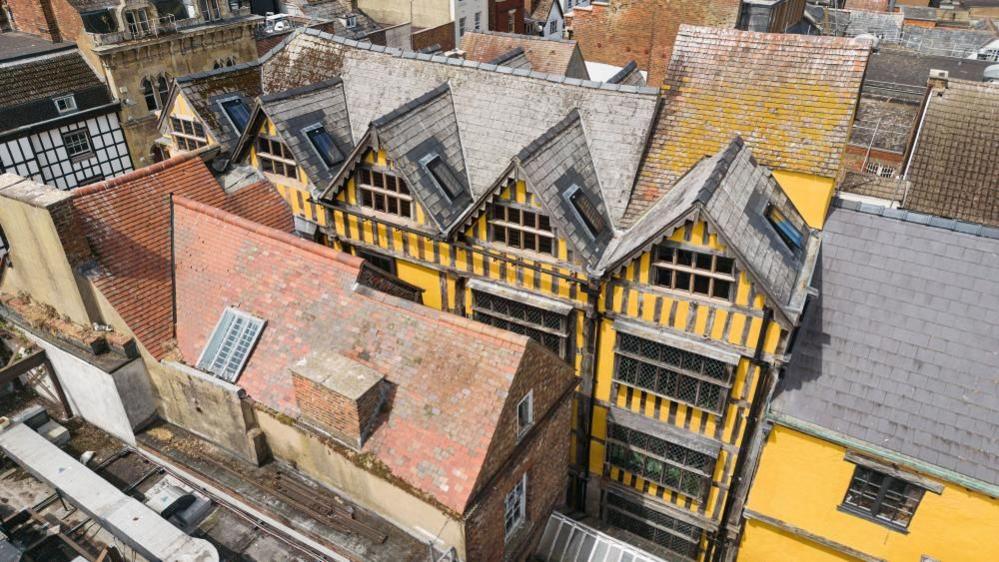
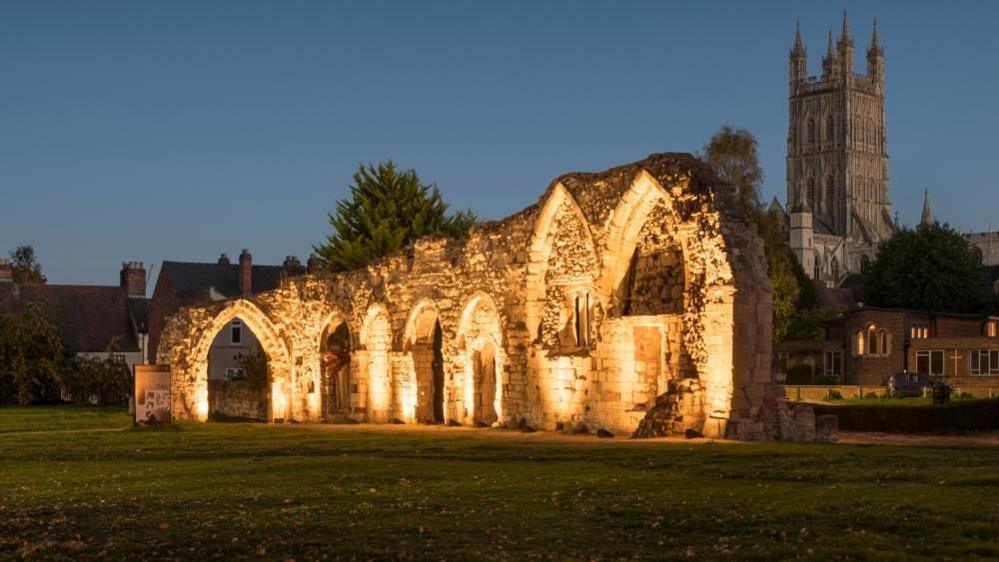
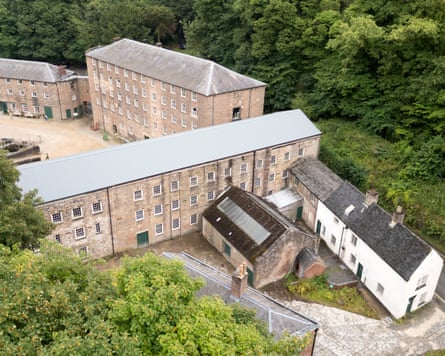
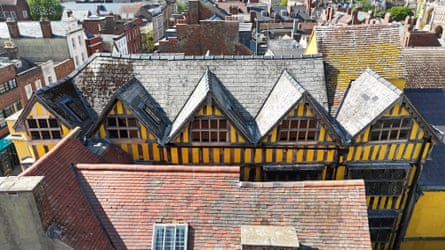
While Jenner's hut awaits restoration, two other historic sites in Gloucestershire have been successfully preserved. St Oswald's Priory, dating back to around 900 AD, and a 16th-century timber-framed townhouse in Gloucester have both been removed from the risk register following extensive restoration efforts. These projects underscore the importance of preserving the region's rich historical legacy.
WHAT THIS MIGHT MEAN
The restoration of Edward Jenner's hut is not only a preservation effort but also a celebration of a landmark in medical history. As work progresses, the site could become a focal point for educational initiatives, highlighting the significance of vaccination in public health. The successful restoration of other Gloucestershire landmarks demonstrates the potential for community engagement and tourism, potentially boosting local economies. Looking ahead, the preservation of such sites will continue to play a crucial role in maintaining the cultural and historical fabric of the region.
Images from the Web

Related Articles
Historic Norman Coin Hoard to Find Permanent Home in Somerset

UK Reinforces Military Presence in Cyprus Amid Middle East Tensions

MPs Call for Immediate Ban on High-Risk Cosmetic Procedures Amid Safety Concerns

Southbank Centre Secures Grade II Listed Status, Celebrating Brutalist Heritage

Innovative Fish Protection System at Hinkley Point C Aims to Save Marine Life

Search for Missing Crew Suspended After Massachusetts Fishing Boat Sinks
Edward Jenner's Historic Vaccination Hut Added to Heritage at Risk Register
In This Article
 Sofia Romano| Published
 HIGHLIGHTS
- Edward Jenner's historic hut, known as the "Temple of Vaccinia," has been added to the Heritage at Risk Register due to urgent repair needs.
- The hut, located in Berkeley, Gloucestershire, is where Jenner conducted the first smallpox vaccinations in 1796.
- Historic England is collaborating with the National Lottery Heritage Fund to restore the site, emphasizing its global significance in vaccination history.
- Two other Gloucestershire landmarks, St Oswald's Priory and a historic timber-framed townhouse, have been successfully restored and removed from the risk register.
- The restoration of Jenner's hut aims to preserve its legacy as the birthplace of immunology, highlighting its role in the eradication of smallpox.
The humble garden hut in Berkeley, Gloucestershire, where Edward Jenner pioneered the first smallpox vaccinations, has been added to Historic England's Heritage at Risk Register. Known as the "Temple of Vaccinia," this unassuming structure is recognized as the birthplace of immunology, marking a pivotal moment in global public health.
Urgent Repairs Needed for a Historic Landmark
Built from brick and rubble stone with a simple thatched roof, Jenner's hut is in dire need of repairs to its roof, rear wall, and chimney. Historic England, in collaboration with the National Lottery Heritage Fund, is spearheading efforts to restore this iconic site. Claudia Kenyatta, co-chief executive of Historic England, emphasized the hut's historical importance, noting its role as the world's first vaccination clinic.
A Legacy of Global Impact
In 1796, Jenner used the hut to conduct groundbreaking experiments that led to the development of the smallpox vaccine. By inoculating an eight-year-old boy with material from cowpox blisters, Jenner demonstrated immunity to smallpox, a deadly disease at the time. This revolutionary work laid the foundation for the eventual eradication of smallpox, the only human disease to be completely eradicated.
Preserving Gloucestershire's Heritage
While Jenner's hut awaits restoration, two other historic sites in Gloucestershire have been successfully preserved. St Oswald's Priory, dating back to around 900 AD, and a 16th-century timber-framed townhouse in Gloucester have both been removed from the risk register following extensive restoration efforts. These projects underscore the importance of preserving the region's rich historical legacy.
WHAT THIS MIGHT MEAN
The restoration of Edward Jenner's hut is not only a preservation effort but also a celebration of a landmark in medical history. As work progresses, the site could become a focal point for educational initiatives, highlighting the significance of vaccination in public health. The successful restoration of other Gloucestershire landmarks demonstrates the potential for community engagement and tourism, potentially boosting local economies. Looking ahead, the preservation of such sites will continue to play a crucial role in maintaining the cultural and historical fabric of the region.
Images from the Web
Related Articles
Historic Norman Coin Hoard to Find Permanent Home in Somerset
UK Reinforces Military Presence in Cyprus Amid Middle East Tensions
MPs Call for Immediate Ban on High-Risk Cosmetic Procedures Amid Safety Concerns
Southbank Centre Secures Grade II Listed Status, Celebrating Brutalist Heritage
Innovative Fish Protection System at Hinkley Point C Aims to Save Marine Life
Search for Missing Crew Suspended After Massachusetts Fishing Boat Sinks