
Innovative Fish Protection System at Hinkley Point C Aims to Save Marine Life
In This Article
HIGHLIGHTS
- Hinkley Point C's £50m ultrasound system effectively deters fish from cooling pipes, potentially saving 90% of fish.
- The system, dubbed the "fish disco," uses over 300 speakers to emit sound pulses, reducing fish intake significantly.
- Successful trials may prevent flooding 900 acres of Gloucestershire farmland, initially planned to compensate for fish loss.
- EDF Energy plans to invest £700m in the system, which is 1.5% of the nuclear plant's total £46bn cost.
- The Severn Estuary's marine life, including protected species like the twaite shad, benefits from this innovative technology.
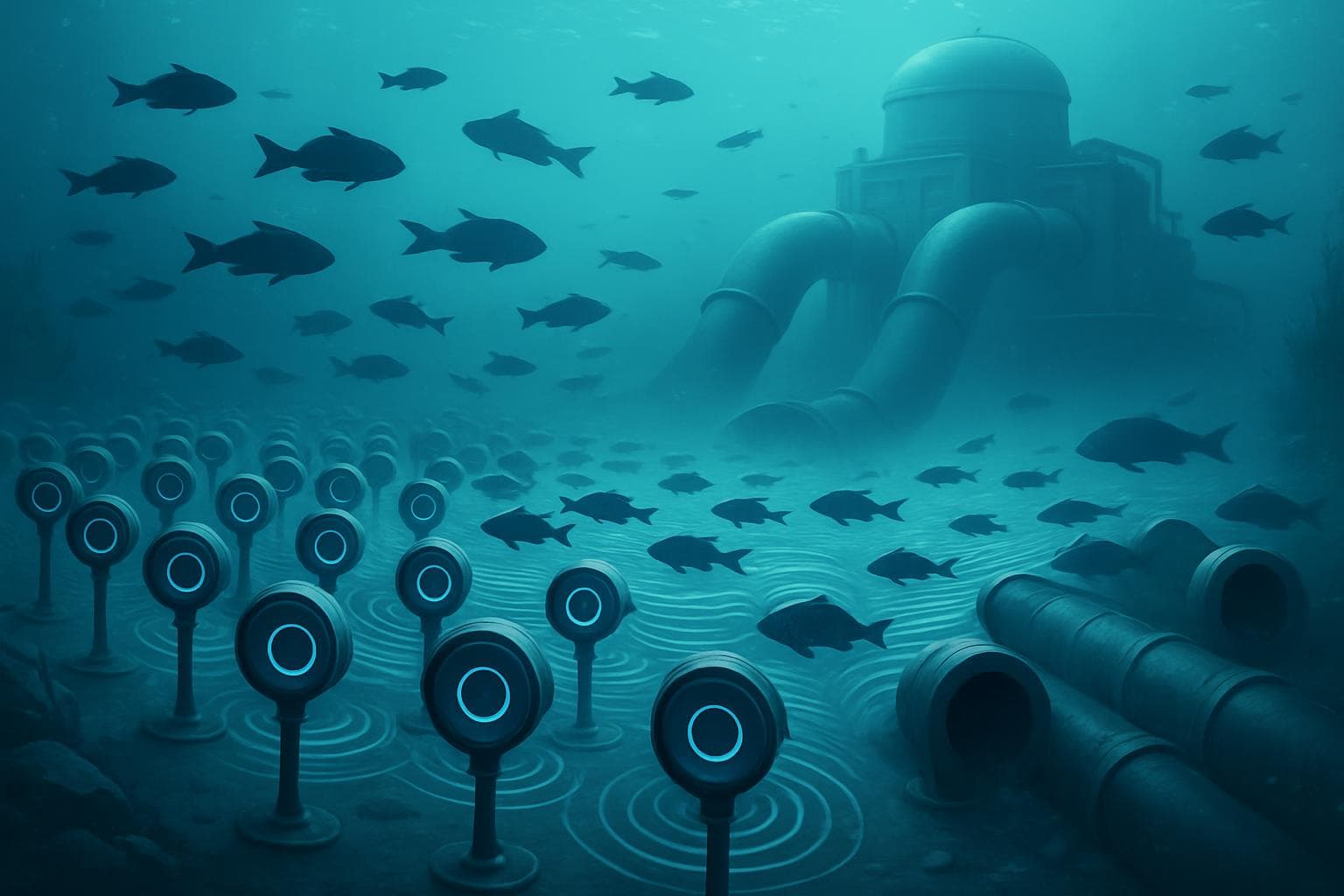
A groundbreaking £50 million ultrasound system, designed to protect fish from being drawn into the cooling pipes of the Hinkley Point C nuclear power station, has shown promising results. The system, informally known as the "fish disco," has been tested successfully in the Severn Estuary, potentially saving 90% of the fish population from the plant's water intake pipes.
Effective Deterrent System
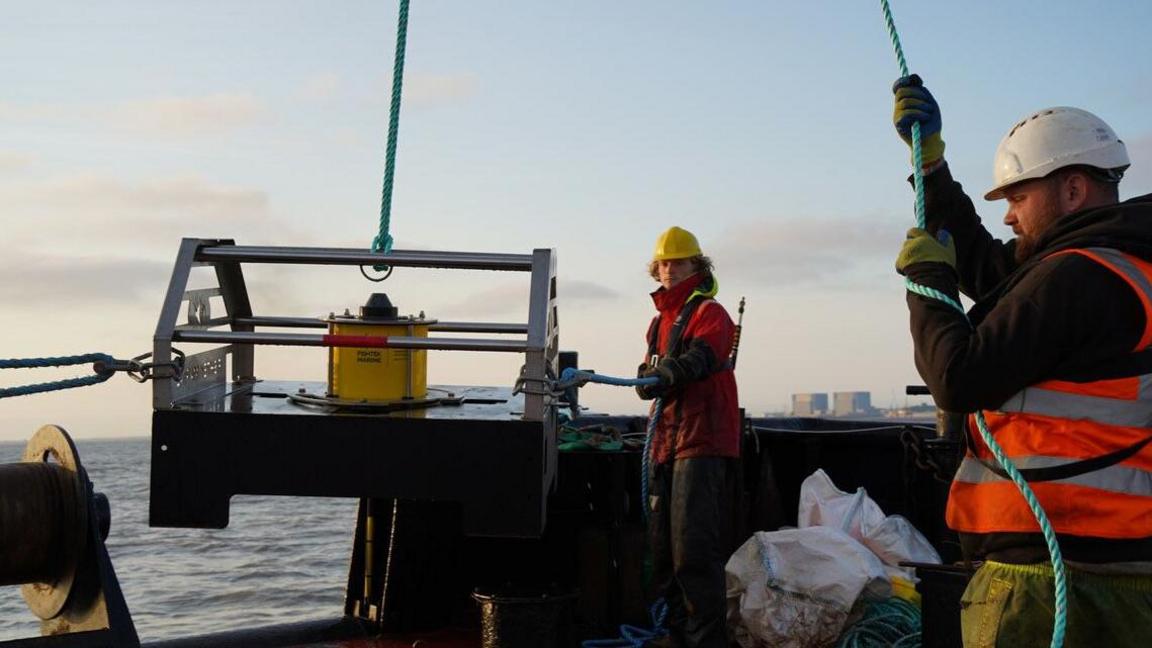
Engineers at Hinkley Point C, located in Somerset, have collaborated with Swansea University to test this acoustic deterrent system. Over 300 underwater speakers emit sound pulses, effectively repelling fish from the intake pipes. The trials demonstrated that only one tagged twaite shad approached the intake heads, compared to 14 before the system was activated. Chris Fayers, head of environment at Hinkley Point C, noted that the system has been working "really well," highlighting its potential as a model for other power stations worldwide.
Environmental and Economic Implications
The success of the "fish disco" could eliminate the need to flood 900 acres of farmland in Gloucestershire, initially proposed as a compensatory habitat for fish. This development is significant for local farmers who faced losing their land. EDF Energy, the developer of Hinkley Point C, plans to invest £700 million in the system, representing 1.5% of the nuclear plant's total £46 billion cost. Despite the expense, EDF argues that the system provides unparalleled fish protection, safeguarding approximately 44 tonnes of fish annually.
Broader Impact on Marine Life
The Severn Estuary, home to diverse marine life including the protected twaite shad, stands to benefit significantly from this technology. Dr. David Clarke, a fisheries scientist at Swansea University, described the early results as "very encouraging," with the system effectively deterring fish from the intake area. The research also found that migrating salmon generally avoid the intake pipes, further underscoring the system's effectiveness.
WHAT THIS MIGHT MEAN
The successful implementation of the acoustic deterrent system at Hinkley Point C could set a precedent for future nuclear power projects, emphasizing the importance of marine life conservation. If adopted widely, this technology could revolutionize how power stations interact with their aquatic environments, potentially influencing regulatory standards globally. As EDF Energy absorbs the cost of this system, it may prompt discussions on balancing environmental responsibilities with economic considerations in the energy sector. The ongoing monitoring and refinement of this system will be crucial in assessing its long-term impact and viability as a sustainable solution for protecting marine ecosystems.
Images from the Web

Related Articles

King Charles Champions Environmental Harmony in New Documentary

Storm Chandra Causes Widespread Flooding Across Southwest England

Rising Waters in Somerset Prompt Major Incident Declaration Amidst Climate Concerns

Storm Chandra Aftermath: Flood Alerts and Weather Warnings Persist Across South-West England

Unprecedented Flooding in Somerset Sparks Community Response and Raises Climate Concerns

UK Reinforces Military Presence in Cyprus Amid Middle East Tensions
Innovative Fish Protection System at Hinkley Point C Aims to Save Marine Life
In This Article
 Leila Hassan| Published
 HIGHLIGHTS
- Hinkley Point C's £50m ultrasound system effectively deters fish from cooling pipes, potentially saving 90% of fish.
- The system, dubbed the "fish disco," uses over 300 speakers to emit sound pulses, reducing fish intake significantly.
- Successful trials may prevent flooding 900 acres of Gloucestershire farmland, initially planned to compensate for fish loss.
- EDF Energy plans to invest £700m in the system, which is 1.5% of the nuclear plant's total £46bn cost.
- The Severn Estuary's marine life, including protected species like the twaite shad, benefits from this innovative technology.
A groundbreaking £50 million ultrasound system, designed to protect fish from being drawn into the cooling pipes of the Hinkley Point C nuclear power station, has shown promising results. The system, informally known as the "fish disco," has been tested successfully in the Severn Estuary, potentially saving 90% of the fish population from the plant's water intake pipes.
Effective Deterrent System
Engineers at Hinkley Point C, located in Somerset, have collaborated with Swansea University to test this acoustic deterrent system. Over 300 underwater speakers emit sound pulses, effectively repelling fish from the intake pipes. The trials demonstrated that only one tagged twaite shad approached the intake heads, compared to 14 before the system was activated. Chris Fayers, head of environment at Hinkley Point C, noted that the system has been working "really well," highlighting its potential as a model for other power stations worldwide.
Environmental and Economic Implications
The success of the "fish disco" could eliminate the need to flood 900 acres of farmland in Gloucestershire, initially proposed as a compensatory habitat for fish. This development is significant for local farmers who faced losing their land. EDF Energy, the developer of Hinkley Point C, plans to invest £700 million in the system, representing 1.5% of the nuclear plant's total £46 billion cost. Despite the expense, EDF argues that the system provides unparalleled fish protection, safeguarding approximately 44 tonnes of fish annually.
Broader Impact on Marine Life
The Severn Estuary, home to diverse marine life including the protected twaite shad, stands to benefit significantly from this technology. Dr. David Clarke, a fisheries scientist at Swansea University, described the early results as "very encouraging," with the system effectively deterring fish from the intake area. The research also found that migrating salmon generally avoid the intake pipes, further underscoring the system's effectiveness.
WHAT THIS MIGHT MEAN
The successful implementation of the acoustic deterrent system at Hinkley Point C could set a precedent for future nuclear power projects, emphasizing the importance of marine life conservation. If adopted widely, this technology could revolutionize how power stations interact with their aquatic environments, potentially influencing regulatory standards globally. As EDF Energy absorbs the cost of this system, it may prompt discussions on balancing environmental responsibilities with economic considerations in the energy sector. The ongoing monitoring and refinement of this system will be crucial in assessing its long-term impact and viability as a sustainable solution for protecting marine ecosystems.
Images from the Web
Related Articles
King Charles Champions Environmental Harmony in New Documentary
Storm Chandra Causes Widespread Flooding Across Southwest England
Rising Waters in Somerset Prompt Major Incident Declaration Amidst Climate Concerns
Storm Chandra Aftermath: Flood Alerts and Weather Warnings Persist Across South-West England
Unprecedented Flooding in Somerset Sparks Community Response and Raises Climate Concerns
UK Reinforces Military Presence in Cyprus Amid Middle East Tensions