
Rising Waters in Somerset Prompt Major Incident Declaration Amidst Climate Concerns
In This Article
HIGHLIGHTS
- Water levels in Somerset have risen to 4.36m, nearly 1m above normal, following heavy rainfall from Storm Chandra.
- A major incident has been declared, with 50 properties already flooded and more expected due to ongoing rain.
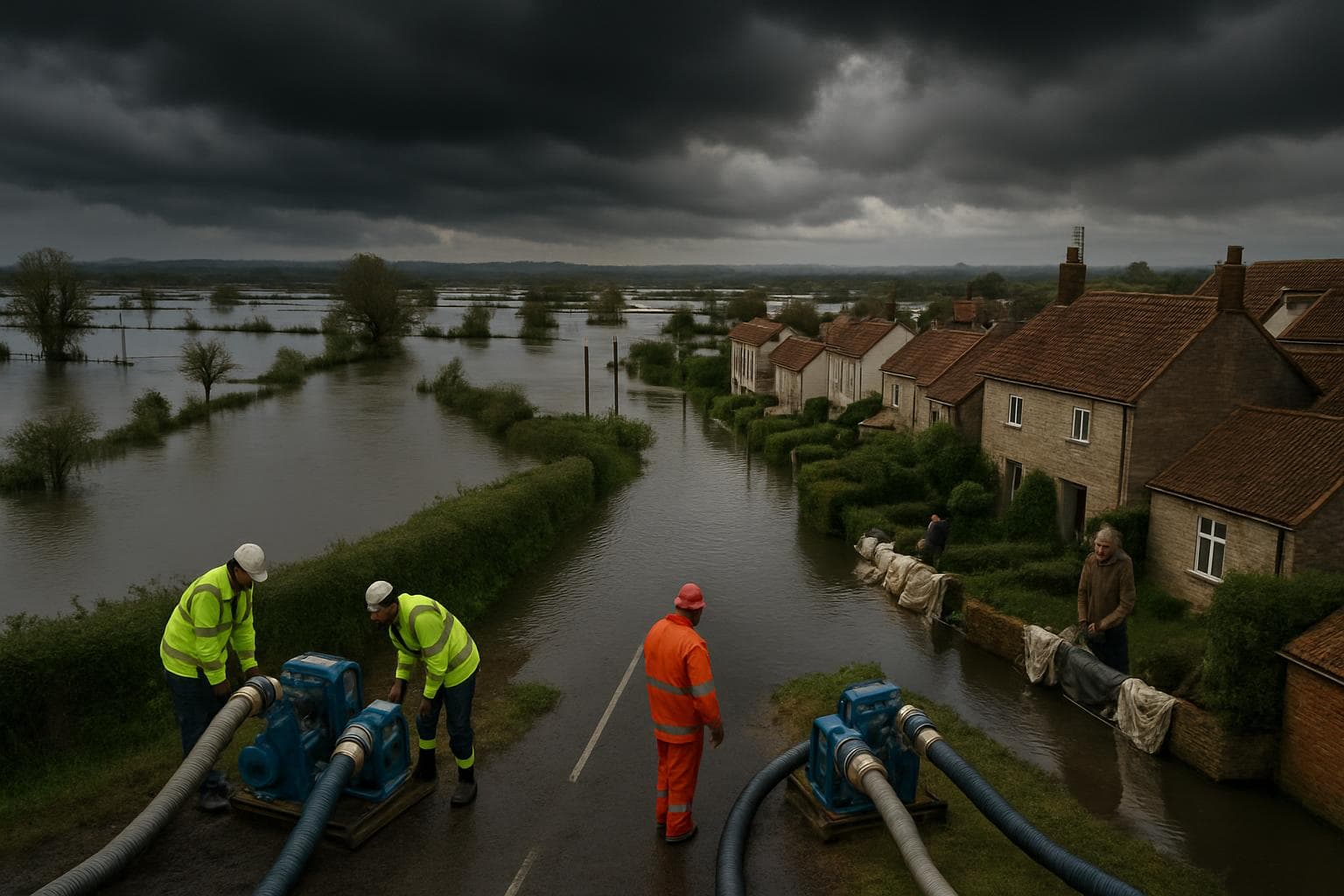
- Emergency pumps are operating at Northmoor, but upstream pumps near Burrowbridge remain inactive due to high river levels.
- Residents express anxiety and frustration, with some preparing for potential evacuation as water levels continue to rise.
- Climate change is contributing to more frequent intense rainfall, raising concerns about long-term habitation in affected areas.
Water levels in Somerset continue to rise alarmingly, prompting local authorities to declare a major incident as the region grapples with the aftermath of Storm Chandra. Despite a dry night, the Somerset Levels have recorded water levels of 4.36 meters, nearly a meter above the typical range, due to the storm's heavy rainfall earlier this week.
Emergency Response and Weather Warnings
The Environment Agency (EA) has activated all available emergency pumps at Northmoor Pumping Station to mitigate the flooding risk. However, pumps upstream near Burrowbridge remain inactive until river levels decrease. A yellow weather warning remains in effect, with further rain expected to exacerbate the situation.
Ian Withers, Wessex area director for the EA, expressed cautious optimism, stating, "We are in a good situation with pumps operating, and we will use them judiciously to manage incoming water." However, he acknowledged the saturated state of the county, noting that even minimal rainfall could worsen conditions.
Community Impact and Concerns
Residents in affected areas, such as Fordgate and Moorland, are on high alert. Paula Baker, a Fordgate resident, shared her anxiety, having received flood warnings that disrupted her travel plans. Julian Taylor, also from Fordgate, has moved belongings upstairs in anticipation of potential evacuation, citing the rapid water rise as faster than in 2014.
The Somerset Rivers Authority, led by Mike Stanton, highlighted the ongoing struggle against flooding, exacerbated by climate change. "Intense rainfall is hitting us more often," Stanton remarked, suggesting that some homes might need to be abandoned in the coming decades.
Long-term Challenges and Climate Change
The persistent flooding underscores the challenges posed by climate change, with increased rainfall frequency threatening the region's habitability. Local efforts, including dredging the River Parrett and constructing embankments, aim to protect properties, but the situation remains precarious.
As Somerset braces for more rain, the community's resilience is tested, with emergency services and residents working tirelessly to safeguard homes and livelihoods.
WHAT THIS MIGHT MEAN
Looking ahead, Somerset faces significant challenges in managing flood risks, particularly as climate change intensifies weather patterns. The ongoing situation may prompt a reevaluation of flood management strategies, potentially leading to increased investment in infrastructure and community preparedness. Experts warn that without substantial intervention, the region could see more frequent and severe flooding, necessitating difficult decisions about future habitation in vulnerable areas. As authorities and residents navigate these challenges, the focus will likely shift towards sustainable solutions to mitigate the long-term impacts of climate change on the Somerset Levels.
Related Articles

Storm Chandra Aftermath: Flood Alerts and Weather Warnings Persist Across South-West England
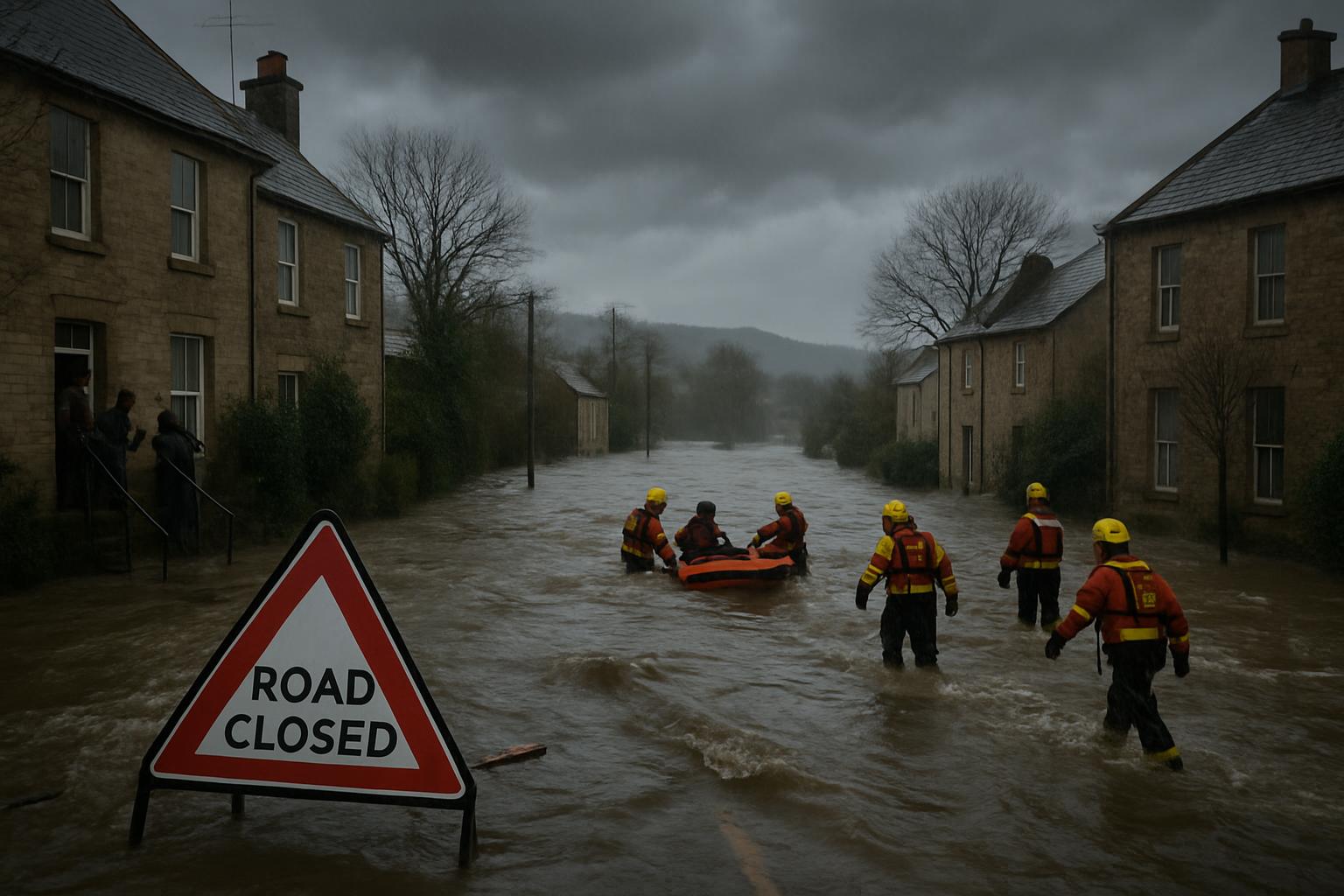
Storm Chandra Causes Widespread Flooding Across Southwest England
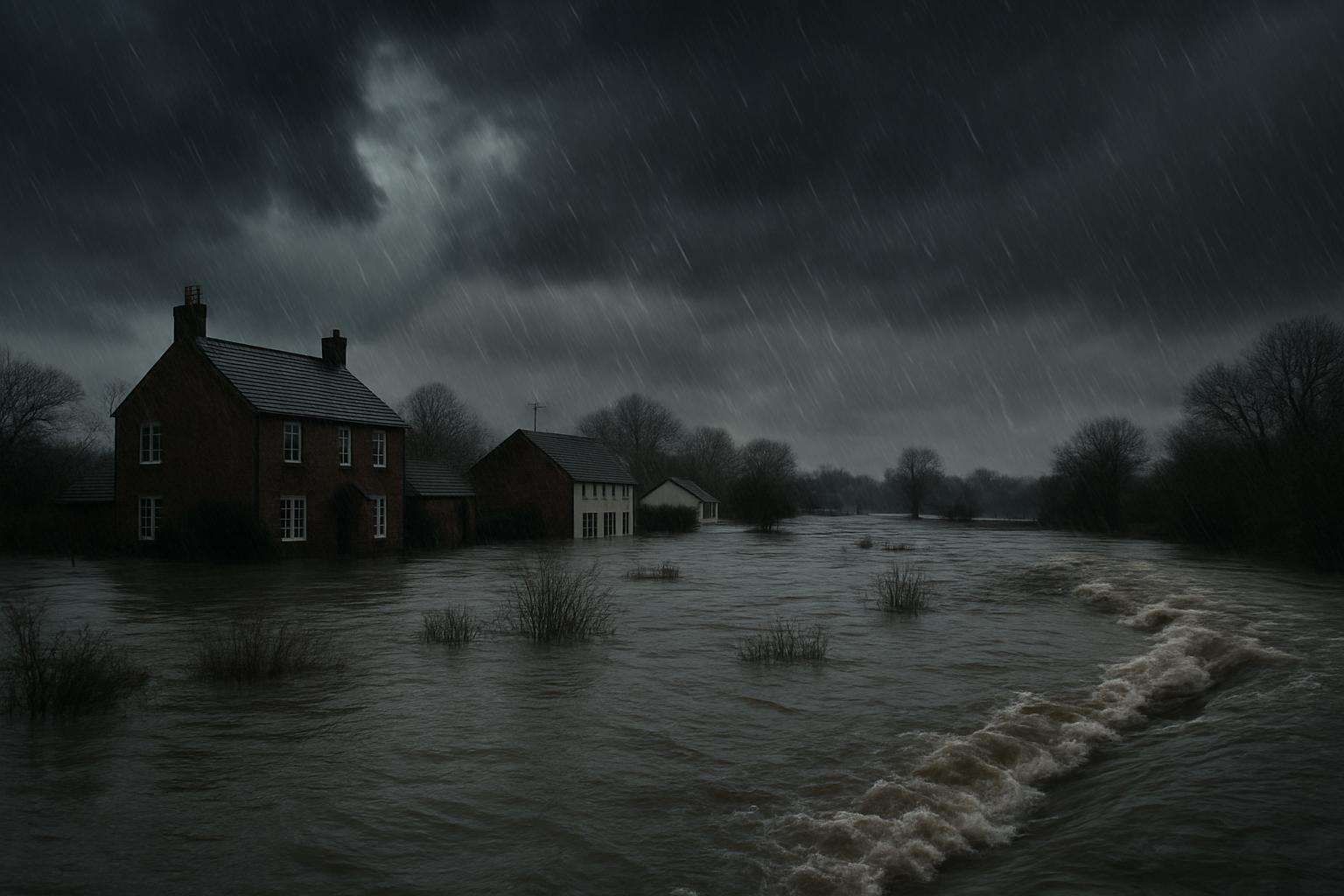
UK Faces Persistent Flooding Amid Record Wet Winter
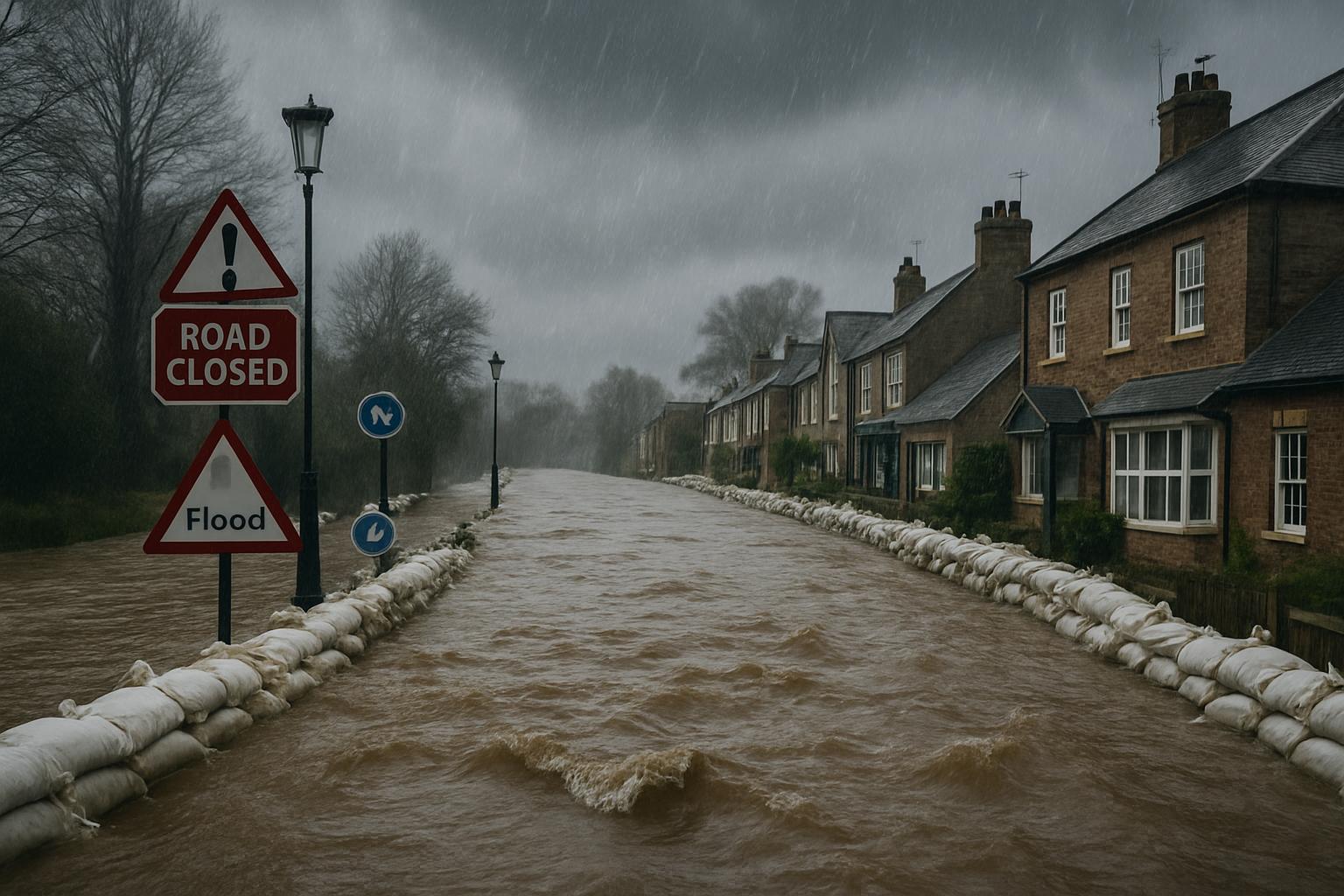
UK Braces for More Flooding as Heavy Rain Warnings Issued
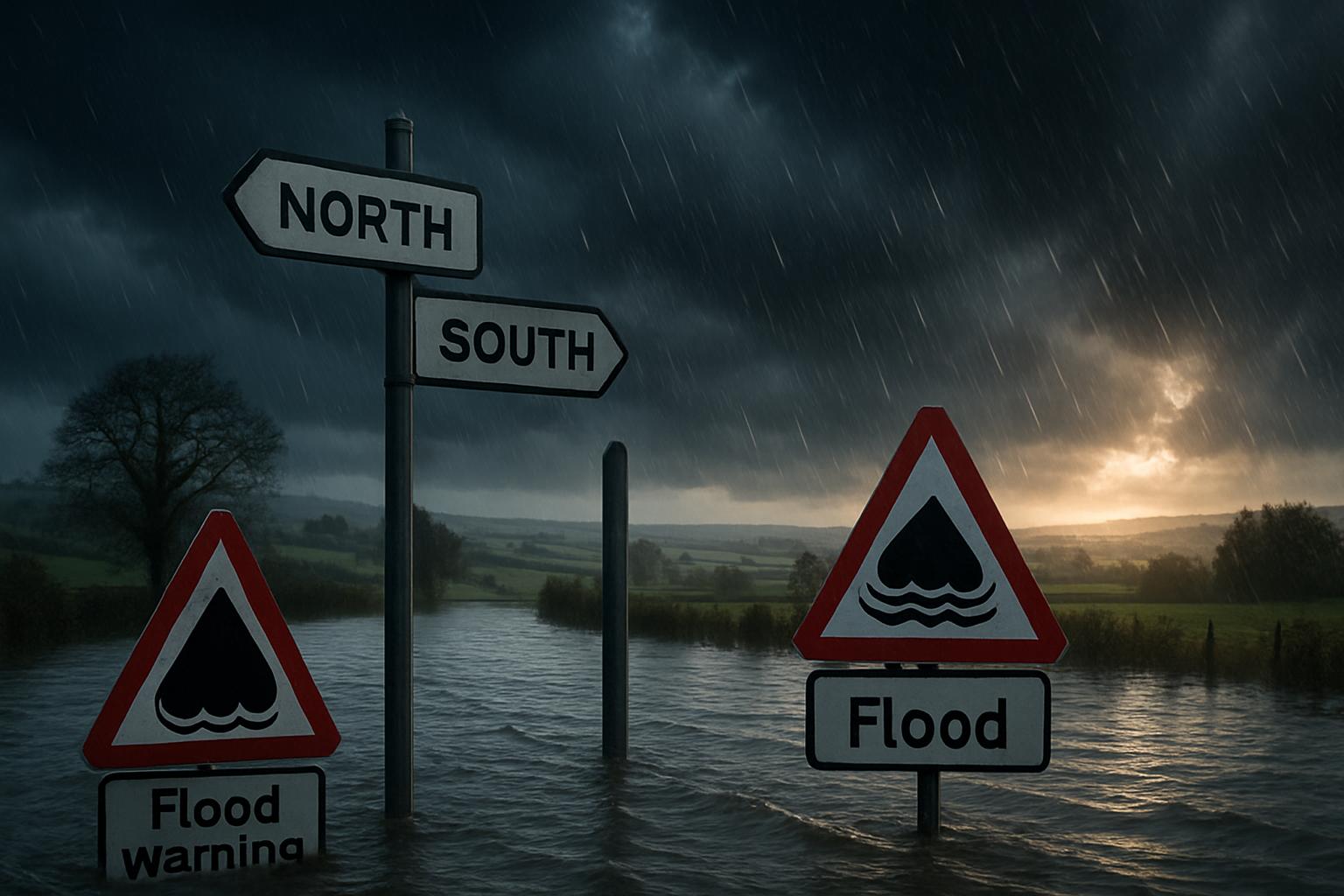
UK Faces Persistent Flood Warnings Amid Record Rainfall

Storm Chandra Brings Severe Weather and Disruptions Across the UK
Rising Waters in Somerset Prompt Major Incident Declaration Amidst Climate Concerns
In This Article
 Leila Hassan| Published
 HIGHLIGHTS
- Water levels in Somerset have risen to 4.36m, nearly 1m above normal, following heavy rainfall from Storm Chandra.
- A major incident has been declared, with 50 properties already flooded and more expected due to ongoing rain.
- Emergency pumps are operating at Northmoor, but upstream pumps near Burrowbridge remain inactive due to high river levels.
- Residents express anxiety and frustration, with some preparing for potential evacuation as water levels continue to rise.
- Climate change is contributing to more frequent intense rainfall, raising concerns about long-term habitation in affected areas.
Water levels in Somerset continue to rise alarmingly, prompting local authorities to declare a major incident as the region grapples with the aftermath of Storm Chandra. Despite a dry night, the Somerset Levels have recorded water levels of 4.36 meters, nearly a meter above the typical range, due to the storm's heavy rainfall earlier this week.
Emergency Response and Weather Warnings
The Environment Agency (EA) has activated all available emergency pumps at Northmoor Pumping Station to mitigate the flooding risk. However, pumps upstream near Burrowbridge remain inactive until river levels decrease. A yellow weather warning remains in effect, with further rain expected to exacerbate the situation.
Ian Withers, Wessex area director for the EA, expressed cautious optimism, stating, "We are in a good situation with pumps operating, and we will use them judiciously to manage incoming water." However, he acknowledged the saturated state of the county, noting that even minimal rainfall could worsen conditions.
Community Impact and Concerns
Residents in affected areas, such as Fordgate and Moorland, are on high alert. Paula Baker, a Fordgate resident, shared her anxiety, having received flood warnings that disrupted her travel plans. Julian Taylor, also from Fordgate, has moved belongings upstairs in anticipation of potential evacuation, citing the rapid water rise as faster than in 2014.
The Somerset Rivers Authority, led by Mike Stanton, highlighted the ongoing struggle against flooding, exacerbated by climate change. "Intense rainfall is hitting us more often," Stanton remarked, suggesting that some homes might need to be abandoned in the coming decades.
Long-term Challenges and Climate Change
The persistent flooding underscores the challenges posed by climate change, with increased rainfall frequency threatening the region's habitability. Local efforts, including dredging the River Parrett and constructing embankments, aim to protect properties, but the situation remains precarious.
As Somerset braces for more rain, the community's resilience is tested, with emergency services and residents working tirelessly to safeguard homes and livelihoods.
WHAT THIS MIGHT MEAN
Looking ahead, Somerset faces significant challenges in managing flood risks, particularly as climate change intensifies weather patterns. The ongoing situation may prompt a reevaluation of flood management strategies, potentially leading to increased investment in infrastructure and community preparedness. Experts warn that without substantial intervention, the region could see more frequent and severe flooding, necessitating difficult decisions about future habitation in vulnerable areas. As authorities and residents navigate these challenges, the focus will likely shift towards sustainable solutions to mitigate the long-term impacts of climate change on the Somerset Levels.
Related Articles
Storm Chandra Aftermath: Flood Alerts and Weather Warnings Persist Across South-West England
Storm Chandra Causes Widespread Flooding Across Southwest England
UK Faces Persistent Flooding Amid Record Wet Winter
UK Braces for More Flooding as Heavy Rain Warnings Issued
UK Faces Persistent Flood Warnings Amid Record Rainfall
Storm Chandra Brings Severe Weather and Disruptions Across the UK