
UK Faces Persistent Flooding Amid Record Wet Winter
In This Article
HIGHLIGHTS
- The UK is experiencing its wettest winter in years, with persistent rainfall causing widespread flooding and over 100 flood warnings in place.
- The Met Office predicts that wet winters could become more frequent due to climate change, potentially occurring once every 20 years instead of 80.
- Farmers and residents are struggling with the impact, as saturated soils and rising river levels threaten homes and crops.
- The Environment Agency has issued numerous flood alerts, urging residents to take precautions as more rain is expected.
- High pressure over Scandinavia is causing a blocked weather pattern, leading to continuous rainfall across the UK.
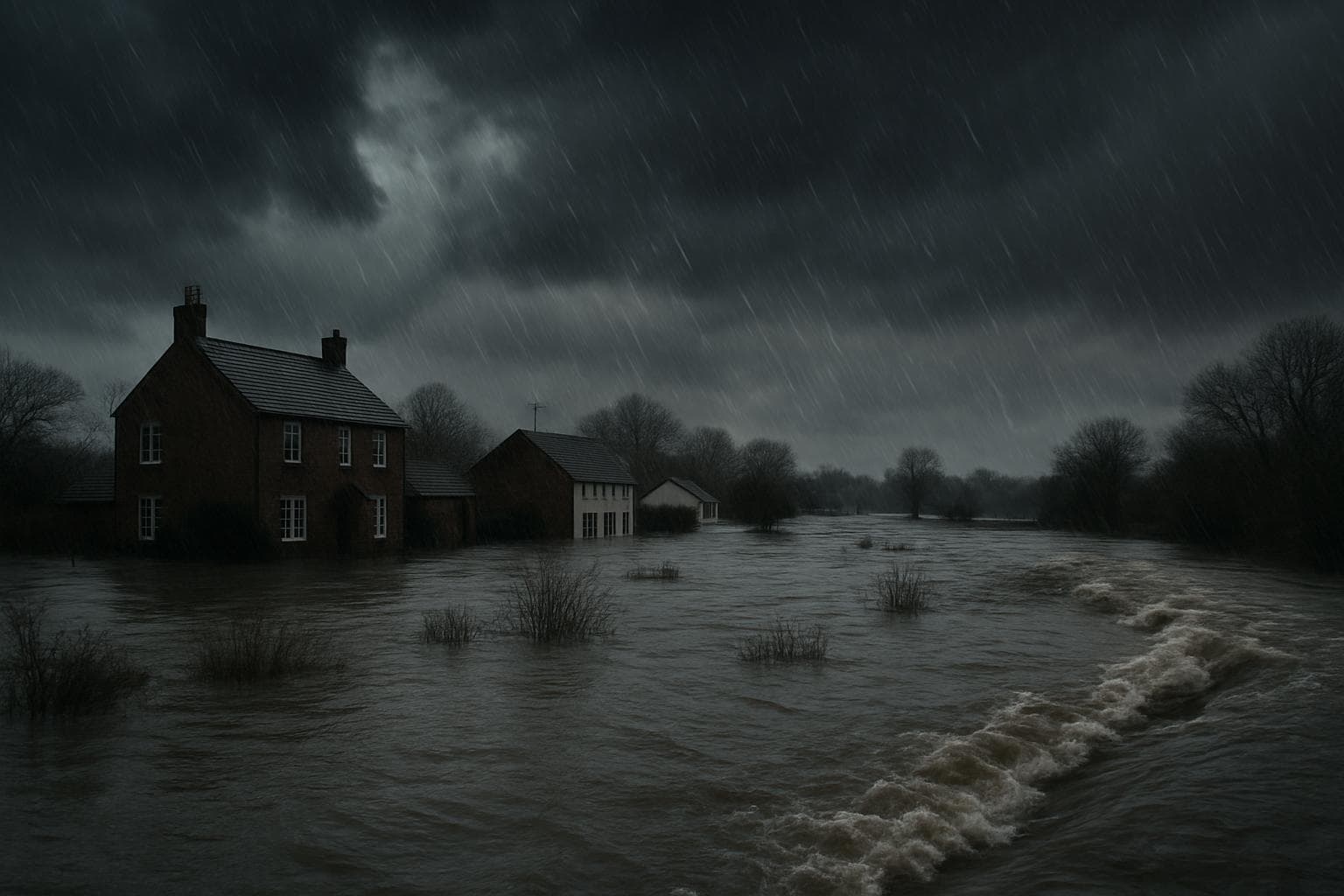
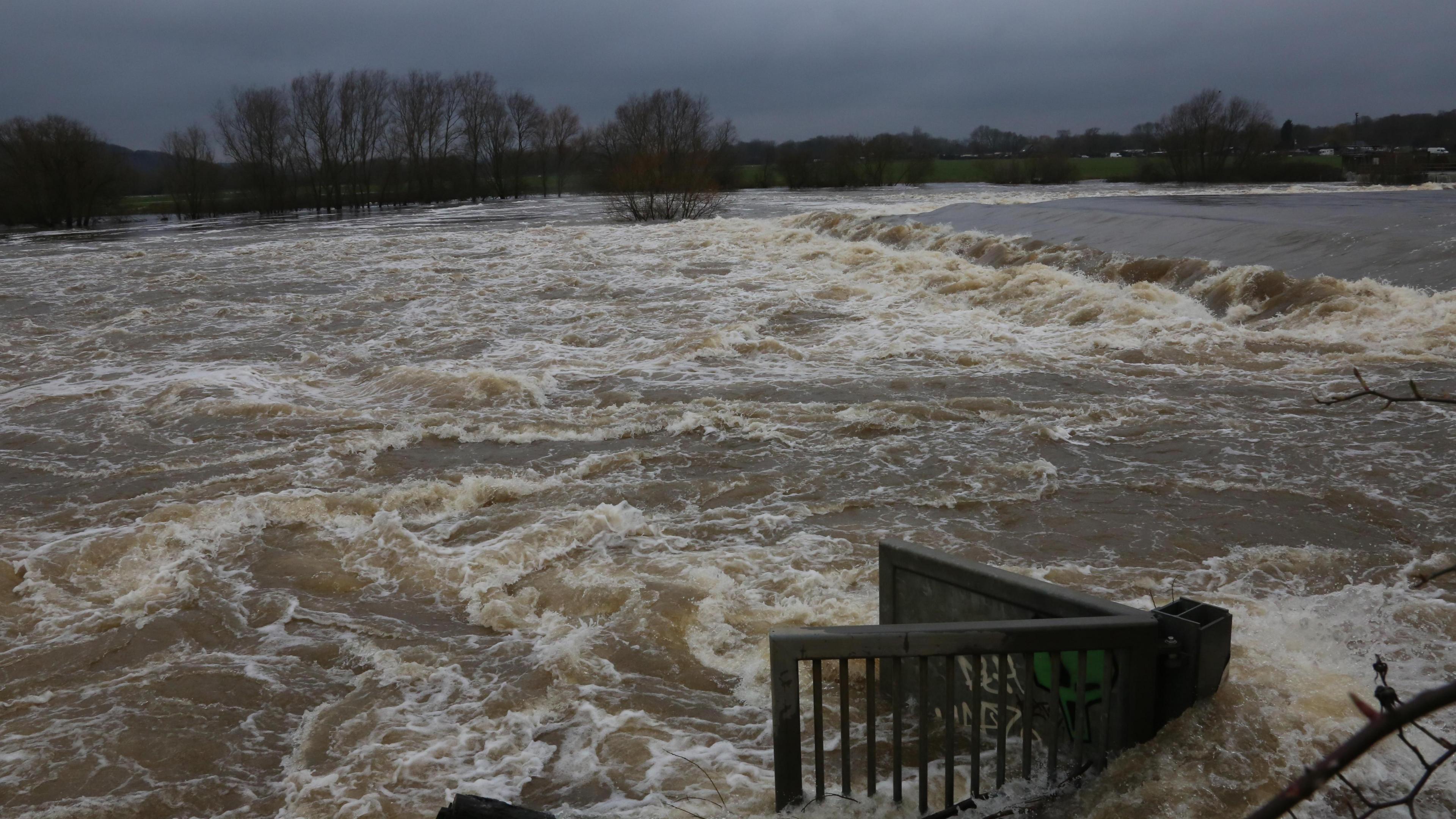
The United Kingdom is grappling with relentless rainfall this winter, leading to widespread flooding and significant disruption across the country. From Cornwall to County Down, regions have recorded their wettest January on record, with the Met Office warning that such wet winters could become more frequent due to climate change.
Record Rainfall and Flood Warnings
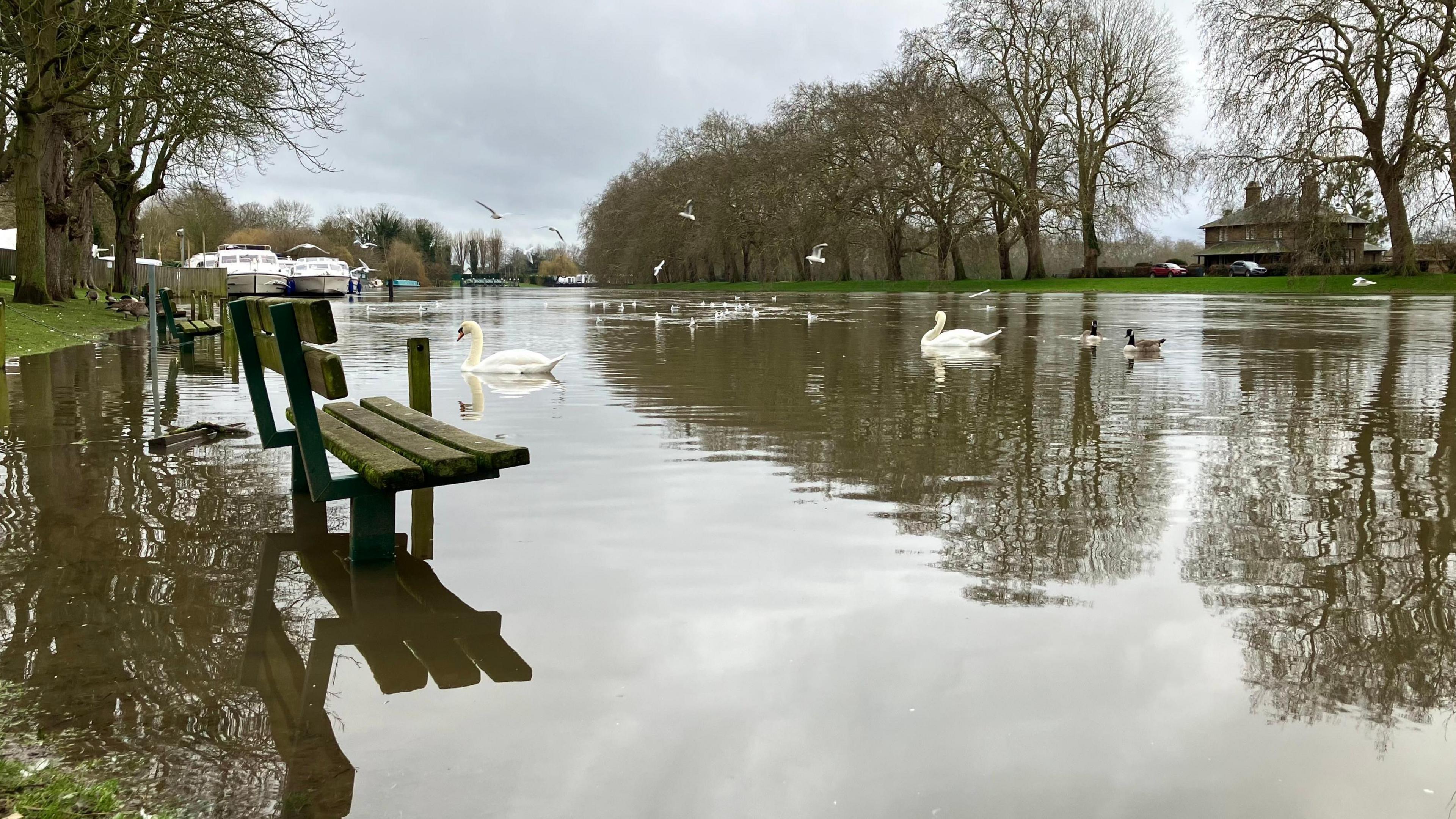
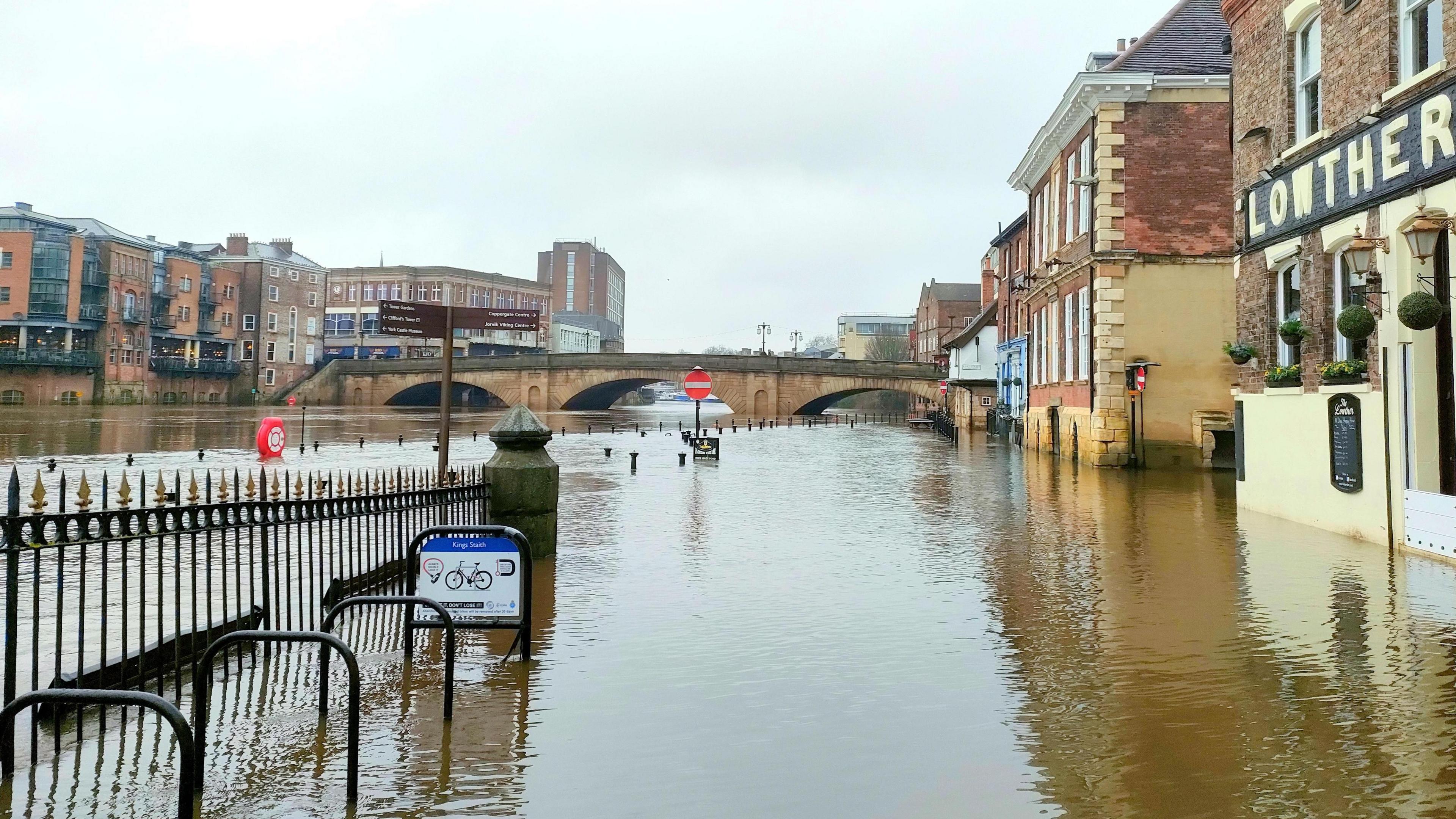
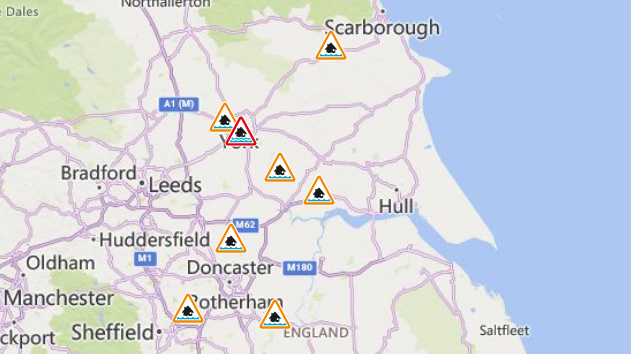
The Environment Agency (EA) has issued over 100 flood warnings, with areas in Berkshire, Oxfordshire, and Yorkshire particularly affected. Rivers such as the Thames and Kennet are swollen, and residents are urged to take precautions as floodwaters threaten homes. Jon Mansbridge, EA flood risk manager, emphasized the severity, stating, "Things are bad all over the country at the moment."
Impact on Agriculture and Communities
The persistent rain has left farmers and communities struggling. In Somerset, farmer James Winslade described living on a "knife edge" as his cattle remain confined due to flooded fields. Similarly, Kevin Gilbert of NFU Scotland highlighted the challenges faced by farmers, noting, "These are the worst conditions I've encountered in 35 years."
Climate Change and Future Predictions
The Met Office has linked the increased frequency of wet winters to climate change, with global warming allowing the atmosphere to hold more moisture, resulting in heavier rainfall. Prof. Lizzie Kendon from the Met Office explained that clustered rainfall events lead to saturated soils, exacerbating flooding risks.
A Blocked Weather Pattern
The current deluge is attributed to a blocked weather pattern caused by high pressure over Scandinavia, preventing wet weather from moving away. BBC climate correspondent Paul Hudson noted that the UK has seen 114% of its average rainfall since December, with no immediate relief in sight.
WHAT THIS MIGHT MEAN
As the UK continues to endure this wet winter, the implications of climate change on weather patterns become increasingly evident. Experts warn that without significant action to curb emissions, the frequency and intensity of such events will likely increase. The government and local authorities may need to invest in improved flood defenses and infrastructure to mitigate future impacts.
Looking ahead, residents and businesses must remain vigilant and prepared for potential flooding, especially in vulnerable areas. The Environment Agency's ongoing monitoring and alerts will be crucial in managing the situation. As the climate crisis continues to unfold, the UK must adapt to these new weather realities to protect its communities and economy.
Images from the Web
Related Articles
Saharan Dust to Illuminate UK Skies with Vivid Sunrises and Sunsets

Andrew Mountbatten-Windsor's Arrest Sparks International Calls for Justice

Breakthrough Drug Offers Hope for Children with Severe Epilepsy

Trump Raises Import Tariffs to 15% After Supreme Court Setback

Iranian Students Lead Major Protests Amid Rising US-Iran Tensions

Arrest of Andrew Mountbatten-Windsor Captured in Iconic Photograph
UK Faces Persistent Flooding Amid Record Wet Winter
In This Article
 Leila Hassan| Published
 HIGHLIGHTS
- The UK is experiencing its wettest winter in years, with persistent rainfall causing widespread flooding and over 100 flood warnings in place.
- The Met Office predicts that wet winters could become more frequent due to climate change, potentially occurring once every 20 years instead of 80.
- Farmers and residents are struggling with the impact, as saturated soils and rising river levels threaten homes and crops.
- The Environment Agency has issued numerous flood alerts, urging residents to take precautions as more rain is expected.
- High pressure over Scandinavia is causing a blocked weather pattern, leading to continuous rainfall across the UK.
The United Kingdom is grappling with relentless rainfall this winter, leading to widespread flooding and significant disruption across the country. From Cornwall to County Down, regions have recorded their wettest January on record, with the Met Office warning that such wet winters could become more frequent due to climate change.
Record Rainfall and Flood Warnings
The Environment Agency (EA) has issued over 100 flood warnings, with areas in Berkshire, Oxfordshire, and Yorkshire particularly affected. Rivers such as the Thames and Kennet are swollen, and residents are urged to take precautions as floodwaters threaten homes. Jon Mansbridge, EA flood risk manager, emphasized the severity, stating, "Things are bad all over the country at the moment."
Impact on Agriculture and Communities
The persistent rain has left farmers and communities struggling. In Somerset, farmer James Winslade described living on a "knife edge" as his cattle remain confined due to flooded fields. Similarly, Kevin Gilbert of NFU Scotland highlighted the challenges faced by farmers, noting, "These are the worst conditions I've encountered in 35 years."
Climate Change and Future Predictions
The Met Office has linked the increased frequency of wet winters to climate change, with global warming allowing the atmosphere to hold more moisture, resulting in heavier rainfall. Prof. Lizzie Kendon from the Met Office explained that clustered rainfall events lead to saturated soils, exacerbating flooding risks.
A Blocked Weather Pattern
The current deluge is attributed to a blocked weather pattern caused by high pressure over Scandinavia, preventing wet weather from moving away. BBC climate correspondent Paul Hudson noted that the UK has seen 114% of its average rainfall since December, with no immediate relief in sight.
WHAT THIS MIGHT MEAN
As the UK continues to endure this wet winter, the implications of climate change on weather patterns become increasingly evident. Experts warn that without significant action to curb emissions, the frequency and intensity of such events will likely increase. The government and local authorities may need to invest in improved flood defenses and infrastructure to mitigate future impacts.
Looking ahead, residents and businesses must remain vigilant and prepared for potential flooding, especially in vulnerable areas. The Environment Agency's ongoing monitoring and alerts will be crucial in managing the situation. As the climate crisis continues to unfold, the UK must adapt to these new weather realities to protect its communities and economy.
Images from the Web
Related Articles
Saharan Dust to Illuminate UK Skies with Vivid Sunrises and Sunsets
Andrew Mountbatten-Windsor's Arrest Sparks International Calls for Justice
Breakthrough Drug Offers Hope for Children with Severe Epilepsy
Trump Raises Import Tariffs to 15% After Supreme Court Setback
Iranian Students Lead Major Protests Amid Rising US-Iran Tensions
Arrest of Andrew Mountbatten-Windsor Captured in Iconic Photograph