
Elizabeth Hurley Accuses Daily Mail Publisher of Privacy Invasion

In This Article
HIGHLIGHTS
- Elizabeth Hurley has accused the Daily Mail's publisher of bugging her home and tapping her landline, describing it as a "brutal invasion of privacy."
- The allegations are part of a broader lawsuit involving seven high-profile claimants against Associated Newspapers Limited (ANL) for privacy breaches.
- Hurley's claims focus on 15 articles published between 2002 and 2011, including details about her son Damian and her medical information.
- ANL has denied the allegations, calling them "unsupported by the evidence" and "preposterous."
- The case includes testimony from other prominent figures, such as Prince Harry and Elton John, highlighting ongoing concerns about media ethics and privacy.
Elizabeth Hurley has taken the stand at the high court, accusing the publisher of the Daily Mail of a "brutal invasion of privacy" through alleged bugging and phone tapping. The actress claims that private investigators working for Associated Newspapers Limited (ANL) placed microphones on her home windows and tapped her landline to gather information for stories, particularly those concerning her son, Damian.
Allegations of Unlawful Information Gathering
Hurley is one of seven high-profile claimants, including Prince Harry and Elton John, who have brought a lawsuit against ANL, alleging grave breaches of privacy over a 20-year period. Her claims focus on 15 articles published between 2002 and 2011, which she argues were based on illegally obtained information. These articles reportedly included sensitive details about her medical history and personal life, such as her pregnancy with Damian and her relationship with his late father, Steve Bing.
Emotional Testimony in Court
During her testimony, Hurley became emotional as she recounted the distress caused by the alleged invasions of privacy. She described the experience as "mortifying and enraging," particularly the thought of her son reading the articles. Hurley also expressed her devastation upon discovering the alleged phone tapping, which she learned about from a now-disavowed statement by private investigator Gavin Burrows.
ANL's Denial and Legal Defense
ANL has strongly denied the allegations, describing them as "lurid" and "preposterous." The publisher's legal team argued that the claims are unsupported by evidence and suggested that the information in the articles was obtained lawfully from other sources. ANL's barrister, Antony White, pointed to interviews and quotes from Hurley's friends as evidence that the information was not obtained through illegal means.
WHAT THIS MIGHT MEAN
The outcome of this high-profile case could have significant implications for media ethics and privacy laws. If the court rules in favor of Hurley and the other claimants, it may lead to stricter regulations on how media organizations gather information. This case also highlights the ongoing tension between celebrity privacy and public interest, potentially prompting a broader discussion on the balance between press freedom and individual rights. Legal experts will be watching closely to see how the court navigates these complex issues, which could set a precedent for future privacy cases involving the media.
Related Articles
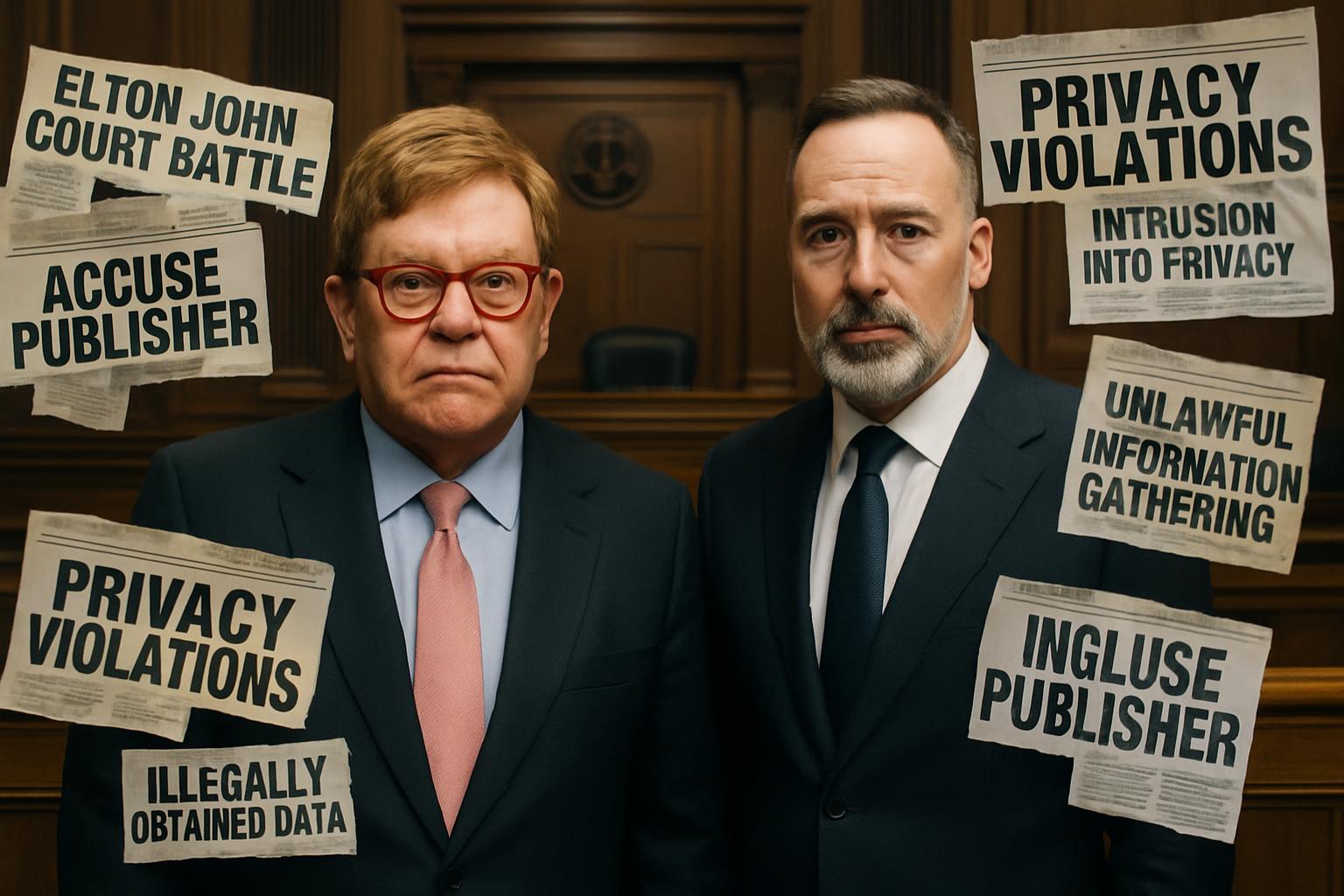
Elton John and David Furnish Accuse Daily Mail of Privacy Violations in High-Profile Lawsuit
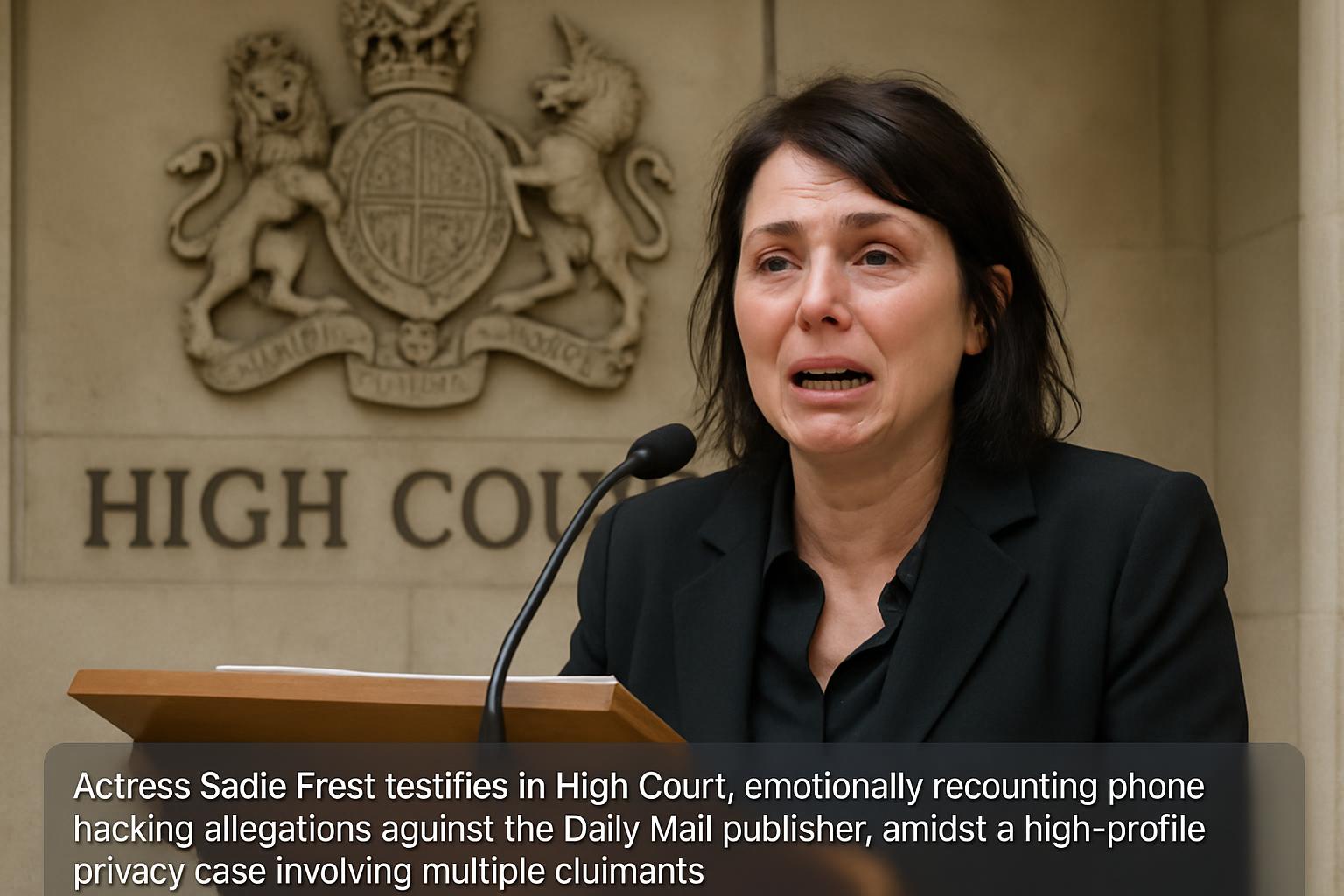
Sadie Frost Accuses Daily Mail Publisher of Phone Hacking in High-Profile Privacy Case
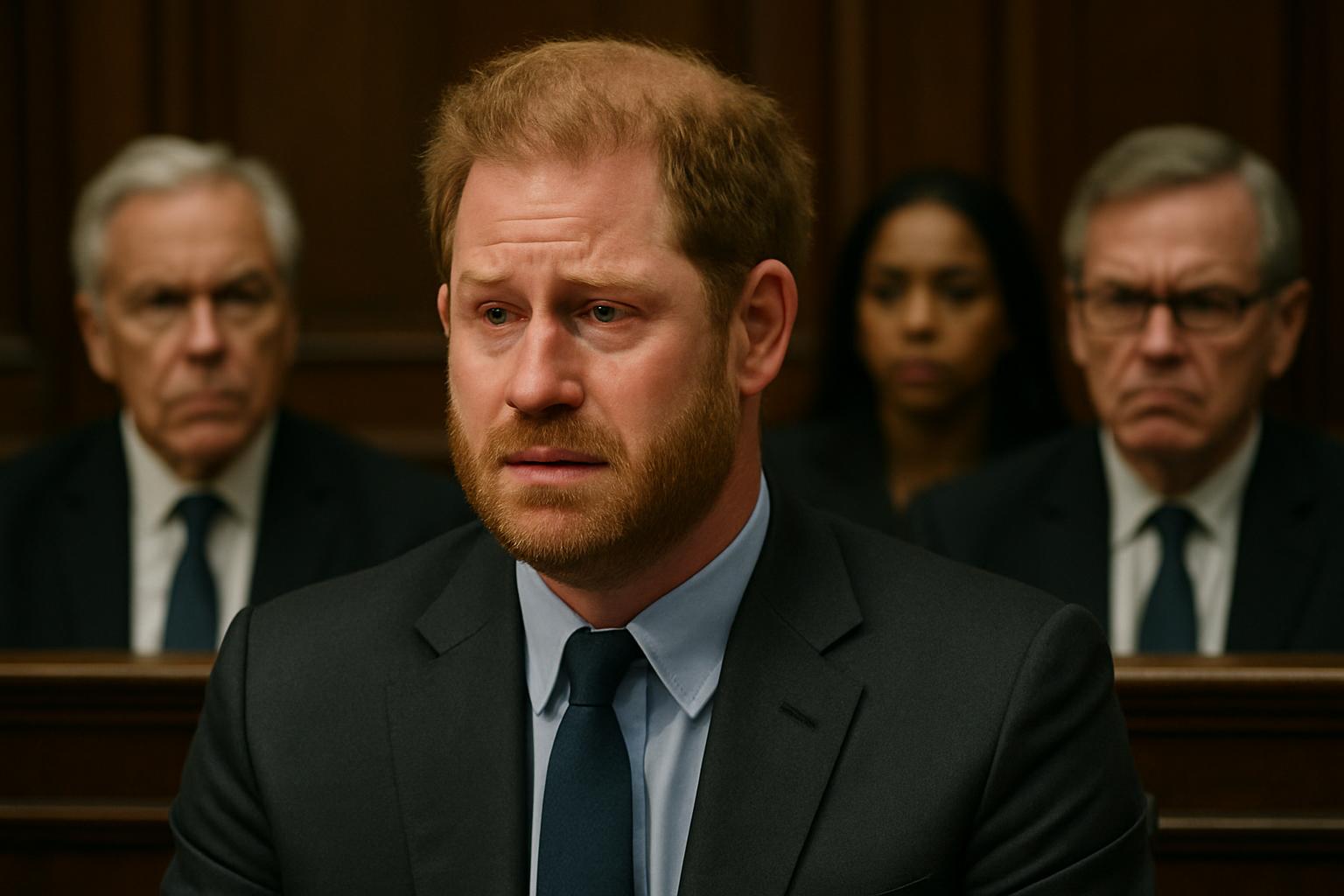
Prince Harry Accuses Daily Mail Publisher of Privacy Breaches in Emotional Court Testimony

Paul Dacre Denies "Preposterous" Hacking Allegations in High-Profile Privacy Case
US Investigator Admits to Privacy Breaches for UK Tabloids in High-Profile Legal Case

Prince Harry and Celebrities Accuse Daily Mail Publisher of Privacy Breaches in High-Profile Court Case
Elizabeth Hurley Accuses Daily Mail Publisher of Privacy Invasion
In This Article
 Ethan Brooks| Published
 HIGHLIGHTS
- Elizabeth Hurley has accused the Daily Mail's publisher of bugging her home and tapping her landline, describing it as a "brutal invasion of privacy."
- The allegations are part of a broader lawsuit involving seven high-profile claimants against Associated Newspapers Limited (ANL) for privacy breaches.
- Hurley's claims focus on 15 articles published between 2002 and 2011, including details about her son Damian and her medical information.
- ANL has denied the allegations, calling them "unsupported by the evidence" and "preposterous."
- The case includes testimony from other prominent figures, such as Prince Harry and Elton John, highlighting ongoing concerns about media ethics and privacy.
Elizabeth Hurley has taken the stand at the high court, accusing the publisher of the Daily Mail of a "brutal invasion of privacy" through alleged bugging and phone tapping. The actress claims that private investigators working for Associated Newspapers Limited (ANL) placed microphones on her home windows and tapped her landline to gather information for stories, particularly those concerning her son, Damian.
Allegations of Unlawful Information Gathering
Hurley is one of seven high-profile claimants, including Prince Harry and Elton John, who have brought a lawsuit against ANL, alleging grave breaches of privacy over a 20-year period. Her claims focus on 15 articles published between 2002 and 2011, which she argues were based on illegally obtained information. These articles reportedly included sensitive details about her medical history and personal life, such as her pregnancy with Damian and her relationship with his late father, Steve Bing.
Emotional Testimony in Court
During her testimony, Hurley became emotional as she recounted the distress caused by the alleged invasions of privacy. She described the experience as "mortifying and enraging," particularly the thought of her son reading the articles. Hurley also expressed her devastation upon discovering the alleged phone tapping, which she learned about from a now-disavowed statement by private investigator Gavin Burrows.
ANL's Denial and Legal Defense
ANL has strongly denied the allegations, describing them as "lurid" and "preposterous." The publisher's legal team argued that the claims are unsupported by evidence and suggested that the information in the articles was obtained lawfully from other sources. ANL's barrister, Antony White, pointed to interviews and quotes from Hurley's friends as evidence that the information was not obtained through illegal means.
WHAT THIS MIGHT MEAN
The outcome of this high-profile case could have significant implications for media ethics and privacy laws. If the court rules in favor of Hurley and the other claimants, it may lead to stricter regulations on how media organizations gather information. This case also highlights the ongoing tension between celebrity privacy and public interest, potentially prompting a broader discussion on the balance between press freedom and individual rights. Legal experts will be watching closely to see how the court navigates these complex issues, which could set a precedent for future privacy cases involving the media.
Related Articles
Elton John and David Furnish Accuse Daily Mail of Privacy Violations in High-Profile Lawsuit
Sadie Frost Accuses Daily Mail Publisher of Phone Hacking in High-Profile Privacy Case
Prince Harry Accuses Daily Mail Publisher of Privacy Breaches in Emotional Court Testimony
Paul Dacre Denies "Preposterous" Hacking Allegations in High-Profile Privacy Case
US Investigator Admits to Privacy Breaches for UK Tabloids in High-Profile Legal Case
Prince Harry and Celebrities Accuse Daily Mail Publisher of Privacy Breaches in High-Profile Court Case