
England and Wales to Overhaul Sentencing with Community Penalties and Early Release Scheme
In This Article
HIGHLIGHTS
- New sentencing reforms in England and Wales aim to reduce short prison sentences and introduce community-based penalties.
- The legislation will allow early release for well-behaved inmates, inspired by a Texas model, but excludes serious offenders.
- Courts will gain powers to impose travel and pub bans as part of community sentences, expanding beyond current limitations.
- The Ministry of Justice seeks to address prison overcrowding and enhance public safety with these changes.
- Concerns arise over the practical implementation of bans and the potential burden on the hospitality sector.
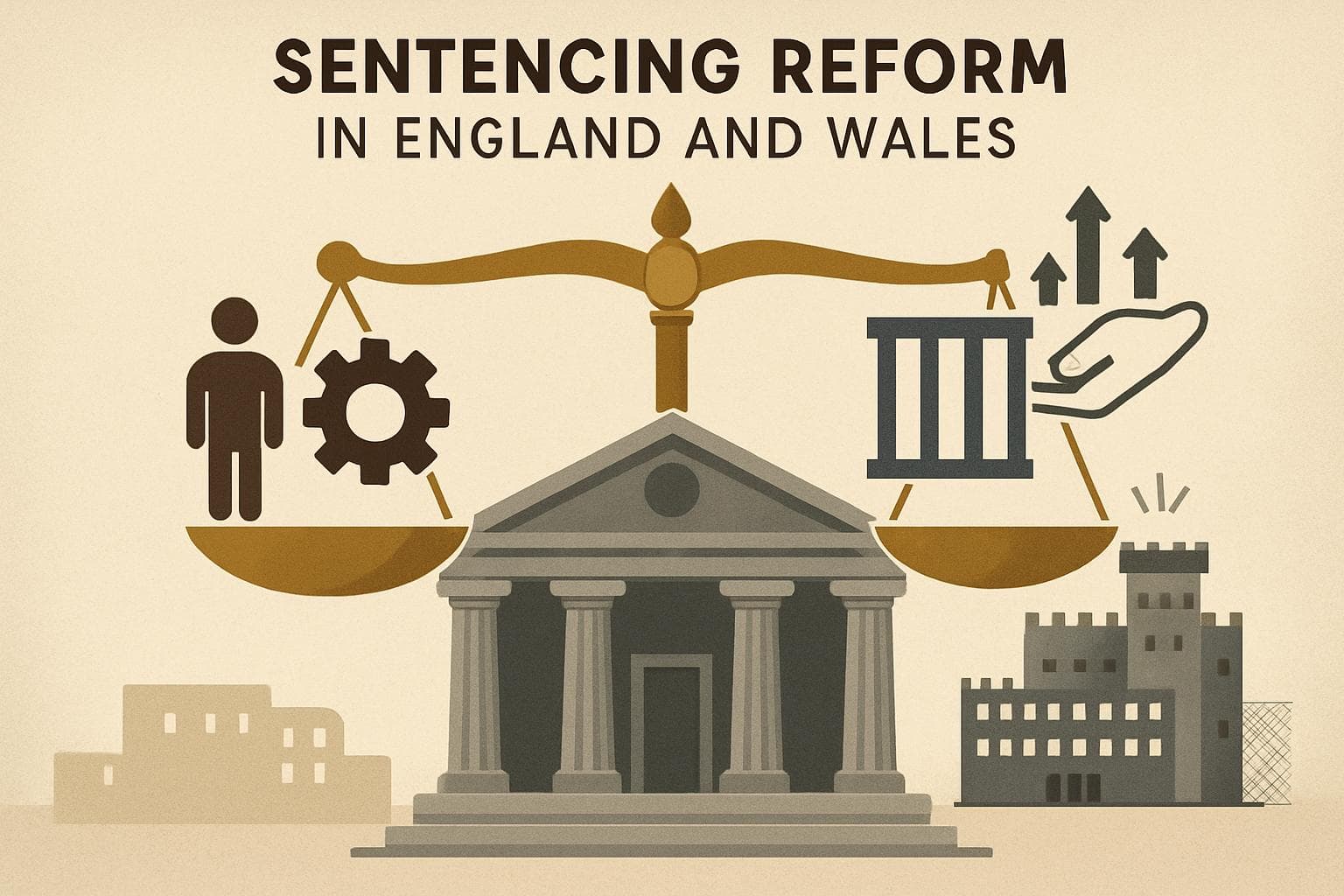
In a significant overhaul of the sentencing system in England and Wales, the government is set to introduce legislation that will abolish most short prison sentences and enhance community-based punishments. This move, aimed at alleviating prison overcrowding and improving public safety, is expected to be presented to Parliament next month.
Community Sentences and New Restrictions
Under the proposed changes, courts will have expanded powers to impose travel and pub bans as part of community sentences. This marks a shift from the current system, where such restrictions are limited to specific offences like violence at football matches. The Ministry of Justice (MoJ) intends for these measures to deter crime and make streets safer.
Early Release Inspired by Texas
A key component of the reform is the introduction of an "earned progression model," inspired by a system in Texas. This model allows inmates to earn early release through good behaviour, potentially serving only a third of their sentence. However, this option will not be available to the most serious offenders, including those convicted of terror-related crimes. Justice Secretary Shabana Mahmood emphasized the need for swift implementation to prevent another prison capacity crisis.
Addressing Overcrowding and Reoffending
The legislation also aims to end short prison sentences of less than 12 months, which have been criticized for being counterproductive. Recent data from the MoJ indicated that 62% of inmates released after serving such sentences reoffended. By focusing on community punishments and early release, the government hopes to reduce reoffending rates and manage prison populations more effectively.
Challenges and Concerns
While the reforms are designed to enhance public safety, concerns have been raised about their practical implementation. Former Old Bailey Criminal Judge Wendy Joseph KC highlighted the need for adequate funding and enforcement mechanisms to ensure compliance with new restrictions. The hospitality sector, represented by Michael Kill of the Night Time Industries Association, also expressed worries about the potential burden on venues tasked with enforcing pub bans.
WHAT THIS MIGHT MEAN
The proposed sentencing reforms could significantly impact the criminal justice landscape in England and Wales. If successfully implemented, they may lead to a reduction in prison overcrowding and reoffending rates. However, the effectiveness of these measures will largely depend on the government's ability to address logistical challenges and secure cooperation from affected sectors. Experts suggest that a collaborative approach involving stakeholders from the justice system and community organizations will be crucial in achieving the desired outcomes. As the legislation progresses, its reception and impact will be closely monitored by policymakers and the public alike.
Related Articles

High Court Rules Palestine Action Ban Unlawful, Government to Appeal

British Woman's Death in Texas Ruled Unlawful Killing by Coroner

Serial Killer Steve Wright Receives Additional 40-Year Sentence for 1999 Murder

Russian Captain Jailed for Six Years Over Fatal North Sea Collision

UK Government to Reform Asylum Seeker Support and Employment Policies

James Talarico Secures Democratic Nomination in Texas Senate Race Amidst Republican Runoff
England and Wales to Overhaul Sentencing with Community Penalties and Early Release Scheme
In This Article
 Sofia Romano| Published
 HIGHLIGHTS
- New sentencing reforms in England and Wales aim to reduce short prison sentences and introduce community-based penalties.
- The legislation will allow early release for well-behaved inmates, inspired by a Texas model, but excludes serious offenders.
- Courts will gain powers to impose travel and pub bans as part of community sentences, expanding beyond current limitations.
- The Ministry of Justice seeks to address prison overcrowding and enhance public safety with these changes.
- Concerns arise over the practical implementation of bans and the potential burden on the hospitality sector.
In a significant overhaul of the sentencing system in England and Wales, the government is set to introduce legislation that will abolish most short prison sentences and enhance community-based punishments. This move, aimed at alleviating prison overcrowding and improving public safety, is expected to be presented to Parliament next month.
Community Sentences and New Restrictions
Under the proposed changes, courts will have expanded powers to impose travel and pub bans as part of community sentences. This marks a shift from the current system, where such restrictions are limited to specific offences like violence at football matches. The Ministry of Justice (MoJ) intends for these measures to deter crime and make streets safer.
Early Release Inspired by Texas
A key component of the reform is the introduction of an "earned progression model," inspired by a system in Texas. This model allows inmates to earn early release through good behaviour, potentially serving only a third of their sentence. However, this option will not be available to the most serious offenders, including those convicted of terror-related crimes. Justice Secretary Shabana Mahmood emphasized the need for swift implementation to prevent another prison capacity crisis.
Addressing Overcrowding and Reoffending
The legislation also aims to end short prison sentences of less than 12 months, which have been criticized for being counterproductive. Recent data from the MoJ indicated that 62% of inmates released after serving such sentences reoffended. By focusing on community punishments and early release, the government hopes to reduce reoffending rates and manage prison populations more effectively.
Challenges and Concerns
While the reforms are designed to enhance public safety, concerns have been raised about their practical implementation. Former Old Bailey Criminal Judge Wendy Joseph KC highlighted the need for adequate funding and enforcement mechanisms to ensure compliance with new restrictions. The hospitality sector, represented by Michael Kill of the Night Time Industries Association, also expressed worries about the potential burden on venues tasked with enforcing pub bans.
WHAT THIS MIGHT MEAN
The proposed sentencing reforms could significantly impact the criminal justice landscape in England and Wales. If successfully implemented, they may lead to a reduction in prison overcrowding and reoffending rates. However, the effectiveness of these measures will largely depend on the government's ability to address logistical challenges and secure cooperation from affected sectors. Experts suggest that a collaborative approach involving stakeholders from the justice system and community organizations will be crucial in achieving the desired outcomes. As the legislation progresses, its reception and impact will be closely monitored by policymakers and the public alike.
Related Articles
High Court Rules Palestine Action Ban Unlawful, Government to Appeal
British Woman's Death in Texas Ruled Unlawful Killing by Coroner
Serial Killer Steve Wright Receives Additional 40-Year Sentence for 1999 Murder
Russian Captain Jailed for Six Years Over Fatal North Sea Collision
UK Government to Reform Asylum Seeker Support and Employment Policies
James Talarico Secures Democratic Nomination in Texas Senate Race Amidst Republican Runoff